

Framed Religious Art
Framed religious art brings centuries of devotion into domestic spaces through sacred oils, intricate icons and classical prints.
Framed Religious Art
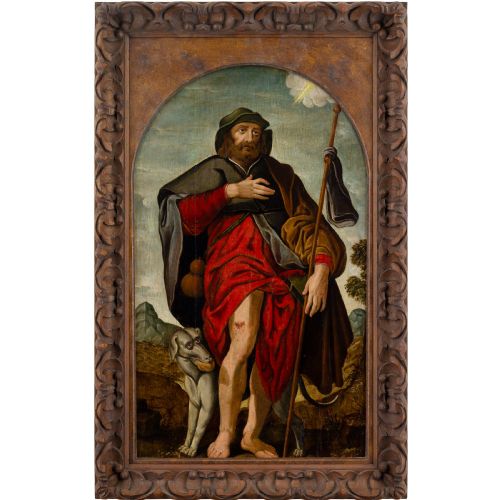
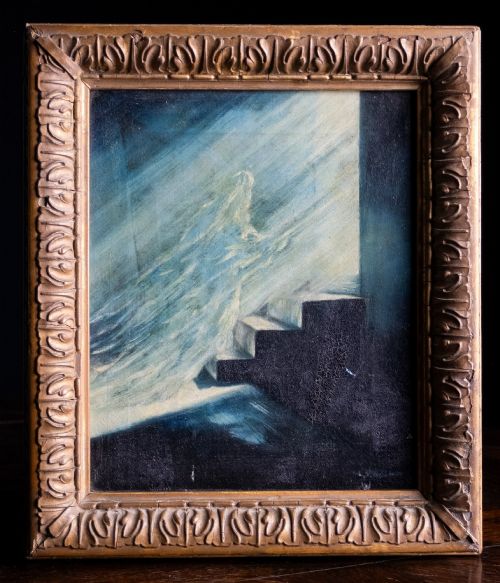
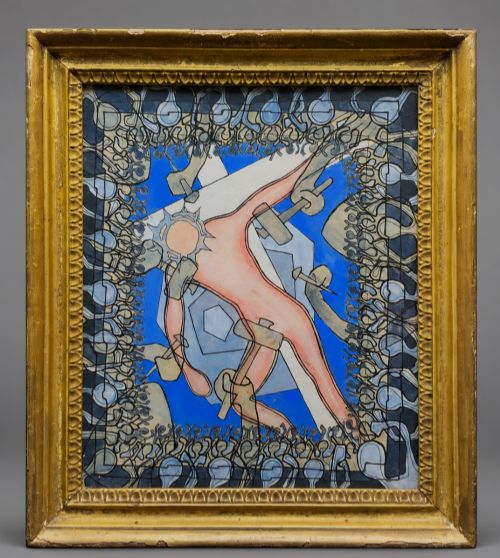
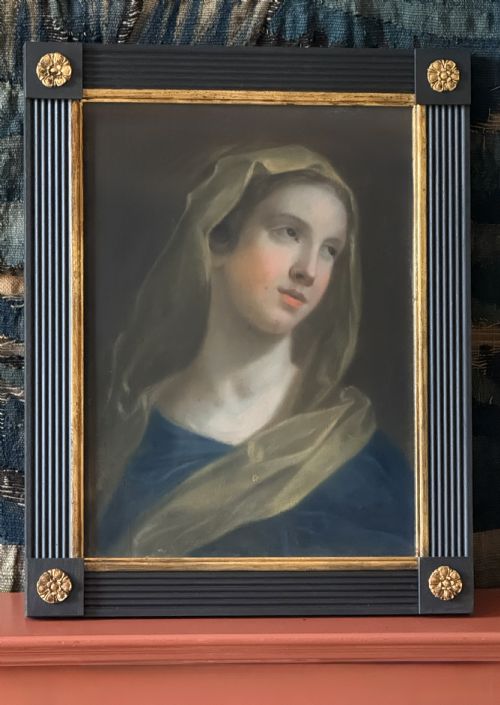
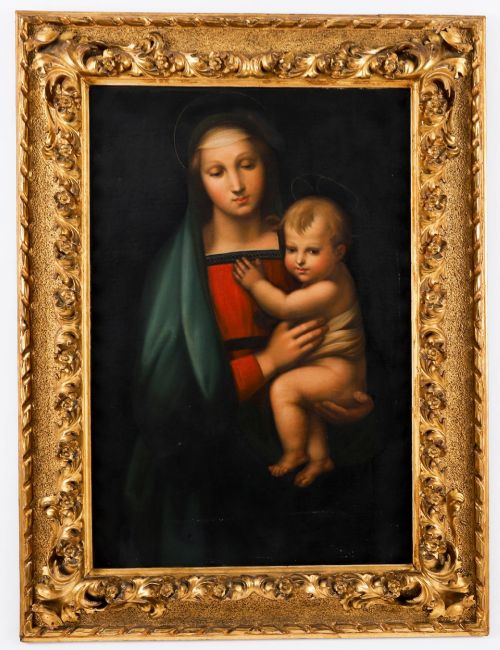
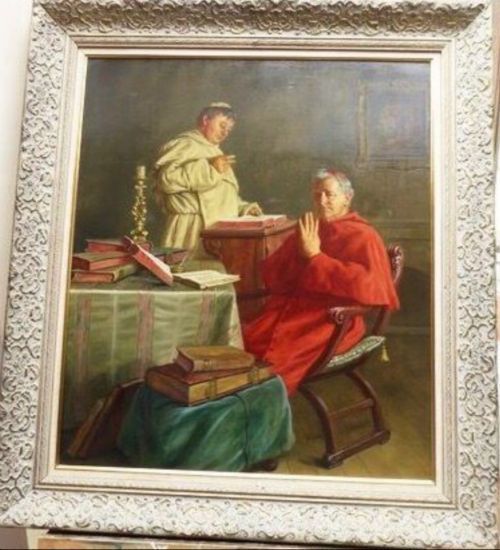
When searching for framed religious art, buyers encounter devotional objects spanning from the sixteenth century into the twentieth century, with oil paintings and paper works dominating the selections.
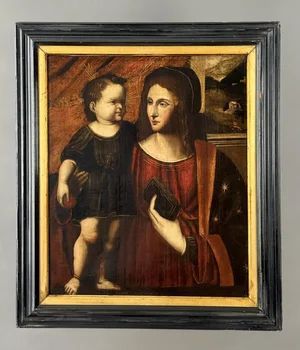
The assortment on this page includes Italian and Spanish school oil canvases, devotional shadow boxes, and detailed engravings representing biblical narratives and revered figures.
Most pieces pair sacred imagery with traditional wooden and carved giltwood surrounds that protect the delicate surfaces while enhancing the solemn visual impact.
Materials and construction methods
Makers utilised wood, canvas, and glass as the foundational supports for oils, pastels, and tempera, frequently incorporating gold leaf to catch candlelight in sacred interiors.
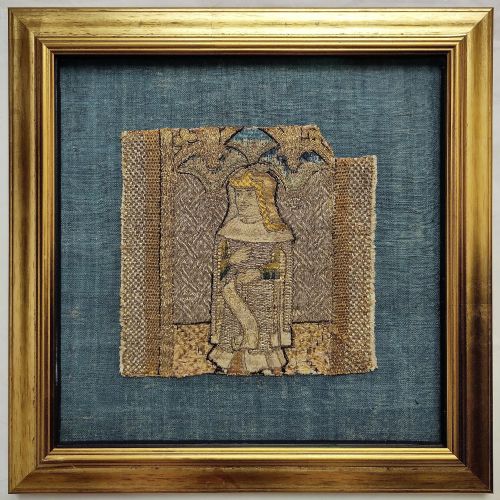
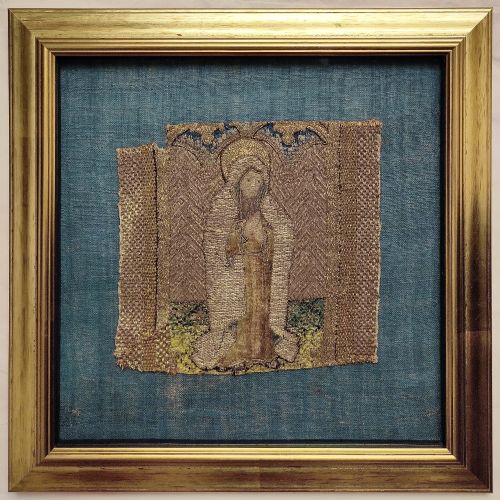
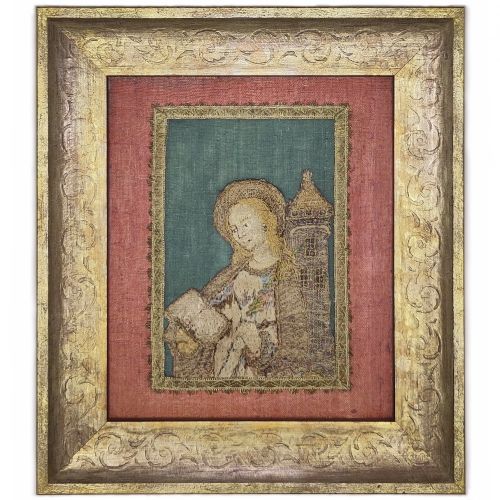
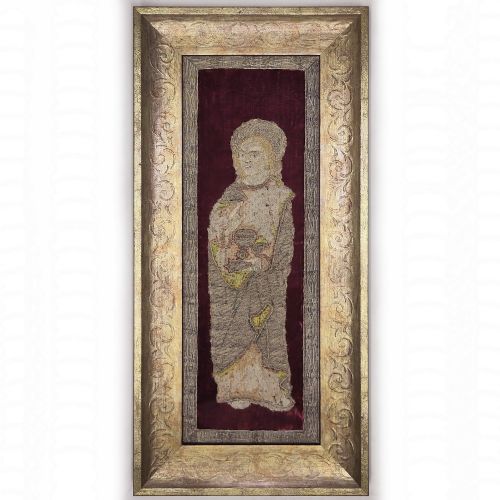
Intricate details emerge through specialist techniques such as reverse glass mezzotint, silk embroidery, Limoges enamel, and hand-painted porcelain plaques set within bespoke frames.
Framed Religious Art Retail Price Guide 2026
Typical asking prices for framed religious art among the pieces listed under this phrase on Sellingantiques today, from the lower quarter to the upper quarter. They describe what is for sale here now, not the wider market.
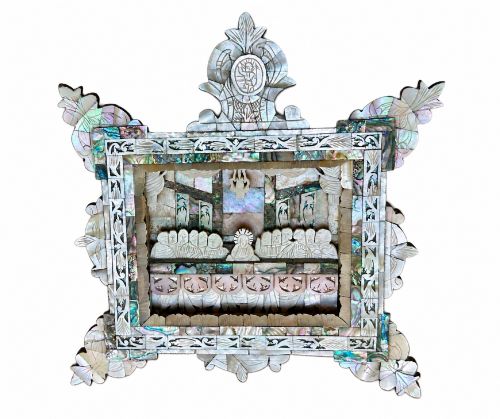
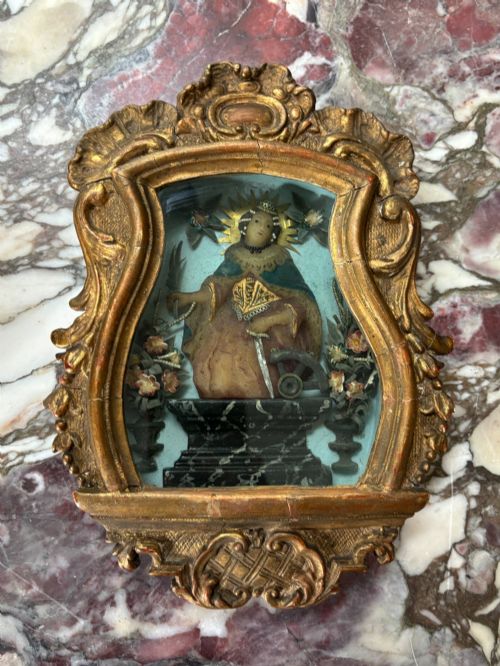
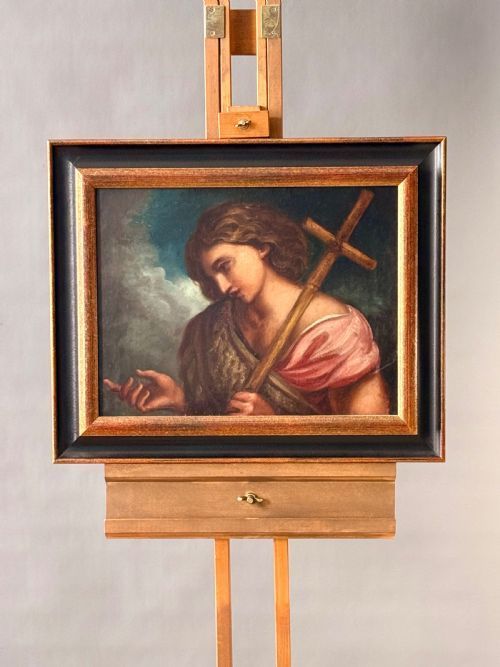
Several seventeenth-century holy figures share wall space with meticulous mother of pearl dioramas of the Last Supper.
Factors influencing quality
The distinction between standard works and master creations rests upon the precision of the brushwork and the depth of theological expression captured in the faces of the figures.
Original frames matching the period of the artwork elevate the piece, particularly heavy giltwood carvings and shadow boxes that preserve fragile components like wax figures or Nevers glass.
Matthieu Elias·Benedetto Luti·Francesco Solimena·Ernst Stierhof·Costantino Frixione
The Framed Religious Art Glossary
- Giltwood
- Wood carved and coated with a thin layer of gold leaf. This material frequently appears on seventeenth and eighteenth-century frames enclosing sacred canvases.
- Icon
- A devotional panel painting depicting holy figures, traditionally executed on wood using tempera and gold leaf. These items carry deep spiritual significance in Eastern and Western traditions.
- Mezzotint
- A printmaking process of the intaglio family where the plate is roughened to achieve rich tonal gradations. Reverse glass iterations display the ink applied directly to the glass substrate.
- Pentimento
- A visible trace of earlier painting beneath the surface layer, showing where the artist changed their composition. This phenomenon often confirms the age and authenticity of older oils.
- Tempera
- A permanent, fast-drying painting medium consisting of coloured pigment mixed with a water-soluble binder such as egg yolk. It produces a matte finish seen on early religious panels.
Framed Religious Art: Frequently Asked Questions
How should I clean a giltwood frame?
Dust the carved surfaces gently with a soft, dry brush to prevent damage to the delicate gold leaf layers.
Avoid liquid cleaners entirely, as moisture can lift the gilding from the underlying wood substrate.
Where were devotional shadow boxes displayed?
Devotional shadow boxes were typically housed in private homes or small chapels for personal prayer and reflection.
Their enclosed glass designs protected fragile internal elements like wax figures or glass components from domestic soot and handling.
What is a reverse glass mezzotint?
A reverse glass mezzotint is an image printed or painted directly onto the underside of a glass sheet for protection.
This technique creates a glossy, luminous finish that intensifies the shadows and highlights of the sacred subject matter.
How do I identify a sixteenth-century canvas?
Sixteenth-century canvases generally exhibit coarser weaves and heavier priming layers typical of early Italian and Spanish workshop practices.
Expert examination under magnification reveals period pigments and craquelure consistent with centuries of natural ageing.