


Framed Regency Oil Painting
A framed regency oil painting brings the distinct character of early nineteenth-century portraiture and pastoral scenes directly into a modern interior.
Framed Regency Oil Painting
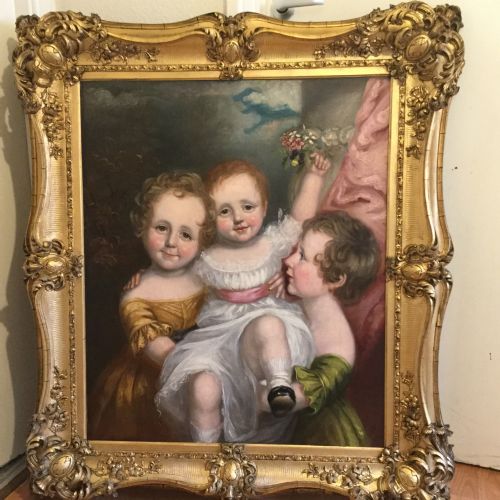
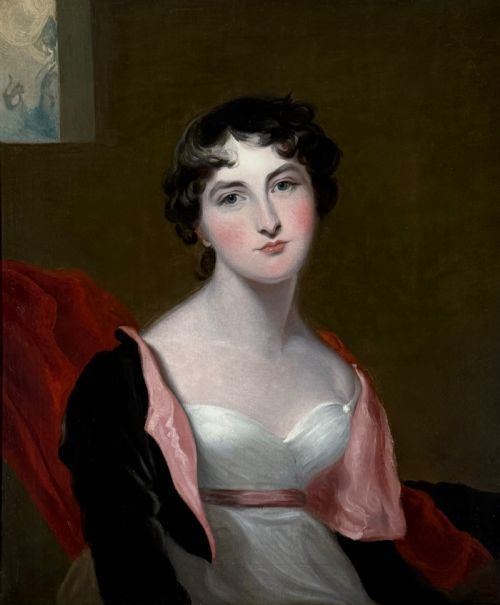
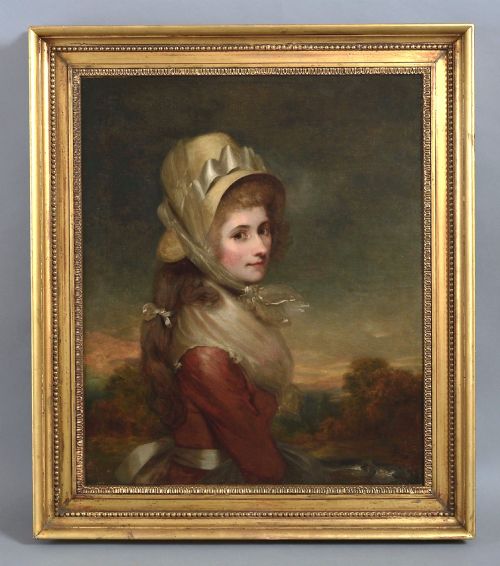
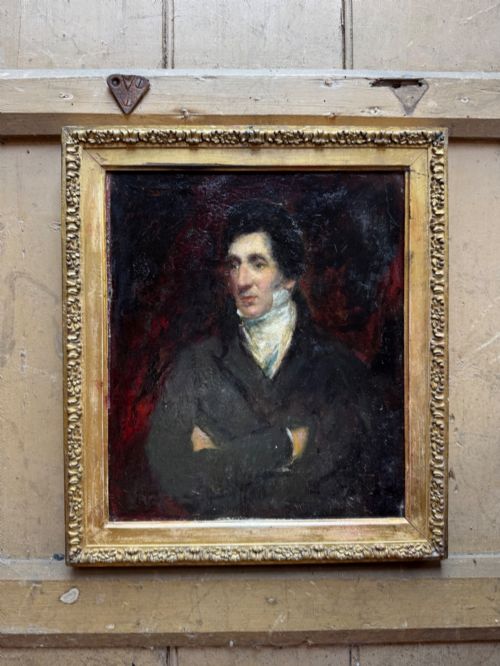
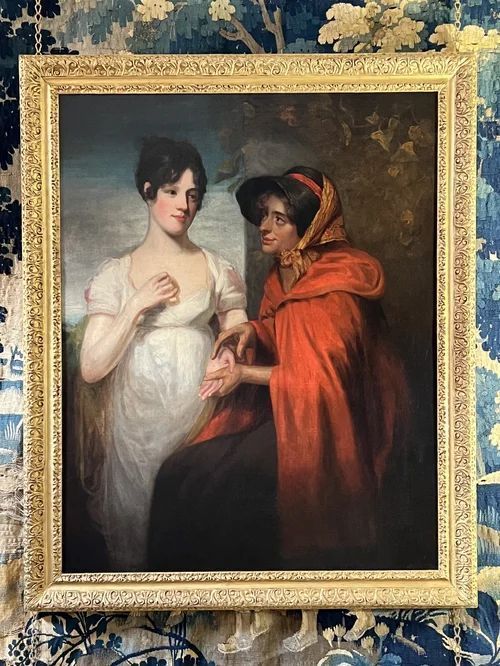
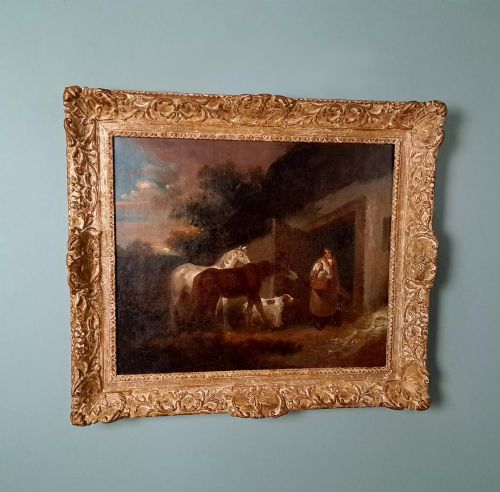
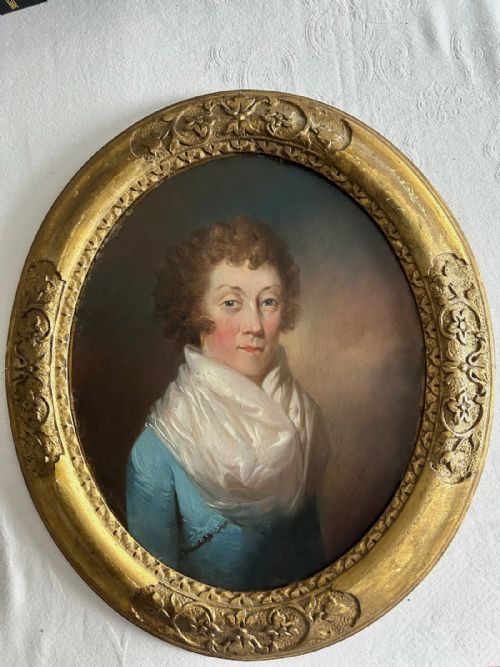
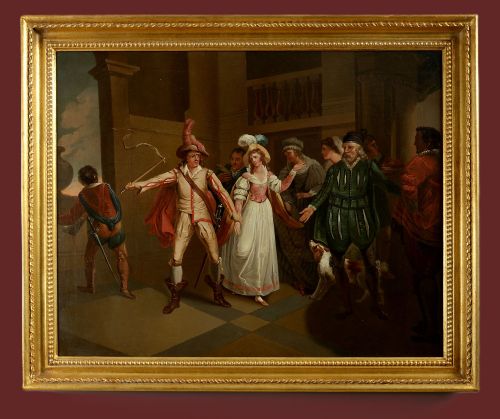
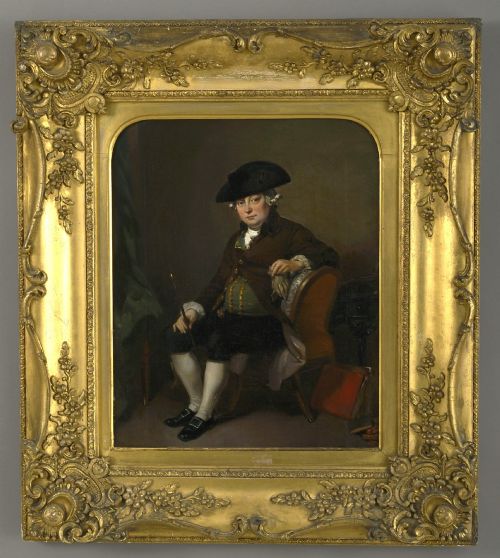
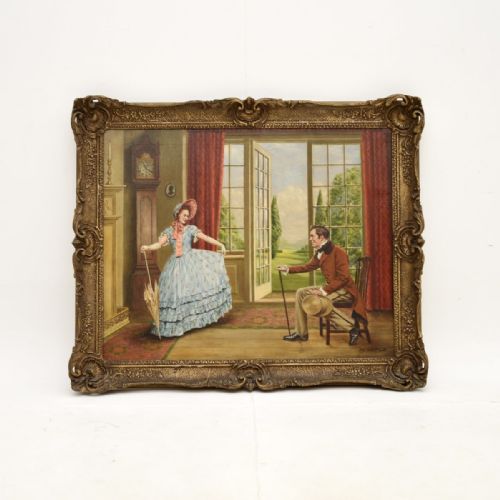
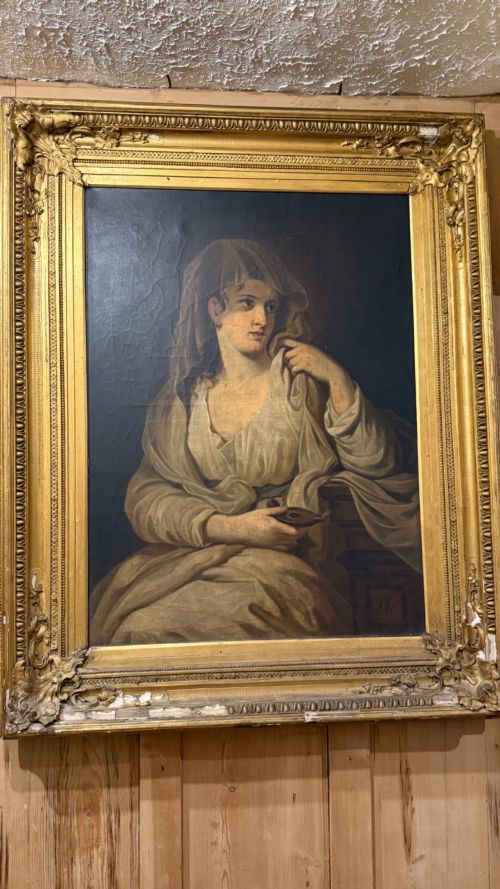
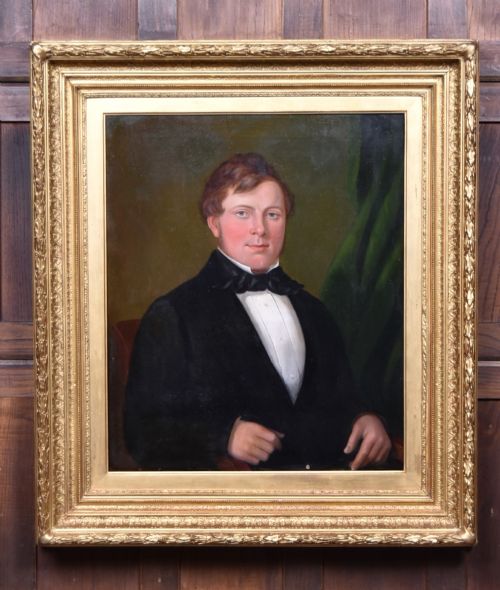
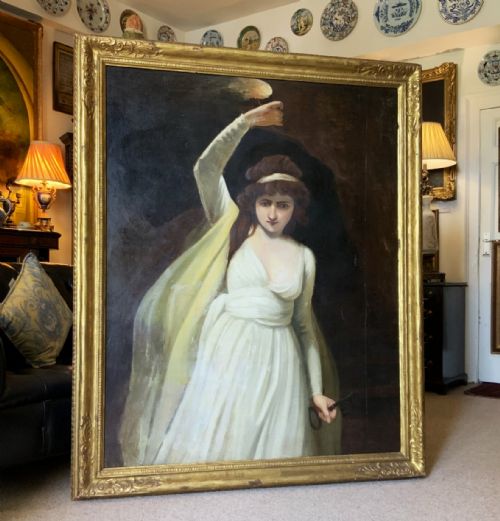
A framed regency oil painting encompasses works originating primarily from the late Georgian and Regency periods, stretching from around eighteen hundred into the middle nineteenth century. These pieces predominantly feature individual and group portraits, alongside genre scenes, animal studies, and pastoral landscapes.
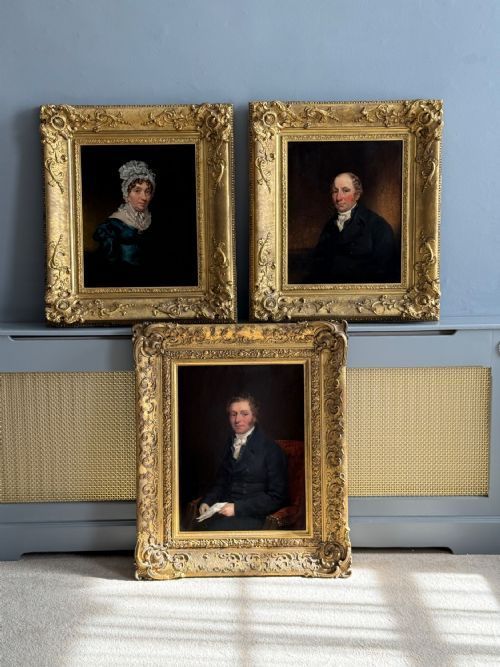
Buyers will most frequently encounter canvas works housed in their original or period-appropriate giltwood and gesso frames. Subjects range from distinguished military officers and elegant ladies to children and domestic animals rendered in oil paint.
The aesthetic bridges neoclassical ideals and nineteenth-century realism, reflecting the tastes of British and European artists working during the reigns of George the Third, George the Fourth, and William the Fourth.
Materials and technique
Artists of this era applied oil paint onto woven canvas supports, though panel and board surfaces also appear within the listings. Pigments were hand-ground and layered to achieve depth in clothing, skin tones, and background details.
The surrounding frames utilise timber substrates coated in gesso, which was moulded or carved before receiving layers of gold leaf or gilt finish. These frames were integral to the presentation and protection of the canvas.
Brushwork varies from the smooth, polished neoclassical finish seen in formal portraits to the looser, more expressive strokes characteristic of pastoral and genre painting.
Listings feature works spanning the eighteenth century, the Regency era, and the wider nineteenth century up to eighteen ninety.
Distinctions in quality
The integrity and originality of the surrounding frame contribute significantly to the standing of a piece. Frames retaining their original gilding and structural joinery elevate the overall object.
Provenance and documentation, such as attribution to established painters of the British or Austrian schools, anchor the historical importance of the artwork.
Joseph Clover·Sir Martin Archer Shee·John Opie·William Joseph Shayer Senior·Alfred Lyndon Grace·James Howe·George Watson·Sir Thomas Lawrence·T C Hofland·John Ferneley Senior·Charles Haigh Wood·Samuel Raven·William Egley
The Framed Regency Oil Painting Glossary
- Gesso
- A plaster-like mixture applied to wood frames as a smooth base for gilding. It allows for intricate moulded ornamentation.
- Giltwood
- Timber that has been coated with gold leaf or gold paint. This finish characterises the traditional frames associated with the period.
- Genre painting
- The pictorial representation of scenes from everyday life. These works often depict figures in domestic interiors or rural settings.
- Neoclassical
- An artistic style drawing on the art of classical antiquity. It emphasises proportion, restraint, and formal dignity in portraiture.
- Provenance
- The chronology of the ownership and custody of a work of art. Documented history supports the attribution and authenticity of a painting.
Framed Regency Oil Painting: Frequently Asked Questions
Are these paintings on canvas or panel?
The evidence shows works executed on both woven canvas and rigid boards or panels. Artists selected their supports based on scale and personal preference.
Canvas remains the most common substrate across nineteenth-century portraiture and landscape examples.
Do the frames come with the paintings?
The listings regularly pair these artworks with their original or period-appropriate giltwood and gesso frames. These surrounds complement the aesthetic of the era.
Buyers should examine specific descriptions to confirm whether a frame is period-original to the canvas.
What subjects are most common?
Human subjects dominate, including military officers, gentlemen, ladies in silk dresses, and children. Animal studies and pastoral or coastal landscapes also feature.
Genre scenes depicting domestic interiors offer a view into daily life during the early nineteenth century.
How do I identify a Regency period piece?
Dating relies on costume details, hairstyles, painting techniques, and recorded attributions to artists active between eighteen hundred and thirty.
Stylistic markers bridge late Georgian formality and early Victorian realism.