



Framed Racing Print
A framed racing print captures the thunder of the turf and the elegance of equestrian sport through historical imagery ready for the wall.
Framed Racing Print
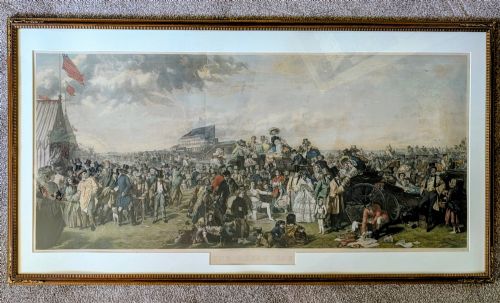
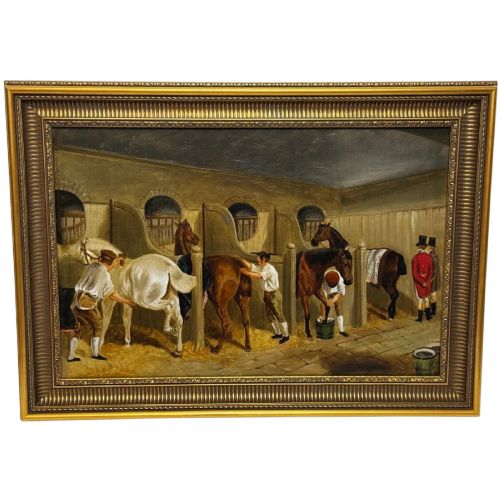
A framed racing print brings the energy of the track and the field into a room through historical paper works and oils. When looking for a framed racing print, collectors encounter everything from Victorian engravings to Edwardian artist proofs.
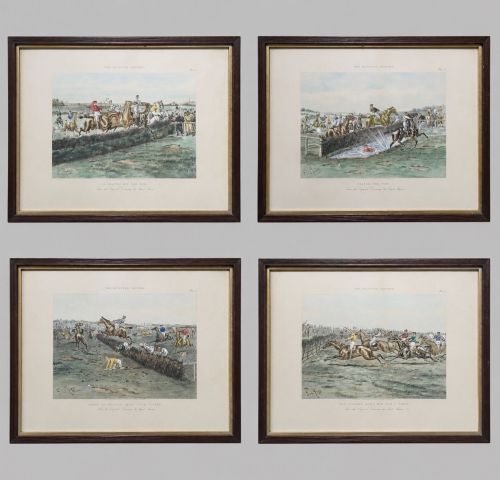
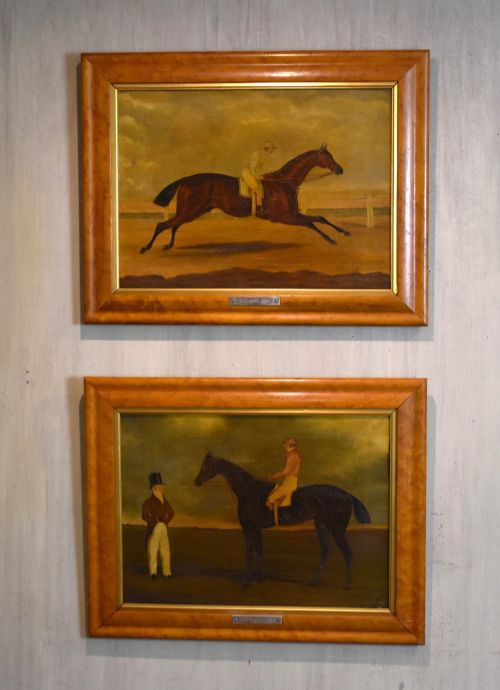
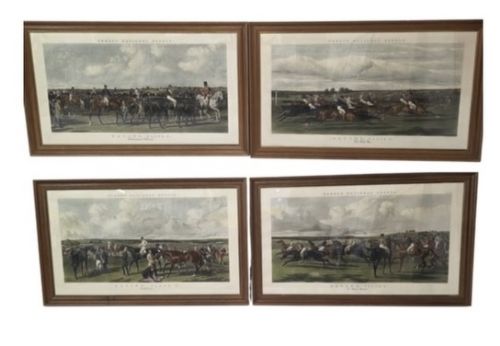
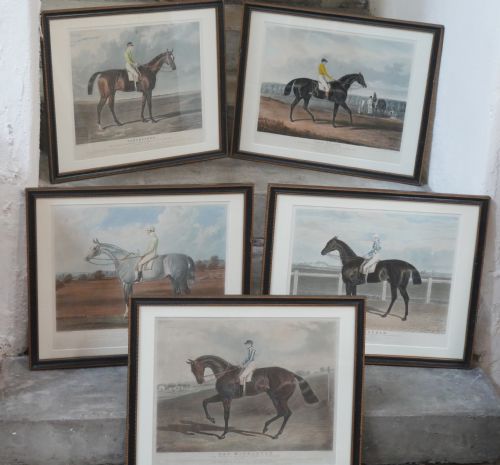
The selection ranges from single portraits of famous racehorses to complete sets of four or eight depicting steeplechases and hunting scenes. Subjects span British sporting art, French expressionist scenes, and mid-century motor racing posters.
Origin dates stretch from the Georgian period through the Victorian and Edwardian eras into the mid-twentieth century. Paper works dominate the selection, often protected behind glass in traditional wood frames.
What varies in quality
The distinction between tiers rests upon the clarity of the impression and the fidelity of the hand-colouring. Early strikes from original plates retain crisp linework, whereas later impressions lose definition.
The integrity of the framing materials also elevates the piece, particularly where original gilt wood surrounds survive intact. Completeness of a matched set significantly alters the character of the grouping.
Framed Racing Print Retail Price Guide 2026
Typical asking prices for framed racing print among the pieces listed under this phrase on Sellingantiques today, from the lower quarter to the upper quarter. They describe what is for sale here now, not the wider market.
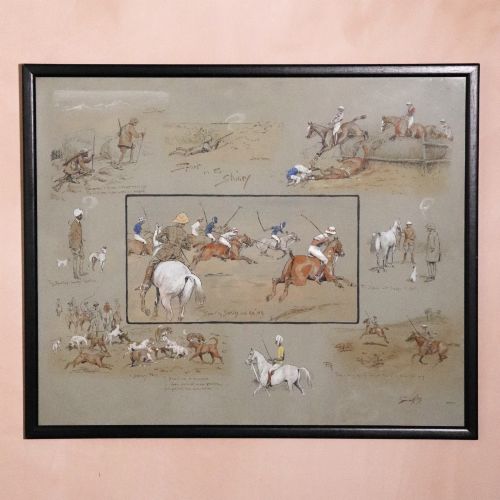
Several prints record eccentric sporting titles involving carpet beaters and racehorses named Creeping Molly.
William Powell Frith·George Finch Mason·Charles Johnson Payne Snaffles·John Frederick Herring Snr·Thomas Worth·Gabriel Dauchot·Alfred Wheeler·Isaac Cullin·John Atkinson
The Framed Racing Print Glossary
- Aquatint
- An intaglio printmaking technique that produces tonal areas resembling watercolours. This method allowed artists to render subtle shades in early racing scenes.
- Chromolithography
- A planographic colour printing process using multiple stones or plates. Each colour layer adds depth to the published sporting plates.
- Engraving
- A method of cutting design lines directly into a metal plate with a burin. The resulting prints show sharp, precise details of horses and riders.
- Gilt wood
- Carved timber coated with a thin layer of gold leaf or gold paint. This finish frequently decorates the period frames housing equestrian art.
- Hand-coloured print
- A monochrome impression enhanced with watercolour by hand after printing. This touch added realism to jockey silks and turf landscapes.
Framed Racing Print: Frequently Asked Questions
How do I date a framed racing print?
Dating relies on the paper type, printing technique, and stylistic markers of the period. Victorian and Edwardian pieces often carry publisher details or dates in the margins.
Frame construction and backing materials also offer clues to the age of the assembly. Comparing the jockey attire and horse conformation to known historical eras helps narrow the timeline.
Are these prints originals or reproductions?
The selection includes original period prints, engravings, and hand-painted oils rather than modern photographic reproductions. Many date from the nineteenth and early twentieth centuries.
Examining the ink under magnification reveals the dot patterns of modern printing or the distinct plate marks of antique techniques. Original pieces carry the physical characteristics of their manufacturing era.
How should I hang and light my print?
Hang paper works away from direct sunlight to prevent the fading of inks and watercolours. Stable indoor humidity protects both the paper and the wooden frames.
Use picture lights or ambient room lighting rather than harsh spotlights to illuminate the glass-fronted pieces safely. Proper placement ensures the artwork remains secure on the wall.
What subjects appear in these artworks?
Artworks depict steeplechases, flat racing, famous racehorses with their jockeys, and point-to-point meetings. Some pieces capture broader equestrian culture, including hunting scenes and portraits.
Scenes range from British racecourses like Newmarket to French tracks such as Longchamp. Human subjects include named jockeys, trainers, and spectators in period dress.