


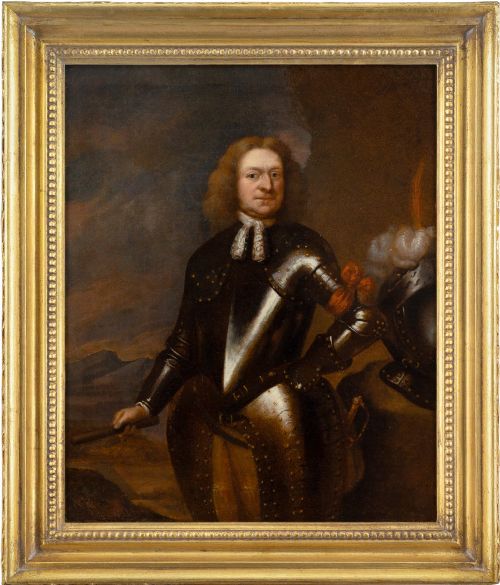


Framed Portrait in Armour
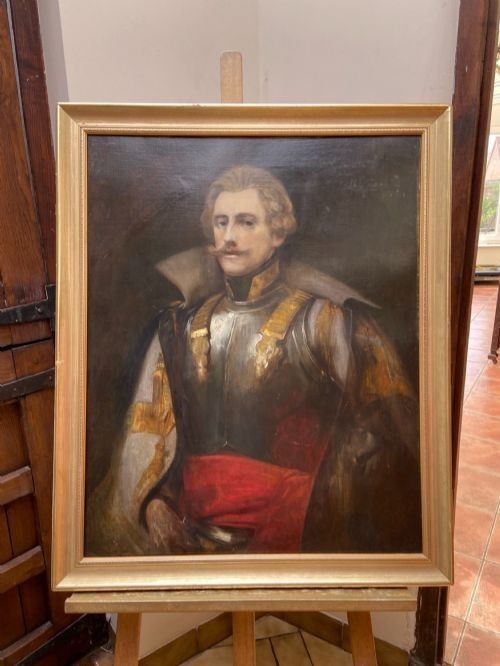
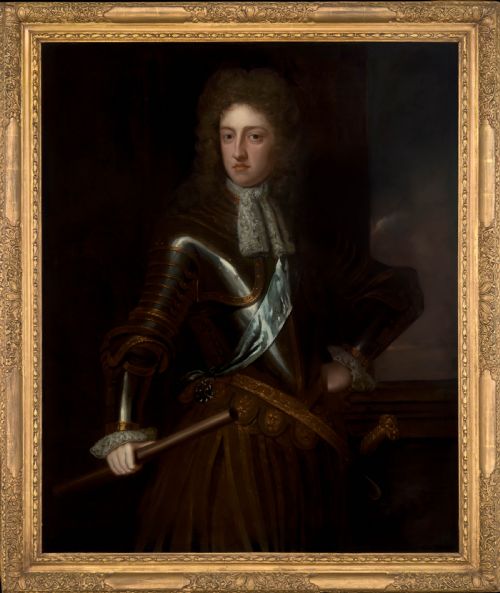
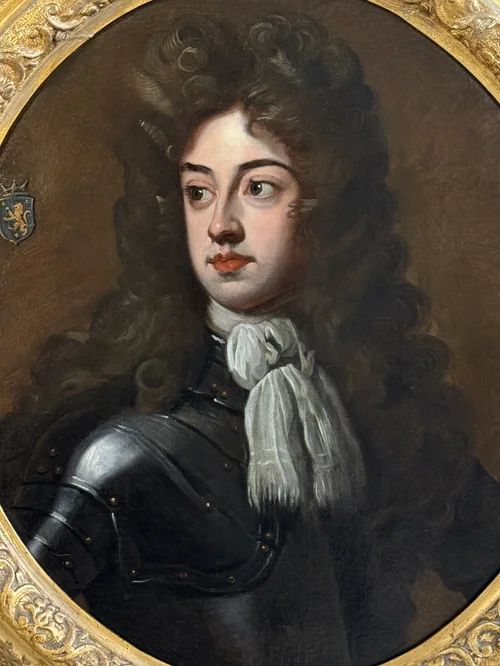
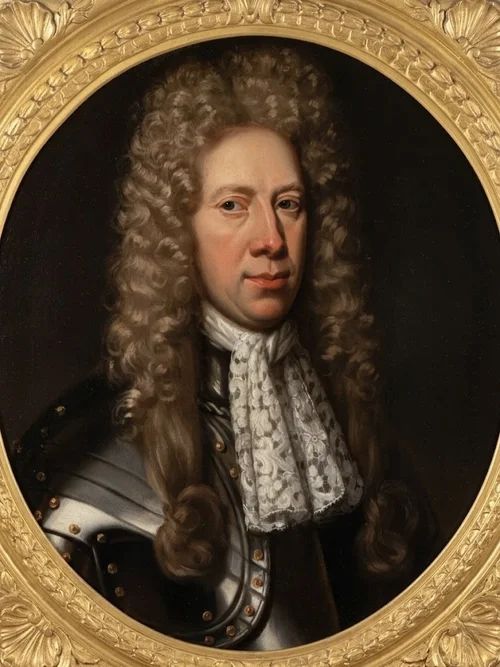
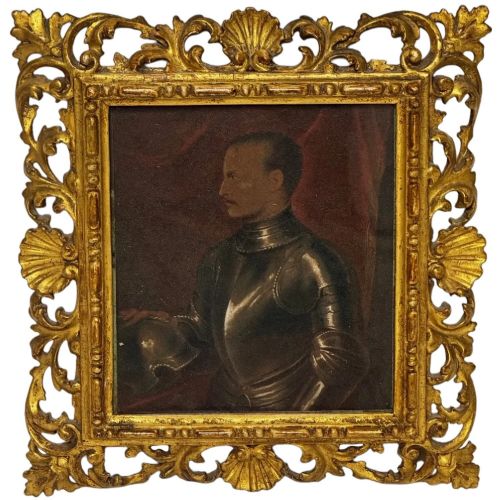
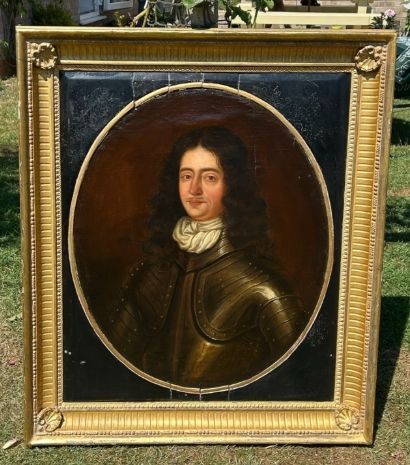
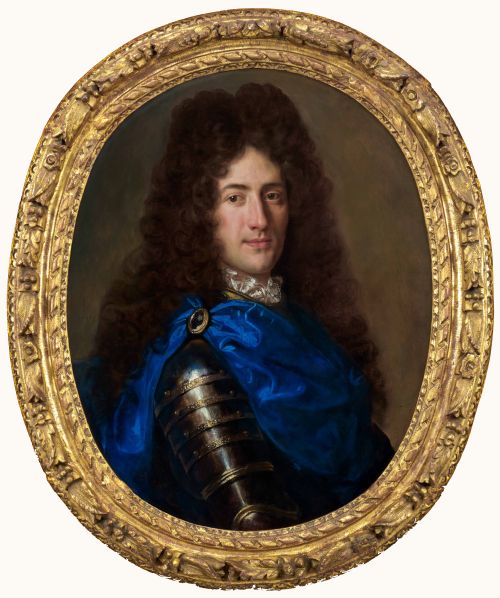
A framed portrait in armour presents a commanding military sitter rendered in oil on canvas or through print, spanning seventeenth-century origins to nineteenth-century revivals.
Framed Portrait in Armour
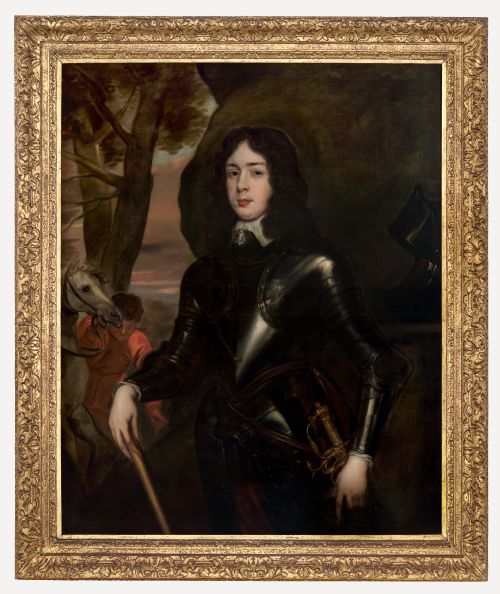
A framed portrait in armour typically depicts a nobleman, military officer, or royal figure encased in steel plate, reflecting status and martial prowess from the seventeenth and eighteenth centuries.
Buyers frequently encounter seventeenth-century oils on canvas and later eighteenth-century interpretations, alongside occasional nineteenth-century revivals and print mediums such as mezzotints.
Works range from intimate Scottish regional paintings to grand Anglo-Flemish school compositions and continental European aristocratic depictions.
Materials and technique
Paintings of this group utilise oil applied to woven canvas substrates, frequently housed in heavy giltwood or plain wooden frames.
Graphic works employ paper and ink, exemplified by period mezzotint printing techniques.
Artists built depth through layered pigments, rendering the reflective surfaces of steel armour, lace cravats, and velvet drapery.
Materials recorded across these artworks include oil, canvas, paper, ink, wood, and giltwood frames.
Quality variations
Compositional complexity, such as the inclusion of horses, grooms, or distant landscapes beyond the sitter, distinguishes ambitious commissions from standard bust-length formats.
The original integrity of the canvas and the preservation of the surrounding giltwood frame influence the overall visual coherence of the piece.
Sir Anthony van Dyck·Sir Godfrey Kneller·John Scougall·Joseph Vivienne·Michael Dahl·Samuel Cooper·Jean-Baptiste Santerre·Samuel van Hoogstraten·John Smith·Gian Paolo Pace
The Framed Portrait in Armour Glossary
- Mezzotint
- A printmaking process where the copper plate is roughened to achieve rich tonal gradations and dark backgrounds. This technique was frequently utilised for reproducing prominent military portraits.
- Giltwood
- Wood carved and coated with gold leaf to form decorative picture frames. These frames complement the dark, dramatic palettes typical of seventeenth-century canvas works.
- Cuirassier
- A cavalry soldier equipped with a cuirass, comprising a breastplate and backplate. Such military dress forms the central subject of many officer portraits.
- Baroque
- An artistic style characterised by drama, exuberant detail, and grandeur. Portraiture of this period emphasises rich drapery and imposing military poses.
- Studio of
- A designation indicating a work produced by assistants or pupils under the supervision of a master painter. These pieces often replicate successful compositions.
Framed Portrait in Armour: Frequently Asked Questions
How do I identify a seventeenth-century piece?
Look for specific costume details, such as heavy steel breastplates, lace falling bands, and long flowing wigs typical of the period. Pigment application and canvas characteristics also offer clues to age.
Compare the handling of the face and armour against documented examples from the same schools or studio circles.
Where should I hang a large portrait?
These works require sturdy wall fixings due to the weight of the canvas and substantial giltwood frames. Position them away from direct sunlight and heat sources to protect the oil medium.
Generous wall space in a principal room allows the imposing scale of an aristocratic sitter to command the interior properly.
What is the difference between an oil and a mezzotint?
An oil painting is a unique hand-painted artwork created with pigmented linseed oil on canvas. It shows physical brushstrokes and layered depth.
A mezzotint is an inked print on paper created from a worked copper plate, allowing for multiple impressions of the same subject.
Are all sitters royalty or military commanders?
Many depict monarchs, generals, and titled nobility wearing full or partial suits of steel armour to signal authority. Other subjects include country gentlemen and regional aristocracy.
Armour served as a conventional portrait costume during periods of conflict, regardless of whether the sitter saw active field command.