


Framed Pet Oil Painting
A framed pet oil painting captures domestic companions across centuries, offering enduring character through traditional brushwork and period frames.
Framed Pet Oil Painting
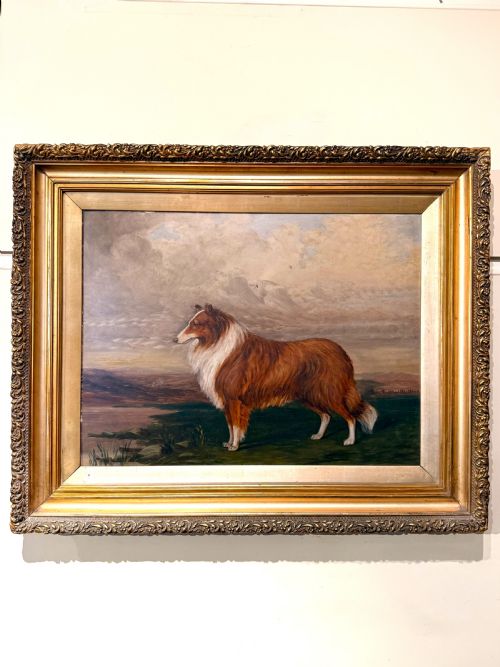
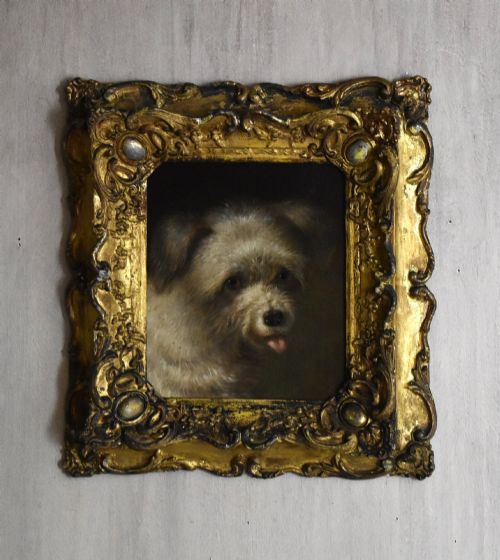
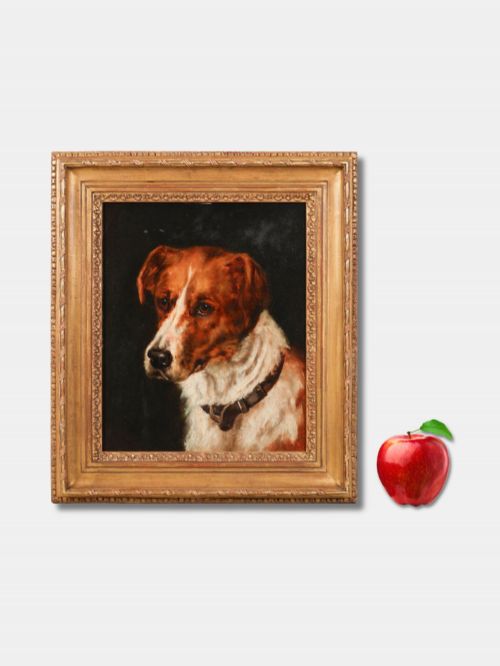
A framed pet oil painting represents beloved domestic animals, primarily dogs and cats, captured by artists working across the nineteenth and twentieth centuries. These works range from intimate studies of terriers and spaniels to larger Victorian compositions of prized hounds and playful kittens.
You will encounter pieces originating from British, French, and American schools, spanning periods from the Regency era through to mid-century realism. The subjects extend beyond dogs and cats to include rabbits, birds, and children posing alongside their animals.
Most examples appear mounted within period wooden frames, often accented with gesso and gold leaf detailing that complements the traditional oil technique. The scale varies from small portable board studies to large canvases depicting named champions and family pets.
Materials and technique
Artists painted these animal subjects using oil paint applied to prepared surfaces of woven canvas, wooden panels, or rigid board. The pigments were layered to build texture in animal fur and create depth within interior or courtyard backgrounds.
Surviving works are housed in wooden frames, frequently finished with moulded gesso ornamentation and gilding in gold leaf. These frames serve as protective housings that define the perimeter of the artwork while reflecting period framing fashions.
Several canvases record mischievous domestic moments, including six Persian kittens holding an imaginary tea party.
Factors separating examples
The anatomical accuracy and individual expression of the animal separate standard decorative works from accomplished animalier art. Skilled painters capture the specific bone structure, eye lustre, and textural qualities of fur rather than relying on generic animal formulas.
The integration of the subject within its environment, whether an interior domestic setting or an open landscape, dictates the visual success of the composition. Stronger pieces display confident brushwork in both the animal and the surrounding details without stiffness.
Martin Theodore Ward·LM Webb·William Barraud·Agnes Augusta Talboys·Christian Lindner·John Henry Dell·M.E.Hankinson·Valentine Thomas Garland·Florence Mabel Hollams·Philip Eustace Stretton·Francisco Jose Domingo y Marques·Samuel John Carter·A. Betts·Benedict Angell Hyland·Jules Le Roy
The Framed Pet Oil Painting Glossary
- Oil on Canvas
- A painting medium where pigment suspended in drying oil is applied to stretched woven fabric. This provides a flexible and durable ground favoured by traditional portraitists.
- Gesso
- A plaster mixture applied to wood frames to create a smooth surface for gilding or moulding. It forms the crisp decorative relief seen on period frames.
- Gold Leaf
- Gold beaten into extremely thin sheets used to gild picture frames. It provides a warm metallic border that catches ambient light.
- Animalier
- An artist who specialises in the realistic portrayal of animals. The term applies to painters and sculptors active from the nineteenth century onwards.
Framed Pet Oil Painting: Frequently Asked Questions
How do I date a pet painting?
Dating relies on stylistic clues, framing conventions, and the physical support material used by the artist. Canvas types, stretcher construction, and signature formats offer additional chronological markers.
Period clothing on human subjects or specific dog breeds popularised in certain decades help narrow the production window. Comparison with documented works by known animal painters confirms the active period.
Are these paintings signed by artists?
Many examples bear visible signatures, monograms, or studio inscriptions placed near the lower edges of the canvas or board. Unsigned works frequently emerge from provincial schools or unrecorded studio hands.
Examine the reverse of the canvas, board, or frame for old gallery labels, handwritten titles, and attribution notes. These inscriptions often supply the name of the pet or the artist.
How should I hang oil paintings?
Hang oil paintings away from direct sunlight and fluctuating heat sources to protect the paint layer and wooden frame. Stable indoor humidity prevents warping in panels and canvas slackening.
Secure the artwork using appropriate wall fixings matched to the weight of the frame and canvas. Ensure the hanging wire or D-rings are robust and properly fastened.
What frames are original to the pieces?
Original frames typically show matching age wear, patination, and construction methods consistent with the painting date. Gesso ornament and gold leaf apply period-specific decorative motifs.
Replacement frames occur frequently when earlier owners updated interiors or repaired damaged mouldings. Inspect the rabbet edge where the canvas meets the frame for signs of previous fittings.