



Framed Pastoral Watercolour
When you search for a framed pastoral watercolour, you are looking at original rural scenes on paper preserved beneath glass within period wooden mouldings.
Framed Pastoral Watercolour
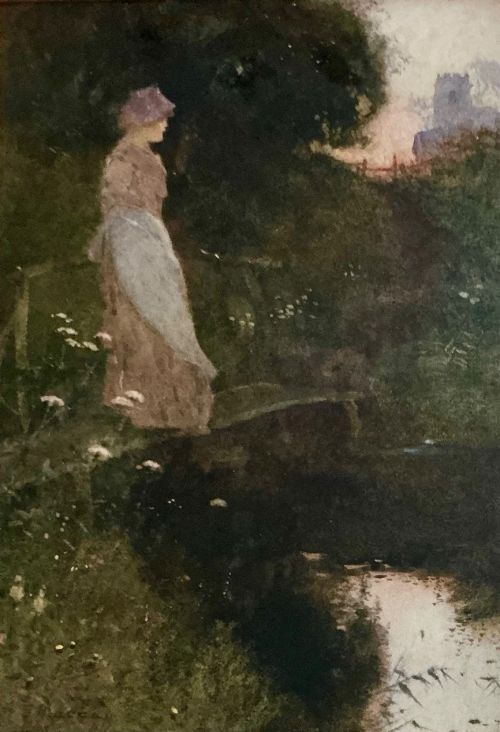
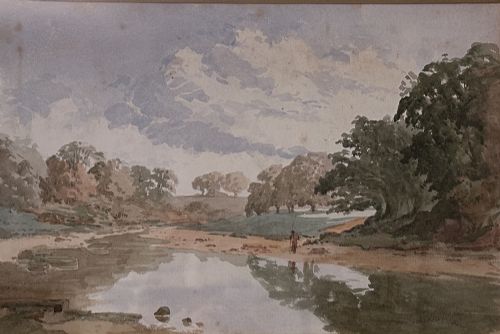
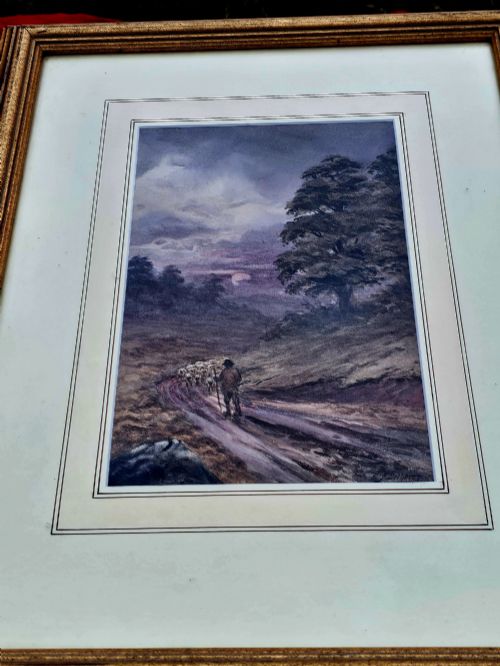
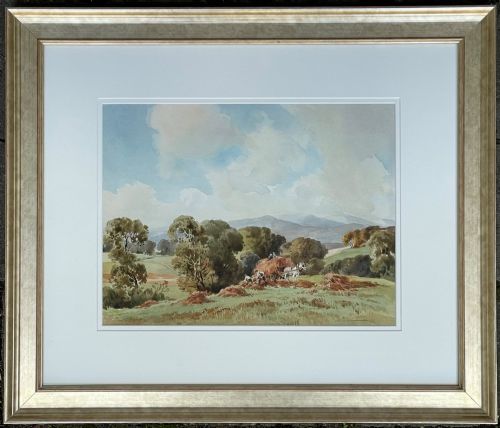
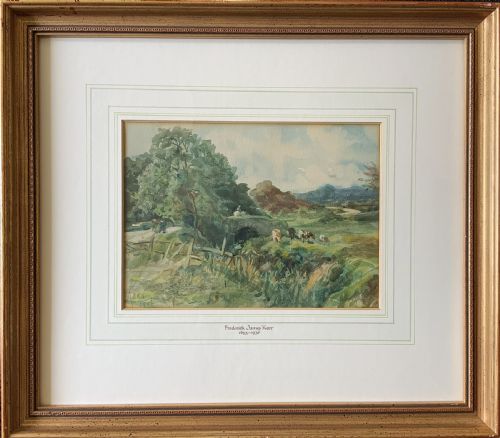
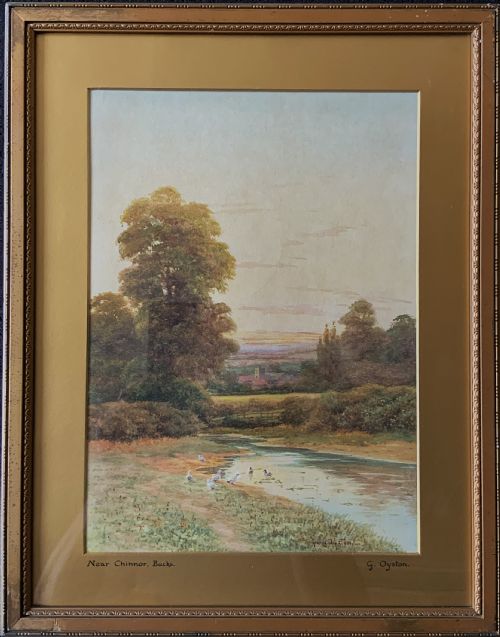
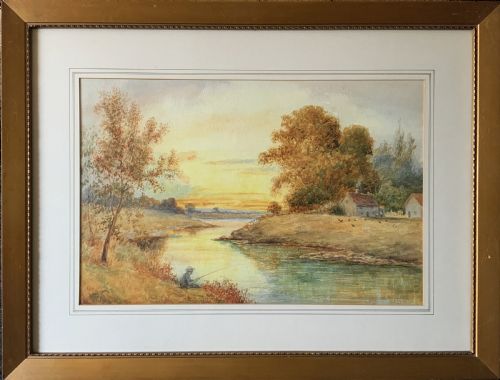
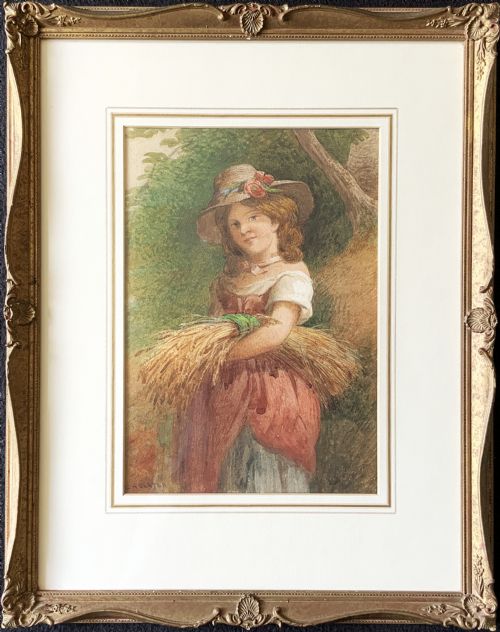
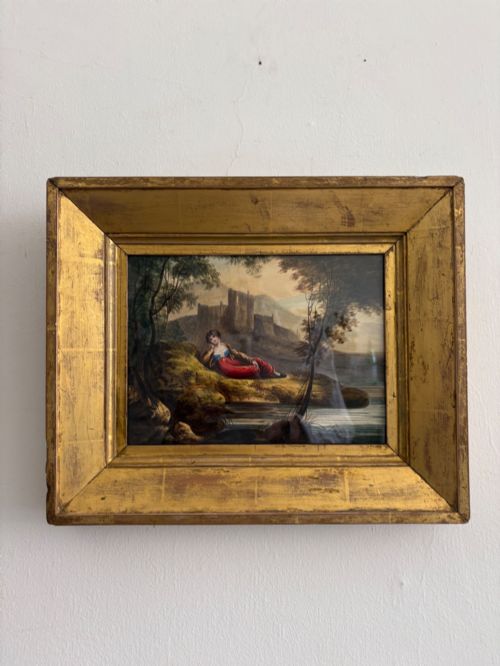
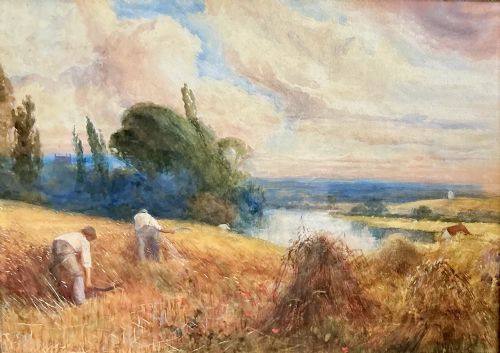
A framed pastoral watercolour depicts traditional rural and agricultural scenes executed in water-based pigments on paper. These works capture countryside life, featuring figures herding livestock, harvesting crops, and resting near rivers or thatched cottages.
The selections span from the eighteenth century through the Victorian and Edwardian eras up to the nineteen-thirties. You will frequently encounter nineteenth-century British and Irish school paintings alongside Edwardian pastoral depictions.
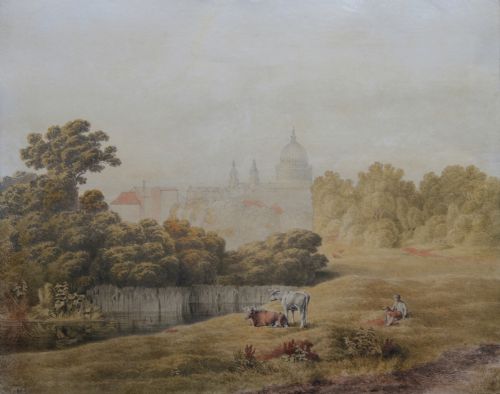
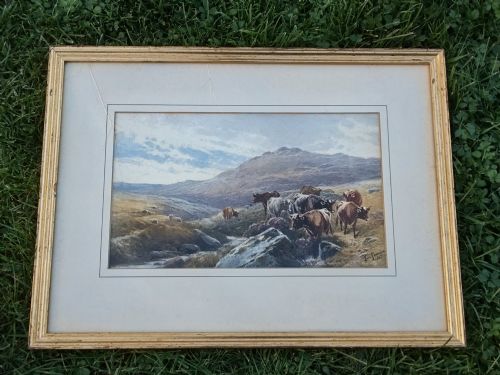
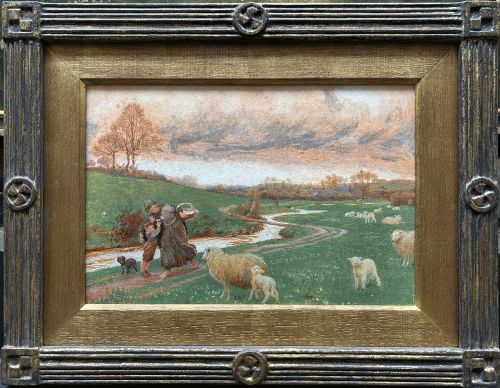
Common compositional themes involve cattle watering, sheep driven to market, and hay-making scenes. These paintings record an idealized view of agrarian life created by artists working during periods of industrial change.
Materials and technique
Artists applied watercolour pigment onto paper sheets using varying washes to create atmospheric effects of light and weather. These water-soluble pigments allowed for translucent layering, capturing delicate tones in skies and waterways.
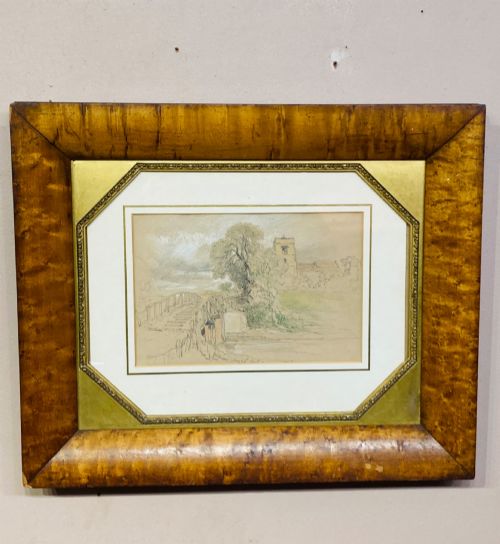
Works are typically enclosed behind glass to protect the delicate paper surface from atmospheric moisture and dust. Original surrounds commonly incorporate wood frames, frequently enhanced with gold leaf or gilt details.
Framed Pastoral Watercolour Retail Price Guide 2026
Typical asking prices for framed pastoral watercolour among the pieces listed under this phrase on Sellingantiques today, from the lower quarter to the upper quarter. They describe what is for sale here now, not the wider market.
Common subject matter across the selection includes cattle driving, sheep herding, river landscapes, and farm labourers resting during harvest.
What separates examples
Quality rests upon the artist's handling of pigment transparency and the precision of detail within the landscape. Masterly control over light and shadow distinguishes accomplished works from simpler decorative sheets.
The retention of original mounts and period gilt wood frames contributes significantly to the integrity of the piece. Well-preserved works maintain vibrant pigment tones without excessive fading from past exposure to light.
Percy Lancaster·EJ Letheren·Th Thibault·Frederick Walker·George Oyston·Frederick James Kerr·Charles Henry Slater·Frederick Hines·Philip Richard Morris·Oswald Garside·Cornelius Pearson·Henry Charles Fox·Henry John Kinnaird·James William Booth·Frederick Septimus Lewis·Ernest Pile Bucknall·Thomas Hunn·James Hardy Junior·Francis Wheatley·Robert Thorne Waite·John Atkinson·Helena Maguire·Alfred Grey·George Soper·Edmund George Warren
The Framed Pastoral Watercolour Glossary
- Watercolour
- A paint consisting of colorants suspended in a water-soluble vehicle. This medium allows artists to achieve delicate washes and transparent layers on paper.
- Gilt Wood
- Wood that has been treated with a thin layer of gold leaf or metallic gilt paint. This finish frequently decorates nineteenth-century picture frames.
- Pastoral
- A genre of art depicting rural life, shepherds, and agricultural landscapes in an idealized manner. These scenes focus on harmony between humans, animals, and nature.
- Pre-Raphaelite Movement
- An association of English painters formed in the mid-nineteenth century emphasising detailed observation and bright colours. Adherents rejected rigid academic rules in favour of direct connection to nature.
- Edwardian Period
- The era spanning the reign of King Edward VII from nineteen hundred to nineteen ten. Fine art from this time often retained Victorian narrative qualities while exploring lighter palettes.
Framed Pastoral Watercolour: Frequently Asked Questions
How should I hang a watercolour painting?
Watercolours are sensitive to direct sunlight, which can cause pigments to fade over time. Position your framed piece away from unshaded windows and bright heat sources to protect the paper.
Ensure the wall fixings are secure and appropriate for the weight of the timber and glass frame. Maintain stable indoor humidity levels to prevent warping in the wooden moulding.
What is the difference between Victorian and Edwardian works?
Victorian watercolours often lean toward detailed, highly finished moral or narrative rural scenes with rich, heavy tones. They reflect a period of industrial expansion where country life was viewed with nostalgic affection.
Edwardian pieces, created around the turn of the twentieth century, tend to feature looser brushwork and brighter palettes. Artists of this later era explored impressionistic handling of light across fields and rivers.
Are these paintings original works?
The listings comprise original hand-painted watercolours on paper rather than modern mechanical reproductions. Each piece represents a unique execution by the artist's hand using pigment and brush.
Signatures, dates, and inscriptions often appear on the front or reverse, helping to establish authorship and the period of creation.
Why are most pieces framed?
Framing serves to protect fragile paper surfaces and watercolour pigments from dust, handling, and airborne moisture. Glazing provides a necessary physical barrier for works created without the durable canvas support of oil paintings.
Period frames also complement the aesthetic of the artwork, often featuring original gilt wood mouldings selected to match the era of the painting.