
Framed Paper Illustration Art
Framed paper illustration art brings together centuries of delicate draughtsmanship, historic prints, and watercolours preserved beneath glass in wood frames.
Framed Paper Illustration Art
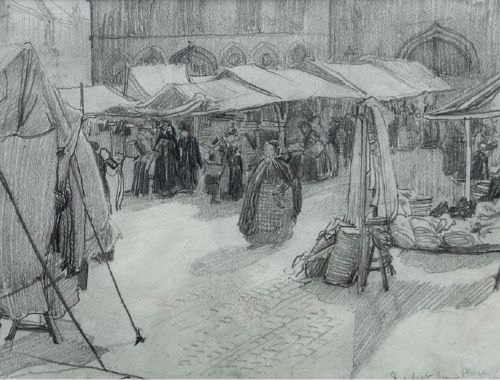
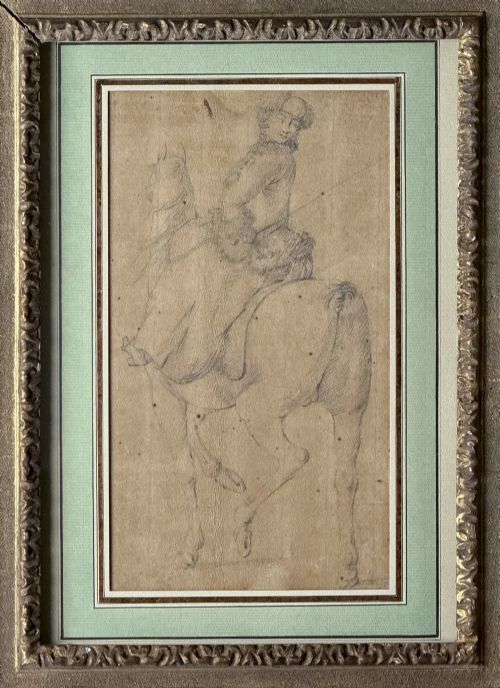
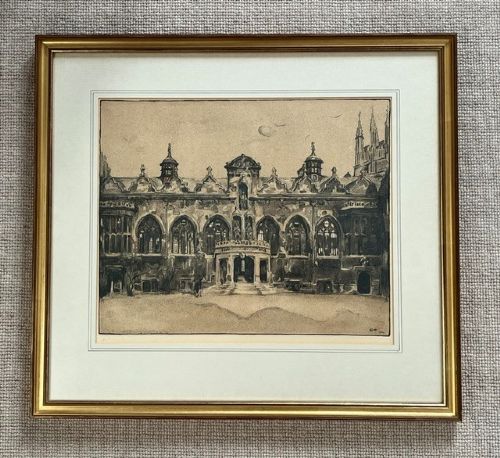
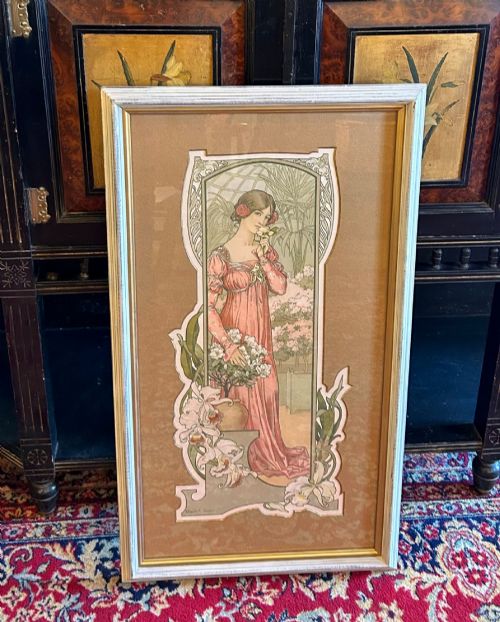
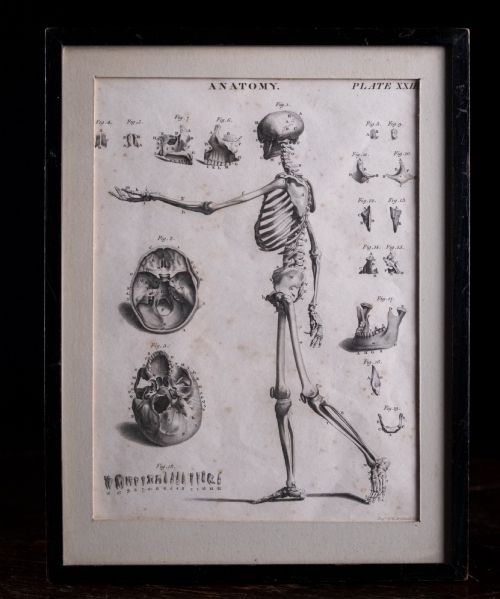
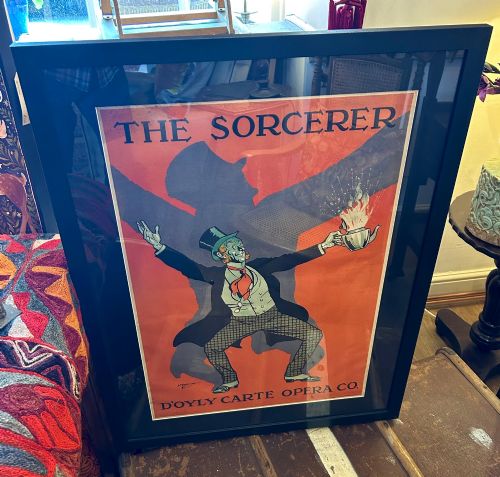
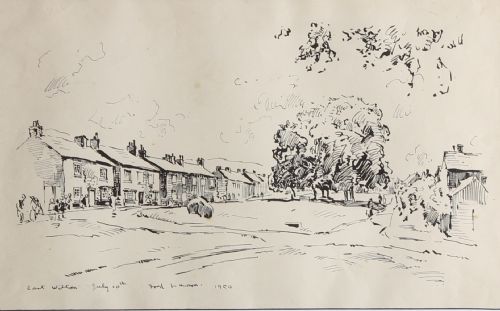
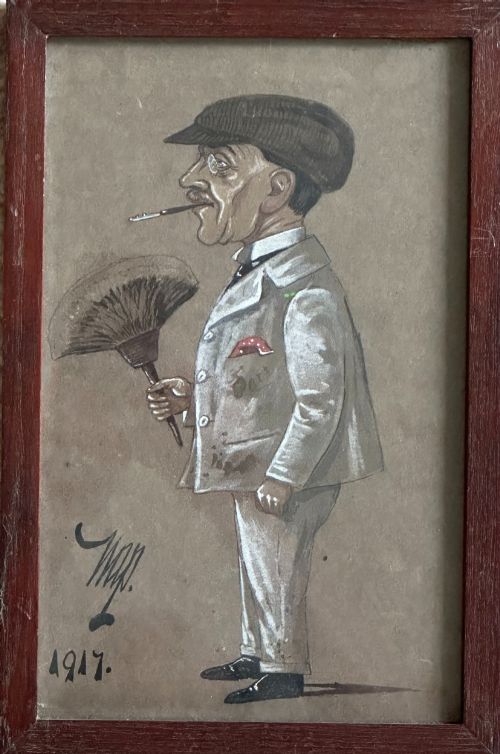
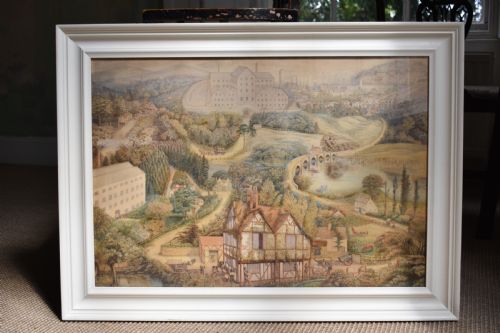
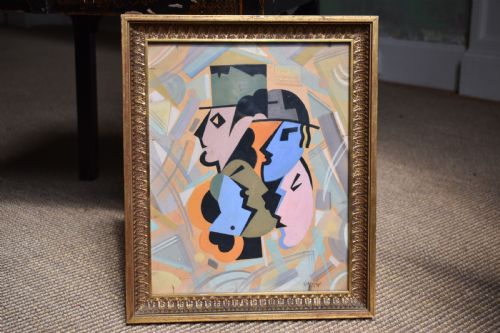
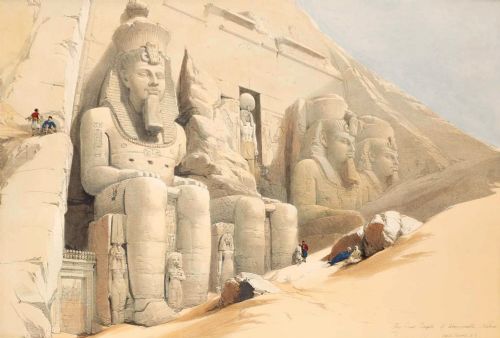
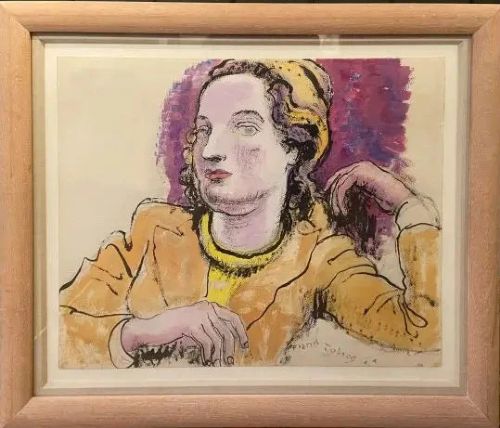
Framed paper illustration art encompasses historical drawings, watercolours, gouache paintings, and antique prints spanning from the eighteenth century through the mid-twentieth century. Buyers searching this phrase encounter diverse subjects ranging from botanical and anatomical studies to architectural scenes, caricatures, and theatrical posters.
The selections on this page frequently highlight early twentieth-century illustration alongside nineteenth-century works and eighteenth-century Northern European or Chinese export pieces. Forms vary from single framed drawings and lithographs to decorative sets of prints and watercolours.
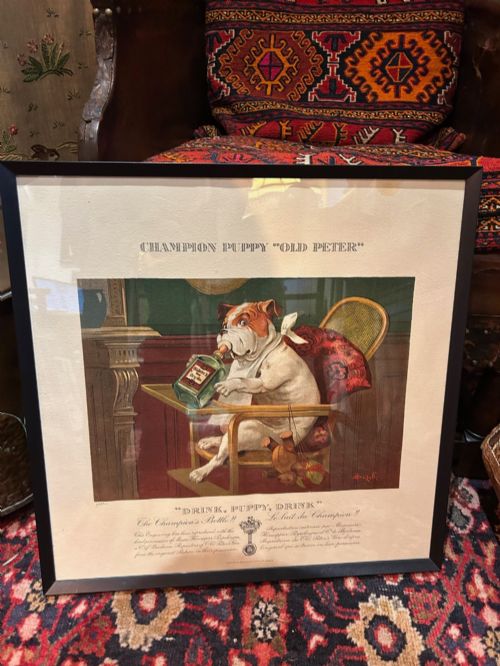
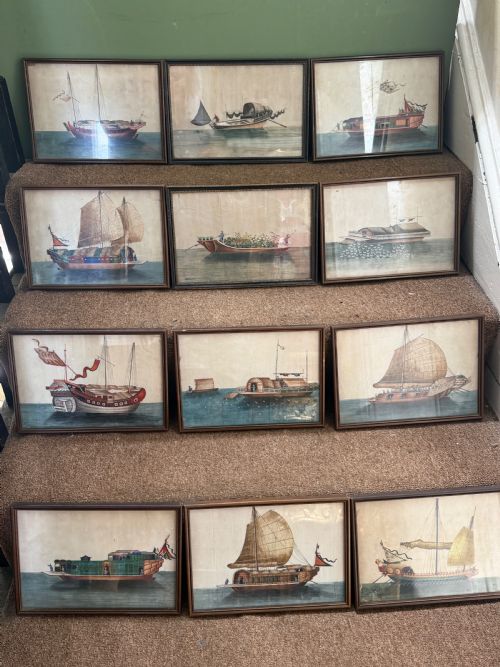
Originating from varied global traditions, these works capture domestic scenes, military portraits, and whimsical animal studies executed on paper, card, and pith paper. Each piece relies on its original period framing and glass to protect the fragile surface from environmental wear.
How they were made
These works rely on traditional drawing and printing media applied directly to paper, card, cardboard, or pith paper. Artists and draughtsmen utilised ink, pencil, pastel, watercolour, and gouache, often layering washes to build depth and tone.
Printed examples incorporate lithography, etching, and engraving techniques to reproduce detailed imagery such as botanical plates, fairy tales, and theatrical advertisements. Finished sheets were then secured within timber frames behind protective glass.
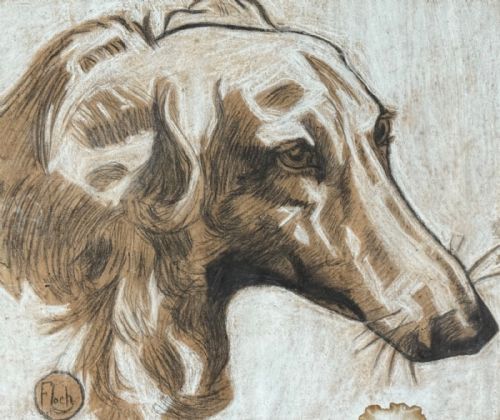
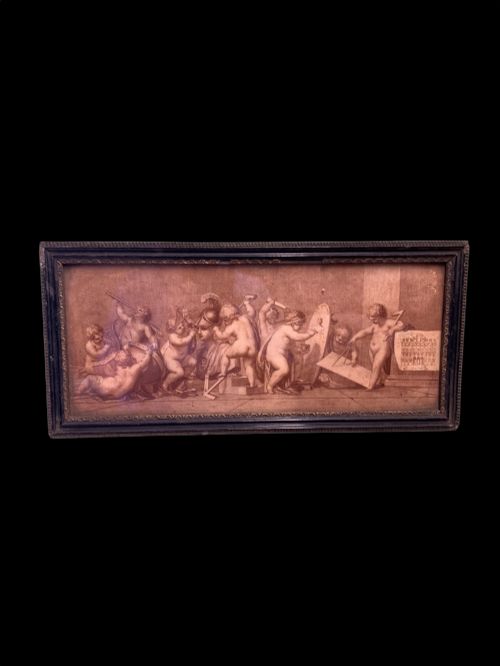
A solitary stack of books sketched by Cecil Beaton shares space with fierce eighteenth-century cupids and a borzoi dog.
What varies in quality
The distinction between standard examples and exceptional works lies in the sureness of the draughtsmanship and the expressive strength of the medium. Confident brushwork in watercolour or precise linework in ink elevates a drawing beyond a routine study.
Preservation of the paper surface and the integrity of the original framing elements influence the overall standing of a piece. Stronger examples retain their pigment saturation without excessive fading or discoloration of the paper support.
Henry Percy Huggill·Sir William Nicholson·Elisabeth Sonrel·Andrew Bell·Marcellin Auzolle·Fred Lawson·David Roberts·Frank Dobson·Frédéric Chopin·Ludwig van Beethoven·Snaffles·Louis Icart·Cecil Beaton·Ralston Gudgeon·Warwick Goble
The Framed Paper Illustration Art Glossary
- Gouache
- An opaque water-based paint that provides solid, matte areas of colour in illustrative works. It is frequently combined with watercolour or ink on paper.
- Lithography
- A planographic printing process based on the repulsion of oil and water, widely utilised for posters and book illustrations.
- Pith paper
- A delicate material formed from the pith of the Tetrapanax papyrifer plant, commonly used for nineteenth-century Chinese export paintings.
- Etching
- A printmaking technique where lines are bitten into a metal plate with acid before being inked and pressed onto paper.
Framed Paper Illustration Art: Frequently Asked Questions
How should I hang framed paper art?
Keep framed paper works away from direct sunlight to prevent the inks, watercolours, and paper supports from fading over time.
Position them on interior walls where room temperature and humidity remain relatively stable.
Are these pieces original works?
The selection includes a mixture of unique hand-drawn illustrations, watercolours, and period-printed editions from various centuries.
Check individual listings to determine whether a specific item is an original drawing or an antique print.
What framing is typically included?
Most works come in period wooden frames protected by glass to shield the fragile paper surfaces from dust and handling.
Some frames reflect the specific stylistic eras of the artwork, such as Art Deco or Victorian mouldings.
How do I identify the period?
Dating relies on stylistic clues, artist signatures, printing techniques, and the type of paper or card used in the construction.
18th-century and 19th-century pieces often display distinct paper textures and handwriting compared to 20th-century works.