
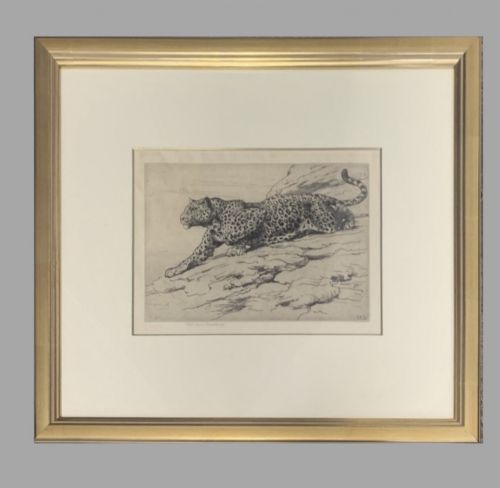
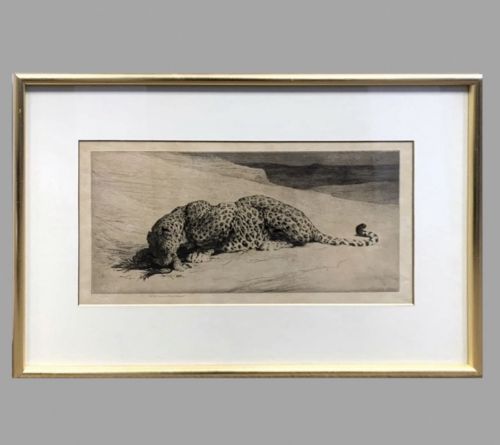
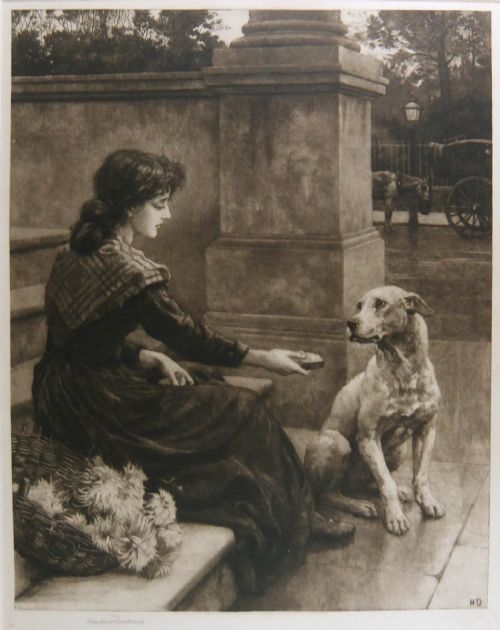
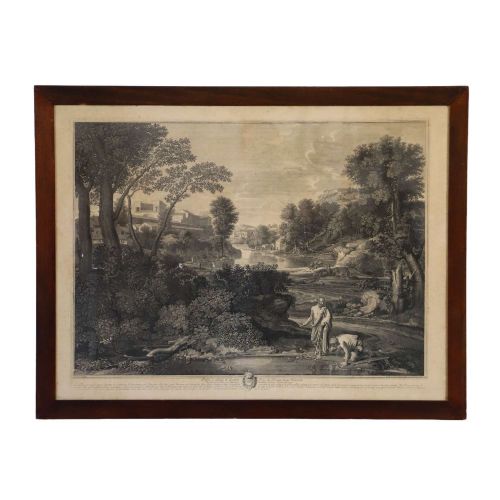
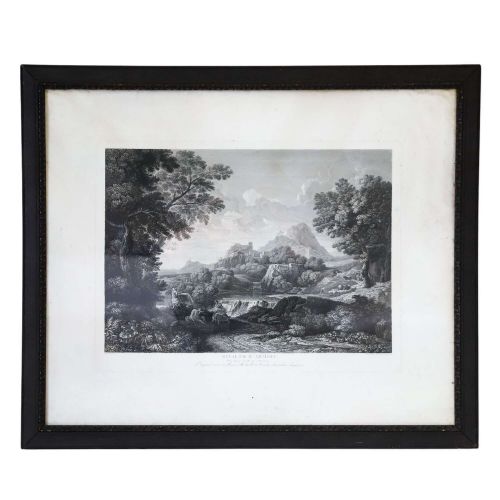
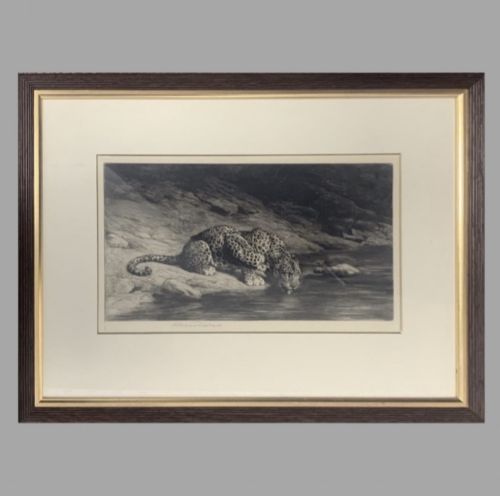
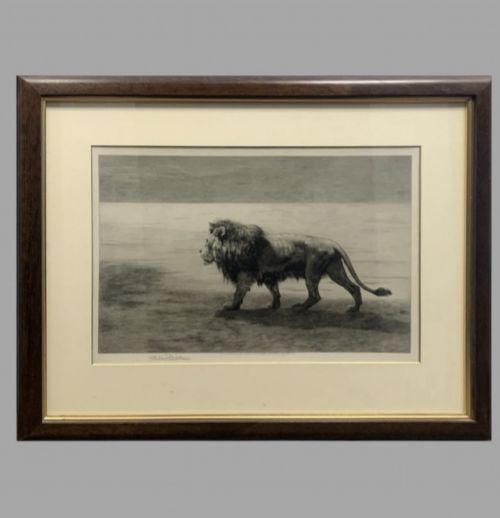
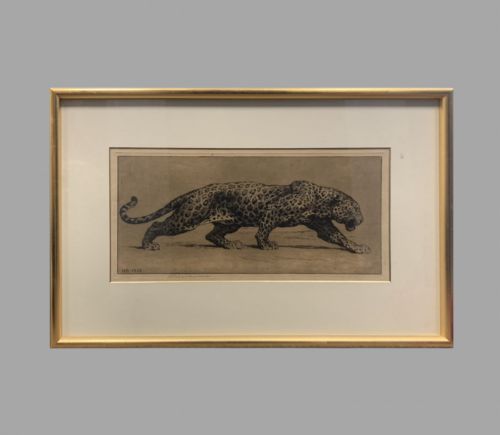
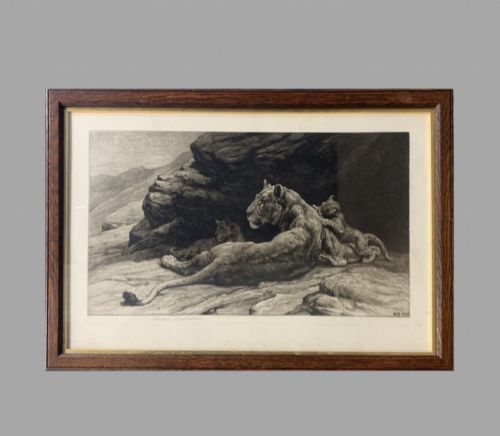
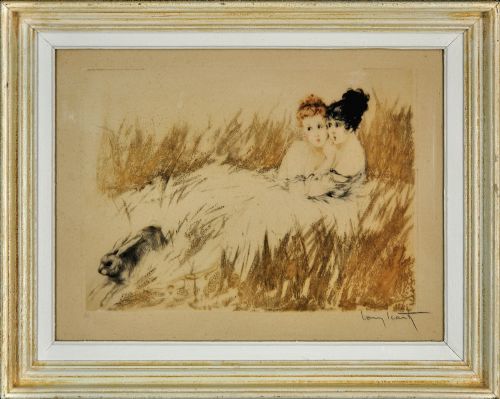


Framed Original Etching
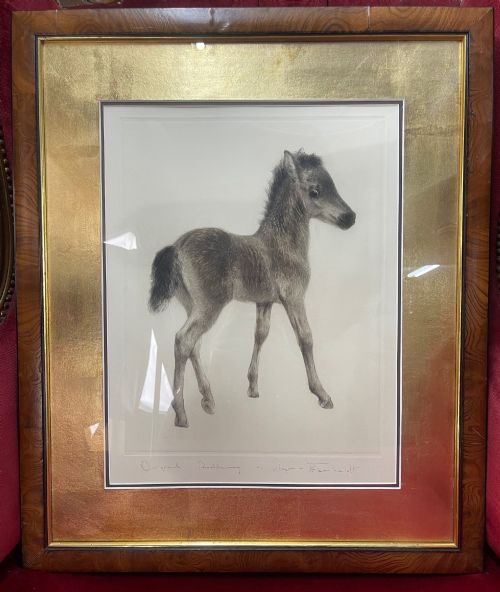
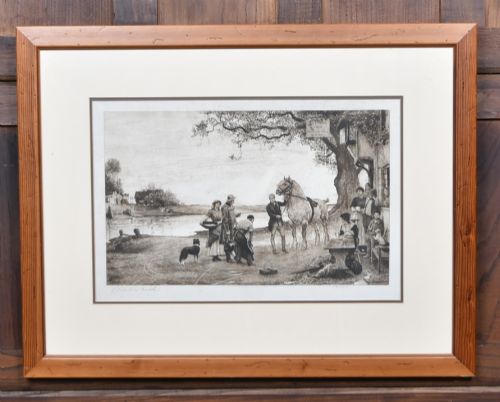
When you search for a framed original etching, you find ink on paper or vellum held behind glass in period timber.
Framed Original Etching
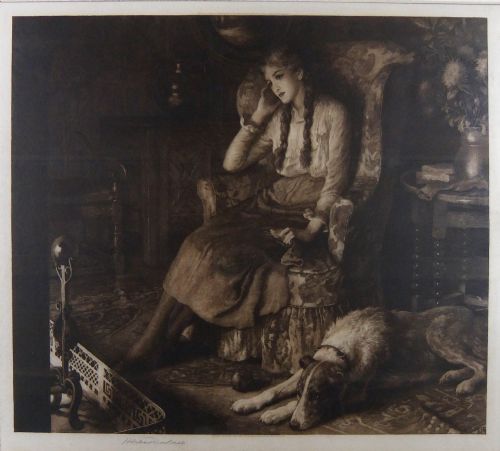
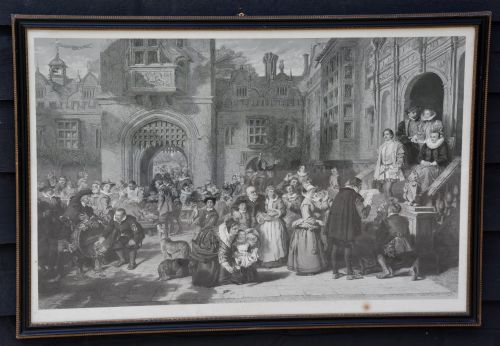
A framed original etching brings ink and paper together inside protective glass and timber surrounds. Buyers searching this phrase encounter prints created through metal plate biting, drypoint scoring, or engraving.
The selection on this page leans heavily toward twentieth-century and nineteenth-century examples, spanning Victorian, Edwardian, and Art Deco aesthetics. Subjects range from animal studies and architectural scenes to classical landscapes.
Makers and artists recorded in the titles include Herbert Dicksee, Louis Icart, and Francis Dodd. These works often survive within their original wood, gilt wood, or hogarth frames.
Materials and technique
Makers utilised metal plates, working the surface with acid baths in traditional etching or sharp steel needles in drypoint. Ink was pressed into these scored lines before being transferred under pressure onto damp paper or vellum.
Finished plates were mounted behind glass and secured inside timber housings, including oak and gesso-moulded gilt frames. Some examples incorporate gold leaf accents or hand-applied washes of colour over the printed ink.
The listings on this page span periods from the eighteenth century through to the twentieth century, incorporating paper, vellum, oak, and gilt wood.
What varies in quality
The strength of the impression dictates visual depth, separating sharp, early proofs from worn later printings where the fine burr of a drypoint line has softened. Crisp ink transfer depends entirely on the condition of the metal plate during printing.
Framing integrity also alters the piece, as original period surrounds like Hogarth moulding or carved gilt wood retain historical context. Conservation standards matter, particularly regarding the stability of paper and vellum beneath glass.
Kurt Meyer Eberhardt·Robert W Macbeth·Herbert Dicksee·Étienne Baudet·Louis Icart·Anne Goldthwaite·Augustus Edwin John·James Dobie·Francis Dodd·Edgar J Maybery·Albert Terry·Frank Greenwood·Deidre Borlase·Victor Valery·Petrus Johannes Arendzen
The Framed Original Etching Glossary
- Drypoint
- A printmaking technique where an artist scratches directly into a metal plate with a sharp steel needle. This process raises a rough ridge of metal called a burr, which holds extra ink to create velvety lines.
- Vellum
- A fine parchment prepared from calfskin, offering a smooth, durable surface for ink. Etchings pulled on vellum often display rich tonal depth.
- Etching
- A process where acid bites lines into the exposed metal of a plate coated with an acid-resistant ground. The resulting recessed lines hold the ink for printing.
- Artist proof
- A trial proof printed for the artist outside of the numbered edition. These carry personal significance and often feature pencil signatures.
Framed Original Etching: Frequently Asked Questions
What is an original etching?
An original etching is a print pulled directly from a metal plate that the artist drew upon and etched themselves. It differs fundamentally from a mechanical reproduction because each impression carries physical evidence of the printing process.
Buyers find these works preserved behind glass, often retaining the distinct plate mark where the edge of the metal pressed into the paper.
How do I care for framed paper?
Framed paper and vellum require protection from direct sunlight to prevent the ink and ground from fading over time. Maintaining stable indoor humidity levels prevents the paper support from warping within the frame.
Original glass should be cleaned with care, avoiding liquid sprays that might seep beneath the rebate and damage the artwork.
How can I tell the period?
Dating relies on stylistic clues within the imagery, the framing materials, and any signatures or inscriptions recorded on the paper. Edwardian and Victorian examples often feature distinct subject matter and typography compared to Art Deco pieces.
Examine the reverse of the frame for old labels, framer stamps, or provenance marks that indicate when the work was assembled.
Are these works signed?
Many examples feature signature markings in pencil along the lower margin beneath the image area. Artists such as Herbert Dicksee and Louis Icart routinely signed their limited edition art proofs by hand.
Unsigned print runs also exist, representing published editions rather than artist proofs, though both forms appear within these historical categories.