

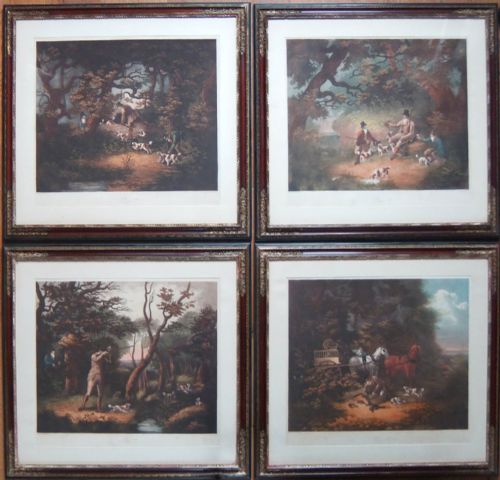
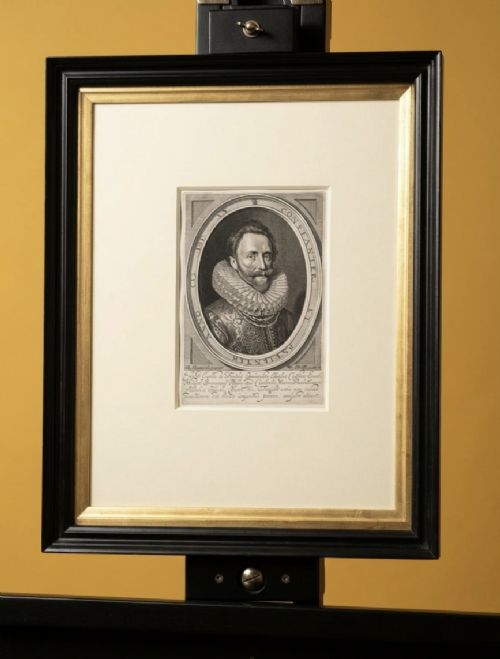
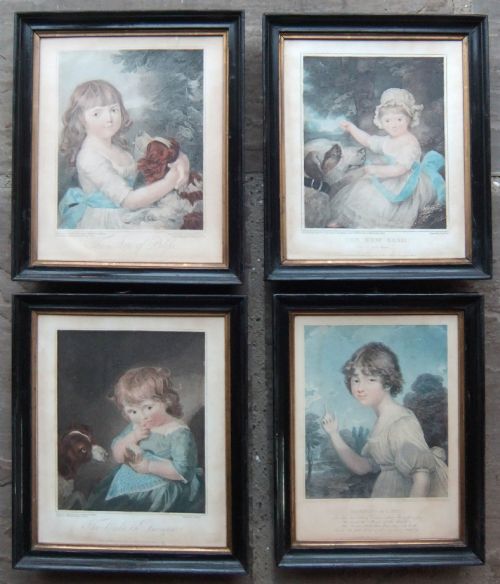
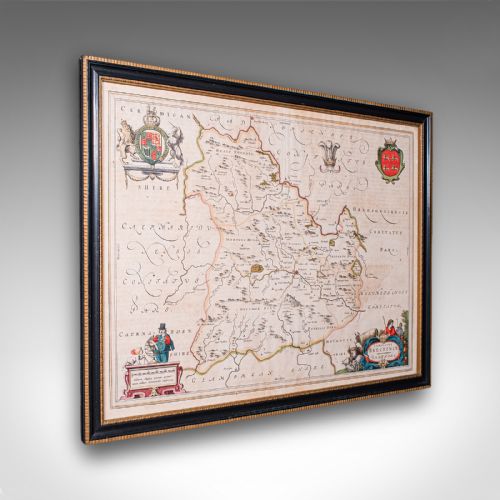
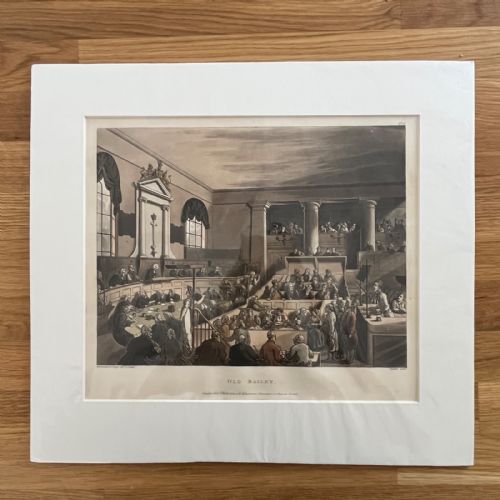
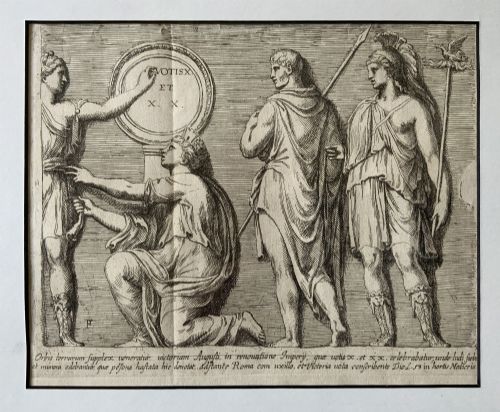
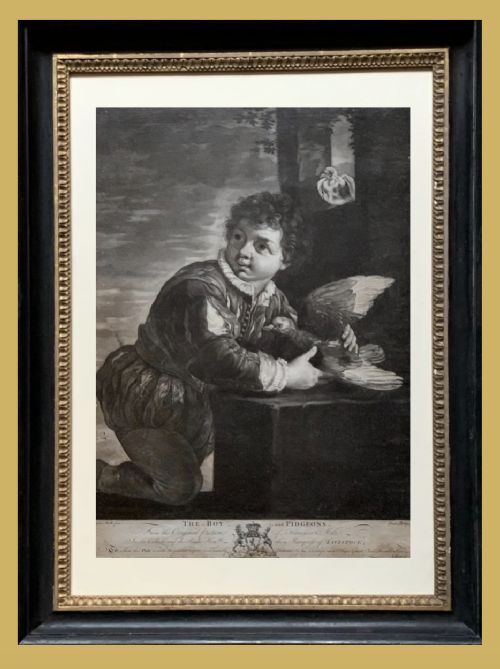
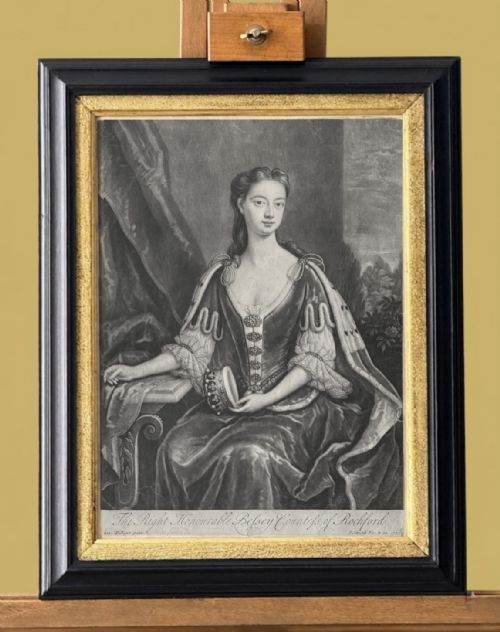


Framed Old Prints
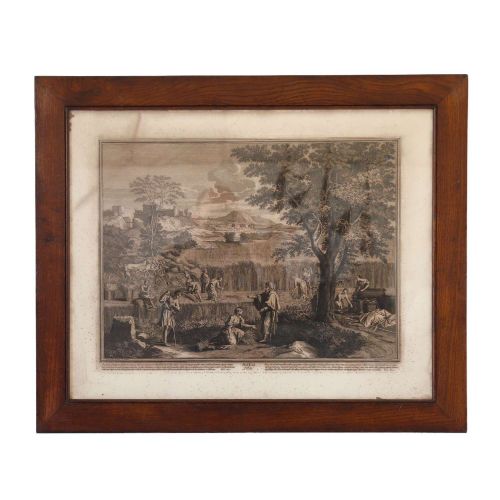
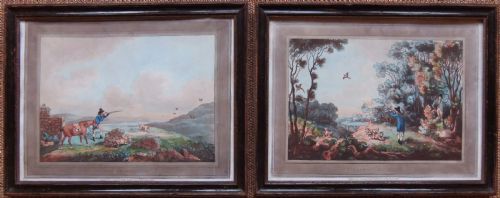
These framed old prints range from seventeenth-century Dutch cartography to nineteenth-century sporting scenes, offering historical character and decorative presence for any wall.
Framed Old Prints
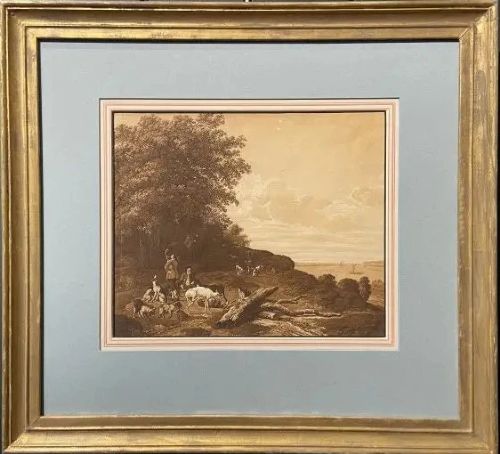
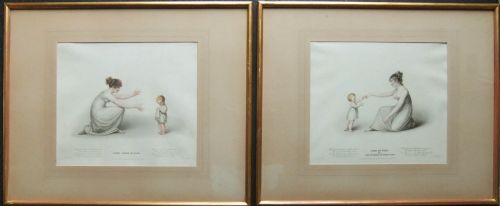
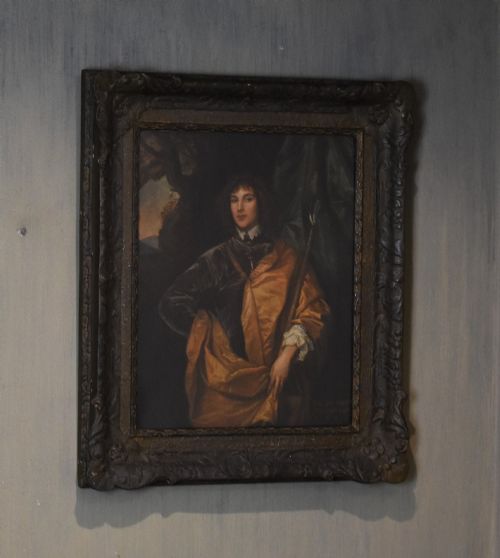
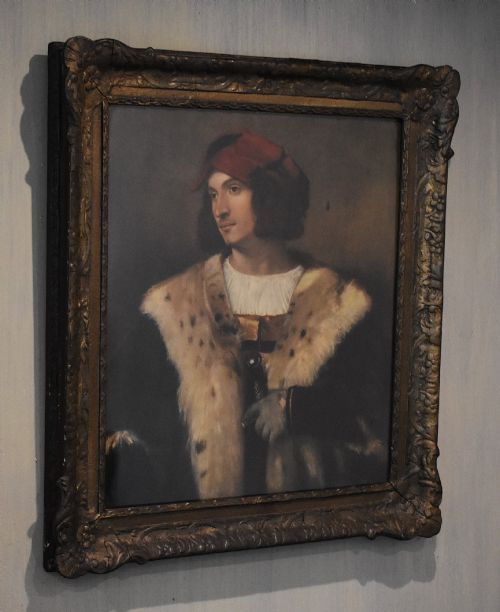
When you search for framed old prints, you encounter a diverse collection of wall art, antique maps, engravings, etchings, and mezzotints spanning multiple centuries. The selection includes seventeenth-century classical works, eighteenth-century portraits, and nineteenth-century sporting pairs or topographical views.
Most pieces you meet on this page date from the eighteenth and nineteenth centuries, alongside earlier seventeenth-century maps and etchings. These artworks arrive already housed in period frames, often utilising wood, glass, and gold leaf.
Subjects range widely from cartography and religious allegories to animal portraits and pastoral scenes. You will find single sheets as well as matched pairs and sets of four.
Materials and construction
These works rely on traditional printmaking techniques executed on paper using ink and sometimes watercolour additions. Methods include etching, engraving, lithography, and mezzotint, which produce varying line weights and tonal depths.
The frames accompanying these pieces are constructed from wood, frequently finished with gilt wood, gold leaf, or simple dark moulding. Glazing typically involves glass, occasionally curved or dome-fronted to protect the delicate paper surface within.
Framed Old Prints Retail Price Guide 2026
Typical asking prices for framed old prints among the pieces listed under this phrase on Sellingantiques today, from the lower quarter to the upper quarter. They describe what is for sale here now, not the wider market.
Listings feature paper, glass, wood, gold leaf, and watercolour across Georgian, Regency, Victorian, and Baroque styles.
Judging quality
Quality in these works rests upon the clarity of the impression and the fidelity of the print to the original plate or drawing. Early impressions display sharp lines and rich contrasts, whereas worn plates yield softer, muddier results.
The relationship between the artwork and its frame also dictates desirability, particularly when original gilding and glass remain intact. Period frames that complement the exact date and style of the print elevate the overall integrity of the piece.
Joan Blaeu·François Perrier·John Boydell·John Smith·Robert Sayer·John Cary·Claes Jansz Visscher
The Framed Old Prints Glossary
- Mezzotint
- A printmaking process of the intaglio family where the plate is roughened to produce rich dark tones and subtle gradations of light. This technique allows for smooth portraits and atmospheric scenes.
- Etching
- A method where lines are bitten into a metal plate with acid before ink is applied for printing. It produces fine, fluid lines characteristic of many old master works.
- Cartography
- The science or practice of drawing maps, represented here by antique regional maps from early cartographers. These pieces often feature decorative cartouches and contemporary hand-colouring.
- Gilt wood
- Wood that has been treated with a thin layer of gold leaf or gold paint. It frequently appears on traditional frames from the seventeenth to the nineteenth centuries.
- Intaglio
- A category of printmaking where the ink sits below the surface of the plate, including both engravings and etchings. Pressure forces damp paper into the incised grooves to pick up the ink.
Framed Old Prints: Frequently Asked Questions
How do I date an old print?
Dating relies on the paper type, plate marks, typographical style, and any publisher inscriptions or dates embedded within the image. Stylistic cues from the period of execution also provide a reliable guide.
Matching the frame to the era of the print helps confirm authenticity, though frames are sometimes replaced later in a piece's history.
What is a mezzotint?
A mezzotint is a tonal printmaking method that creates smooth gradations of light and shadow without using traditional line work. Artists roughen the metal plate entirely to achieve deep blacks before scraping away areas for highlights.
This technique became especially popular for reproducing oil paintings, particularly portraits during the eighteenth century.
Are these prints original?
The listings comprise original period printings, etchings, engravings, and maps from their respective centuries rather than modern reproductions. Each piece reflects the printing technology and materials of its specific era.
Examination of the paper texture, ink distribution, and plate impressions generally confirms the period of production.
How should I hang framed old prints?
Protect antique paper prints from direct sunlight to prevent fading of the ink and watercolour pigments. Keep them away from damp environments to avoid foxing and paper degradation.
Secure hanging hardware suitable for the weight of wooden and gilt frames ensures the safety of both the frame and the glass.