

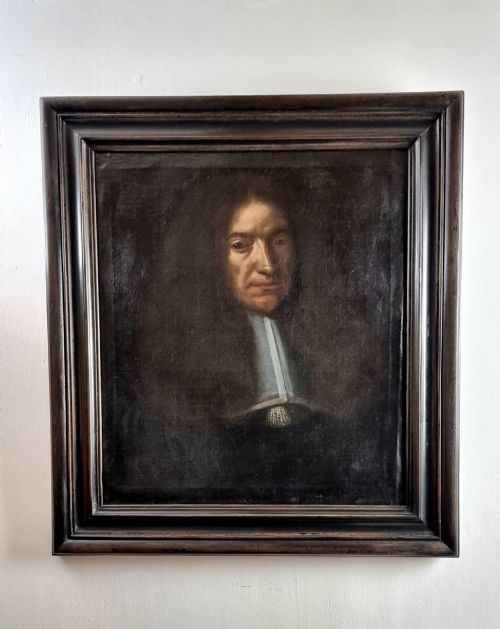
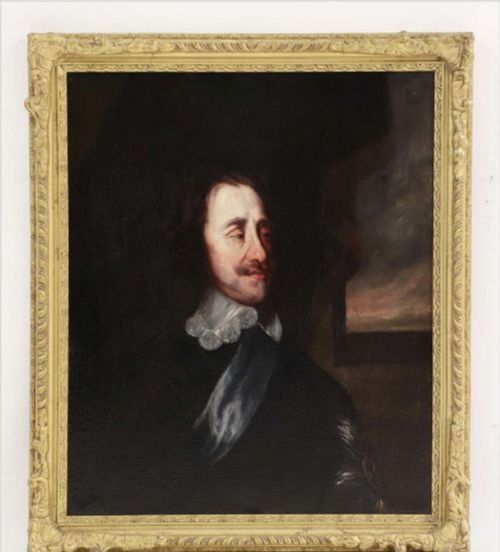
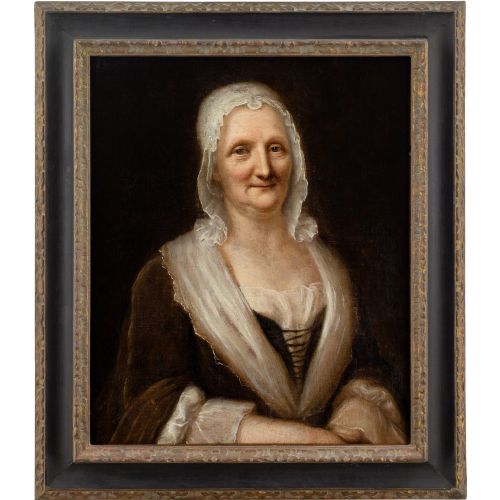
Framed Old Master Portrait
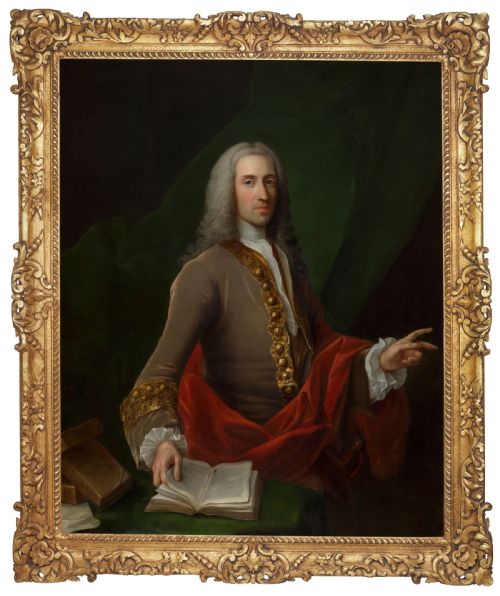
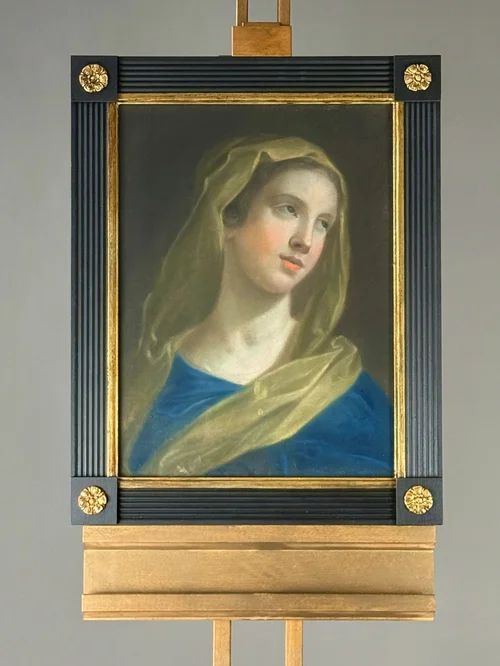
When you search for a framed old master portrait, you encounter centuries-old canvases and panels depicting European nobility, saints, and scholars.
Framed Old Master Portrait
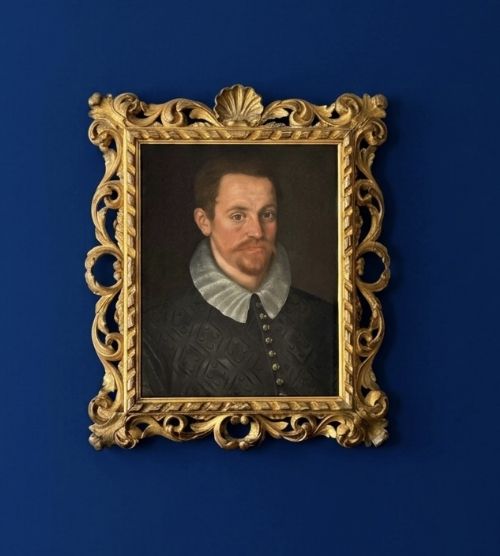
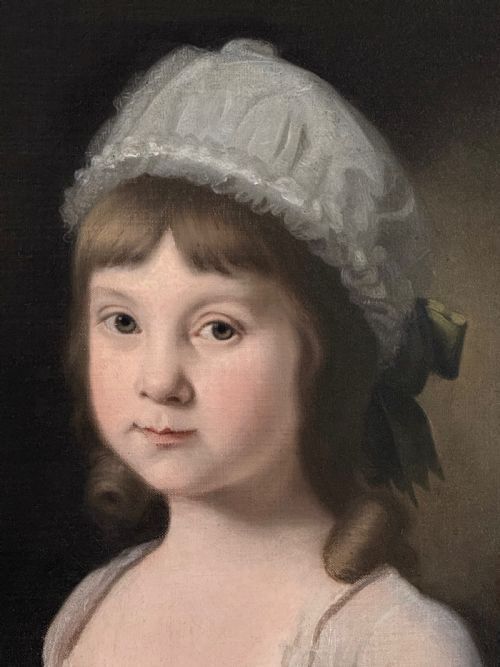
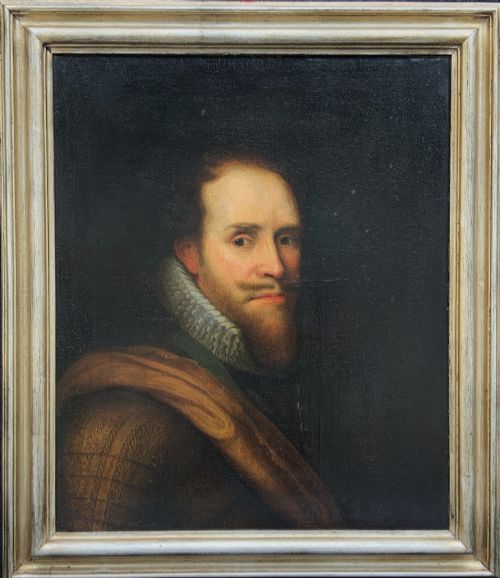
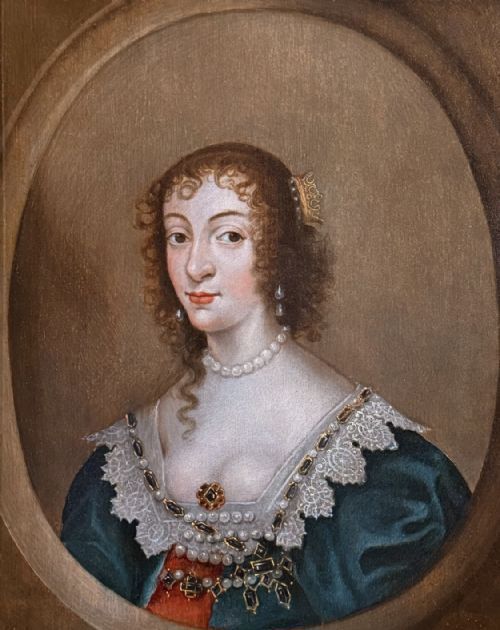
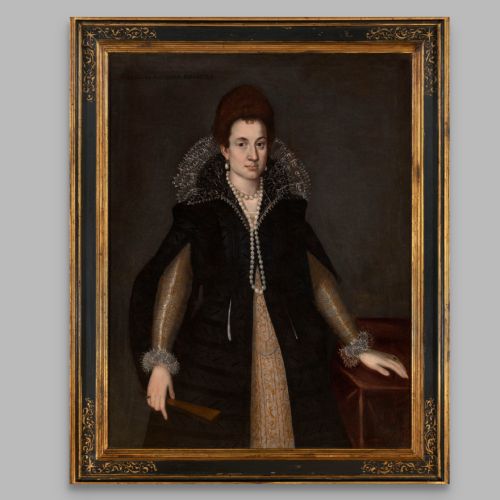
A framed old master portrait is a historical painting executed between the sixteenth and eighteenth centuries, typically capturing likenesses of sitters from the Italian, Dutch, Flemish, French, and English schools. These works range from formal depictions of noblewomen and gentlemen in elaborate ruffs to intimate portrayals attributed to school circles and regional workshops.
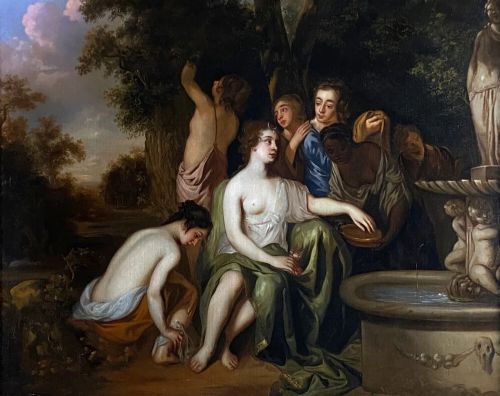
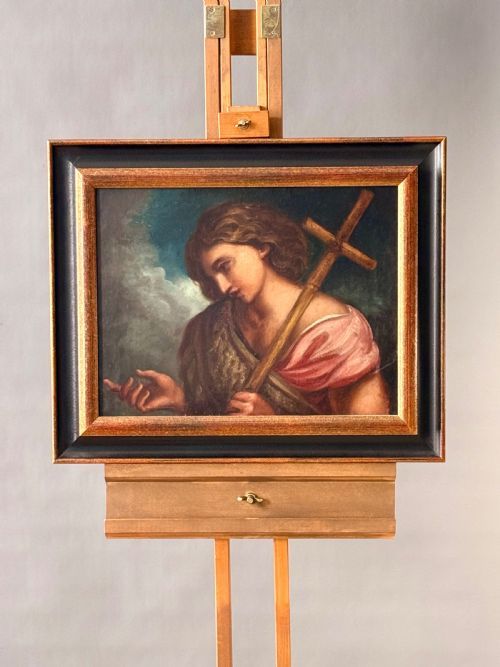
Buyers on this page most frequently meet seventeenth-century oil paintings and eighteenth-century works housed within period giltwood frames. The subjects include monarchs, judges, and religious figures rendered in Baroque and Renaissance styles.
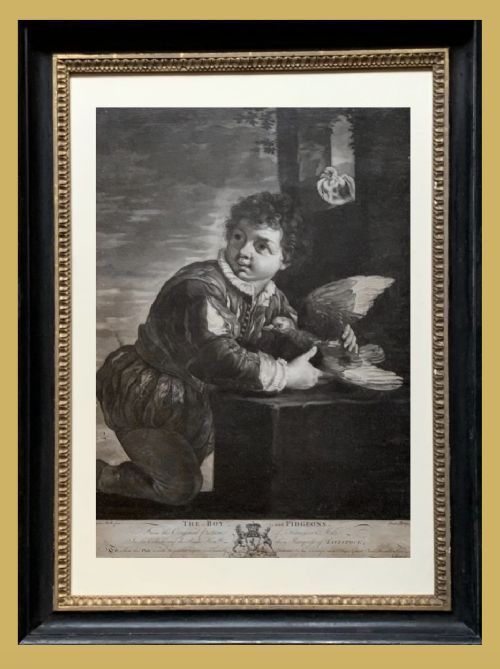
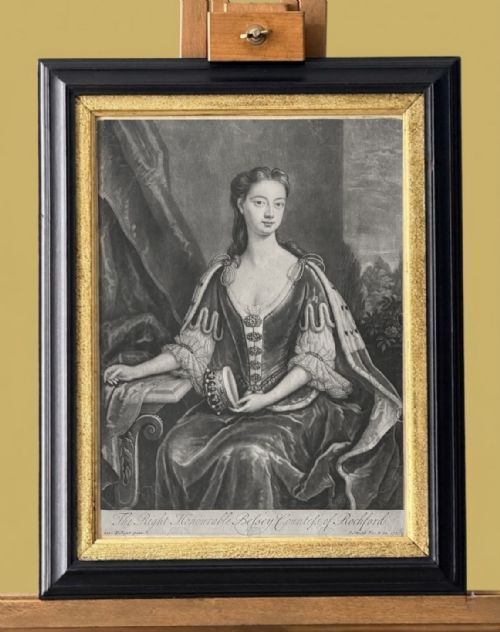
The selection encompasses both direct workshop productions and later fine prints or mezzotints after established masters such as Van Dyck and Sir Peter Lely.
How they were made
Painters of this era applied oil paint to stretched canvas or prepared wooden panels, layering pigments to achieve depth in garments and flesh tones. Many pieces utilise rich binders that have darkened gracefully over centuries, creating the characteristic tonal warmth associated with the period.
The object types recorded across these selections include fine art paintings, portrait paintings, wall art, and historical mezzotint prints.
What varies in quality
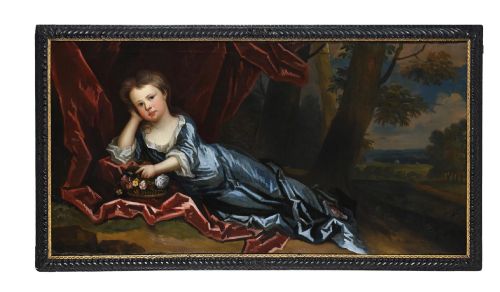
The distinction between works rests upon the handling of anatomy, the subtlety of light across fabrics like satin or velvet, and the closeness of the hand to a named master or documented workshop. Pieces created by the primary hand of an artist or their immediate studio exhibit superior brushwork in the rendering of hands and facial expressions compared to later provincial copies.
The preservation of the original canvas, panel, and gesso frame also influences the standing of a piece. Surviving examples with minimal overpaint and untouched historical surfaces command greater attention from collectors.
John Boydell·Pier Francesco Mola·Joshua Reynolds·Jeremiah Davison·Benedetto Luti·John Smith·Charles D'Agar·Van Dyck·Pietro Fachetti·Bernardino Luini·Pieter Borseler·Adriana Verelst·David Teniers The Younger·Sir Anthony Van Dyck·Frans Hals·James Maubert·Nicolaes Maes·Benvenuto Tisi·Francesco Solimena
The Framed Old Master Portrait Glossary
- Old Master
- A European artist of high skill working before the nineteenth century, or a painting created by such an artist. These works form the core of historical fine art collecting.
- Mezzotint
- A printmaking process where the copper plate is roughened to achieve rich dark tones and subtle tonal gradations. This technique was frequently used in the eighteenth century to reproduce famous oil paintings.
- Giltwood
- Wood carved and coated with gold leaf or gold paint. It provides the ornate framing typical of Baroque and Renaissance presentation.
- Ruff
- A prominent pleated collar worn in the sixteenth and seventeenth centuries. Its intricate folds serve as a useful indicator of period costume in portrait dating.
- Pentimento
- A visible trace of earlier painting beneath the layers of paint, showing where the artist changed their composition. This phenomenon confirms the authenticity of historical canvases.
Framed Old Master Portrait: Frequently Asked Questions
How do I identify a 17th-century portrait?
Look closely at the costume, hairstyle, and framing materials. Subjects often wear distinct garments such as lace ruffs, doublets, or satin gowns characteristic of the period.
The backing materials, stretcher bars, and underlying canvas weave also offer clues to the age of the execution.
What does circle of an artist mean?
This attribution indicates the painting was produced during the lifetime of the named master by someone working in their immediate stylistic orbit. These painters shared techniques and studio practices with the primary figure.
Such works reflect the direct influence of the master without necessarily bearing their signature.
Are original frames important?
Original or period-correct giltwood frames contribute significantly to the historical integrity of an old master portrait. They demonstrate how the artwork was presented and preserved across centuries.
Matching frames protect the edges of the canvas and complement the aesthetic of the Baroque or Renaissance era.
How should I care for an oil painting?
Keep the artwork away from direct sunlight, extreme temperature fluctuations, and high humidity. Stable indoor environments prevent the wood panel or canvas from warping and protect the old oil paint.
Dust the surface gently with a soft, dry brush and avoid using liquid cleaners on the canvas or the gilt frame.