
Framed Oil Wall Artwork
Framed oil wall artwork encompasses centuries of painted canvases and panels enclosed in timber and gilt mouldings, bringing historical depth and traditional portraiture into domestic spaces.
Framed Oil Wall Artwork
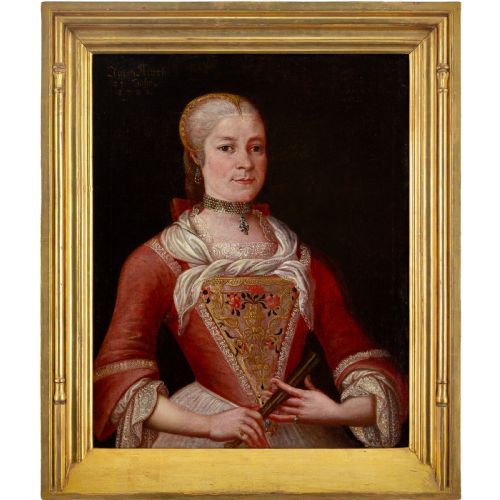
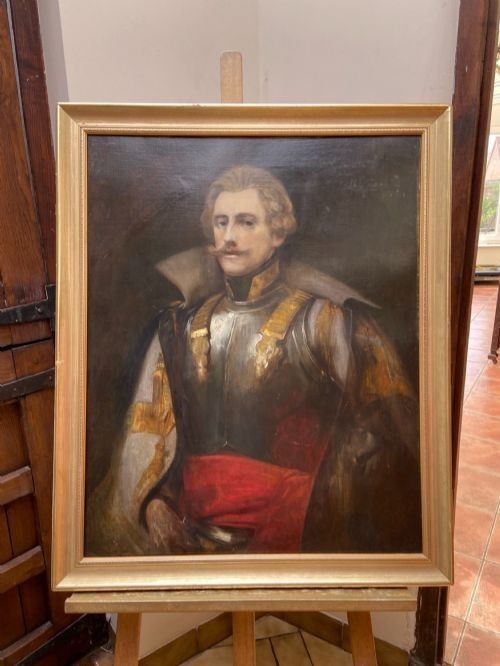
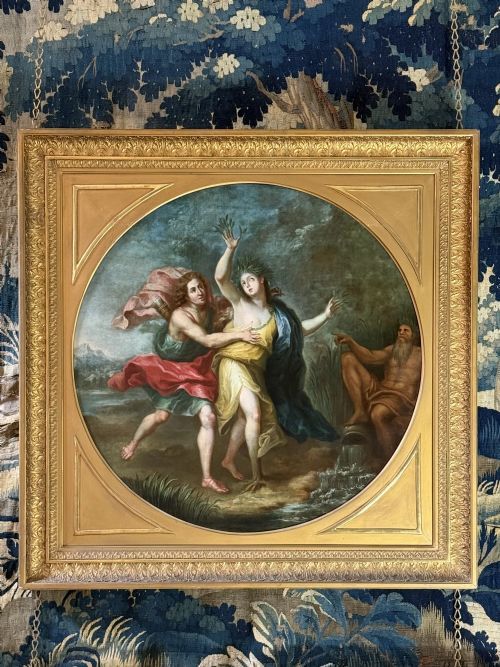
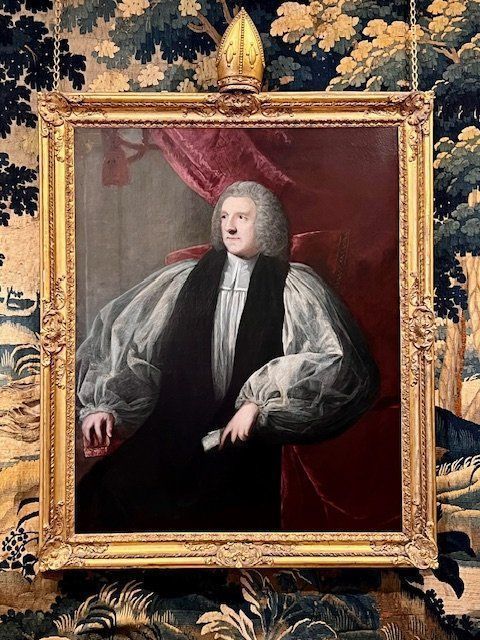
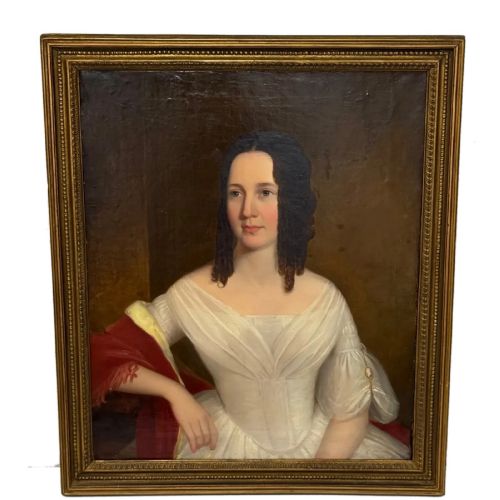
Framed oil wall artwork consists principally of paintings executed in oil on canvas or wood panel, secured within period frames that range from plain wood to ornate gilded mouldings. When searching for framed oil wall artwork, buyers encounter pieces spanning from the seventeenth century through to the mid-twentieth century, with a strong representation of nineteenth-century portraits and landscapes.
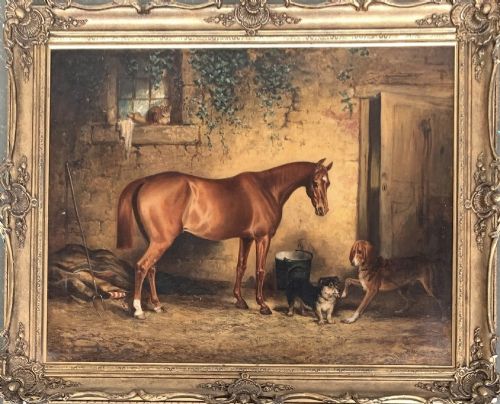
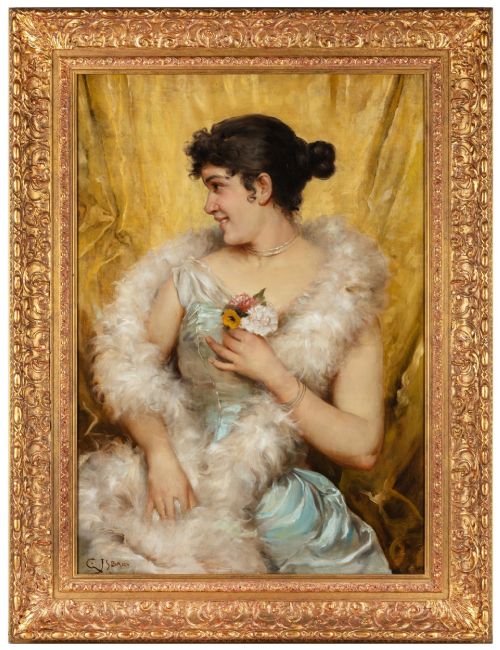
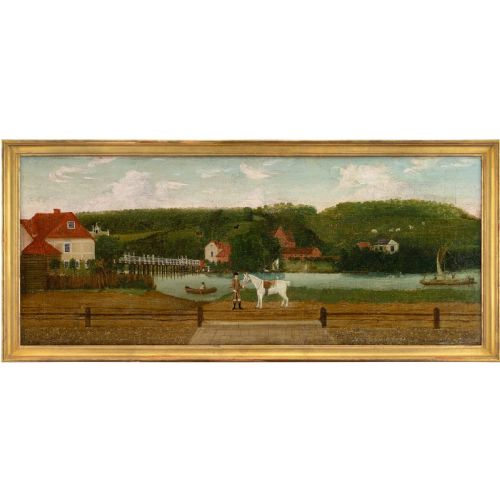
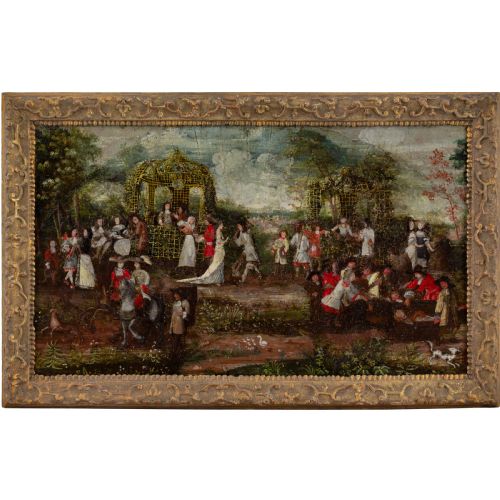
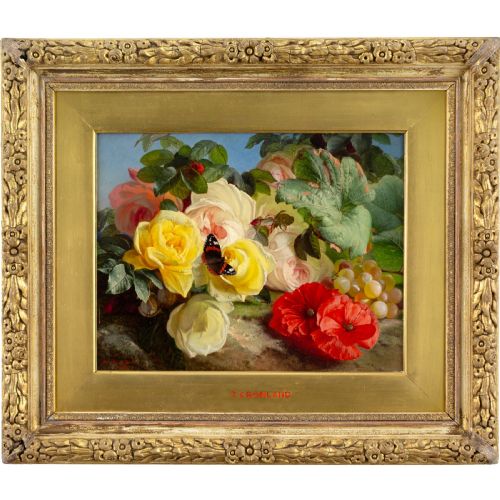
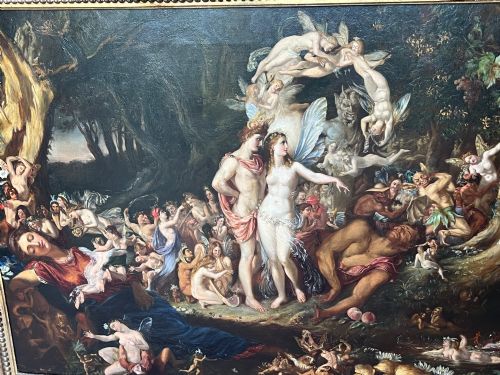
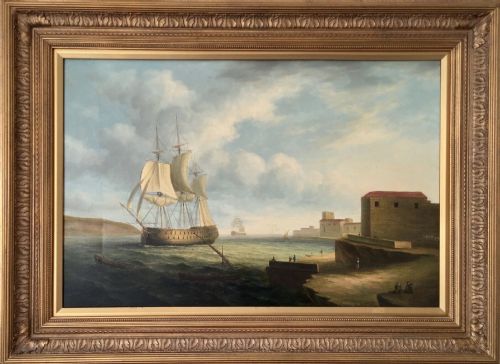
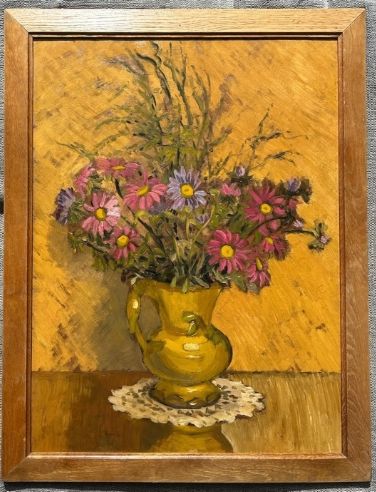
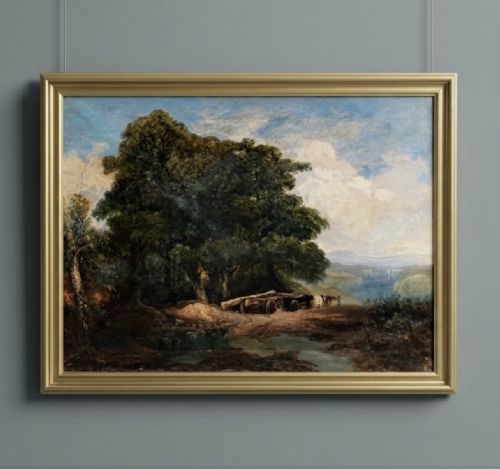
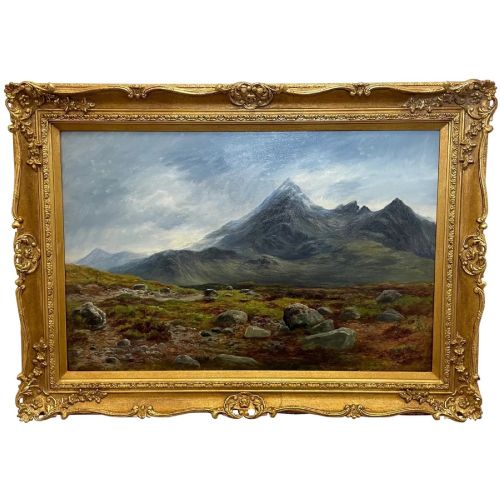
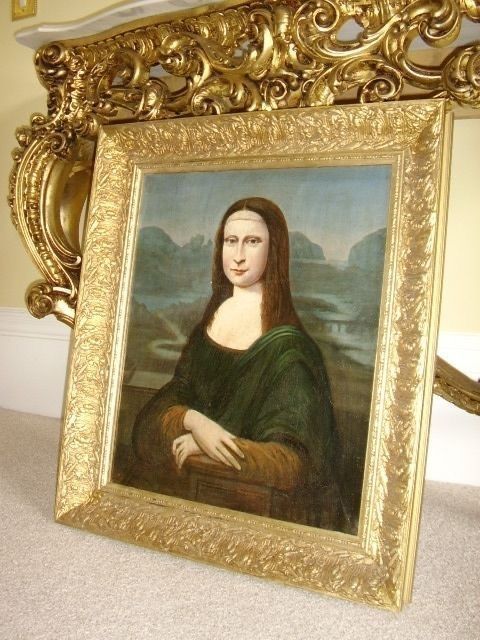
The subjects on offer vary widely, encompassing equine portraits, classical mythological scenes, botanical still lifes, and expansive rural or marine landscapes. Portraiture forms a significant portion of the selection, featuring notable figures such as nobility, military officers, and historical personalities captured by regional schools and named artists.
Stylistically, these pieces reflect the shifting tastes of their periods, moving from Baroque and Flemish interpretations to Georgian elegance, Victorian realism, and early twentieth-century impressionism. The frames themselves often act as substantial sculptural elements, utilising giltwood and carved details that complement the painted surface within.
How they were made
Makers applied oil paint to prepared surfaces of woven canvas or solid wood panels, building pigment layers to achieve depth, luminosity, and fine detail in portraits and landscapes. The physical support determined the texture of the finished piece, with canvas offering a subtle fabric weave while wood boards provided a rigid, smooth ground for meticulous brushwork.
Several canvases capture historic animals gazing out across centuries, including distinguished bay hunters and grey shire horses at work.
What varies in quality
The sophistication of the brushwork and the anatomical or spatial accuracy distinguish finer compositions from simpler regional output. Masterful handling of light, shadow, and texture elevates a portrait or landscape, revealing the distinct hand of a skilled artist or established school.
The integration between the artwork and its housing plays a role, as period-appropriate frames with original gilding or hand-carved wood details enhance the integrity of the piece. The stability of the canvas or wood panel and the preservation of the original pigment layers also indicate how well a work has survived its centuries.
Henry Barraud·Charles-Antoine Coypel·Sir Joshua Reynolds·Sir Peter Lely·Anthony Van Dyck
The Framed Oil Wall Artwork Glossary
- Giltwood
- Wood that has been coated with a thin layer of gold leaf or gold paint. This technique was widely utilised on frames to provide a brilliant, decorative finish that caught candle or natural light.
- Oil on Canvas
- Pigments mixed with a drying oil applied to a stretched fabric support. This combination allowed artists to create blended tones and textured surfaces that endured across generations.
- Panel Painting
- An artwork executed on a flat piece of wood rather than fabric. Panels provided a stable, rigid ground favoured by earlier artists for achieving minute detail.
- Equine Portrait
- A painting specifically focused on horses, often commissioned by owners to record prized animals. These works frequently incorporated landscape backgrounds or human handlers.
Framed Oil Wall Artwork: Frequently Asked Questions
How do I hang a heavy framed oil painting?
Heavy oil paintings require secure fixings anchored directly into wall studs or masonry using appropriate wall plugs and screws. The weight of the timber frame and canvas demands robust picture wire and sturdy D-rings mounted firmly into the wooden stretcher or frame back.
Position the artwork at eye level to ensure optimal viewing of the painted details and balanced placement within the room. Distributing the weight across two fixing points helps maintain stability and keeps the frame straight.
What lighting suits antique oil paintings?
Controlled, low-heat illumination highlights the varied textures of oil paint and gilt frames without causing fading or thermal damage to the canvas. LED picture lights mounted above the frame offer directional light that minimises glare on varnished surfaces.
Positioning pieces away from direct, harsh sunlight preserves the integrity of the pigments over time. Ambient room lighting combined with a dedicated picture lamp provides a balanced view of the composition's finer tonal shifts.
How do I care for an oil painting frame?
Giltwood and carved wooden frames benefit from gentle dusting with a soft, dry brush to remove particles settled in the intricate recesses. Moisture and liquid cleaners should be avoided, particularly on gilded surfaces where water can lift the gold leaf.
Inspecting the mitred corners and structural joints periodically ensures the frame continues to support the canvas safely. Stable indoor humidity prevents the wood from warping or shrinking around the painting insert.
Can I identify the period of an artwork?
Examining the style of clothing, hair, and furnishing in a portrait offers initial clues to the era in which it was created. Canvas preparation, stretcher construction, and the composition of the wood panel provide further physical evidence for dating.
Frame construction methods and nail types often correspond to specific manufacturing periods. Combining stylistic analysis with maker signatures or inscriptions helps narrow down the historical context of the piece.