


Framed Ocean Seascape Oil
When you search for a framed ocean seascape oil, you are looking for maritime canvases that capture the shifting light and movement of coastal waters.
Framed Ocean Seascape Oil
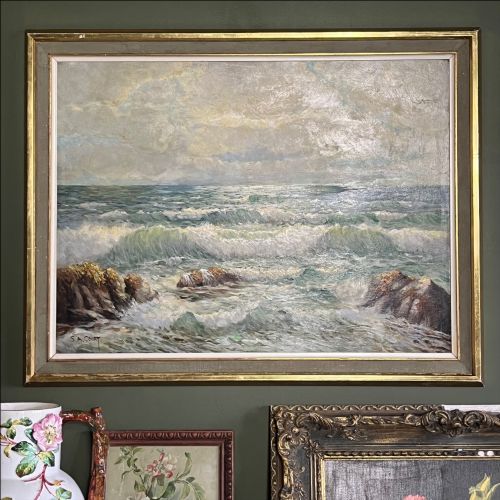
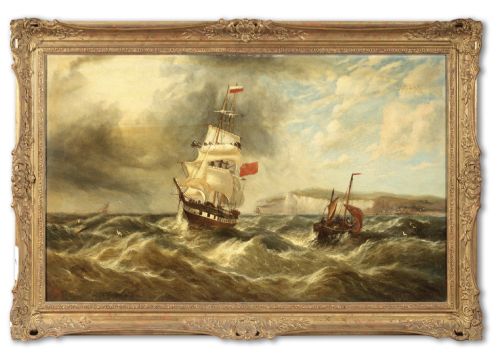
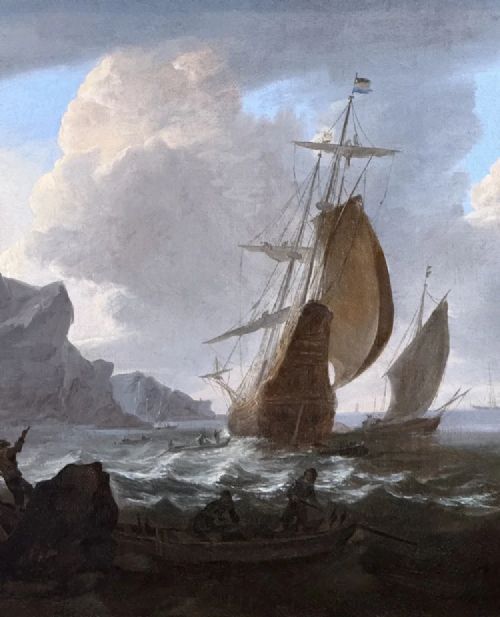
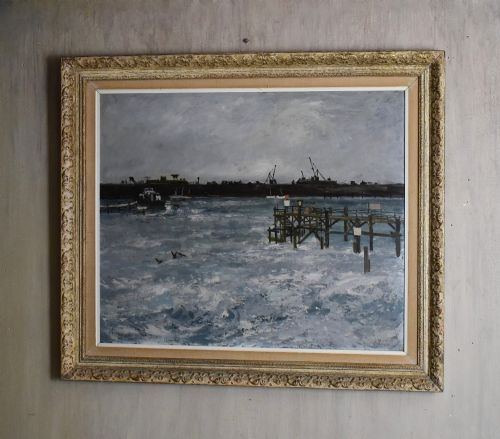
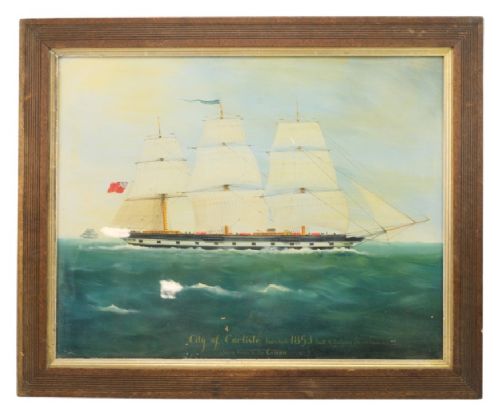
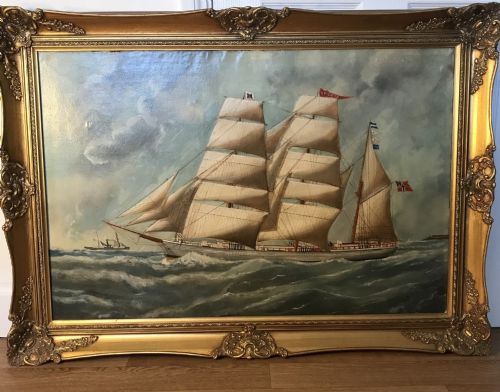
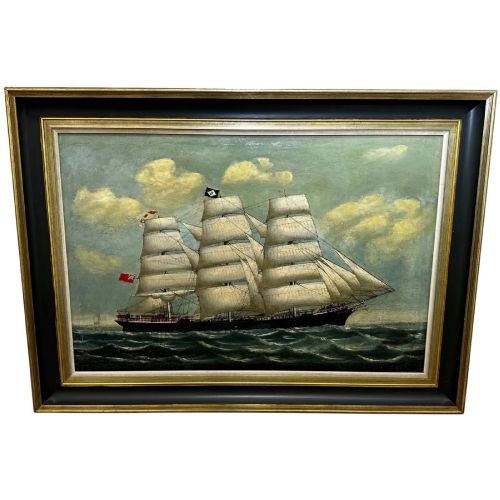
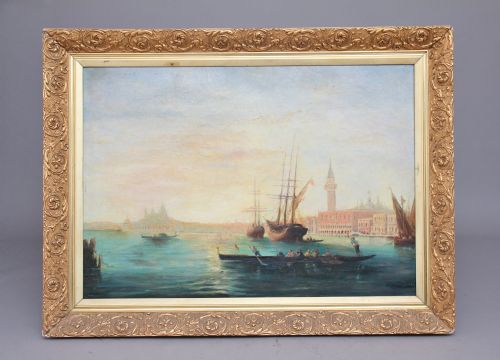
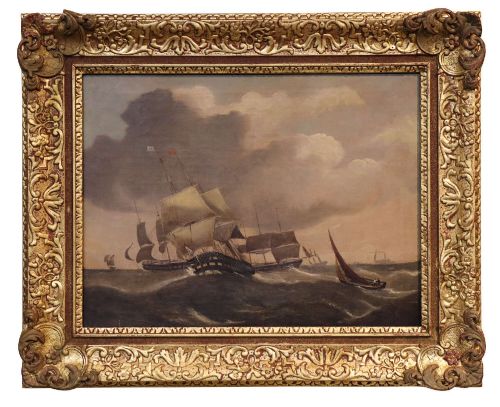
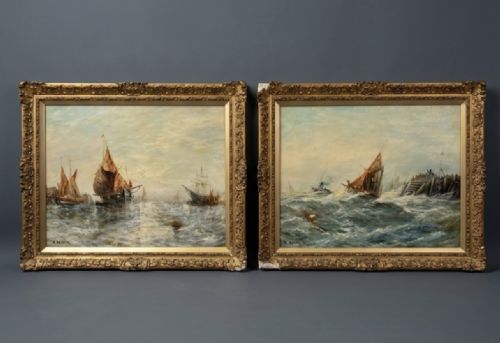
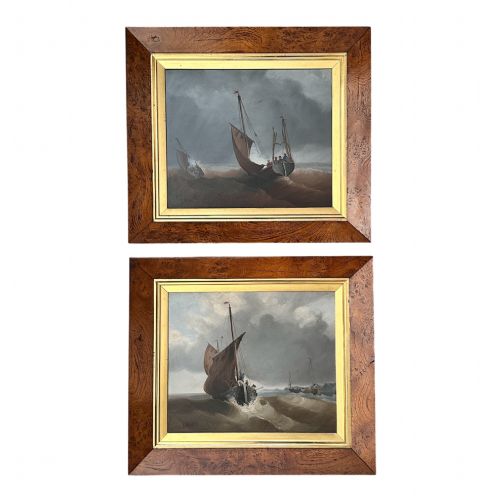
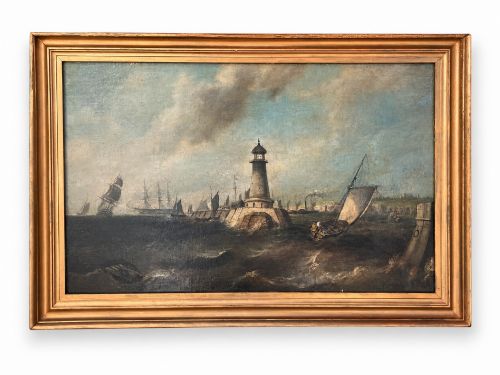
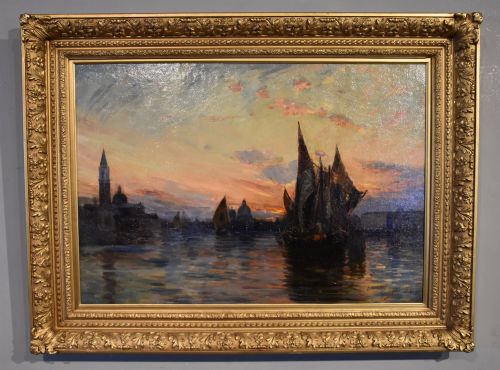
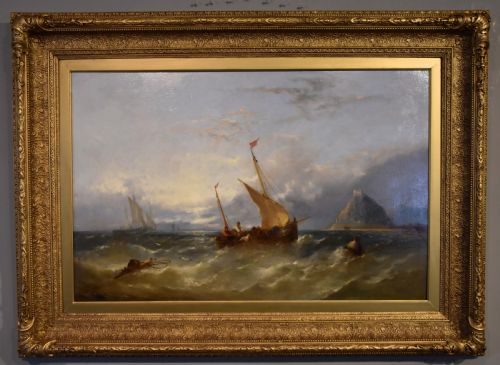
A framed ocean seascape oil brings the unpredictable energy of open water and coastal shores directly into an interior space. These artworks capture specific maritime moments, from merchant ships weathering gales to quiet Cornish harbours and sunlit lagoons.
The pieces on this page lean heavily into nineteenth-century Victorian maritime traditions alongside twentieth-century interpretations. Works range from intimate en plein air coastal panels to large historical storm scenes rendered on canvas.
Subjects frequently involve sailing vessels, fishing boats, and dramatic wave studies. Painters recorded both British coastal locations and international waters with considerable variation in mood and technique.
Materials and construction
Artists relied primarily on oil paint applied to stretched canvas or wooden board substrates. Oil paint allowed workers to build up thick impasto for churning waves or blend subtle washes for atmospheric skies.
Several canvases record vessels bearing names like the Slieve Roe and the Blue Cross Steamer, braving waters that clearly tested every inch of the painter's patience.
Judging quality and execution
Quality rests heavily on the artist's command of light, atmosphere, and maritime architecture. Superior examples demonstrate a precise understanding of water movement, rigging details, and the way light interacts with spray and cloud formations.
The integration between the painting and its housing also matters significantly. Hand-carved gilt wood frames that complement the palette and period of the canvas elevate the overall cohesion of the piece.
Clifford Hanney·Sidney A Court·John Rose Miles·Bonaventura Peeters·Peter Brannan·Nicholas Condy·Thomas Hodgson Liddell·William Henry Williamson·Elisabeth Bardon·Charles Napier Hemy·Abraham Hulk Snr·Charles Sim Mottram·Stephen J Renard·Claude Thomas Stanfield Moore·Dion Pears
The Framed Ocean Seascape Oil Glossary
- En plein air
- Painting outdoors to capture natural light and atmospheric conditions directly. This method produced immediate, observational records of coastal weather.
- Impasto
- Paint applied thickly to a canvas, standing out from the surface. Artists used this technique to give physical weight and texture to crashing waves.
- Gilt wood
- Wood coated with a thin layer of gold leaf or metallic paint. Frames treated this way were standard for exhibiting formal marine artworks.
- Maritime realism
- An artistic style focused on accurate depictions of ships, coastal topography, and nautical operations. Practitioners prioritized verifiable details of naval architecture.
- Canvas
- A heavy woven fabric stretched across a wooden frame to serve as a painting surface. It offered durability and a responsive texture for oil pigments.
Framed Ocean Seascape Oil: Frequently Asked Questions
How do I care for an oil painting?
Keep the canvas away from direct sunlight and dramatic temperature swings to prevent the oil paint from cracking or the wood from warping. Dust the surface gently with a soft, dry brush without applying pressure.
Avoid using liquid cleaners or water on the painted surface or the gilt frame. Professional conservators should handle any deep cleaning or canvas tightening.
Are these frames original to the paintings?
Many nineteenth and twentieth-century marine paintings retain their period gilt frames, though replacements matching the era do occur. Examining the fit at the back of the rebate helps determine if the frame has held the canvas for generations.
Original frames show matching signs of age and wear consistent with the stretcher bars. Minor losses to the gilt plaster ornamentation are common in older pieces.
How do I date a maritime oil painting?
Dating relies on stylistic clues, the rigging and design of the vessels depicted, and the construction methods of the canvas and stretcher. Clothing styles of figures on shore or the format of the artist's signature also provide chronological markers.
Comparative examples by the same painter or documented historical events recorded in the title help narrow down the decade of creation.
What subjects are most common in these seascapes?
Common subjects include merchant sailing ships in heavy seas, local fishing boats returning to harbour, and quiet coastal inlets. Storm scenes and shipwrecks proved particularly popular during the Victorian era for their dramatic tension.
Later twentieth-century works often shift toward abstracted light effects, modernist coastal views, and simplified harbour compositions.