
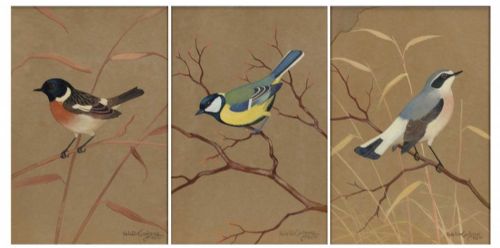
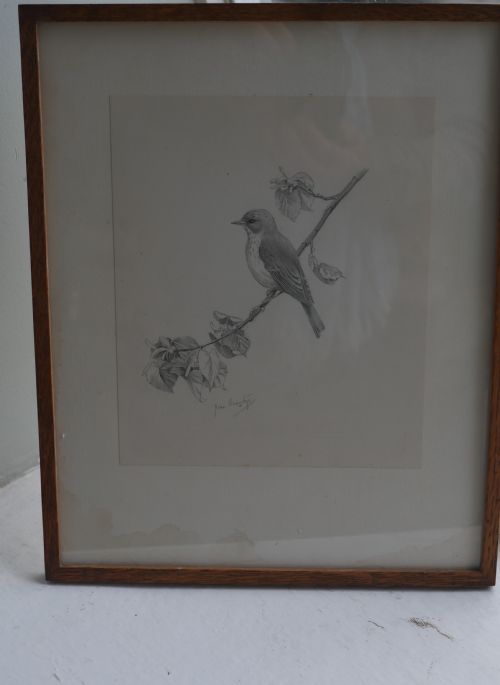


Framed Natural History Art
Framed natural history art brings specimens and wildlife indoors through detailed prints and watercolours preserved behind glass.
Framed Natural History Art
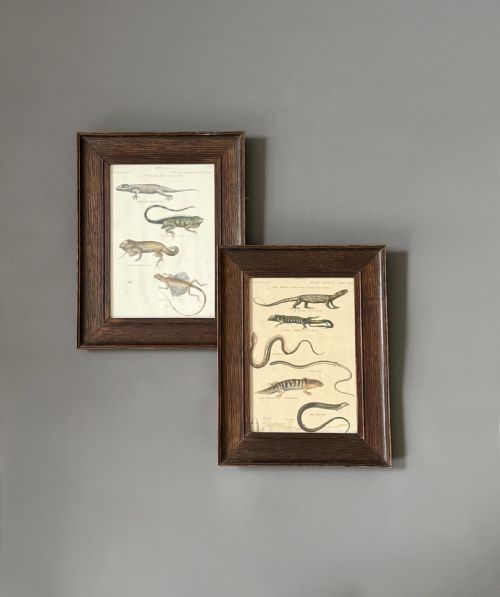
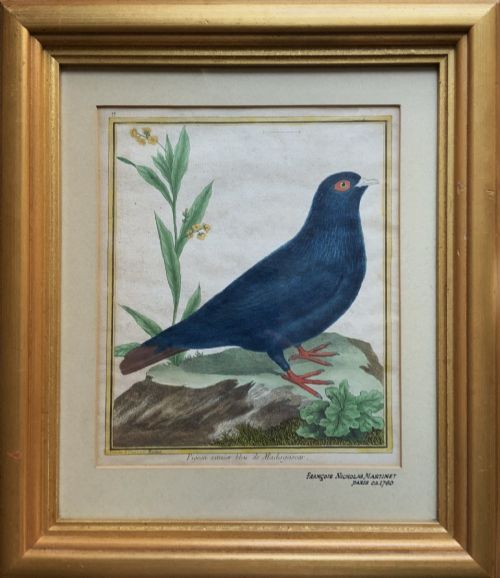
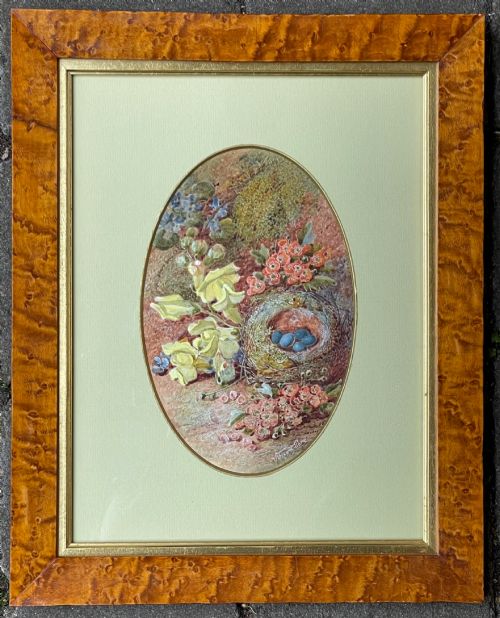
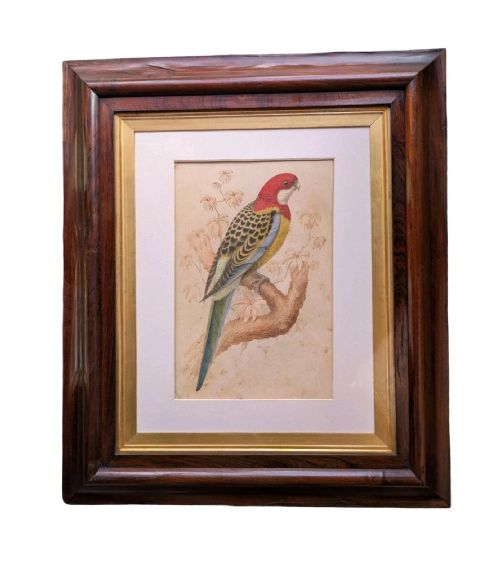
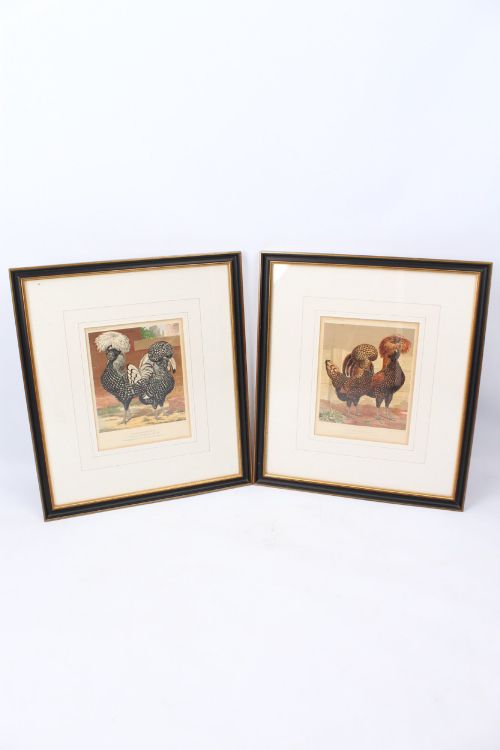
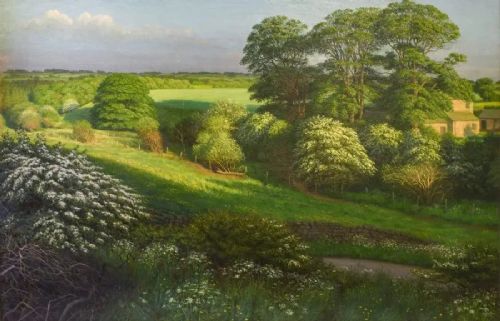
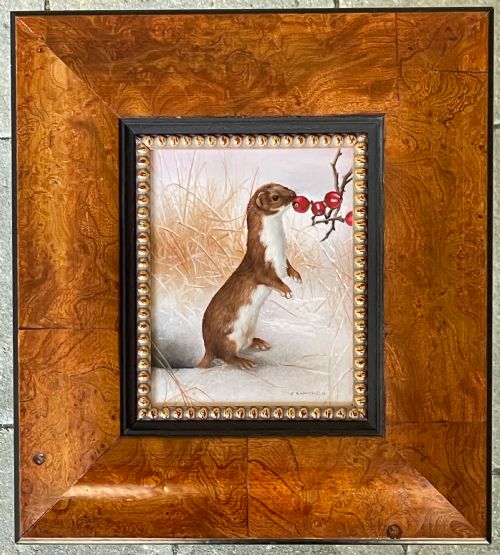
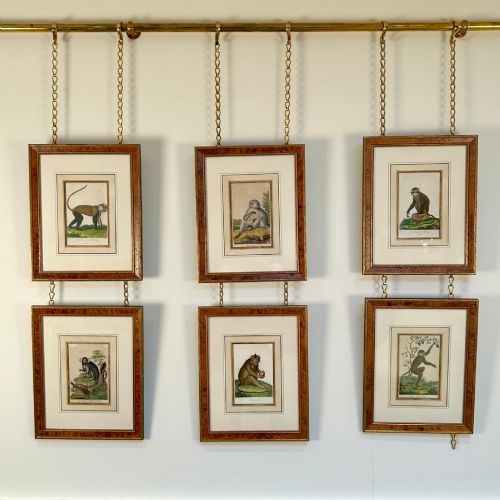
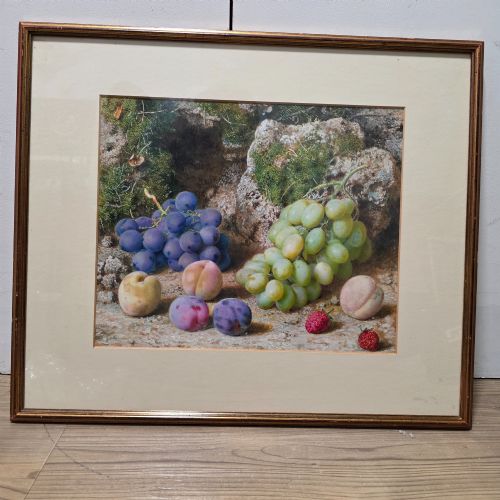
Framed natural history art spans centuries of observation, capturing everything from birds and reptiles to shells and butterflies. When searching for framed natural history art, you will encounter hand-coloured engravings alongside delicate watercolours and oil paintings.
The selection ranges from eighteenth-century ornithological plates to mid-century bird studies and Victorian botanical specimens. These works served scientific study as much as domestic decoration, recording species with meticulous attention to form.
Most pieces arrive ready to hang, often set within period wooden frames, ebonised moulding, or gilt mounts that complement the detailed draftsmanship on paper or panel.
How they were made
Makers utilised paper, parchment, and wooden panels as surfaces for ink, watercolour, and oil paint, often applying hand-colouring to copperplate engravings and lithographs. Gold leaf and gilt wood frequently accent the framing.
Artists and engravers worked from live specimens or preserved skins, employing fine brushes and etching tools to render feather textures, scales, and botanical veins with scientific precision.
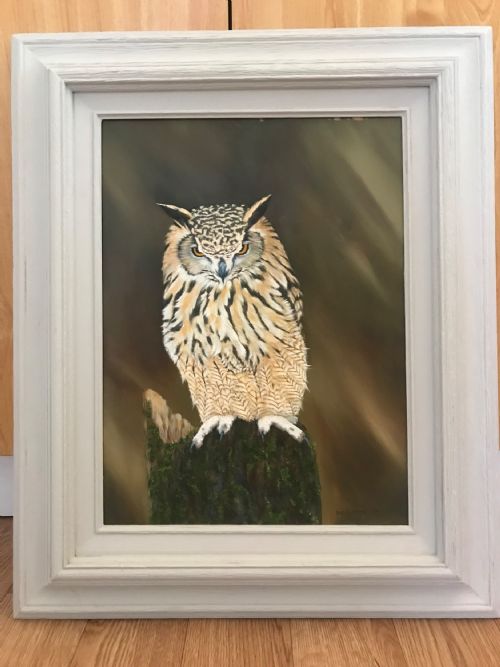
Several artists clearly spent long hours squinting at very grumpy-looking owls and remarkably unimpressed parrots.
What varies in quality
The distinction lies in the precision of the draughtsmanship and the fidelity of the hand-colouring applied to the print. Early impressions from copperplate engravings show crisp lines that soften only in later, heavily pulled editions.
The preservation of the paper and pigment integrity dictates the piece's standing, with fresh, vibrant watercolours commanding attention over faded examples. Original framing materials that harmonise with the period add considerable cohesion to the work.
William Bird·François-Nicolas Martinet·Vincent Clare·Oliver Goldsmith·Jonathan Couch·George Edwards·Philipp Ferdinand de Hamilton·Charles F. Tunnicliffe·John Curtis
The Framed Natural History Art Glossary
- Engraving
- A printmaking technique where an artist cuts an image into a metal plate with a sharp tool. This method produces crisp, fine lines capable of rendering minute biological details.
- Lithography
- A planographic printing process based on the repulsion of oil and water. It allowed publishers to produce detailed tonal illustrations of animals and plants in larger quantities.
- Hand-colouring
- The application of watercolours or tints by hand to a printed monochrome base. This technique gave natural history plates lifelike hues before modern colour printing existed.
- Pith painting
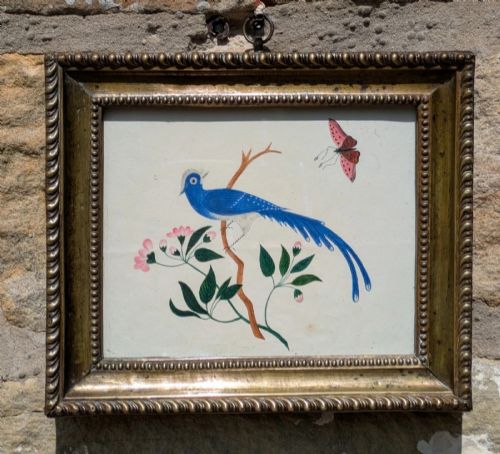
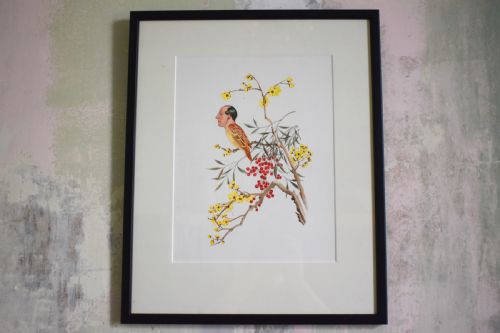
- An artwork created on delicate sheets derived from the pith of the Tetrapanax papyrifer plant. These Chinese export works display remarkable luminosity and texture.
- Ornithology
- The branch of zoology focused on birds, which heavily inspired centuries of illustrated plates and paintings. Collectors prize these avian studies for their scientific accuracy and decorative appeal.
Framed Natural History Art: Frequently Asked Questions
How should I hang framed natural history art?
Keep these works away from direct sunlight to prevent the watercolours and tinted engravings from fading over time. Pairing smaller plates in symmetrical groups creates a balanced display on a study or hallway wall.
Ensure your hanging wall maintains stable humidity levels to protect nineteenth-century paper and wooden framing. Traditional pieces look particularly striking against dark or muted background paint.
Are these pieces original scientific illustrations?
Many examples originated as plates for published volumes on zoology and botany, created to document newly discovered species. Artists often worked alongside naturalists to ensure precise anatomical representation.
Over the decades, these functional plates were separated from their original bindings and framed for domestic display. They bridge the gap between scientific records and decorative fine art.
How do I identify the age of a print?
Examine the paper stock for watermark indicators, chain lines, and natural ageing characteristics common to eighteenth and nineteenth-century mills. Hand-coloured details and copperplate impressions usually point toward earlier production periods.
Framing styles also offer clues, as Victorian and Edwardian mouldings differ noticeably from Georgian joinery. Documentation or inscriptions on the reverse often confirm the artist and publication date.
What is the difference between an engraving and a lithograph?
An engraving involves incising lines directly into a metal plate, resulting in sharp, distinct contours on the paper. Printers inked these grooves to transfer the primary image before artists applied washes of colour.
Lithography relies on a chemical process using limestone or metal plates, producing softer tonal gradations and varied textures. This later technique became popular for capturing the nuanced plumage of birds and fur of animals.