
Framed Military Painting
A framed military painting captures the visual record of officers, cavalrymen, and regiments through centuries of conflict and service.
Framed Military Painting
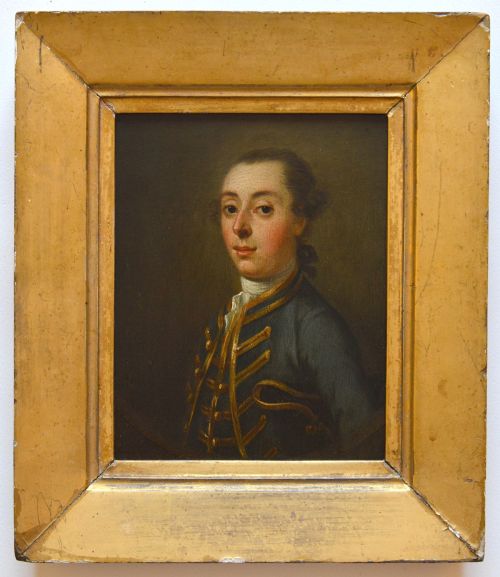
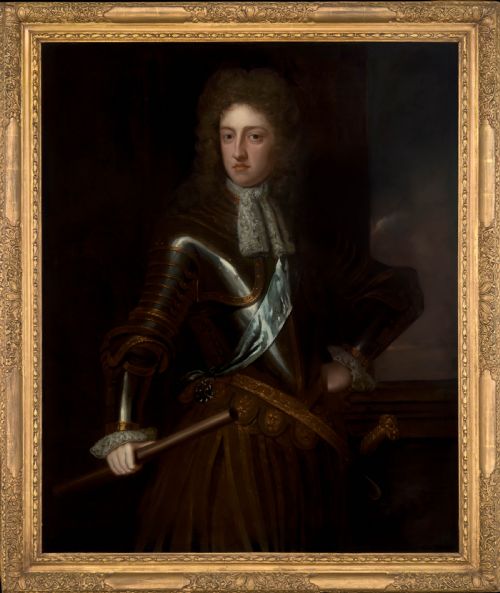
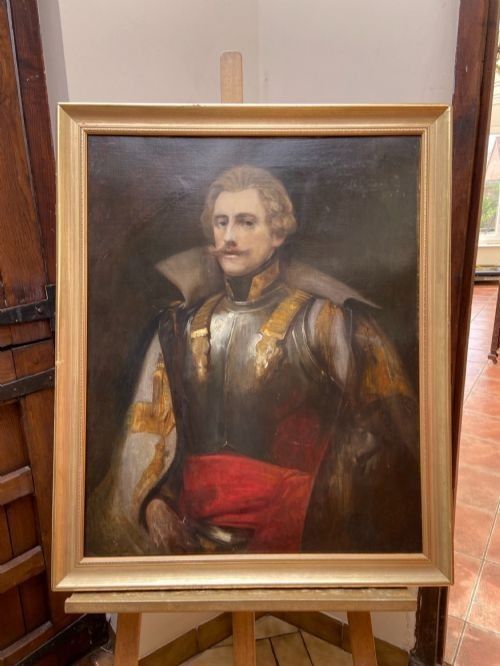
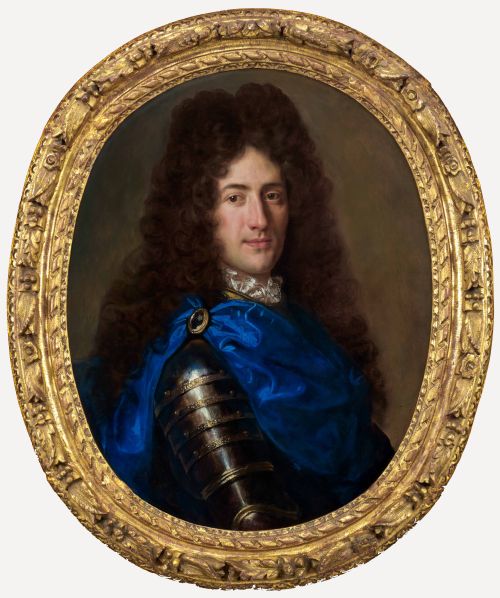
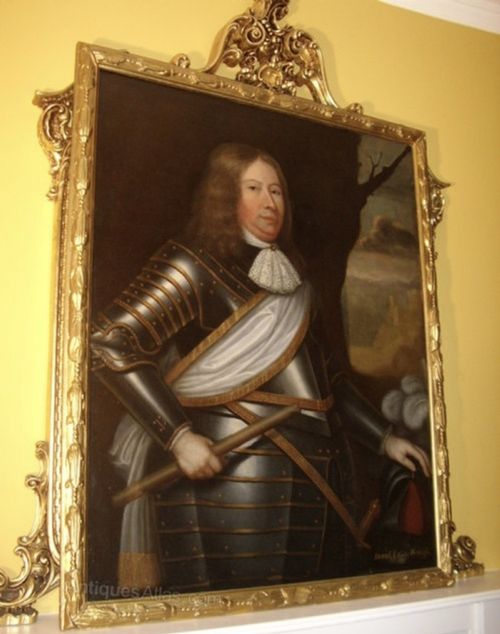
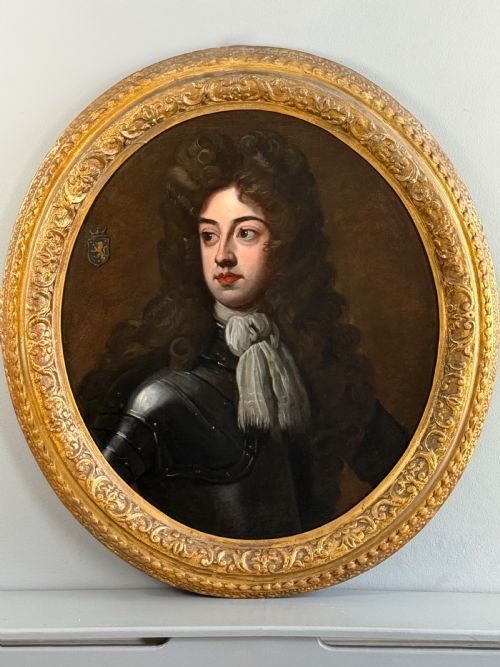
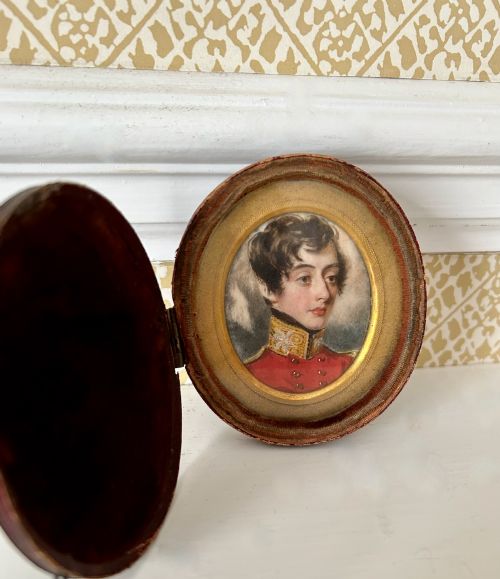
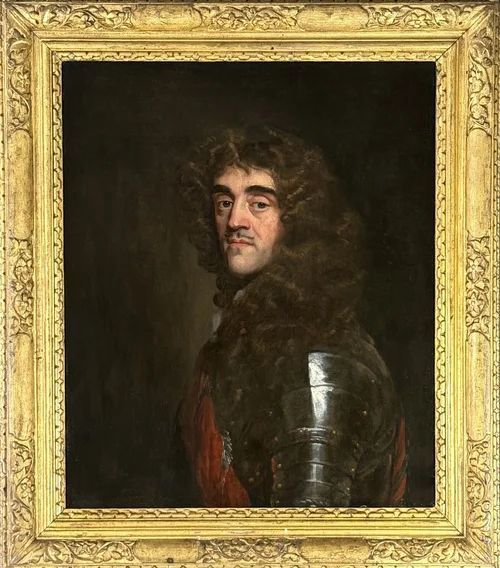
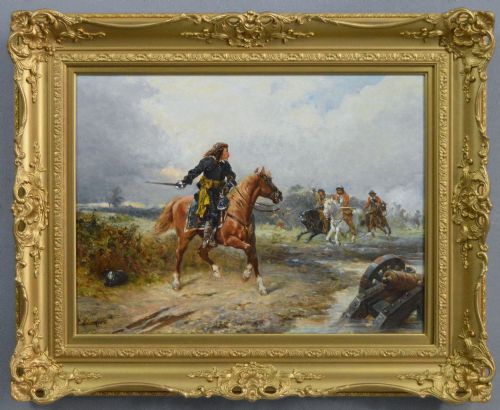
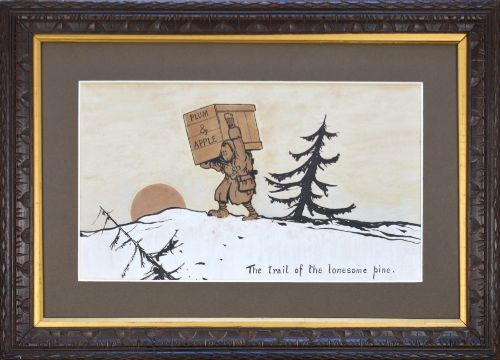
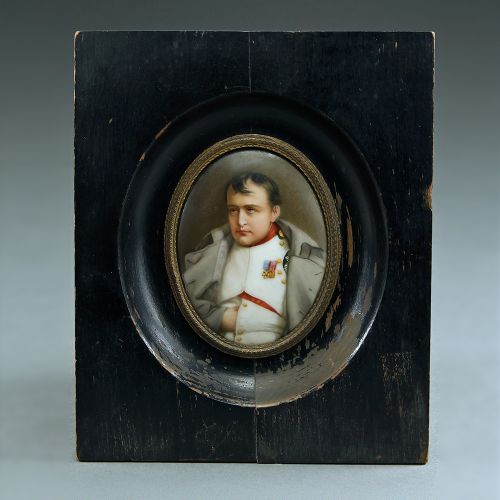
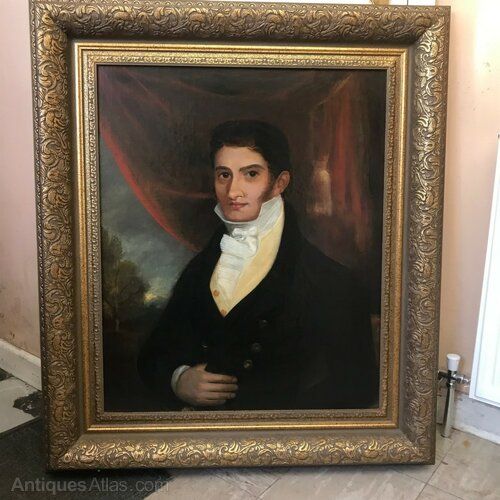
When you search for a framed military painting, you encounter works depicting officers, soldiers, and naval personnel across various historical conflicts. The selection on this page ranges from large 17th-century oils of commanders in armour to intimate 19th-century watercolours of infantrymen and twentieth-century pastel sketches.
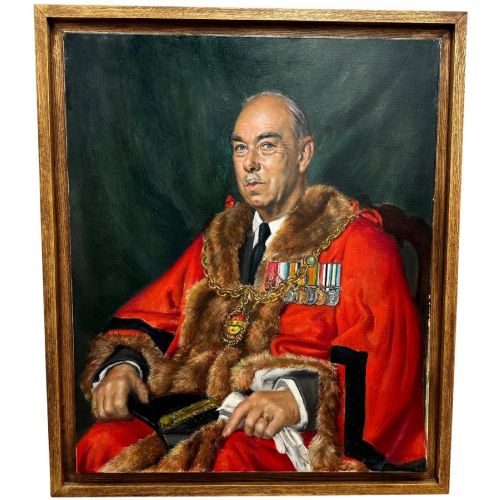
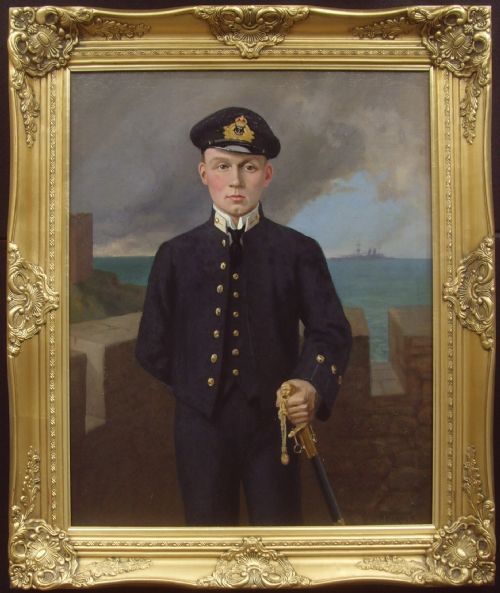
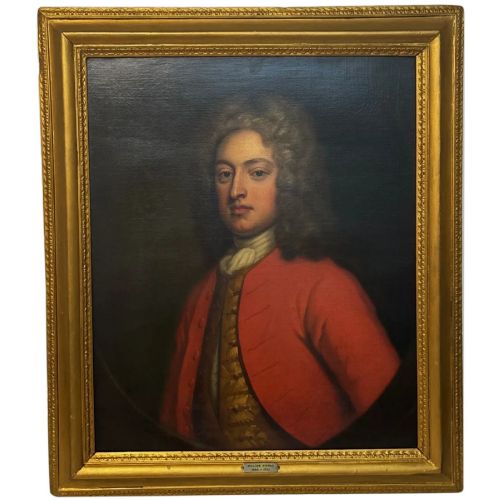
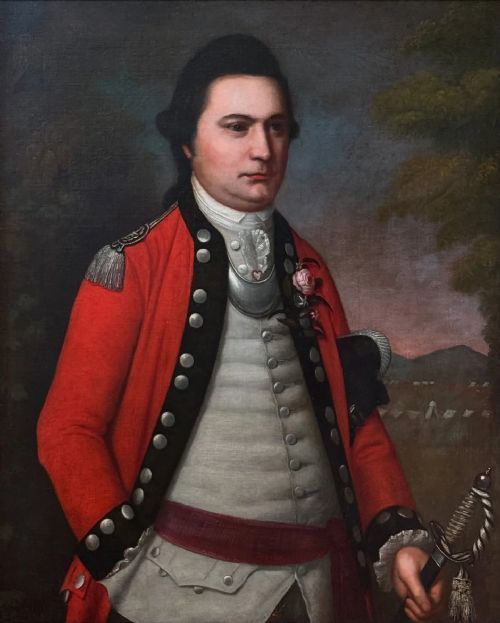
Portraits of named officers, such as majors, captains, and nobility in red coats or uniforms, dominate the offerings. These pieces span periods from the 17th century through the Edwardian era and into the mid-20th century, capturing shifts in military dress and portraiture styles.
How They Were Made
Artists painted these subjects primarily using oil on canvas, applying pigments to capture the rich colours of uniforms, sashes, and gold braid. Watercolour and wash on paper were also utilised for portable or detailed regimental studies.
Framing played an integral role in the presentation of these artworks, with giltwood and carved wood frames serving to elevate the status of the portrait. Some examples employ glass for protection, including reverse glass painting techniques seen in certain light infantry depictions.
Several portraits preserve the stern gaze of officers who likely spent more time arguing with quartermasters than facing powder and shot.
What Varies in Quality
The distinction between works rests upon the precision of the portraiture and the skill demonstrated in rendering the sitter's anatomy, expression, and uniform details. Works produced by established studios or named artists exhibit superior brushwork and compositional depth compared to anonymous regional output.
The original housing of the artwork influences its character, where period giltwood frames that match the age of the canvas contribute to the integrity of the piece. The preservation of the canvas surface and the stability of the underlying pigments also determine the visual impact of the painting.
Sir Godfrey Kneller·Joseph Vivienne·David Scougall·John Greenhill·Samuel Harry Hancock·Robert Alexander Hillingford·Bruce Bairnsfather·Bernard Hailstone·Stickland Lowry·Sir John Gilbert·Dion Pears
The Framed Military Painting Glossary
- Giltwood
- Wood carved and covered with a thin layer of gold leaf. This material is frequently utilised for ornate antique frames surrounding historical portraits.
- Portrait Miniature
- A small, highly detailed painting executed on materials such as paper or vellum. These portable works often depict officers and gentlemen in uniform.
- Reverse Glass Painting
- An artwork technique where the image is painted directly onto the back of a glass panel. When viewed from the front, the colours display a distinct gloss and depth.
- Oil on Canvas
- Pigments bound in an oil medium applied to a stretched cloth support. This combination provides durability and allows for subtle blending of uniform colours.
- Cavalier
- A supporter of King Charles I during the English Civil War, frequently identified in 17th-century portraiture by long hair, armour, and lace collars.
Framed Military Painting: Frequently Asked Questions
What periods do these military paintings cover?
The works span from the 17th century through the Georgian, Victorian, and Edwardian eras up to the mid-20th century. Earlier examples focus on commanders in armour, while later pieces document regimental officers and wartime sketches.
This broad chronological spread allows collectors to trace the evolution of military uniforms and portrait painting techniques across several centuries of British and European history.
How can I identify the rank of the sitter?
Uniform details, sashes, and specific coat colours provide primary clues to the military rank of the individual portrayed. Red coats typically indicate British infantry or line officers, while armour and lace denote senior commanders from earlier centuries.
Inscriptions on the canvas or associated historical records often confirm the identity, regiment, and title of the officer depicted.
Are these paintings supplied in original frames?
Many pieces retain period frames fashioned from giltwood or carved timber that complement the age of the artwork. These frames vary from ornate Baroque and Regency designs to simpler mouldings suited to later watercolours.
Collectors look for housings that match the era of the painting to maintain the historical context of the piece.
What is the difference between an oil and a watercolour?
Oil paintings on canvas offer rich colour saturation and allow for large-scale monumental portraits of high-ranking generals and noblemen. Watercolours and gouache works on paper provide a more intimate medium often utilised for field sketches and detailed uniform studies.
Both mediums capture distinct aspects of military life, from formal studio commissions to wartime documentary drawings.