





Framed Maritime Painting Art
Framed maritime painting art captures centuries of naval history and coastal life through oil, watercolour, and pastel.
Framed Maritime Painting Art
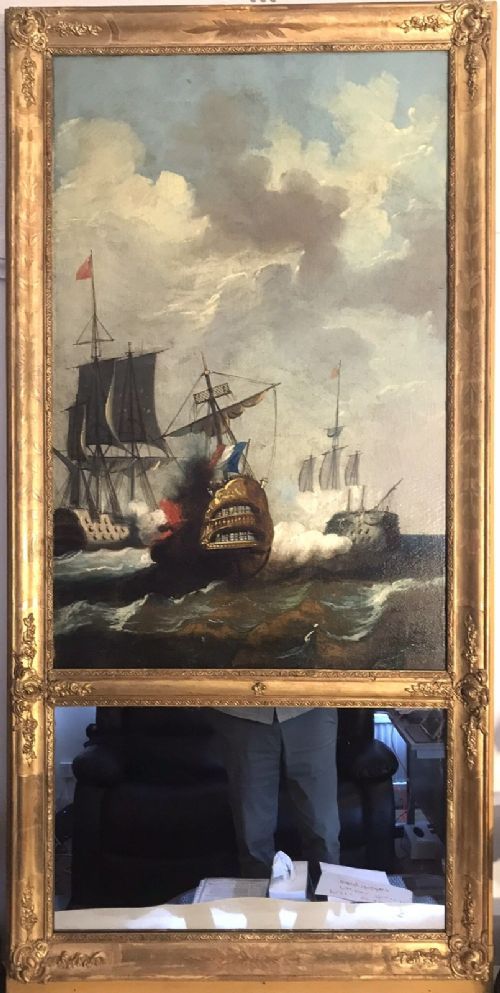
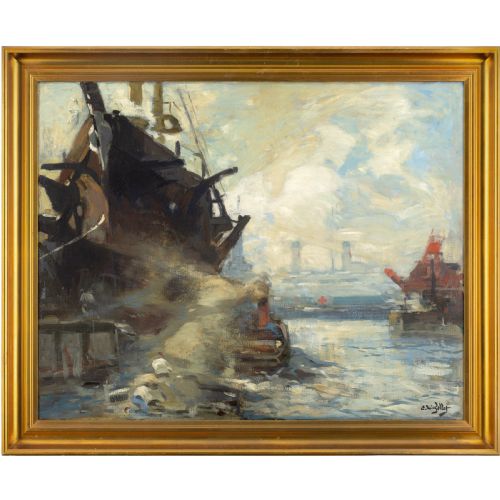
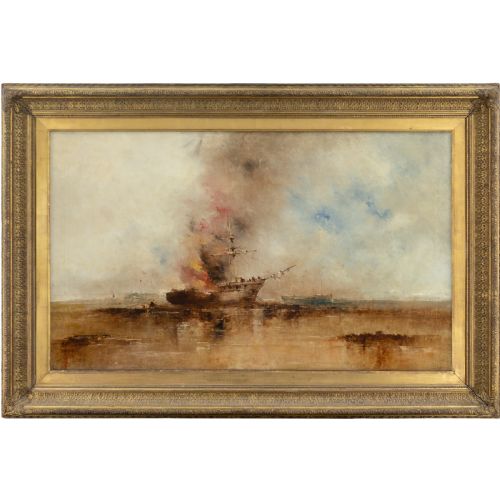
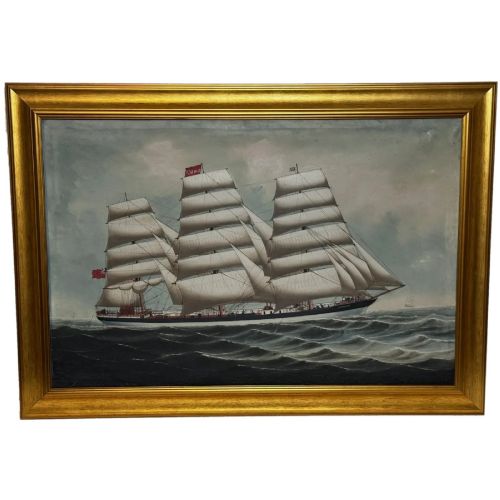
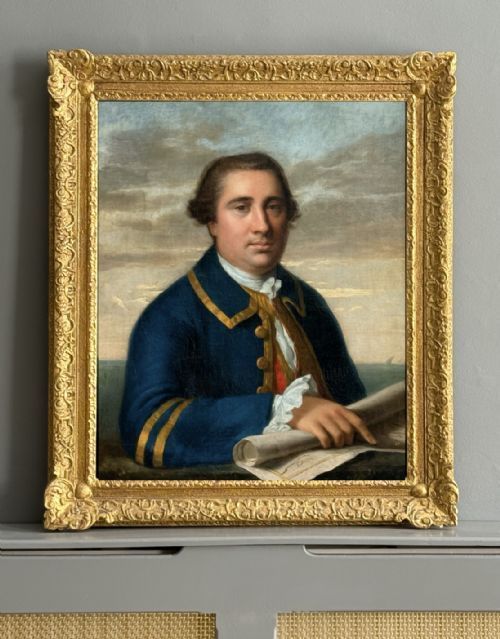
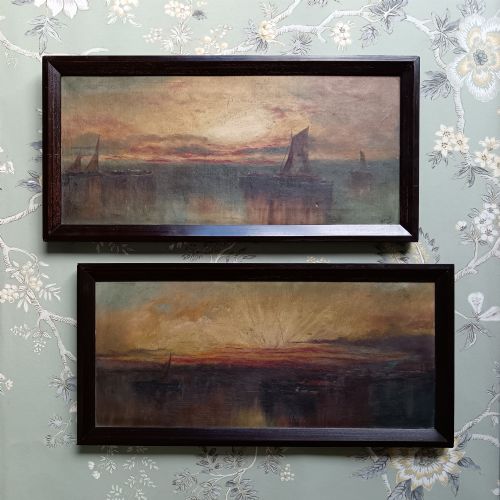
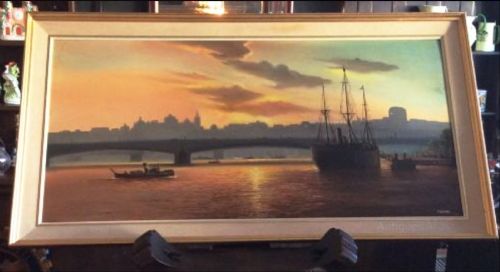
Framed maritime painting art encompasses oils, watercolours, and pastels depicting naval battles, merchant vessels, and quiet harbours. These works span from the seventeenth century through to the mid-twentieth century, recording the evolution of shipping and coastal communities.
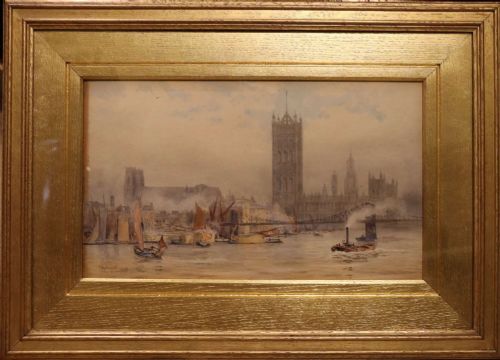
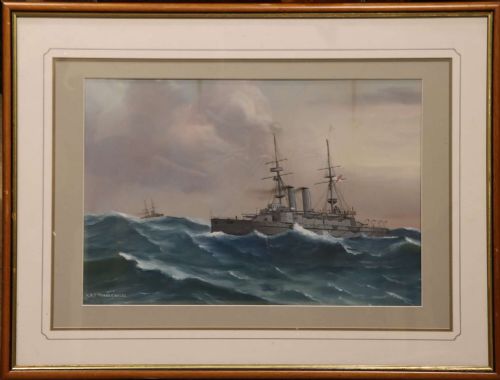
Nineteenth-century and Edwardian pieces dominate the selection, often presenting detailed studies of British and European shores. Buyers frequently encounter depictions of named warships, fishing vessels, and bustling port scenes.
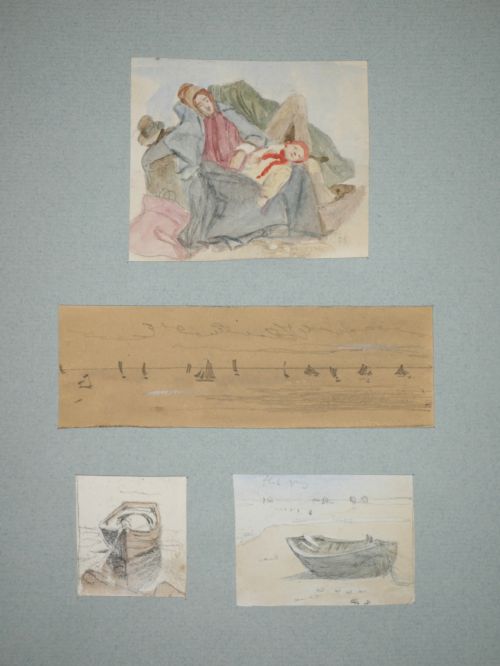
The formats range from intimate watercolours on paper to large canvas oils, usually housed in period wood and gilt frames.
How they were made
Artists applied oil paint or watercolour to canvas, panel, board, or paper, occasionally utilising gouache for sharper coastal details. Pigments were worked with brushes and palette knives to capture the movement of water and atmospheric skies.
Many works are secured behind protective glass within traditional wood and gilt frames, which help preserve the delicate surfaces of works on paper and early canvases.
The listings span from seventeenth-century Dutch boats to mid-twentieth-century industrial harbour views.
What varies in quality
The standard of a piece rests upon the artist's command of light, perspective, and maritime architecture, distinguishing a generic coastal scene from a precise historical record. Rigorous attention to rigging, hull design, and sea conditions separates accomplished hands from standard decorative output.
Surface preservation significantly influences the standing of a work, including the stability of the ground layer and the integrity of the original frame.
James Orrock·Eugène-Louis Gillot·William McAlpine·Charles Edward Dixon·Frank Watson Wood·Francis Moltino
The Framed Maritime Painting Art Glossary
- Gouache
- An opaque water-based medium often used for crisp details in marine watercolours. It dries to a matte finish that highlights shipping textures.
- Panel
- A rigid wooden or metal support used by painters instead of stretched canvas. Panels frequently appear in nineteenth-century studies.
- Provenance
- The documented history of ownership attached to a work of art. A clear lineage adds historical weight to naval paintings.
- Seascape
- A work dedicated primarily to the open sea, coastal waters, or maritime weather. These differ from harbour scenes by focusing on marine expanses.
Framed Maritime Painting Art: Frequently Asked Questions
How do I date an antique marine painting?
Dating relies on stylistic clues, framing materials, and the types of vessels depicted on the canvas. Uniforms and ship rigging often provide a precise decade for the subject matter.
Makers' signatures, stamps on the reverse, and historical records of the artists further narrow down the production period.
What is the difference between oil and watercolour marine art?
Oils offer rich textures and deep tones on canvas or panel, allowing artists to build heavy impasto for stormy seas. Watercolours use translucent pigments on paper, creating lighter and more immediate atmospheric effects.
Watercolours generally require protective glass framing, whereas oil paintings on canvas remain open to the air.
Where should I hang a framed maritime painting?
These pieces suit rooms with controlled lighting away from direct sunlight to protect pigments and paper from fading. Stable indoor humidity prevents the cracking of traditional wood panels and canvases.
Pairing them with period furniture enhances their historical context within a domestic interior.
Are all these paintings British?
While many pieces record British ports, vessels, and coastal scenes, the selection includes continental European and Asian subjects. French schools and Chinese export works appear alongside domestic depictions of local shipping.
Signatures and inscriptions on the reverse usually indicate the specific origin of the port or vessel.