

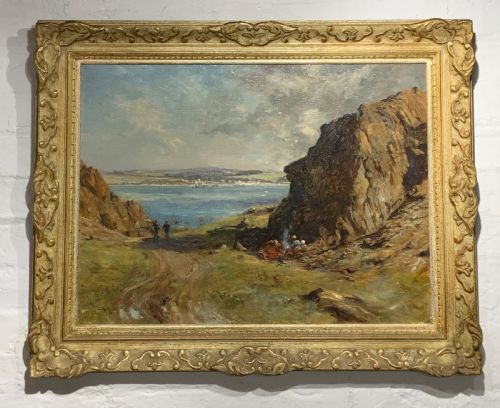
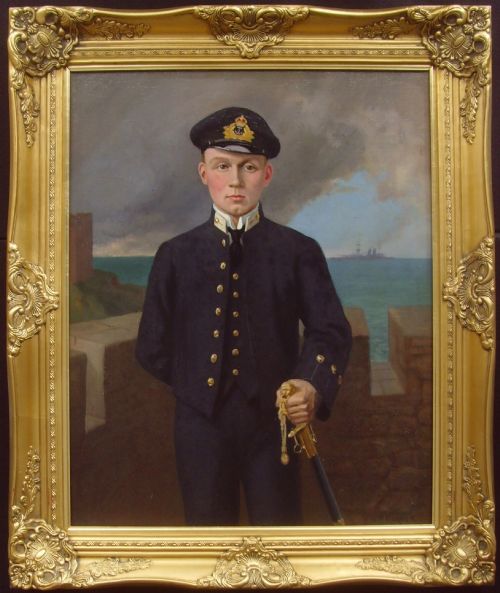
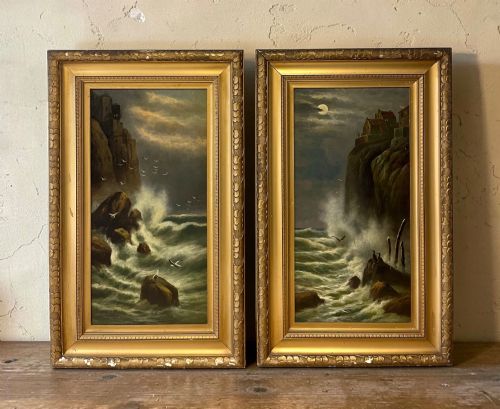
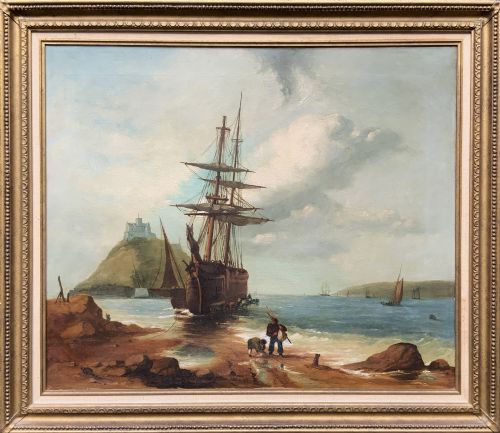
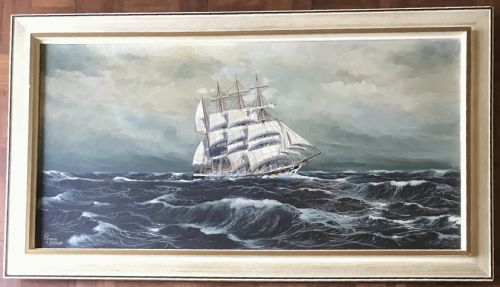
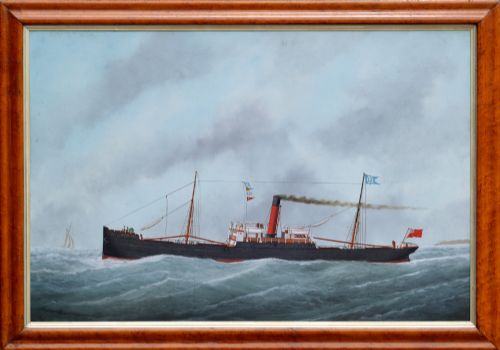
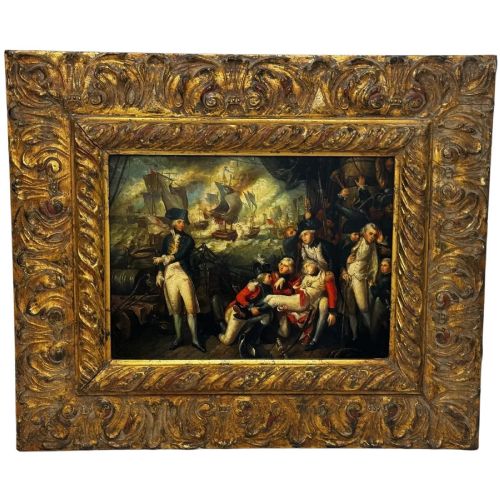
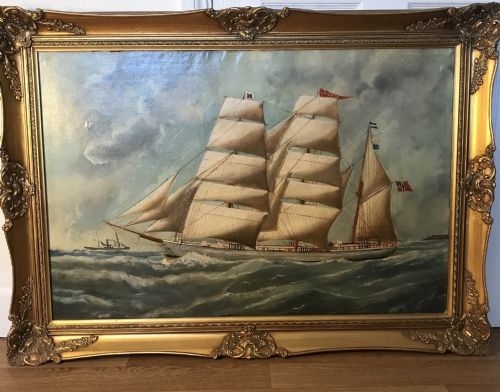
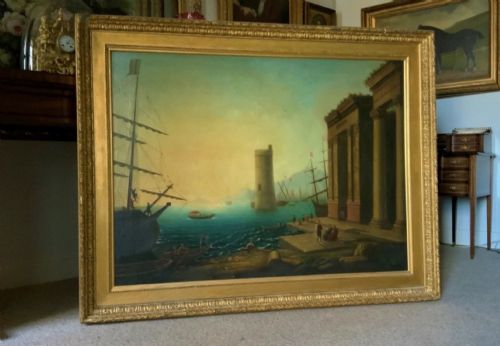
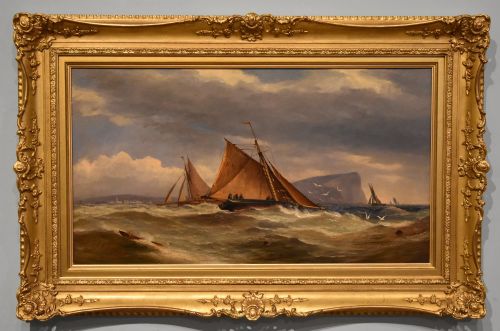
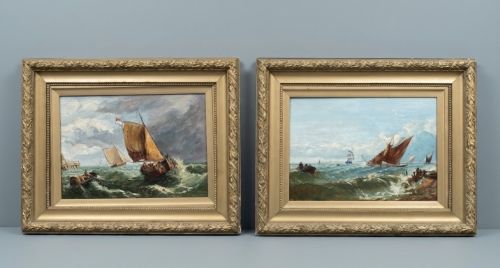
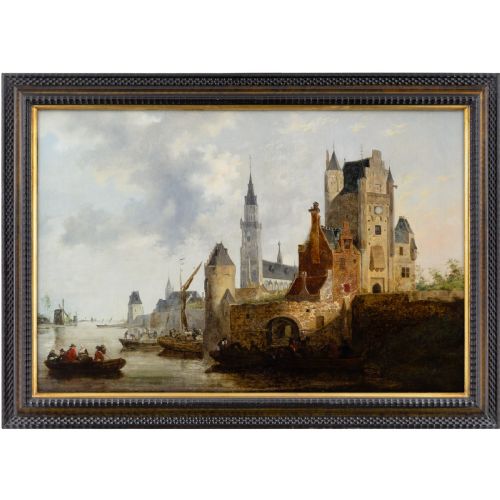
Framed Maritime Canvas
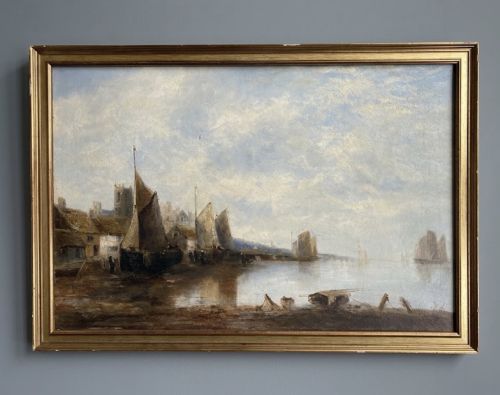
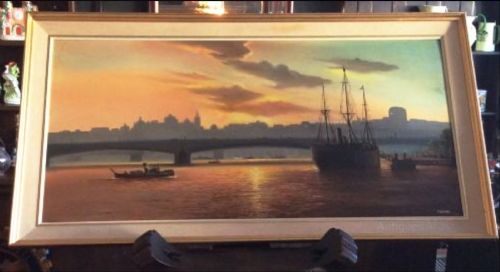
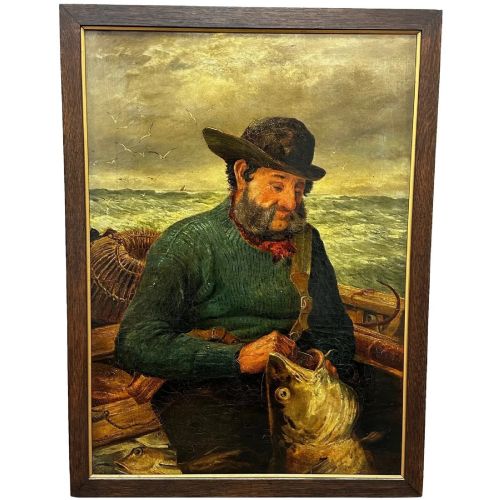
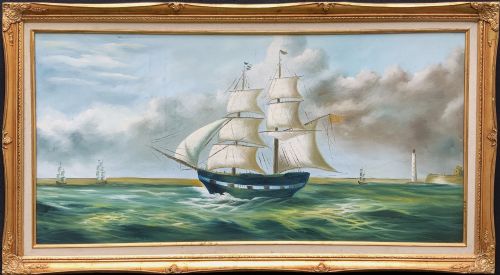
A framed maritime canvas brings historic ships, rolling seas and coastal light into a room through oil paint and wood.
Framed Maritime Canvas
A framed maritime canvas encompasses oil paintings on canvas depicting seascapes, river scenes, shipping and coastal views housed within wood or gilt frames. These works range from early eighteenth-century Dutch shipping scenes to mid-twentieth-century harbour views and river landscapes.
The most common examples on this page date from the nineteenth century, capturing naval engagements, merchant vessels, and busy ports like the Thames. Styles stretch from Victorian marine art and British Impressionism to Post-Impressionism and regional European schools.
Buyers look for these pieces to anchor a room with narrative depth, recording specific historic vessels, coastal topography and maritime action. The combination of canvas, oil paint and period framing forms a distinct category of fine art wall decoration.
Materials and construction
Artists painted directly onto prepared canvas using oil paint, building up layers of pigment to capture shifting light on water, stormy skies and the details of rigging. Canvas provides a flexible support that accommodates large panoramic vistas as well as intimate coastal studies.
The finished paintings sit within frames constructed from wood, frequently finished with gold leaf or giltwood to accentuate the depth of the composition. These frames range from simple wooden mouldings to ornate carved surrounds that complement the era of the painting.
Framed Maritime Canvas Retail Price Guide 2026
Typical asking prices for framed maritime canvas among the pieces listed under this phrase on Sellingantiques today, from the lower quarter to the upper quarter. They describe what is for sale here now, not the wider market.
Several canvases capture historic maritime moments, including smugglers with horses and dramatic shipboard fires at sea.
Judging quality
Quality rests upon the artist's command of light, atmosphere and the accurate rendering of maritime architecture, such as rigging, hull shapes and water movement. Stronger works demonstrate confident brushwork that conveys the weight of a rolling sea or the stillness of a river at sunset.
The harmony between the painting and its frame dictates visual success, where period gilt wood or carved wooden mouldings enhance the canvas without overwhelming the subject. Condition of the oil paint surface and the stability of the canvas also define the standing of each piece.
Sir David Murray RA·Nicolaas Martinus Wijdoogen·Edward Williams·Eugène-Louis Gillot·William McAlpine·Reginald Arthur Borstel·Lemuel Francis Abbott·John Rose Miles·James Kay·Johann Moritz Rugendas·Francis Moltino·Bernard Gribble·Peter Brannan·Willem Bos·John Wilson Carmichael·Lai Fong·Abraham Cooper RA
The Framed Maritime Canvas Glossary
- Oil on Canvas
- A painting technique where pigmented oil paints are applied to a stretched woven fabric support. This combination allows for rich colour blending and textured brushwork.
- Gilt Wood
- Wood that has been coated with a thin layer of gold leaf or metallic gilt finish. It is commonly found on traditional frames designed to highlight the artwork.
- Marine Art
- Fine art that depicts or draws its inspiration from the sea, ships, coastal views and maritime history. It encompasses both calm harbour scenes and dramatic storm narratives.
- Dutch School
- A term describing painters working in the Netherlands, or influenced by its traditions, known for meticulous attention to shipping, skies and atmospheric light. These works often feature detailed rendering of vessels in coastal waters.
Framed Maritime Canvas: Frequently Asked Questions
How do I date a maritime canvas?
Dating relies on the ship types, clothing of figures, costume details, and the style of the frame or stretcher bars. Written inscriptions on the reverse or signatures by recorded artists provide further chronological anchors.
Changes in painting technique and palette across the eighteenth, nineteenth and twentieth centuries also help place a canvas in its proper decade.
Where should I hang a marine painting?
These works suit spaces with good ambient light, away from direct sunlight and moisture sources that might affect the canvas and gilt frame. Placing them on a neutral wall lets the dark tones of stormy seas or the brightness of golden sunsets stand out.
They pair well with traditional wood furniture or act as a striking focal point in a contemporary interior.
What is the difference between marine art and landscape art?
Marine art specifically centres on the sea, ships, naval battles, and coastal navigation, placing water and vessels at the heart of the narrative. Landscape art encompasses land-based views such as forests, fields and mountains without maritime focus.
Many pieces on this page bridge the two genres by showing rivers, ports and shorelines.
How do I care for an antique oil painting?
Keep the canvas in a stable environment with moderate humidity and temperature to prevent the paint layer from cracking or the wood frame from warping. Dust the gilt wood gently with a soft, dry brush and avoid chemical cleaners.
Professional conservators should handle any deep cleaning or canvas tightening.