
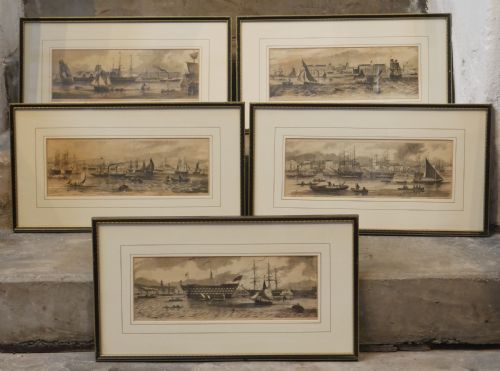


Framed Maritime Art Print
These framed maritime art print pieces bring historic seascapes, naval engagements and coastal harbours directly onto the wall in period frames.
Framed Maritime Art Print
When you search for a framed maritime art print, you meet works spanning the eighteenth, nineteenth and early twentieth centuries, including the Victorian and Edwardian eras. The selection comprises original watercolours, oil paintings, engravings, aquatints, lithographs, etchings, maps, charts and vintage photographs.
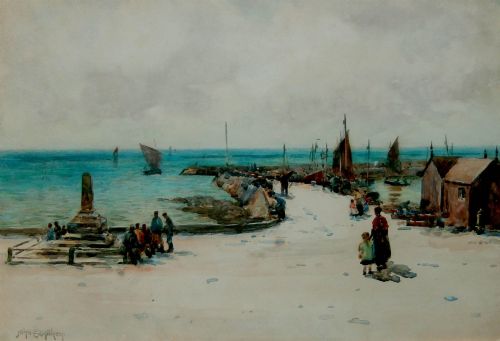
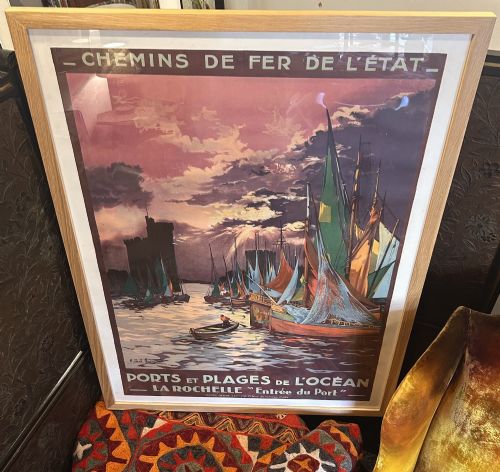
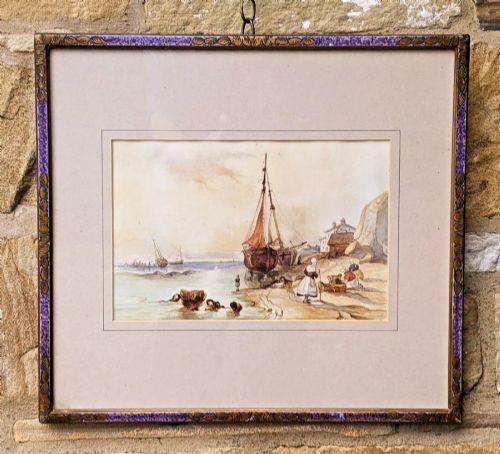
Subjects range from bustling fishing harbours and naval reviews to specific vessels such as royal yachts, steamships and four-masted barques. You encounter individual sheets as well as paired or grouped sets depicting coastal scenes and dockyards.
Most items arrive in their original or period surrounds, combining paper or card with wood, gilt, gold leaf and glass. These pieces record maritime history through the hands of named artists, lithographers and photographers.
How They Were Made
Makers utilised traditional techniques such as watercolour washes, oil paint application, engraving, aquatint and lithography on paper or card bases. Photographic works on card captured subjects like sailors and ships directly from life during the late nineteenth and early twentieth centuries.
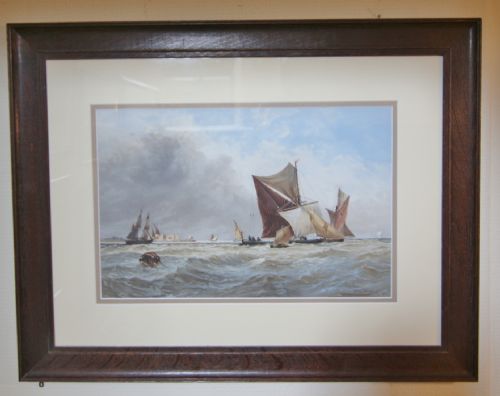
Frames employ timber construction, frequently using oak or giltwood enhanced with gold leaf finishes. Protective glass covers delicate paper surfaces, watercolours and prints while securing them within the wooden moulding.
Object types span paintings, wall art, framed prints, engravings, etchings, maps, charts and vintage photographs.
What Varies in Quality
The distinction rests in the execution of the artist's hand, from rapid topographical charts to detailed watercolours and oils by recognised marine painters. Original prints and engravings show varying degrees of plate impression crispness and ink saturation.
Surrounds contribute significantly, separating simple modern mouldings from original oak and giltwood frames that retain their historic character and glass. The presence of contemporary inscriptions, signatures or documentation elevates the historical weight of the piece.
John E. Aitken·F Corpuz·TB Hardy·W Collard·W J Huggins·Frank Wood·Snaffles·WF Mitchell·Henry Wimbush·John Scott Russell·Thomas Bush Hardy
The Framed Maritime Art Print Glossary
- Aquatint
- An intaglio printmaking technique that produces tonal areas resembling watercolour washes. It was frequently used for nineteenth-century coastal and naval scenes.
- Engraving
- A print created by cutting lines into a metal plate with a sharp tool to hold ink. Multiple impressions were pulled on paper to record ships and docks.
- Lithography
- A planographic printing process based on the repulsion of oil and water on a limestone or metal plate. It allowed publishers to issue multi-coloured ship prints in the nineteenth century.
- Giltwood
- Timber carved and coated with gold leaf or metallic paint. It forms ornate frames for Victorian and Edwardian marine paintings.
- Watercolour
- Pigments bound in a water-soluble vehicle applied to paper. It is the medium behind many harbour scenes and coastal views on this page.
Framed Maritime Art Print: Frequently Asked Questions
What periods do these pieces cover?
The works span from the eighteenth century through the Victorian and Edwardian eras into the early twentieth century. Many date specifically from the nineteenth century.
You encounter items created during periods of significant maritime activity, recording naval vessels, historic ports and coastal life across Britain and Europe.
Are the frames original?
Many examples retain their original or period frames, such as oak surrounds or giltwood mouldings. These are paired with the paper, canvas or card underneath.
Some pieces preserve contemporary glass and backing materials that correspond to the date of the artwork or photograph inside.
What subjects are depicted?
Subjects include sailing ships, steamships, naval officers, captains, dockyards and coastal harbours. You also find maps, navigational charts and naval fleet reviews.
Works record specific vessels like royal yachts and barques alongside broader coastal scenes and international waters.
How should I hang them?
These framed works suit studies, hallways and living spaces where wall art with historical narrative fits the interior. Ensure they hang away from direct sunlight to protect paper, watercolours and pigments.
Consider grouping pairs or sets, such as naval engravings or coastal watercolours, to create a balanced display.