





Framed London Landscape
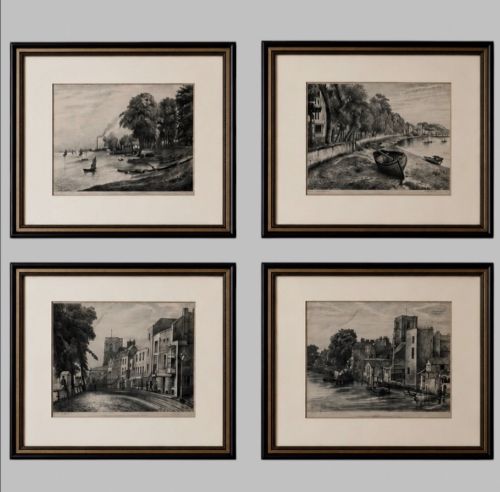
A framed london landscape captures the capital through watercolours, oils, and prints that record streets, rivers, and parks across past centuries.
Framed London Landscape
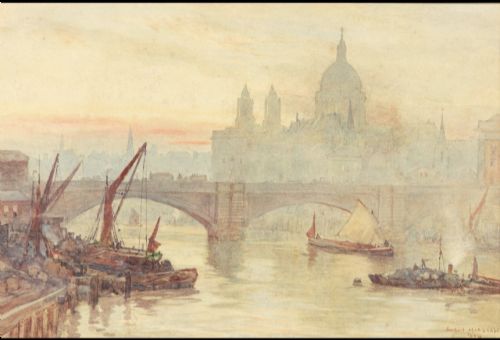
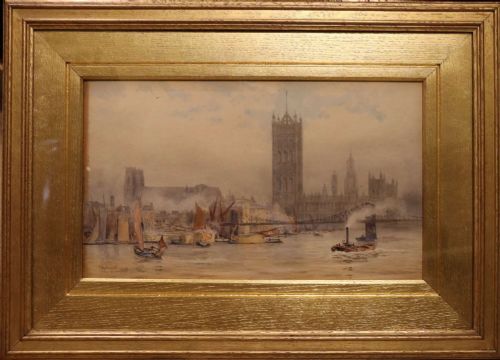
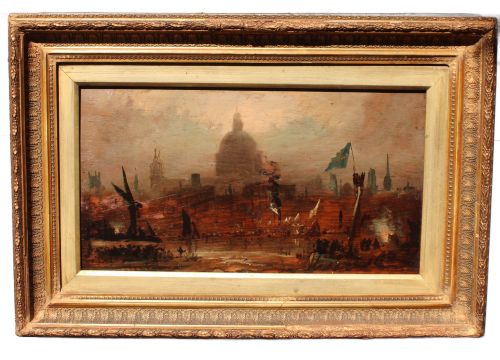
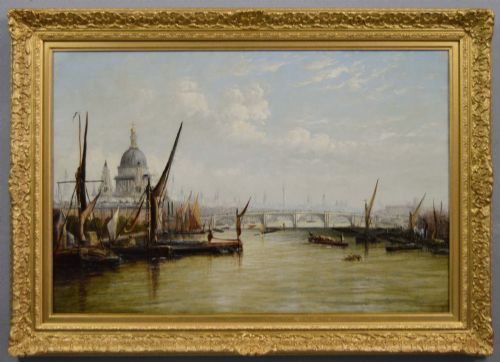
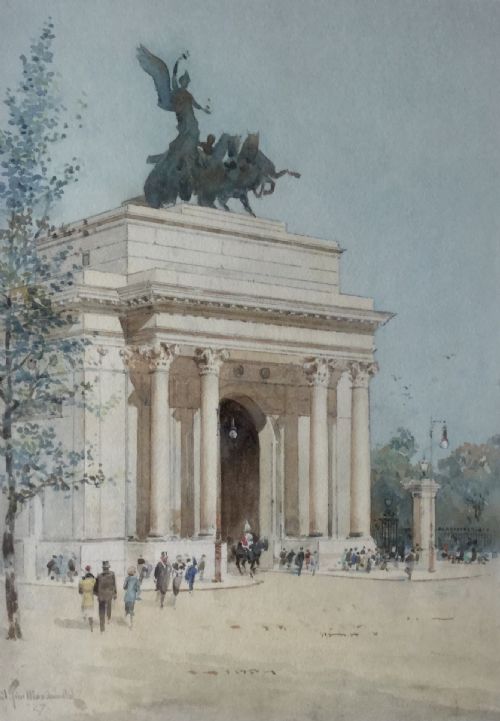
A framed london landscape brings together cityscapes, river views, and architectural studies documenting the capital from the early nineteenth century through to the mid twentieth century. Buyers encounter detailed watercolours, oil paintings on canvas, and hand-coloured prints depicting recognizable landmarks such as the River Thames, St Paul's Cathedral, and Westminster.
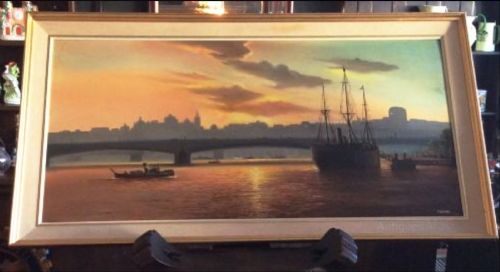
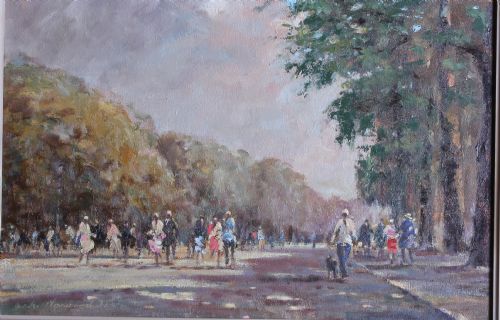
The selection ranges from expansive maritime panoramas of the Upper Pool and Waterloo Bridge to intimate park scenes featuring Kew Gardens and St James's Park. Mediums vary from delicate ink and watercolour works to robust oil paintings housed in traditional wood and gesso frames.
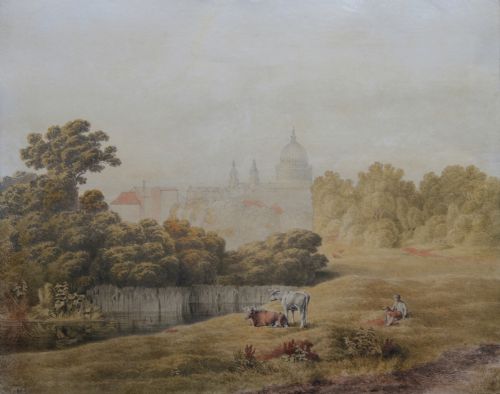
Edwardian watercolours and Victorian oil studies dominate the aesthetic, offering views of bustling river traffic alongside quieter architectural moments. Each piece provides a window into historical London topography as recorded by contemporary artists.
Materials and Technique
Artists relied primarily on paper for watercolours and etchings, or stretched canvas for oil paintings, applying pigments with traditional brushes and inks. Lithographs and printed views utilised early reproduction techniques combined with hand colouring.
Frames incorporate carved wood, moulded gesso, and gold leaf gilding to protect and present the artwork beneath glass where appropriate. These construction methods ensure both the preservation of the delicate paint layers and structural integrity over time.
Framed London Landscape Retail Price Guide 2026
Typical asking prices for framed london landscape among the pieces listed under this phrase on Sellingantiques today, from the lower quarter to the upper quarter. They describe what is for sale here now, not the wider market.
Listings feature works spanning from 1800 to 1960, executed in watercolour, oil on canvas, and hand-coloured etching.
Assessing Quality
Quality rests upon the artist's ability to capture atmospheric light and topographical accuracy, distinguishing competent record-making from exceptional fine art. Brushwork precision in oils and wash control in watercolours dictate the visual impact of each composition.
The preservation of the original paper or canvas, alongside the condition of the period wood and gold leaf frames, influences the overall integrity of the piece. Superior examples retain their original colour vibrancy without excessive fading or restoration.
Herbert Menzies Marshall·Francis Moltino·Charles William Wyllie·Rowland Henry Hill·Beatrice Parsons
The Framed London Landscape Glossary
- Watercolour
- A painting method where fine pigment is suspended in a water-based solution and applied to paper. This medium allows for transparent washes that capture shifting light and atmospheric haze.
- Gesso
- A plaster-like mixture applied to wood frames as a base for moulding and gilding. It provides a smooth surface for subsequent layers of gold leaf.
- Etchings
- Intaglio printmaking techniques where lines are incised into a metal plate with acid. Ink is held in the grooves and transferred to paper under pressure.
- Lithography
- A planographic printing process based on the repulsion of oil and water. Artists draw on stone or metal plates to produce multiple flat images.
- Maritime Art
- Works focusing primarily on ships, seascapes, and river life. This genre frequently documents the bustling commercial activity of the Thames.
Framed London Landscape: Frequently Asked Questions
What periods do these London artworks cover?
The works span from the early nineteenth century through the Edwardian era up to the mid twentieth century. This timeline captures significant shifts in both urban development and artistic styles.
Buyers will find nineteenth-century oil studies alongside early twentieth-century topographical watercolours and later panoramic views.
How should I hang and light these pieces?
Hang paintings and watercolours away from direct sunlight to prevent the fading of delicate pigments on paper and canvas. Stable room temperatures protect the wooden frames and gesso layers from cracking.
Use gentle, directional picture lights to highlight the brushwork without generating excessive heat that could damage older materials.
What subjects are most common?
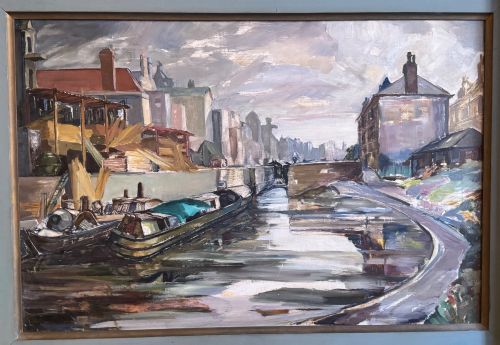
River scenes along the Thames dominate the selection, including bridges, shipping traffic, and the Houses of Parliament. City streets, historic monuments, and royal parks also feature prominently.
Artists frequently recorded recognisable London landmarks under varying atmospheric conditions, from smoky urban skies to bright spring gardens.