

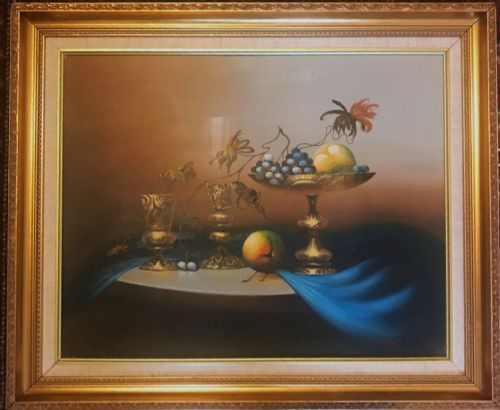

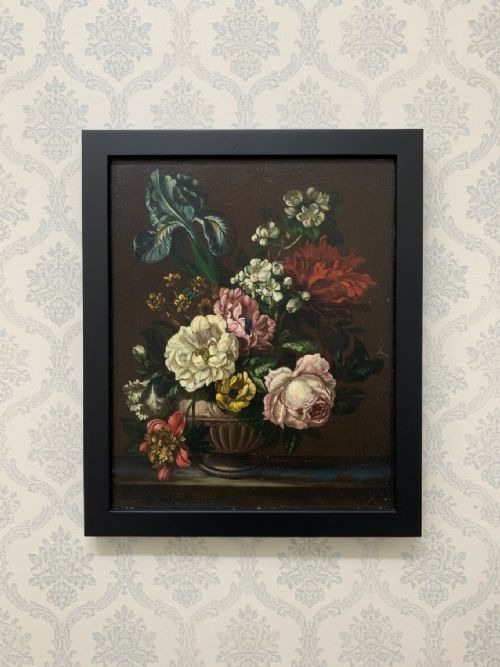
Framed Life Painting
A framed life painting brings a rich narrative of botanical studies or domestic scenes into a room through lasting pigments.
Framed Life Painting
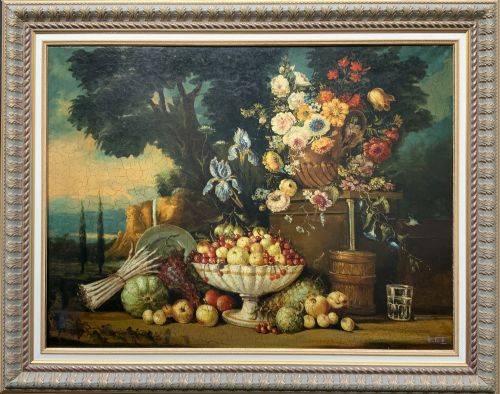
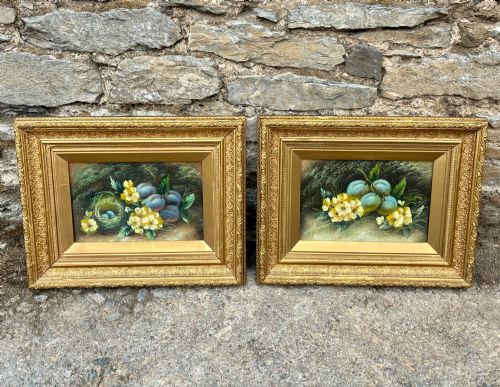
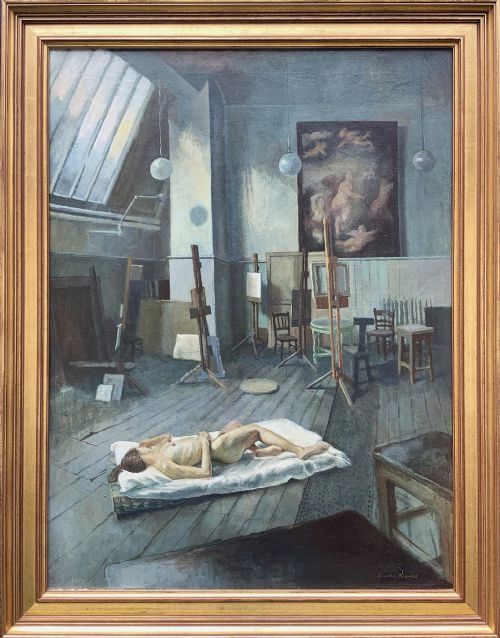
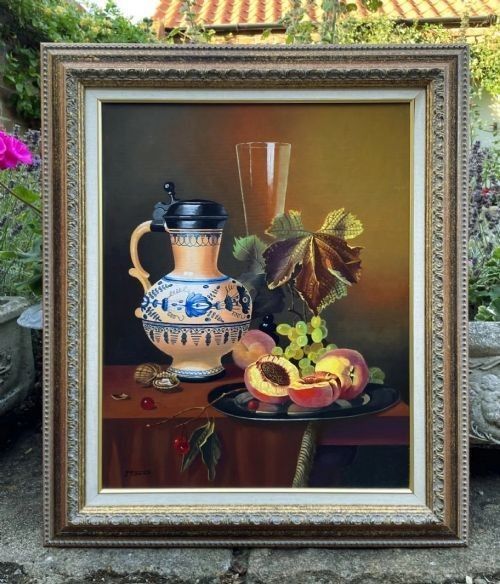
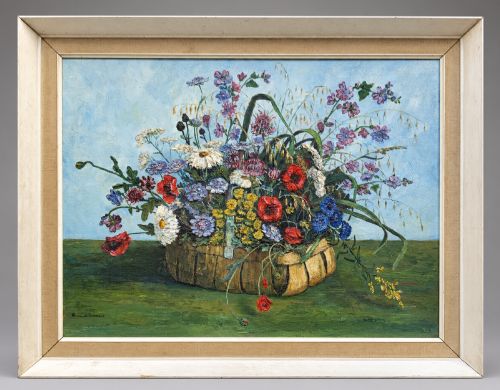
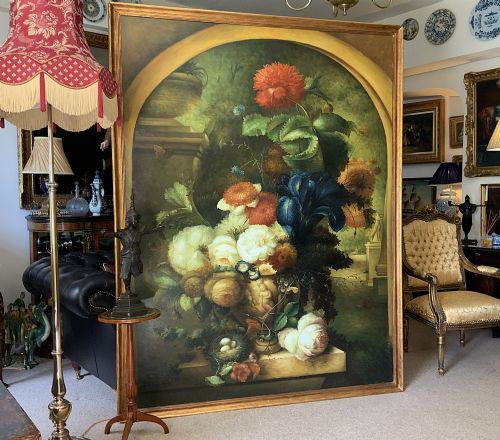
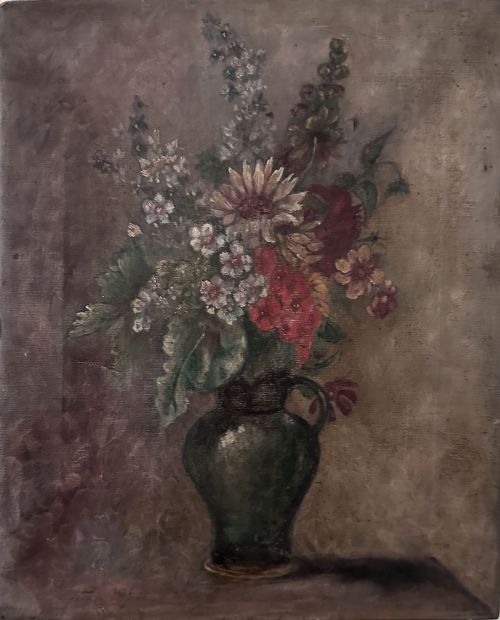
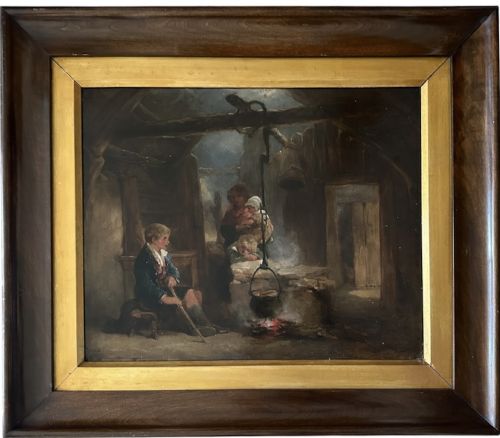
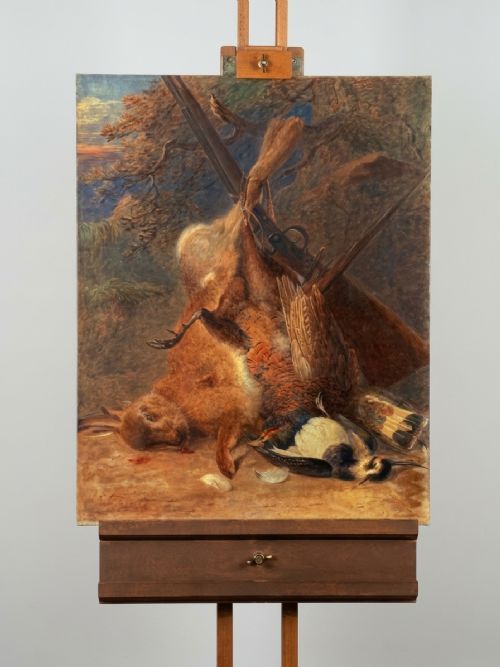
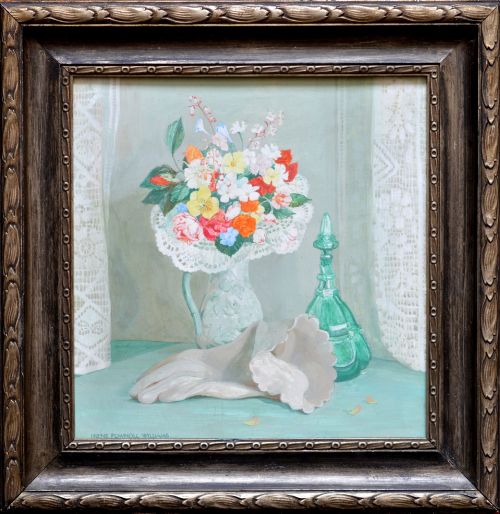
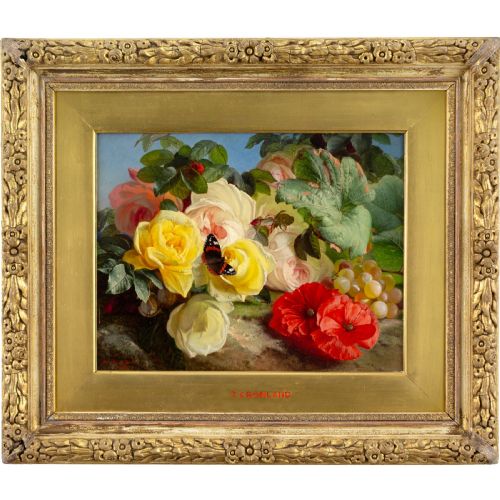
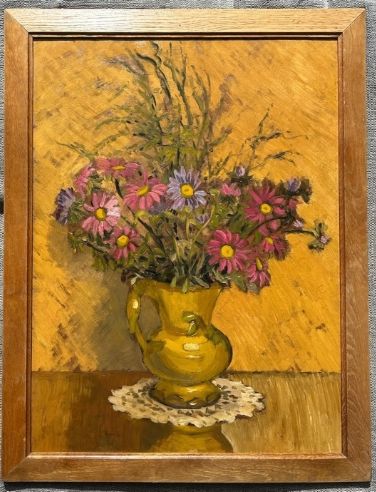
A framed life painting captures botanical specimens, fruit arrangements, and narrative scenes preserved on canvas, wood panel, or paper. When searching this phrase, a buyer encounters everything from intimate Victorian flower studies to monumental Dutch style compositions.
The selection ranges across the nineteenth and twentieth centuries, taking in Edwardian works, mid-century modern interpretations, and occasional seventeenth-century Flemish Baroque examples. These pieces frequently manifest as oil paintings, watercolours, gouache, or pastels held within period borders.
Wall art of this nature predominantly centres on still life and genre subjects, bringing historical domesticity and natural detail into contemporary interiors. Buyers most commonly meet nineteenth-century oil paintings on canvas and mid-century works on board on this page.
Materials and construction
These works rely primarily on oil paint applied to canvas, wood panel, or paper support, frequently accompanied by watercolour and gouache mediums. Artists built up their compositions using rich pigments that retain their depth across centuries.
The enclosing surrounds utilise wood, glass, and gold leaf, often finished with gilt gesso or structured as trumeau pier mirrors. These protective housings complement the painted surface while securing the artwork for display.
The listings on this page span from the seventeenth century through to the mid-twentieth century, featuring oil, watercolour, gouache, and pastel.
Quality and execution
Superior execution shows in the handling of light, shadow, and texture, particularly in the rendering of fruit skins, delicate petals, and woven baskets. Master painters achieve a natural luminosity that lesser hands fail to capture.
The integrity of the original support and the sympathetic preservation of the surrounding gilt frame elevate certain examples above standard decorative works. Condition and period harmony dictate the distinction between typical studio output and exceptional fine art.
Oliver Clare·Edward Ladell·Michelangelo Meucci·Howard Helmick·Konstantin Stoitzner
The Framed Life Painting Glossary
- Oil paint
- A slow-drying medium composed of pigments suspended in a drying oil, typically linseed. This allowed artists to achieve subtle gradations of tone and rich surface textures.
- Gesso
- A plaster-like mixture used as a base for paint or moulded into decorative reliefs on wooden frames. It provided a smooth, uniform surface before gilding.
- Trumeau
- An ornate architectural mirror or panel set above a mantelpiece or between windows. They often incorporate painted panels or floral motifs within their wooden structure.
- Gouache
- An opaque water-based paint featuring larger pigment particles than watercolour. It produces a flat, matte finish prized for botanical and floral studies.
- Panel
- A rigid support for painting, usually made of wood. Panels offered a stable alternative to canvas during earlier centuries.
Framed Life Painting: Frequently Asked Questions
What is a framed life painting?
A framed life painting is an original artwork depicting botanical specimens, fruit, or genre scenes, preserved behind glass or within a decorative border.
These pieces capture fleeting natural moments through durable mediums like oil, watercolour, and gouache on canvas, panel, or paper.
How were these paintings displayed?
Historically, these artworks hung in principal reception rooms, dining spaces, and studies to bring the outdoors inside.
They were typically mounted in heavy gilt gesso frames designed to catch the ambient candlelight or natural window illumination.
How do I care for my painting?
Keep the artwork away from direct sunlight and dramatic shifts in temperature or humidity to protect the delicate canvas and pigments.
Dust the wooden and gilt frames gently with a soft, dry cloth without applying chemical cleaning products.
How can I identify the period?
Examine the stretcher bars, canvas weave, paper type, and the construction methods used on the reverse of the frame.
Stylistic cues such as Victorian botanical precision or mid-century impressionist brushwork also point toward specific decades.