



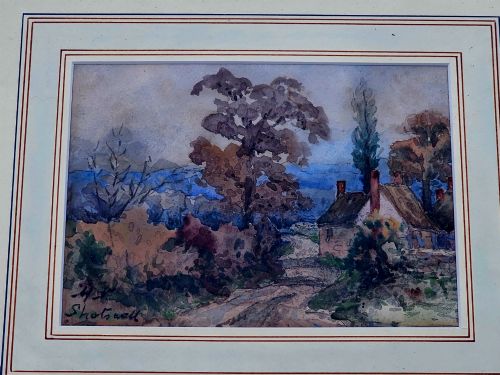
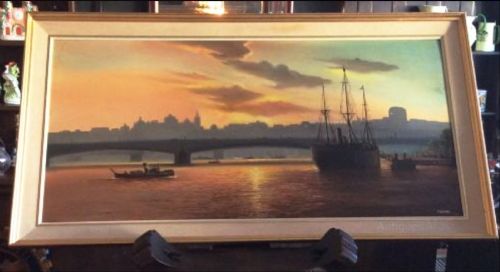

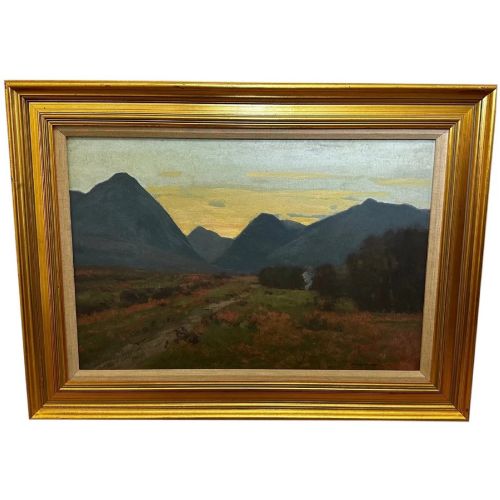
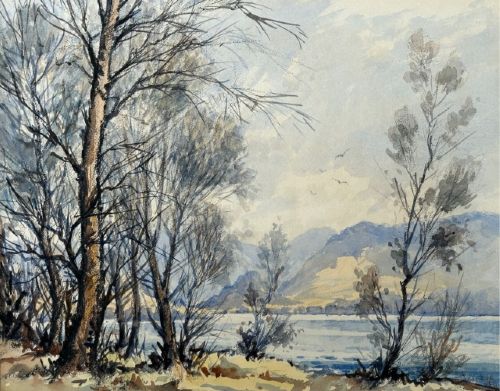
Framed Landscape Wall Picture
A framed landscape wall picture brings the depth of open fields, rivers and coastlines directly into a room.
Framed Landscape Wall Picture
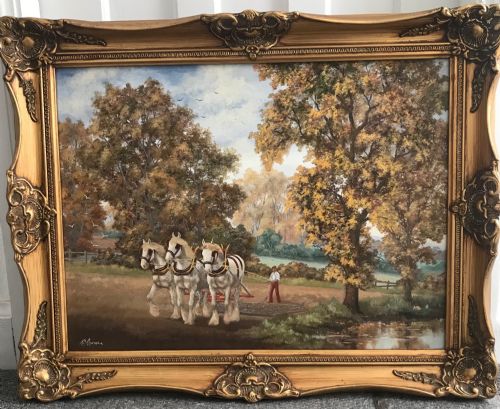
When looking for a framed landscape wall picture, one encounters works executed across centuries, spanning the 19th century through to the mid 20th century. These pieces record rural vistas, coastal scenes, marine panoramas and agrarian life.
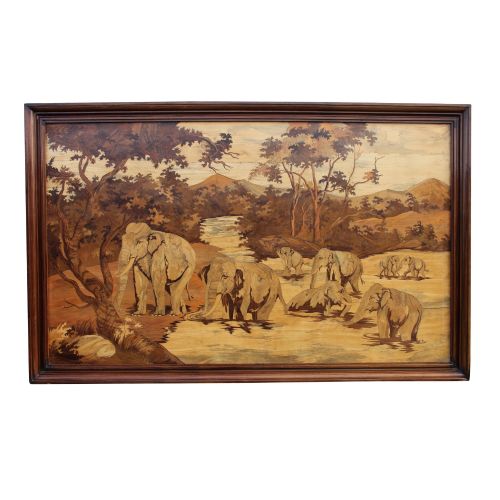
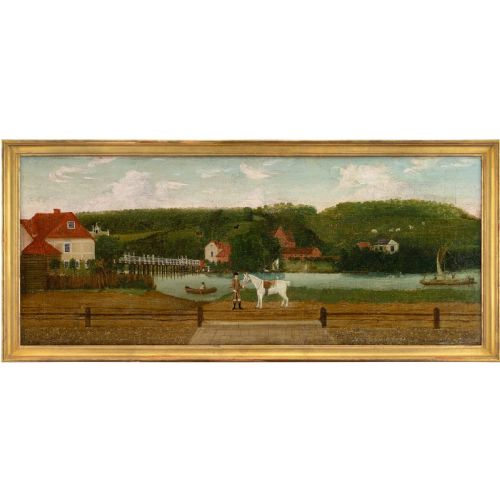
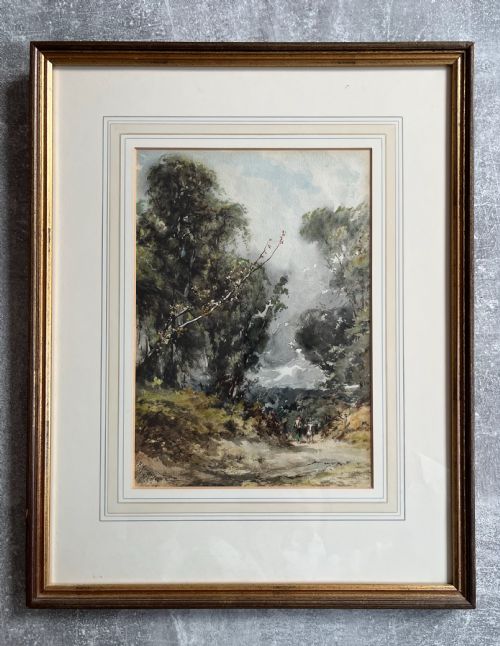
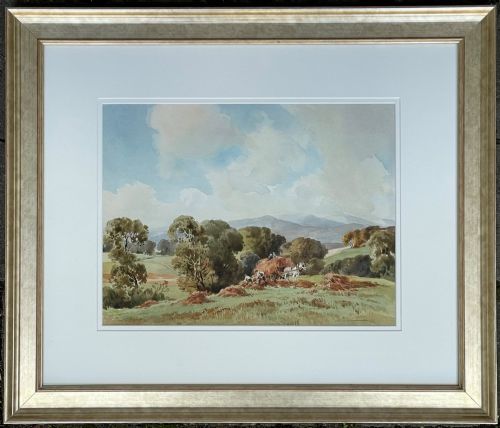
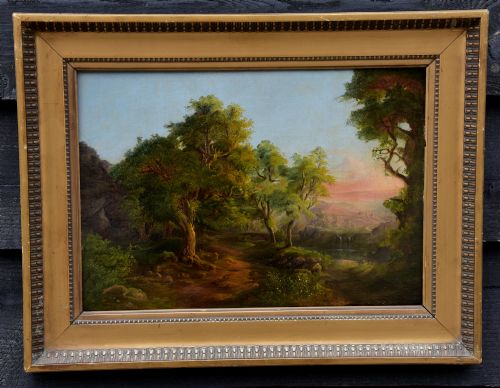
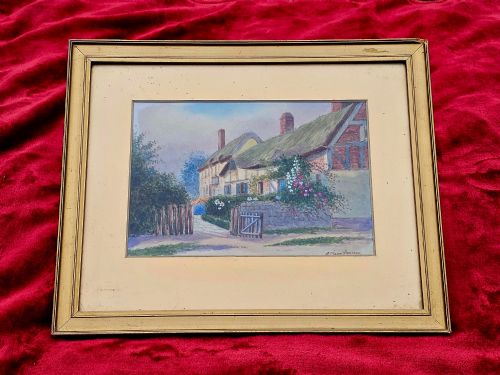
The most frequent examples on this page are 19th-century and Edwardian watercolours, alongside oil paintings on canvas, board and wood panels. Victorian and later interpretations capture both British countryside scenes and continental views.
Makers and artists range from named painters such as George Fotherly Hargitt and David Bates to anonymous hands working within the British and European schools.
How they were made
The physical build relies on traditional supports like stretched canvas, wooden panels, card and heavy paper, housed within wood and gilt wood frames behind glass where watercolours or pastels demand protection.
Artists built the imagery using oil paint, watercolour, pastel and lithography. Brushwork and pigment application move from tight 19th-century realism to loose impressionist and post-impressionist handling.
Materials recorded across the inventory include wood, paper, glass, canvas and gilt wood.
What varies in quality
The distinction between tiers rests upon the sureness of the draughtsmanship and the artist's command of light, atmosphere and perspective within the scene. Finer works display confident handling of pigment and harmonious colour palettes that hold the eye.
The integrity of the original frame and the preservation of the painted or drawn surface dictate the standing of a piece. Earlier works retaining their period gilt surrounds carry greater visual coherence.
George Fotherly Hargitt·William H Myers·Donald Grant·Percy Lancaster·A Marie Parsons·George Houston·Robert Leslie Howey·David Bates·Benjamin Barker of Bath·Charles Houben·Francis Moltino·Lucy Pratt·David Roberts·Johannes Lingelbach·Frederick Walker·Thomas Maidment·Frederick James Kerr·John Wilson Carmichael·John Bond·Albert Rieger·Maud Raphael Jones·Étienne Baudet
The Framed Landscape Wall Picture Glossary
- Oil on Canvas
- Pigment bound in drying oil applied to a woven fabric support stretched over a wooden frame. This method allows for rich texture and deep colour saturation.
- Watercolour
- Paint consisting of colour suspended in a water-soluble binder, typically applied to paper. It yields transparent washes and delicate atmospheric effects.
- Impressionism
- A style of painting emphasising light and its changing qualities, visible brushstrokes and ordinary subject matter. It emerged in the 19th century.
- Wood Panel
- A rigid flat piece of timber used as a painting support instead of canvas. Artists utilised panels for stability and smooth surfaces.
- Lithograph
- A print made from a planographic process in which the image is printed from stone or metal plates. It permits multiple reproductions of a drawn composition.
Framed Landscape Wall Picture: Frequently Asked Questions
How do I date an old landscape painting?
Dating relies on examining the stretcher frames, canvas type, paper quality and framing styles alongside any signatures or dates inscribed by the artist. Stylistic shifts between Victorian realism and later impressionism also offer clear chronological markers.
Secondary clues include biographical records of named painters and the physical ageing of pigments and grounds. Comparing the work to documented examples helps narrow down the decade of creation.
Are watercolours framed differently than oils?
Waterpapers, watercolours and pastels require glass to protect the fragile paper surface from dust, moisture and atmospheric pollutants. They are typically mounted with card borders that keep the sheet from touching the glass.
Oil paintings on canvas or panel remain unglazed because the cured oil paint surface is more robust. Their frames focus on structural support and aesthetic framing rather than physical containment behind glass.
What is a Grand Tour oil painting?
A Grand Tour painting is a view of European cities, monuments or landscapes purchased by travellers during their educational journeys across the continent. These pieces served as visual records of foreign sights before the advent of photography.
Such works often depict Italian lakes, Venetian lagoons or classical ruins executed by local artists catering to British and European visitors.
How should I hang a heavy framed picture?
Heavy framed pictures require sturdy fixings suited to the wall construction, whether plaster, brick or studwork. Using picture wire or heavy-duty D-rings rated for the specific weight ensures secure suspension.
Placement should avoid direct sunlight and damp environments to protect both the frame's gilding and the pigments within the artwork.