

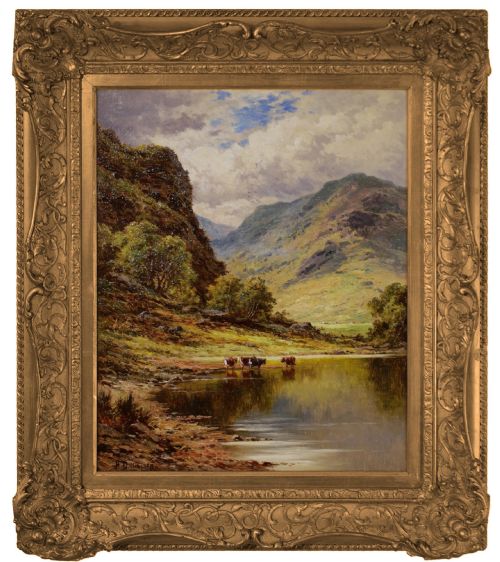


Framed Lake Painting
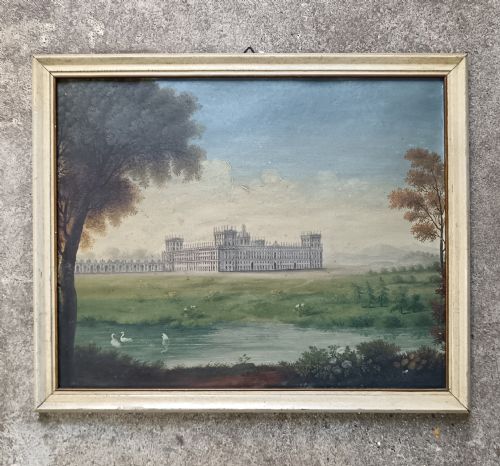
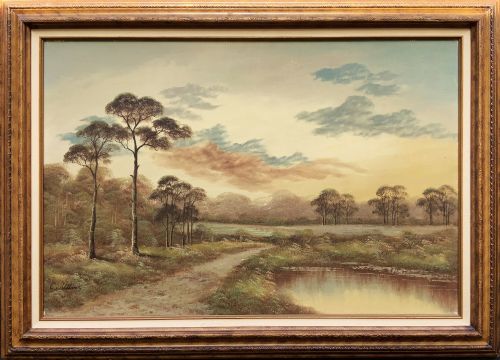
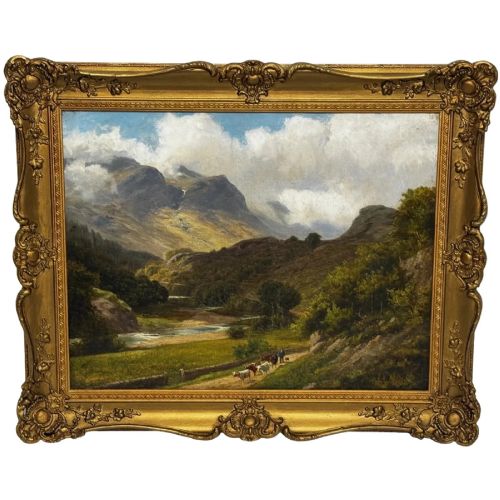
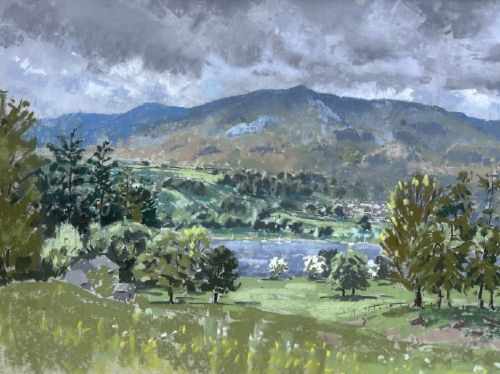
When you search for framed lake painting, you enter a rich tradition of landscape art capturing water and light across the centuries.
Framed Lake Painting
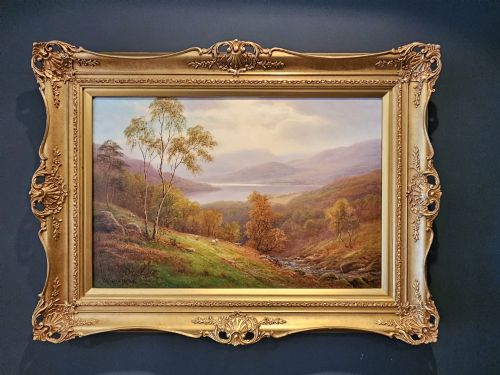
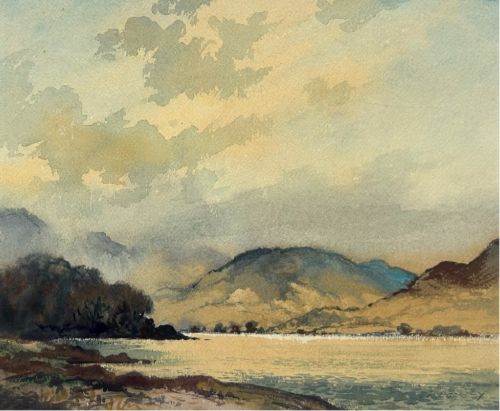
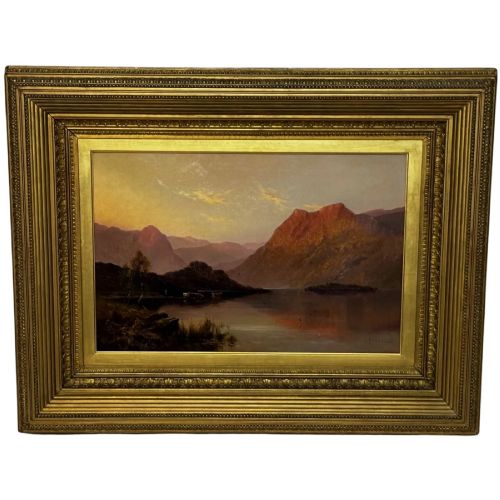
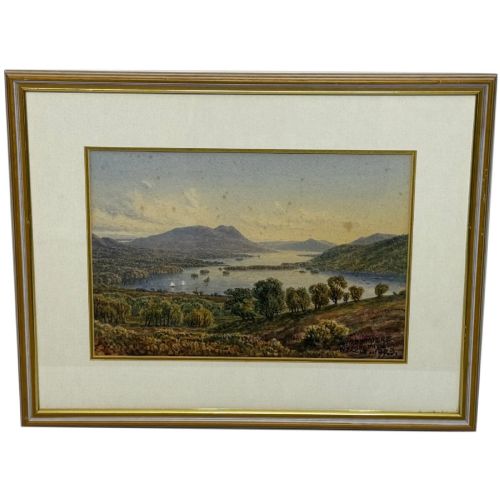
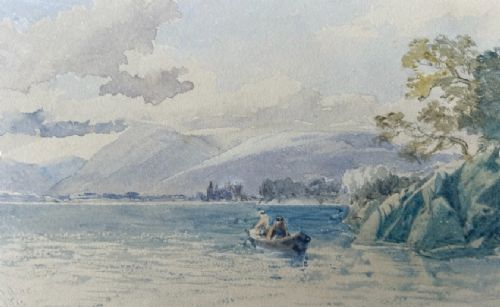
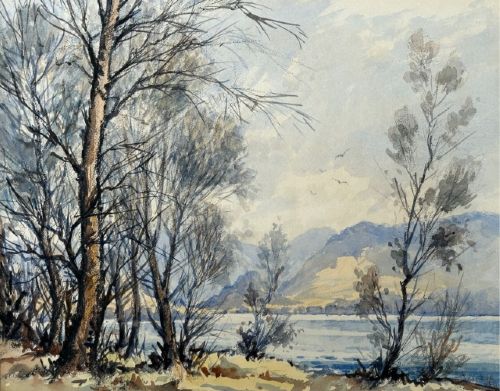
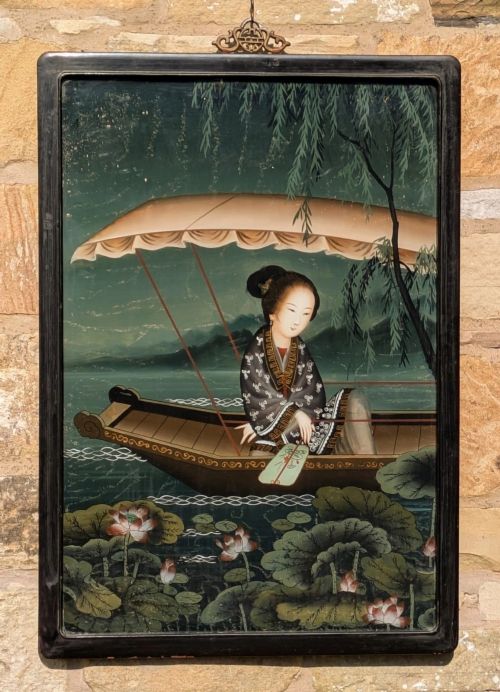
A framed lake painting brings water, mountains, and skies into interior spaces through historic canvases and watercolours. When exploring framed lake painting on this page, you encounter works spanning the Victorian and Edwardian eras alongside mid-century compositions.
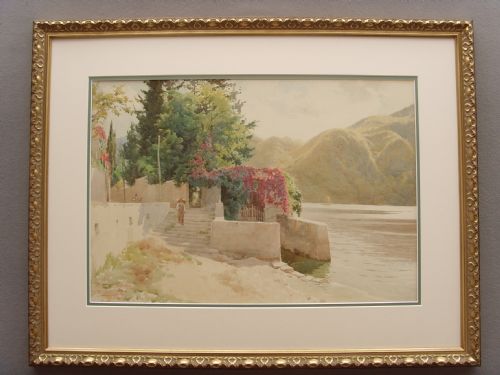
The selections record specific British bodies of water like Coniston Water, Windermere, and Loch Awe, as well as continental scenes from Italy and the Alps. These works capture serene mornings, moody mountain backdrops, and pastoral shorelines in varied original frames.
Makers and painters range from listed Victorian artists to mid-century practitioners working in watercolour, pastel, and oil. Each piece presents a distinct regional topography, anchored by wood, gesso, and gilt framing.
How they were made
Artists painted primarily with oil on canvas or applied watercolour pigments to paper, sometimes utilising pastel or impasto techniques to build surface texture. Canvas supports provide structural depth for oils, while watercolours rely on paper mounts beneath glass protection.
Frames employ wood construction ornamented with moulded gesso and giltwood finishes to complement the pastoral or romantic subject matter. These protective housings range from simple moulded wooden surrounds to ornate, heavy gilt frames intended to enhance the tonal range of the artwork.
Framed Lake Painting Retail Price Guide 2026
Typical asking prices for framed lake painting among the pieces listed under this phrase on Sellingantiques today, from the lower quarter to the upper quarter. They describe what is for sale here now, not the wider market.
Materials recorded across the inventory include wood, canvas, paper, gesso, glass, and giltwood frames.
What varies in quality
The strength of a composition rests on the artist's handling of atmospheric light, water reflection, and topographical accuracy. Superior examples demonstrate confident brushwork and balanced colour harmonies that convey the specific mood of a landscape.
Framing integrity also influences the overall standing of a piece, as original period giltwood and gesso mouldings contribute historical context and aesthetic weight. Finer works maintain stable paint layers on canvas or vibrant pigment preservation beneath glass.
Angus Rands·William Mellor·Robert George Talbot Kelly·William Taylor Longmire·Thomas Miles Richardson Jnr·Alfred Fontville de Breanski Jr·Robert Leslie Howey·Henry H. Parker·Helen Layfield Bradley·Gabriel Dauchot·Frank Hider·Charles Leslie·Giulio Cecchini·J Laporte·James Gunson Atkinson·John Douglas Perrett·Edward Horace Thompson·James Bell Anderson·Joseph Farrington·Alfred de Breanski·Thomas Bush Hardy·Alexis De Leeuw
The Framed Lake Painting Glossary
- Impasto
- Paint applied thickly to a canvas, standing out from the surface so that the marks of the brush or palette knife remain visible. This technique adds tactile depth and catches light across water lilies or mountain highlights.
- Giltwood
- Wood carved and coated with gold leaf or a gold-coloured metallic finish for decorative framing. It provides a luminous border that isolates the painting from the surrounding wall.
- Gesso
- A paint mixture consisting of a neutral binder mixed with chalk, gypsum, or pigment used to prepare wood surfaces for gilding. It allows intricate moulded details on antique frames.
- Watercolour
- A painting method in which the paints are made of pigments suspended in a water-based solution. Paper serves as the primary support, capturing translucent washes of light.
Framed Lake Painting: Frequently Asked Questions
Where were these lake scenes painted?
The artworks document locations across the British Lake District, Scottish lochs, and European destinations including Italian lakes and Alpine vistas.
Artists travelled to these specific waters to record changing light conditions and mountainous geography.
How should I hang a framed painting?
Secure wall fixings suited to the weight of the timber and giltwood frame, keeping the artwork away from direct sunlight and damp conditions.
Ensure the hanging height places the centre of the canvas at comfortable eye level for viewers.
What framing materials are common?
Frames typically combine wooden foundations with moulded gesso ornament and gilt finishes designed to match the period of the artwork.
Watercolours often feature protective glass glazing paired with paper mats, while oil paintings remain open to the air.
How do I identify the painting period?
Stylistic markers such as Victorian romanticism, Edwardian palette choices, or mid-century impasto techniques help establish the era of creation.
Signatures, artist dates, and original framing construction offer further clues to the decade of origin.