

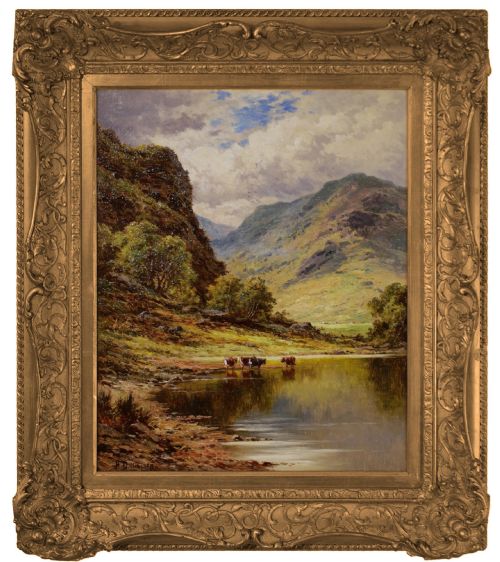


Framed Lake Landscape
Framed lake landscape artworks bring serene bodies of water and surrounding topography into interior spaces through historic paintings and watercolours.
Framed Lake Landscape
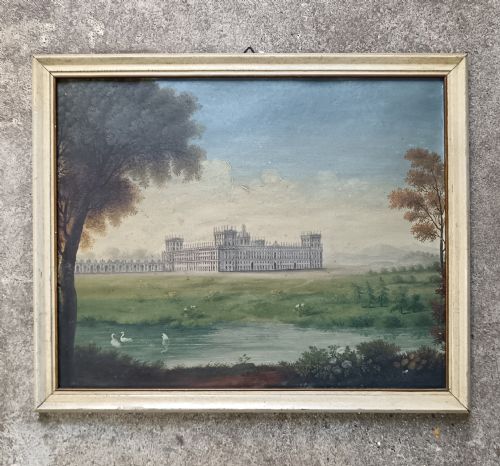
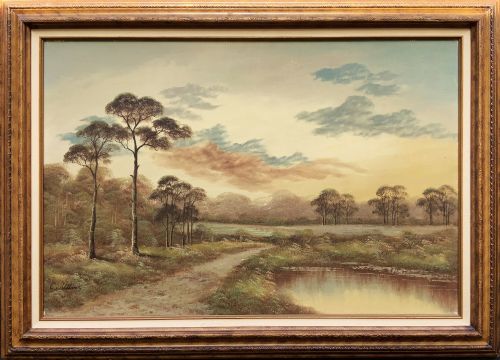
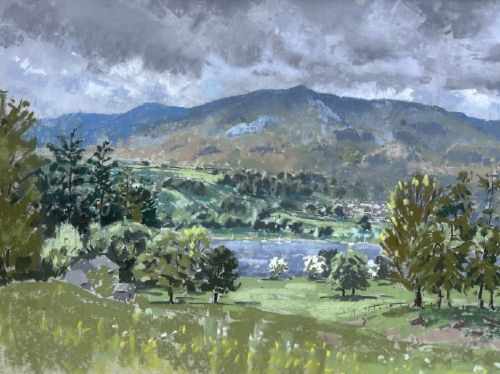
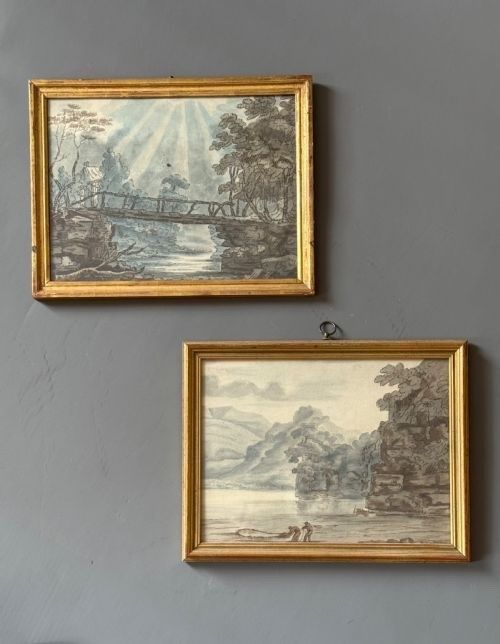
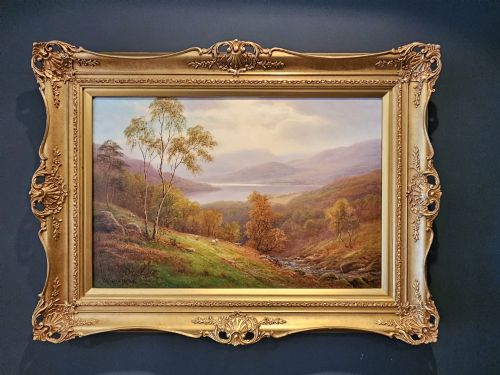
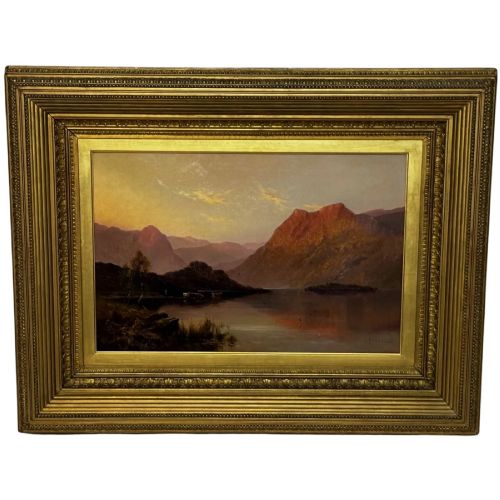
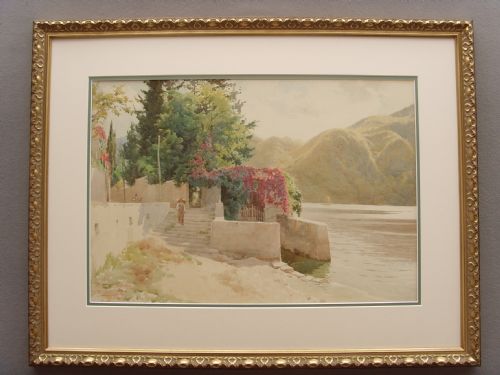
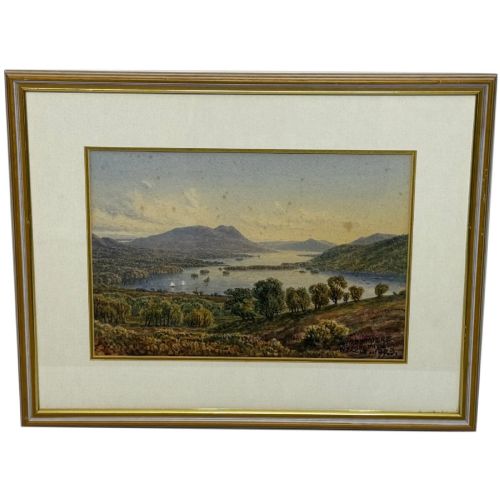
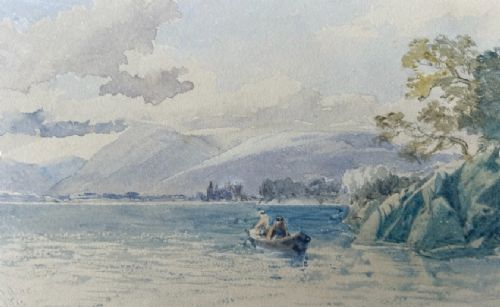
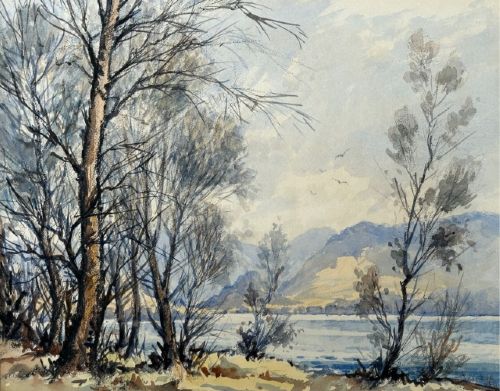
A framed lake landscape captures expanses of water from the Lake District, Scottish lochs, and continental settings like Lake Como or Lake Garda. These pieces range from Victorian oils on canvas to Edwardian watercolours and mid-century pastel drawings.
Buyers encounter subjects spanning British waterways, Alpine vistas, and French Impressionist garden scenes. The selection includes works executed in oil paint, watercolour, and pen-and-ink on paper.
Represented styles stretch across nineteenth-century romanticism, impressionism, and mid-century modern interpretations. Many retain their period frames, incorporating wood, glass, and gesso elements.
How They Were Made
Artists applied oil paint and watercolour onto stretched canvas, paper, or card supports. Pigments built up through layered brushwork, capturing light across water and distant mountains.
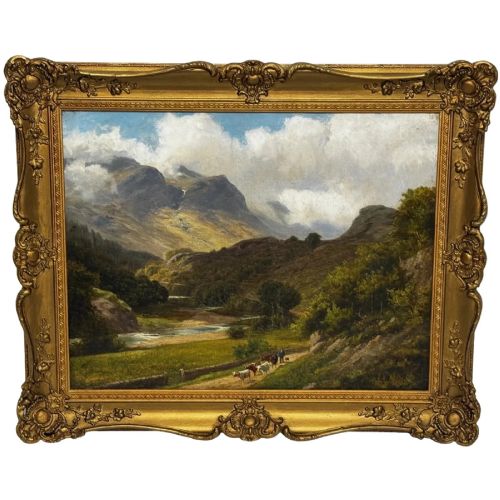
Enclosing these works required wooden frames, frequently finished with moulded gesso detailing. Glazing protected delicate watercolours and drawings behind glass.
Framed Lake Landscape Retail Price Guide 2026
Typical asking prices for framed lake landscape among the pieces listed under this phrase on Sellingantiques today, from the lower quarter to the upper quarter. They describe what is for sale here now, not the wider market.
Several canvases capture cows pausing near Cumbrian waters while storms clear over distant mountain ranges.
What Varies in Quality
Depth of composition and handling of natural light distinguish finer examples from simpler decorative works. Skilled brushwork conveys the movement of water and atmospheric changes across the landscape.
The integrity of the original framing contributes significantly to the overall piece. Ornate gesso mouldings and period wooden surrounds complement the visual weight of the canvas or paper within.
William Mellor·Thomas Miles Richardson Jnr·Alfred Fontville de Breanski Jr·Helen Layfield Bradley·Gabriel Dauchot·Frank Hider·Thomas Bush Hardy
The Framed Lake Landscape Glossary
- Oil on Canvas
- Pigment mixed with drying oil applied to a woven fabric stretched across a wooden frame. This medium allowed artists to build rich textures and deep tones.
- Watercolour
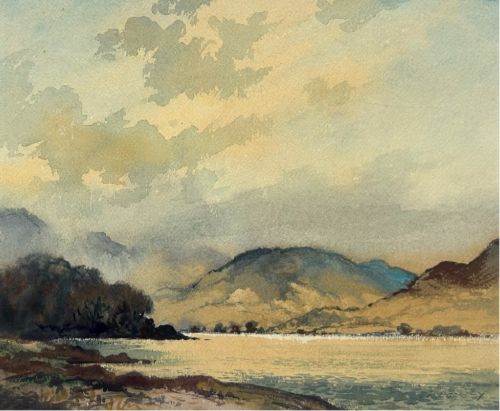
- A paint consisting of water-soluble pigments used on paper supports. It provides translucent washes of colour suited to capturing light on water.
- Gesso
- A paint mixture consisting of a neutral binder mixed with chalk, gypsum, or pigment. It served as a smooth base for moulding decorative details on wooden frames.
- Impasto
- Paint applied thickly to a canvas, standing out from the surface so that brush or palette-knife marks remain visible. This technique adds physical texture to the water or foliage in a scene.
Framed Lake Landscape: Frequently Asked Questions
How do I date a framed lake landscape?
Dating relies on the materials used for the support, the framing style, and any signatures or inscriptions on the reverse. Victorian and Edwardian works often feature specific framing techniques and paper watermarks.
Examining the pigment type and canvas preparation also helps place the piece within nineteenth or twentieth-century production periods.
Where should I hang a lake landscape?
These artworks suit rooms with balanced natural light away from direct, harsh sunlight to protect oil paint and watercolours. Wall spaces above mantelpieces or in studies offer stable environments.
Keeping them clear of damp sources preserves both the wooden frames and the paper or canvas supports.
What is the difference between oil and watercolour?
Oils use pigment suspended in drying oil on canvas or wood panels, allowing for heavy textures and deep colour layering. Watercolours employ water-soluble pigments on paper, creating translucent, lighter compositions.
Watercolours require protective glass glazing, whereas many oil paintings remain unglazed.
Are original frames important?
Period frames contribute historical context and aesthetic balance to the artwork they enclose. Original gesso and wood mouldings match the era of the painting.
Matching frames protect the edges of the canvas or paper and maintain the piece's integrated presentation.