




Framed Lake District Artwork
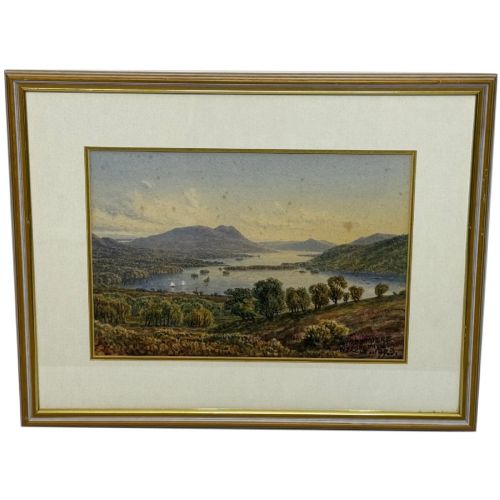
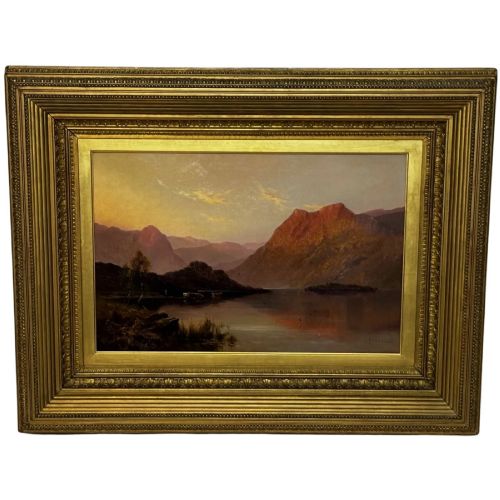
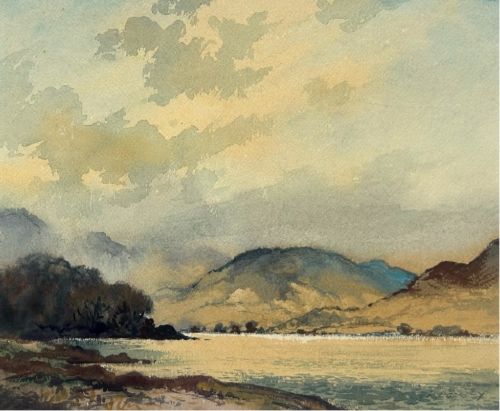
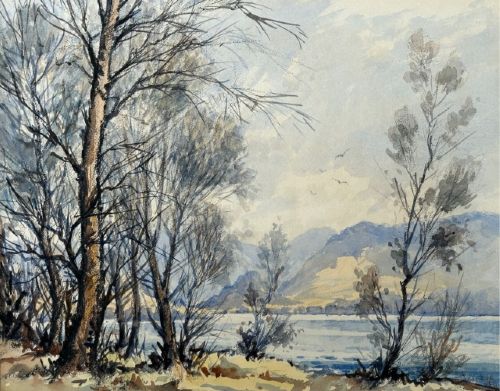
Framed lake district artwork brings the crags, tarns and valleys of the north directly to the wall through period watercolours and oils.
Framed Lake District Artwork
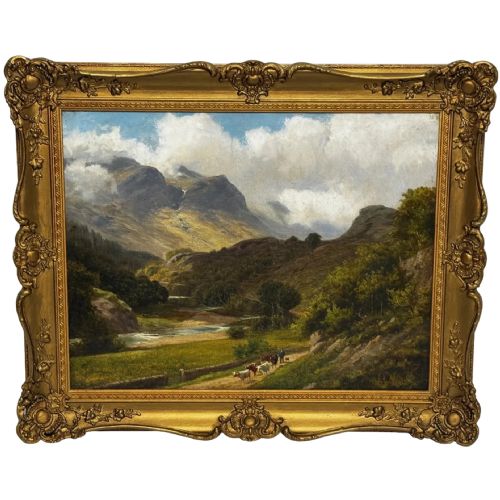
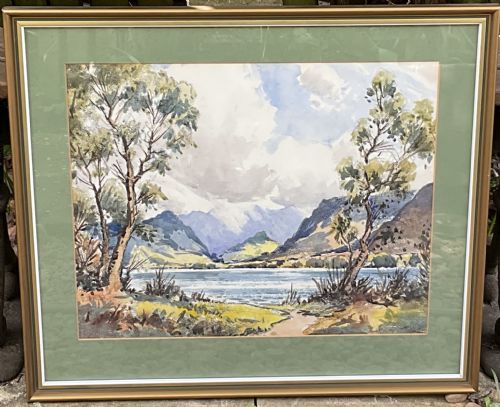
Framed lake district artwork captures the topography and changing light of northern landscapes through traditional painting and drawing media. These pieces range from early topographical watercolours to mid-century impressionist oil paintings.
The selection encountered here relies on works executed on paper, canvas and panel, secured behind glass or within gesso frames. Subjects span familiar waters like Windermere and Ullswater alongside quieter fells and valleys.
Collector interest centres on period depictions by named English school painters rather than anonymous prints. Works date across the seventeenth, nineteenth and twentieth centuries, reflecting changing interpretations of the Cumbrian terrain.
Materials and methods
Artists record the terrain using oil paint on canvas or board, watercolour on paper, and ink or charcoal for preparatory sketches. Pigments are applied to capture atmospheric weather across fells and estuaries.
Frames utilise wood and moulded gesso to protect the picture surface, often retaining original glazing for works on paper. Support materials range from heavy artist paper to stretched canvas.
Cattle grazing quietly on Grizedale Pike have watched landscape painters brave the Cumbrian drizzle for over a century.
Distinctions in quality
Quality rests upon the handling of light and the direct observation of topographical detail by the artist. Stronger works convey the distinct atmosphere of the Cumbrian climate rather than relying on formulaic composition.
The integration of the piece with its period frame contributes significantly to the integrity of the object. Hand-carved gesso frames suited to the date of the canvas elevate the presentation.
William Taylor Longmire·Alfred Fontville de Breanski Jr·Robert Leslie Howey·Helen Layfield Bradley·Edward Horace Thompson·Joseph Farrington RA·Stephen Enoch Hogley·Alfred de Breanski·Claude Muncaster·T.B.Garvie·Sidney Richard Percy·Cornelius Pearson·William Mellor·Percy Lancaster·Charles Pettitt
The Framed Lake District Artwork Glossary
- Impasto
- Paint applied thickly to a canvas so that it stands out from the surface, creating visible texture and dimension. This technique is often used to emphasise water highlights or rocky crags.
- Topographical
- Representing specific physical locations with geographical accuracy rather than inventing an idealized scene. These views document historical changes to northern towns and lakes.
- Gesso
- A plaster-like mixture applied to wood mouldings before gilding or painting to create decorative frames. Period frames utilise this material to achieve crisp surface ornamentation.
- Watercolour
- A painting method where fine pigment is suspended in water-soluble binders on paper. It requires rapid application and allows light to reflect from the white paper through translucent washes.
Framed Lake District Artwork: Frequently Asked Questions
What periods do these pieces date from?
The selection spans from the seventeenth century through the Victorian and Edwardian eras into the mid-twentieth century. Works reflect the changing aesthetic movements of each decade.
Most items originate from the nineteenth and mid-twentieth centuries, capturing evolving regional landscape traditions.
Are all items framed and glazed?
Works on paper such as watercolours and sketches typically arrive framed and glazed behind protective glass. Oil paintings on canvas are generally framed without glass to expose the textured surface.
Original frames often accompany the paintings, though some pieces feature later complementary surrounds.
How do I identify the specific location depicted?
Many works bear inscriptions, signatures or titles on the reverse or within the composition naming lakes, fells and becks. Reference to nineteenth-century topographical surveys helps locate lesser-known rural viewpoints.
Artists frequently recorded precise spots such as Windermere, Borrowdale or the Langdale Pikes directly on the mount or stretcher.
What is the difference between an oil and a watercolour here?
Oils use pigment suspended in drying oil on canvas or panel, offering rich colour depth and textured impasto surfaces. They are suited to heavier frames without glass protection.
Watercolours utilise translucent washes on paper to capture lighter atmospheric conditions and require glazing for preservation against moisture and dust.