

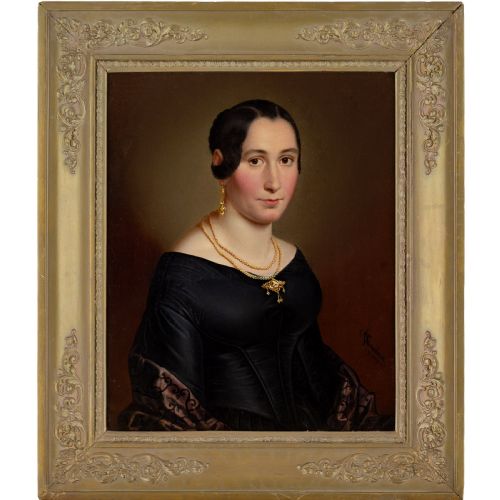
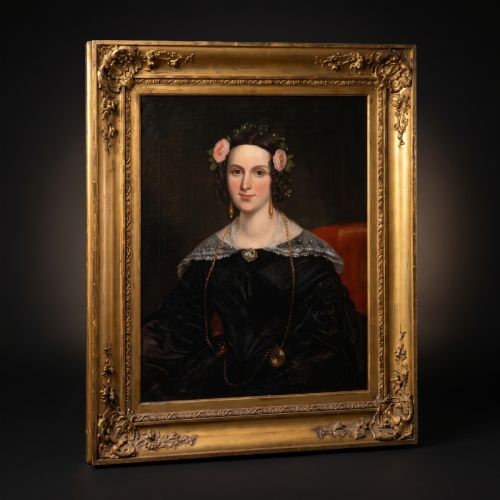
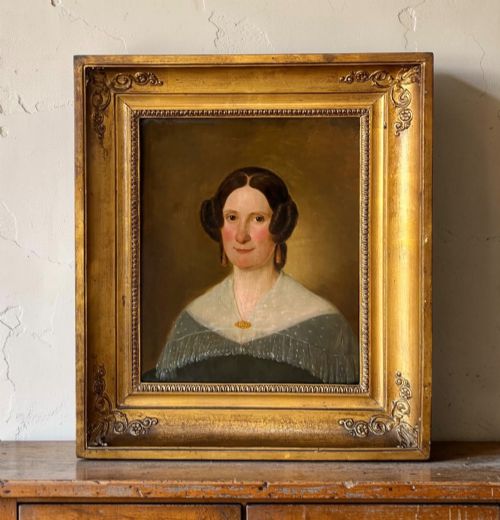
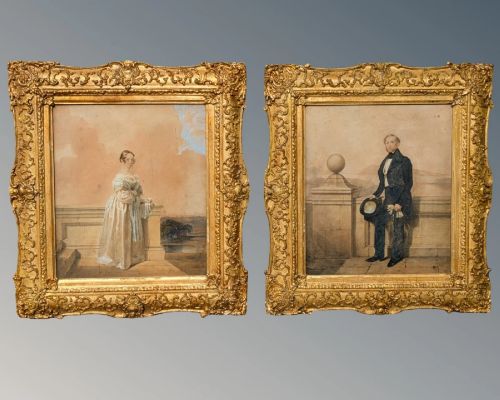
Framed Lady Portrait Painting
A framed lady portrait painting brings the presence of past centuries into a room through oil, pastel, and watercolour.
Framed Lady Portrait Painting
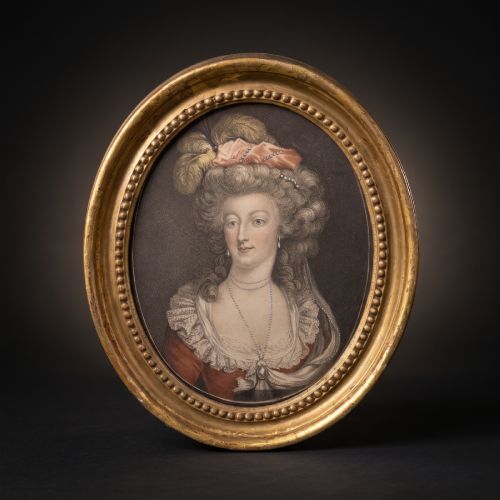
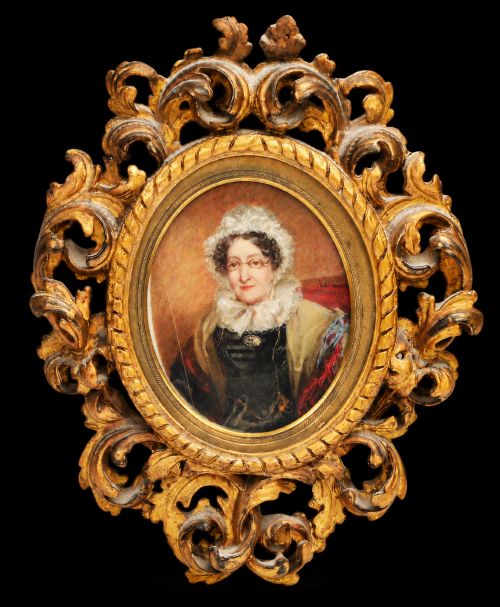
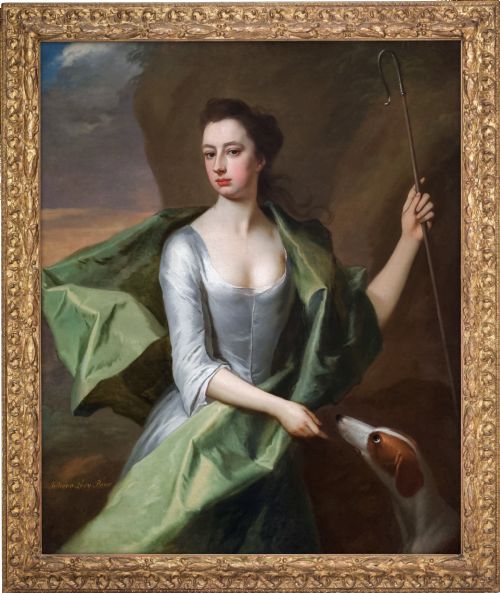
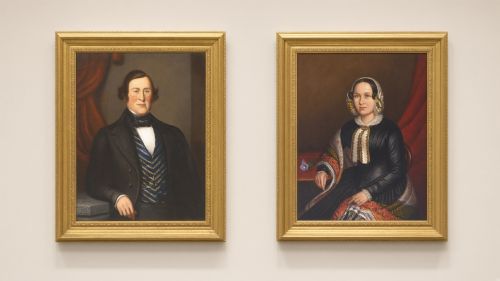
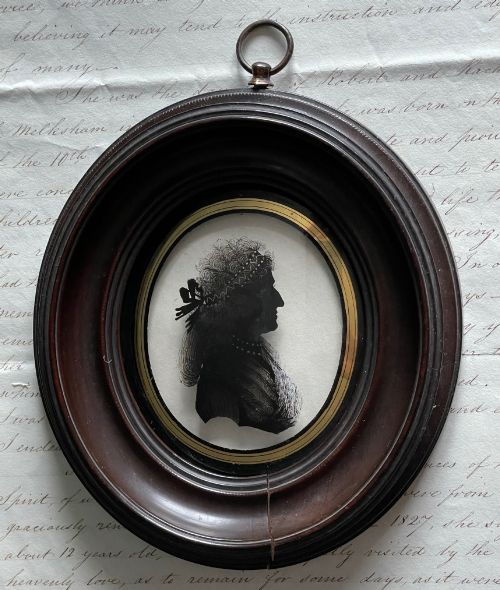
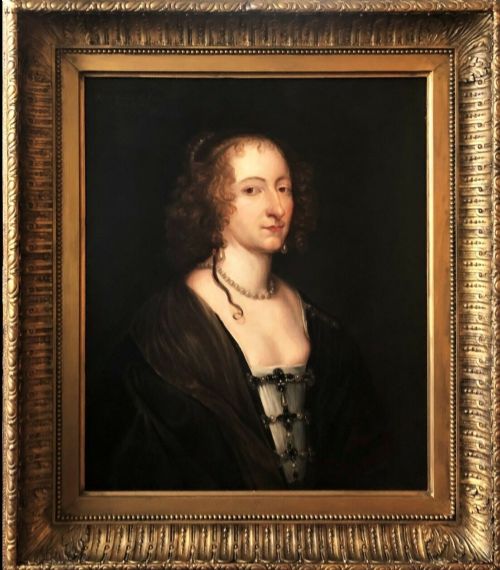
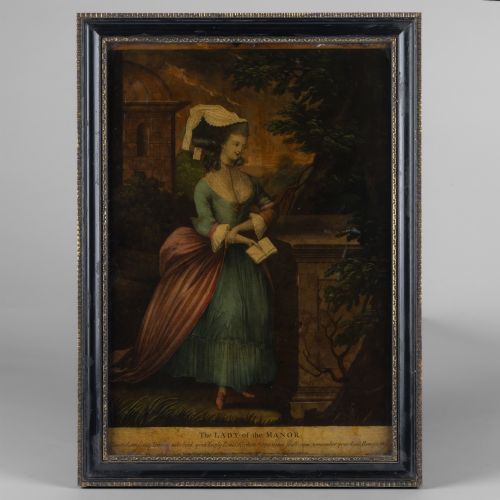
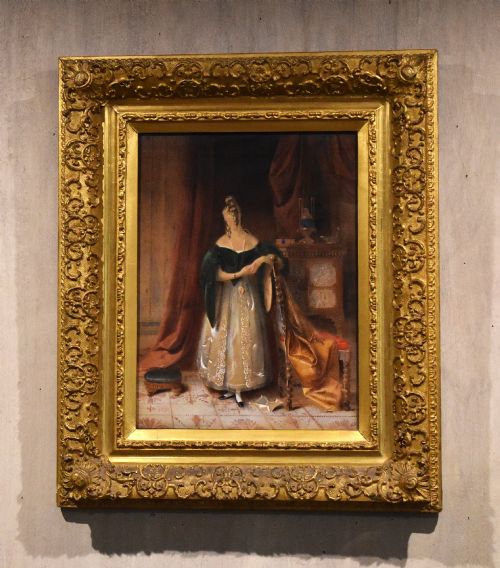
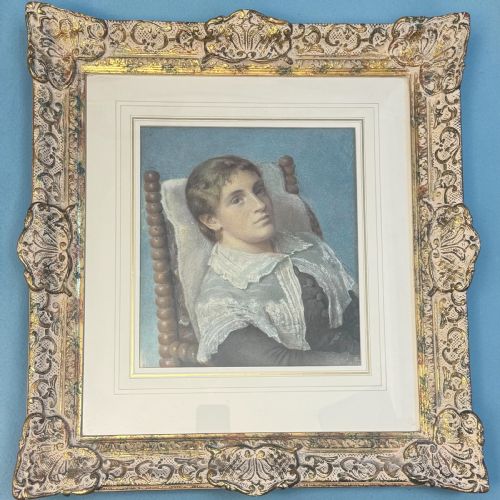
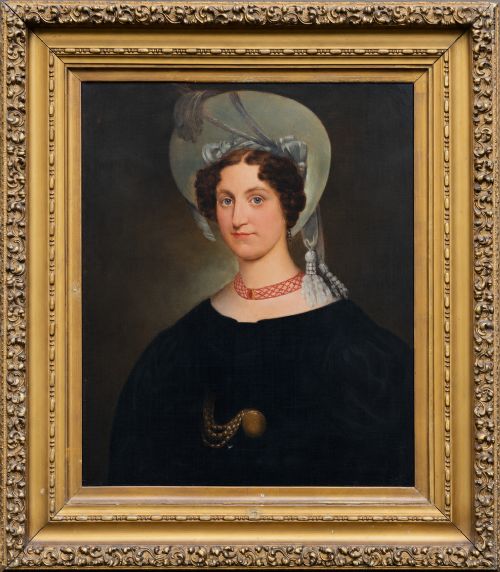
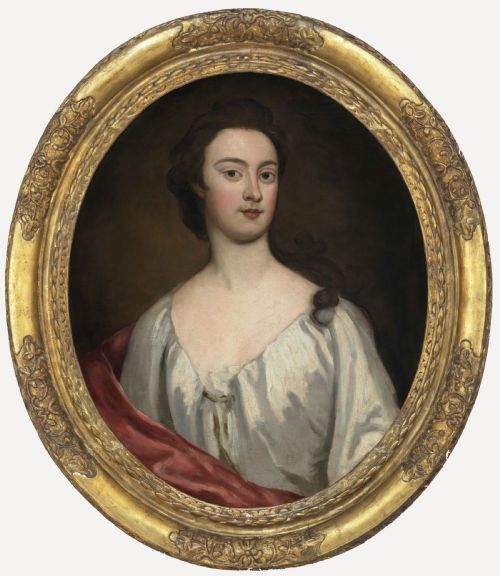
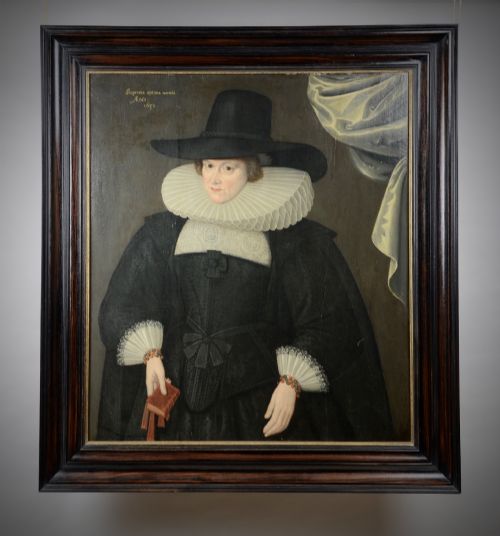
A framed lady portrait painting captures the likeness of women across the seventeenth, eighteenth, and nineteenth centuries. These works range from grand oil paintings on canvas to delicate portrait miniatures executed on paper or ivory.
Buyers browsing this selection will encounter regional schools and distinct periods including the Georgian, Regency, Victorian, and Edwardian eras. The subjects include known nobility, artists, and anonymous sitters rendered in oil paint, pastel, and watercolour.
The enclosing frames form an integral part of these pieces, often constructed from giltwood or carved wood that reflects the taste of the period. Smaller works appear as intimate miniatures, while larger canvases dominate wall space with oil on canvas or oil on board.
How they were made
Artists built these works primarily using oil paint applied to stretched canvas, wood panels, or paper. Pigments were layered carefully to render fabrics such as silk, velvet, and lace, alongside detailed facial expressions and natural light.
Many works rely on pastel or watercolour for smaller formats like portrait miniatures, which required precise technique to capture detail on a reduced scale. These are protected beneath glass and housed within decorative enclosures.
Surrounding frames utilise carved giltwood and timber, often gilded or polished to complement the artwork within. The construction methods reflect traditional carpentry and gilding practices specific to each century.
Framed Lady Portrait Painting Retail Price Guide 2026
Typical asking prices for framed lady portrait painting among the pieces listed under this phrase on Sellingantiques today, from the lower quarter to the upper quarter. They describe what is for sale here now, not the wider market.
Several ladies in these paintings pose intentionally with oranges and orange blossom to signal wealth and exotic taste.
What varies in quality
The ability of the artist to render the sitter's anatomy, expression, and textiles defines the upper tier of these works. Finer examples display subtle handling of light on skin and clothing, whereas simpler pieces rely on formulaic brushwork.
The integrity of the original surface and the condition of the pigments influence the overall quality. Works that retain their untouched painted surfaces without heavy overpainting stand apart from those with extensive restoration.
The quality of the accompanying frame matters significantly, with period giltwood mouldings adding historical coherence. Original frames that match the age of the canvas elevate the complete object.
James Ferguson·Cornelius Johnson·JOHN RUSSELL R.A.·Sir Peter Lely·Charles Jervas·Michael Dahl·Thomas Murray·Frederick Buck·Sir Godfrey Kneller·Jeremiah Davison·Henry Pickering·George Willison·Pieter Borsseler
The Framed Lady Portrait Painting Glossary
- Portrait miniature
- A small-scale painting, often executed in watercolour or oil, designed for intimate viewing. These works frequently feature delicate detailing on paper, vellum, or ivory.
- Giltwood
- Wood that has been coated with a thin layer of gold leaf or gesso powder. This material is common in period frames designed to showcase formal artworks.
- Oil on canvas
- A painting technique utilising pigments suspended in drying oils applied to a woven fabric support. This combination provides durability and allows for rich colour blending.
- Pastel
- A medium consisting of powdered pigment combined with a binder, formed into a stick. It produces velvety textures and soft colour transitions.
- Regency
- An architectural and artistic style spanning the early nineteenth century. Works from this period often display classical restraint and refined proportions.
Framed Lady Portrait Painting: Frequently Asked Questions
How do I identify the period of a portrait?
Examination of the sitter's clothing, hairstyle, and framing style provides the clearest indication of the date. Painters adhered to the prevailing fashions of their decade, which helps narrow down the era.
The materials and preparation of the canvas or panel also offer clues to the period. Technical analysis combined with stylistic comparison assists in confirming the century of creation.
Where should I hang a framed portrait?
These works suit traditional living spaces, libraries, or hallways where lighting can be controlled. Placing them away from direct sunlight protects the pigments from fading over time.
Pairing a portrait with period furniture creates a cohesive historical context within a room. Smaller miniatures look effective grouped together on a dedicated wall.
What is the difference between an oil painting and a miniature?
Oil paintings on canvas are typically larger and designed for prominent wall display. They utilise rich pigments that allow for depth and dramatic lighting effects. C Portrait miniatures are scaled down for intimate viewing and often executed in watercolour or fine oil. They were traditionally kept close to the body or displayed in small tabletop frames.