



Framed Japanese Paper Art
Framed japanese paper art brings centuries of delicate hand-printed imagery and calligraphy into your rooms, offering an immediate window into historical craftsmanship.
Framed Japanese Paper Art
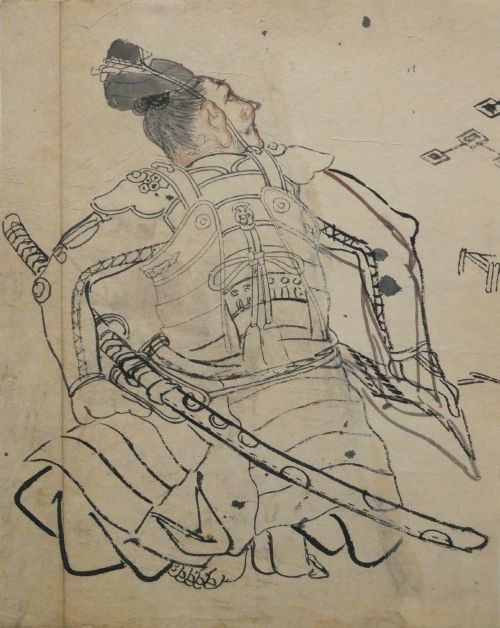
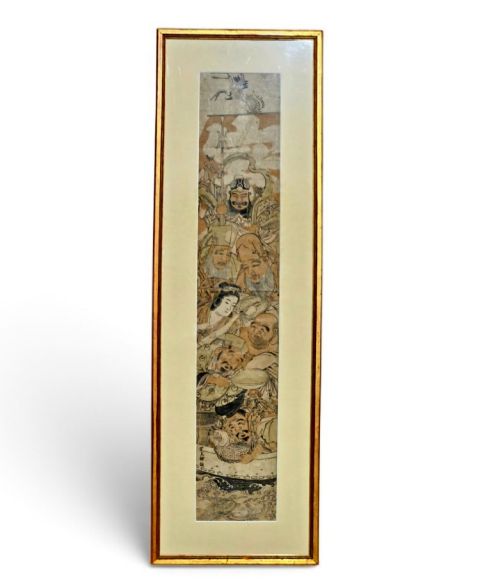
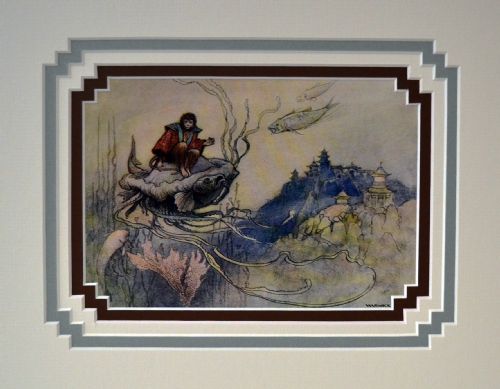
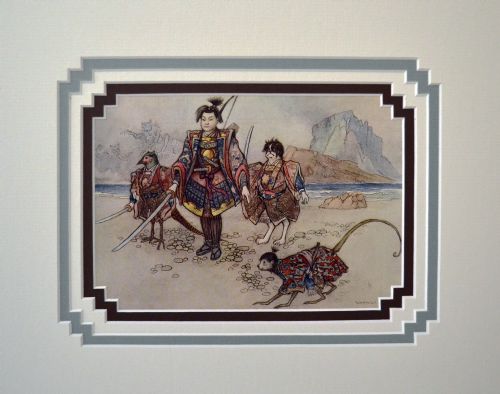
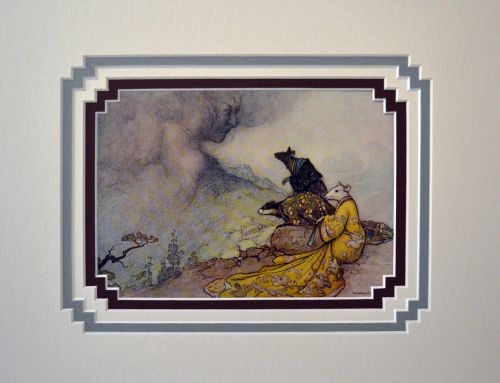
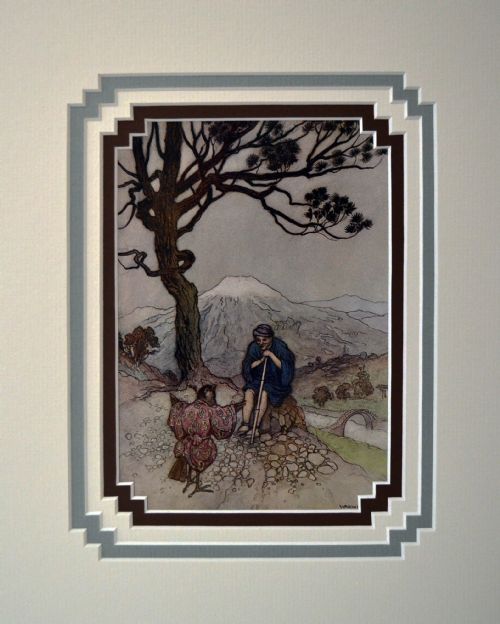
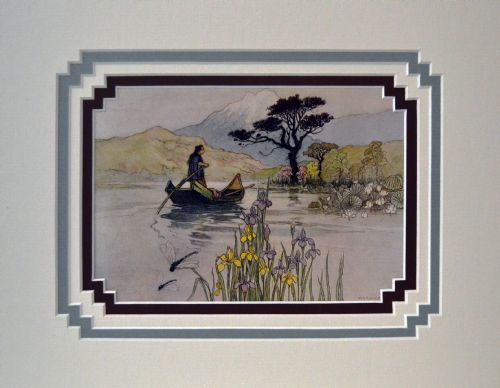
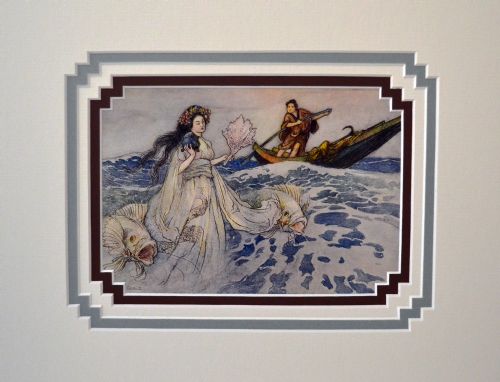
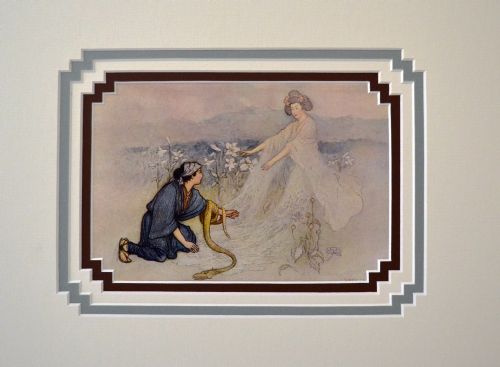
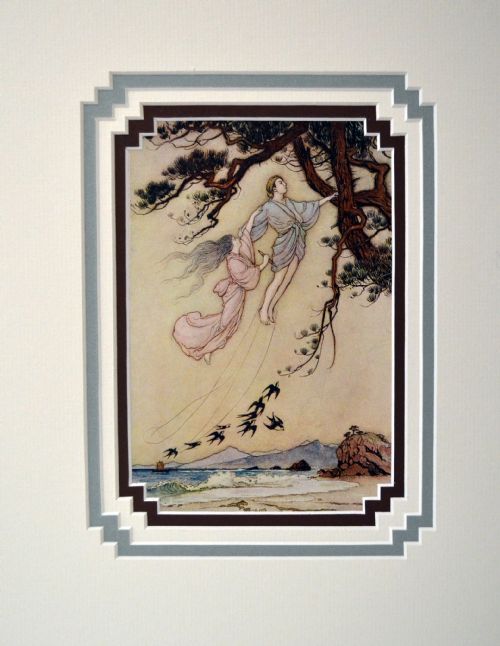
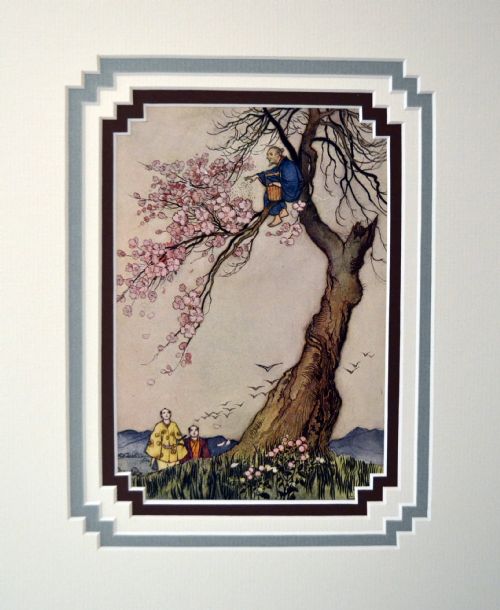
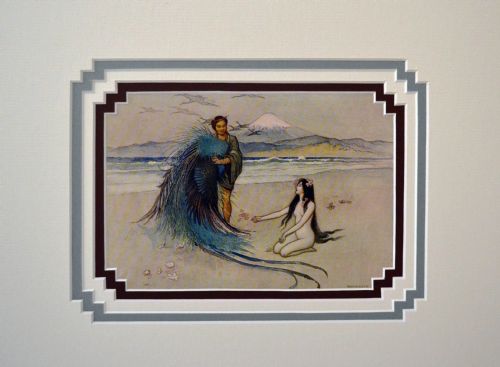
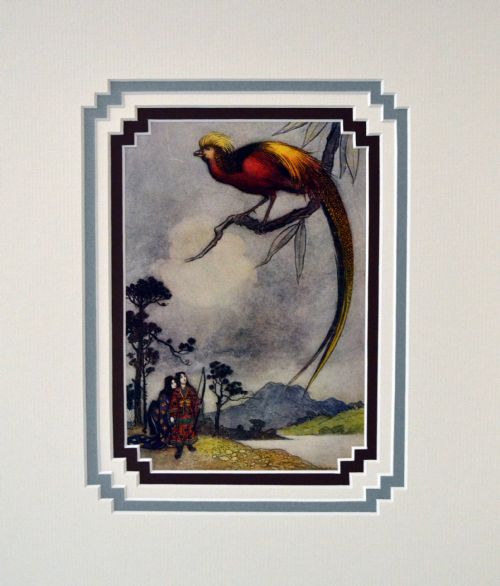
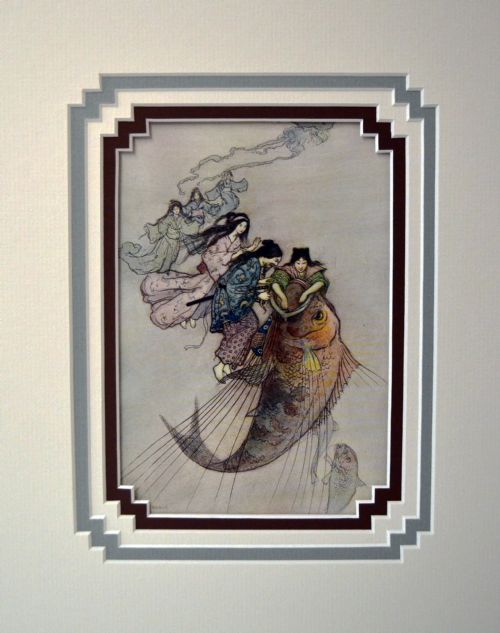
The assortment on this page brings together several centuries of output, stretching from the Edo period to Victorian and Edwardian interpretations. You will find both classic ukiyo-e woodblock compositions and later illustrated fairy tales preserved within protective wooden frames and mountboards.
The physical forms vary from single antique prints and ink drawings to sets of woodblock prints and illustrated plate pages. These pieces frequently utilise card, mount board, and timber frames to protect the fragile paper beneath glass.
Materials and techniques
The foundation of these works is traditional paper, often paired with card and mountboard to provide structural stability inside the frame. Ink and water colours provide the pigmentation across woodblock prints and original drawings.
Woodblock printing stands as the primary technique behind the historical ukiyo-e pieces, requiring skilled carving and hand-inking. Protective wooden frames and glass complete the construction, safeguarding the organic materials from atmospheric damage.
Framed Japanese Paper Art Retail Price Guide 2026
Typical asking prices for framed japanese paper art among the pieces listed under this phrase on Sellingantiques today, from the lower quarter to the upper quarter. They describe what is for sale here now, not the wider market.
Materials recorded across the stock include paper, glass, ink, wood, card, and mountboard.
Distinctions in quality
The distinction between ordinary and exceptional pieces lies in the crispness of the ink impressions and the fidelity of the hand-applied colour. Earlier works from the Edo period demonstrate superior line work and block registration compared to later mass-produced illustrations.
The preservation of the paper itself dictates the overall standing of an item, alongside the quality of the surrounding mountboard and frame. Expert printing technique and clear publisher impressions elevate certain woodblock prints above standard decorative examples.
Katsukawa Shunshō·Warwick Goble·Kitagawa Utamaro·Kunisada·Takashi Nakayama
The Framed Japanese Paper Art Glossary
- Ukiyo-e
- Pictures of the floating world, denoting a genre of Japanese woodblock prints and paintings depicting famous actors, beautiful women, and landscapes.
- Woodblock
- A relief printing technique where text or image is carved into wooden blocks, inked, and transferred onto paper.
- Mountboard
- Heavy paperboard used to frame and support works of art, creating a protective barrier between the paper and the glass.
- Edo Period
- The period in Japanese history spanning from sixteen hundred and three to eighteen hundred and sixty-eight, noted for cultural flourishing and ukiyo-e development.
- Water colour
- A painting method in which the paints are made of pigments suspended in a water-based solution, utilised on paper supports.
Framed Japanese Paper Art: Frequently Asked Questions
How do I care for framed paper art?
Keep these framed pieces away from direct sunlight to prevent the ink and water colours from fading over time. Maintaining a stable room temperature protects the delicate paper and card components from humidity.
Ensure the hanging environment remains dry and secure so the wooden frame and glass protect the artwork effectively for decades to come.
What is a woodblock print?
A woodblock print is created by carving an image into a wooden block, applying ink, and pressing it onto handmade paper. This traditional method allowed for detailed multiple-colour prints during the Edo period.
The resulting works capture fine lines and subtle colour gradations that define classic Japanese graphic art.
How can I tell the age of a print?
Age is identified through the paper texture, printing technique, and stylistic markers associated with specific periods like the Edo era or Victorian times. Signatures, seals, and publisher marks also provide chronological clues.
Examining the framing materials and mountboard can further indicate whether the piece is a nineteenth-century original or an Edwardian reproduction.
Where should I hang these pieces?
These works suit quiet spaces like studies, hallways, or living rooms where direct natural light will not damage the paper. Pairing them with neutral walls lets the intricate details of the ink and water colours stand out.
Consider grouping smaller framed prints together to create a balanced display that reflects traditional Japanese aesthetics.