



Framed Japanese Art Print
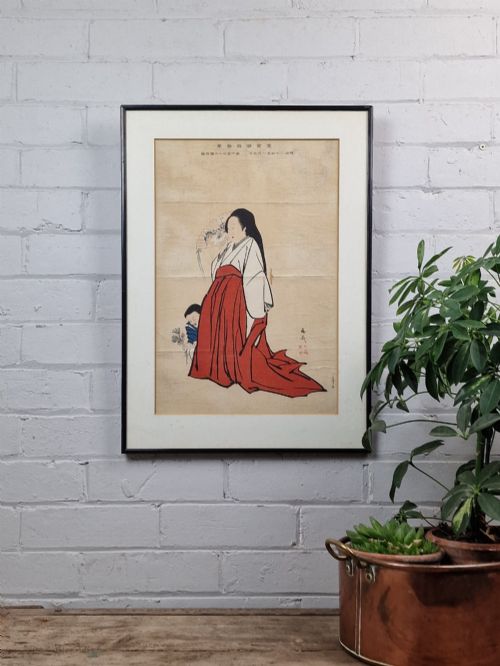
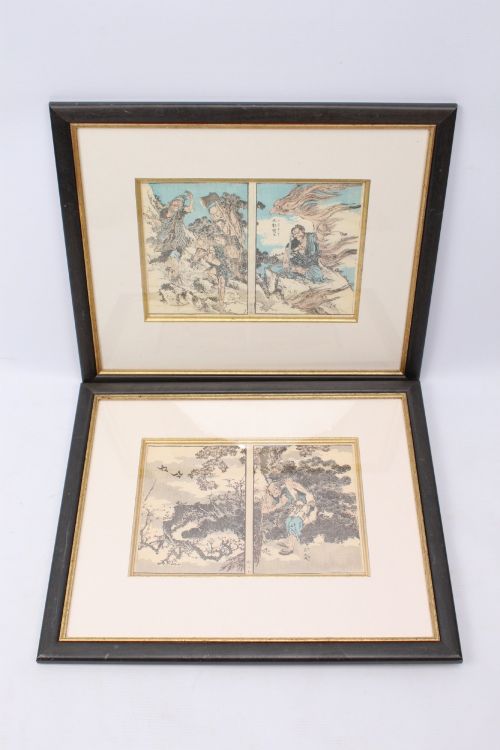
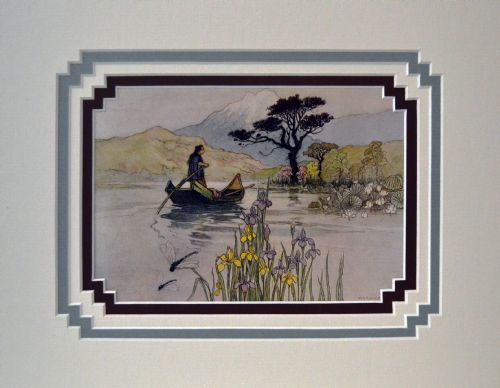
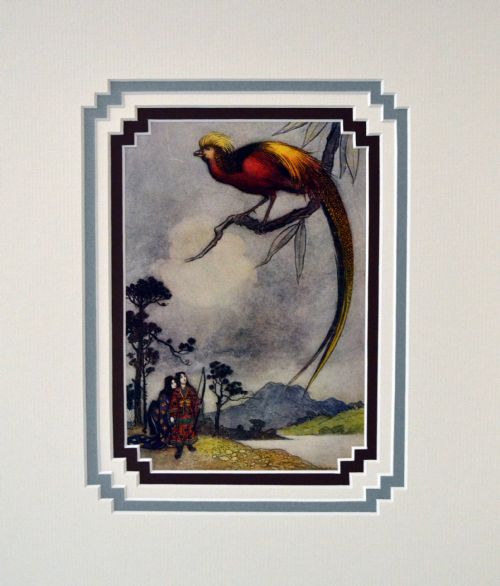
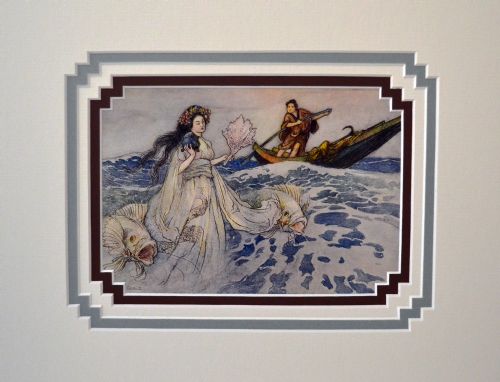
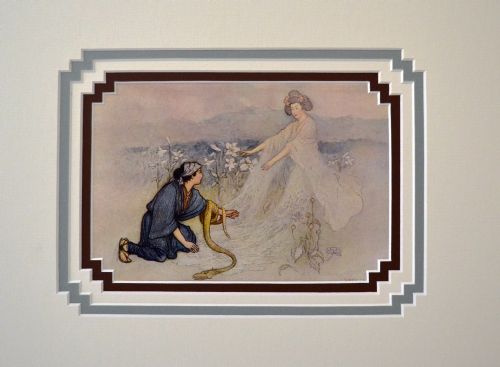
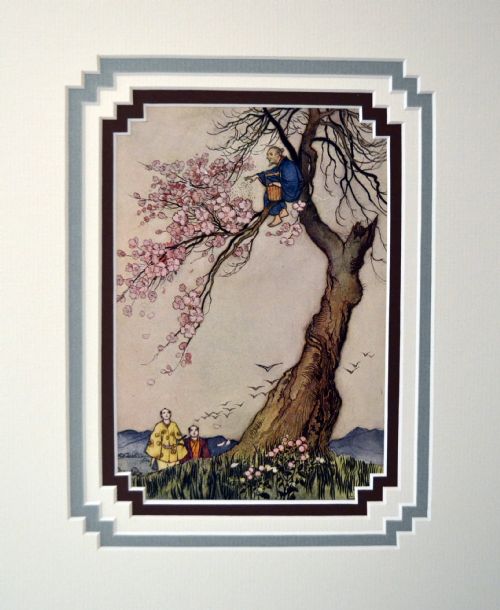
These framed japanese art print examples range from delicate Edo period woodblocks to early twentieth century book illustrations.
Framed Japanese Art Print
A framed japanese art print encompasses historic woodblock prints, nineteenth century works, and early twentieth century book illustrations. Buyers examining this page will frequently encounter pieces produced during the Edo period, the Victorian era, and the Edwardian years.
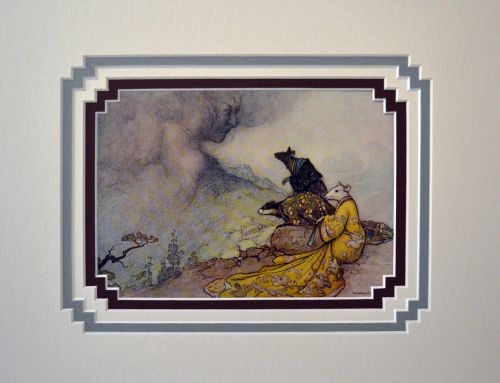
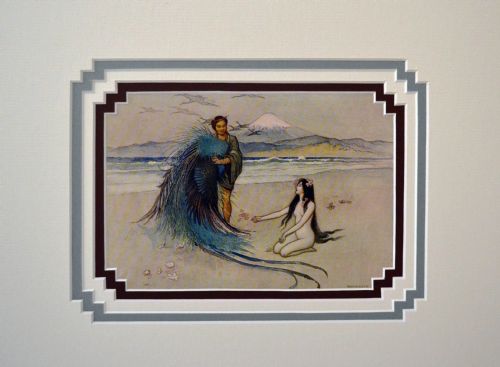
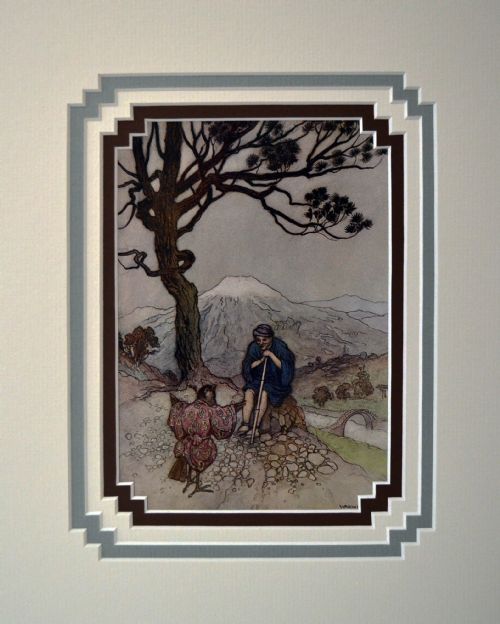
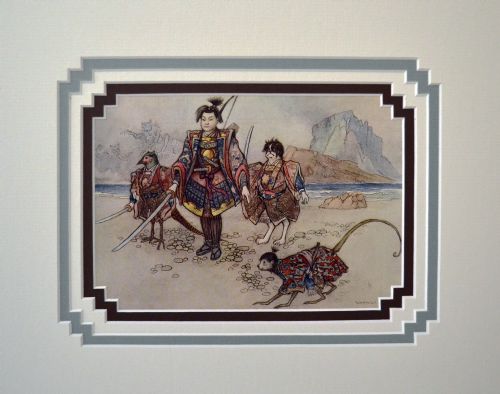
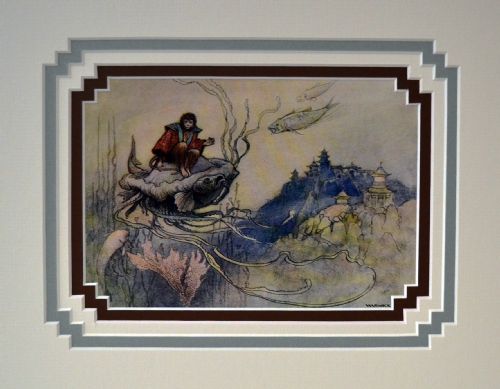
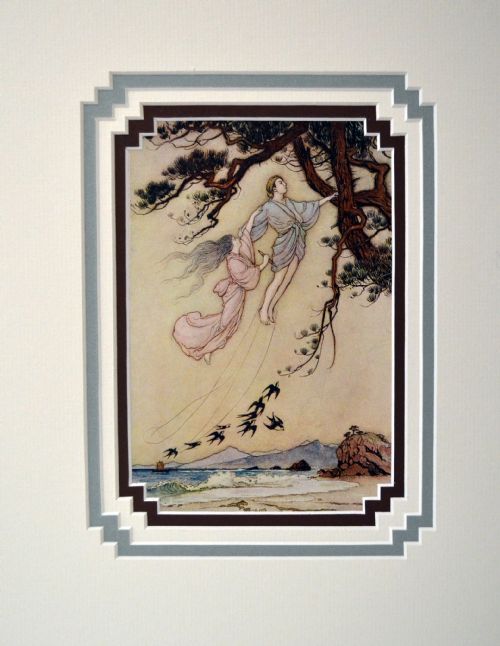
The selection includes traditional ukiyo-e subjects alongside narrative illustrations. Examples span from eighteenth century temple scenes to Edwardian fairytale publications.
Many of these works arrive housed in period wooden frames accompanied by glass and protective mountboards. The selection balances traditional Japanese printmaking with early British publication plates.
How they were made
These works utilise ink applied to paper or card surfaces. Woodblock printing techniques dominate the earlier examples, relying on carved wooden matrices to transfer pigmented designs.
Framing methods incorporate timber such as rosewood alongside glass protection and card mounts. Silk brocade surrounds appear on specific nineteenth century pieces.
Later Edwardian items derive from illustrated volumes, retaining their original printed qualities within contemporary or period frames.
Framed Japanese Art Print Retail Price Guide 2026
Typical asking prices for framed japanese art print among the pieces listed under this phrase on Sellingantiques today, from the lower quarter to the upper quarter. They describe what is for sale here now, not the wider market.
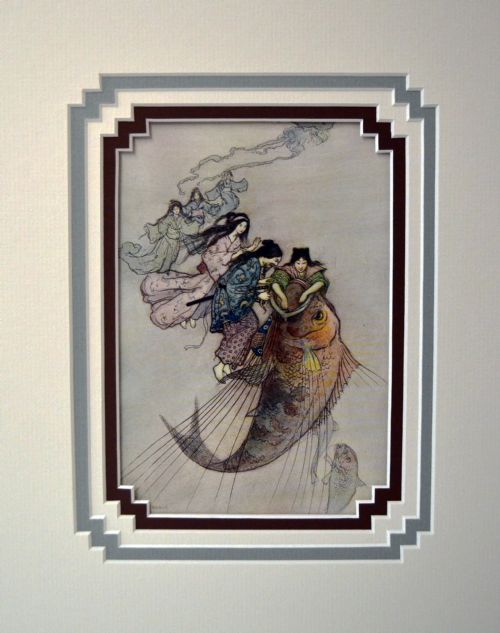
Several pieces depict legendary voyages involving the Seven Lucky Gods sailing cheerfully inside the magical Takarabune treasure ship.
What varies in quality
Quality rests upon the crispness of the ink impressions and the preservation of the paper support. Earlier woodblock prints display finer carving lines and distinct colour registers.
The standard of the framing materials also distinguishes individual pieces. Examples featuring rosewood frames and silk brocade mounts demonstrate superior presentation compared to standard wooden surrounds.
Katsukawa Shunshō·Warwick Goble·Kitagawa Utamaro
The Framed Japanese Art Print Glossary
- Ukiyo-e
- Pictures of the floating world, denoting the Japanese artistic genre depicting scenes of urban life and landscape.
- Woodblock print
- An image created by carving a design into a wooden block, applying ink, and pressing it onto paper.
- Edo Period
- The historical epoch in Japan lasting from 1603 to 1868, known for cultural developments in printmaking.
- Mountboard
- A heavy paper-based board used inside the frame to surround and protect the artwork.
- Japonisme
- The influence of Japanese art and design on Western aesthetics during the late nineteenth century.
Framed Japanese Art Print: Frequently Asked Questions
How do I date a woodblock print?
Dating relies on stylistic clues, historical periods, and artist active years noted in the documentation. Comparing the paper type and printing method also helps determine the era.
Many listings provide specific century markers or decades to guide your assessment of the item's age.
Are these prints original Edo period pieces?
The selection includes authentic Edo period examples alongside nineteenth century impressions and Edwardian illustrations. Each listing specifies the attributed period or publication date.
Careful reading of the individual title clarifies whether the work originates from the eighteenth century or later decades.
How should I hang framed Japanese prints?
Protect the paper and ink from direct sunlight to prevent fading over time. Maintaining stable indoor humidity levels preserves both the artwork and the wood frame.
Ensure the hanging wire and wall fixings safely support the weight of the glass and wooden surround.
What is the difference between ukiyo-e and book prints?
Ukiyo-e prints were typically produced as independent sheets showcasing kabuki actors, landscapes, or courtesans. Book illustrations, such as Edwardian fairytale plates, were published as part of bound volumes.
Both forms appear within these listings, each offering a distinct window into Japanese aesthetic traditions.