

Japanese Art Illustration
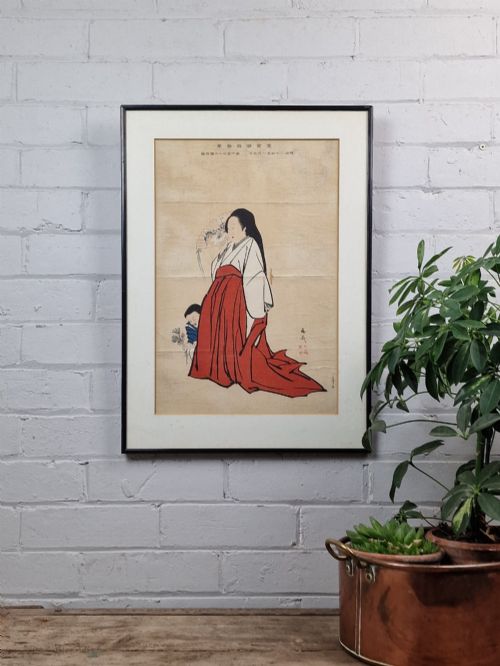
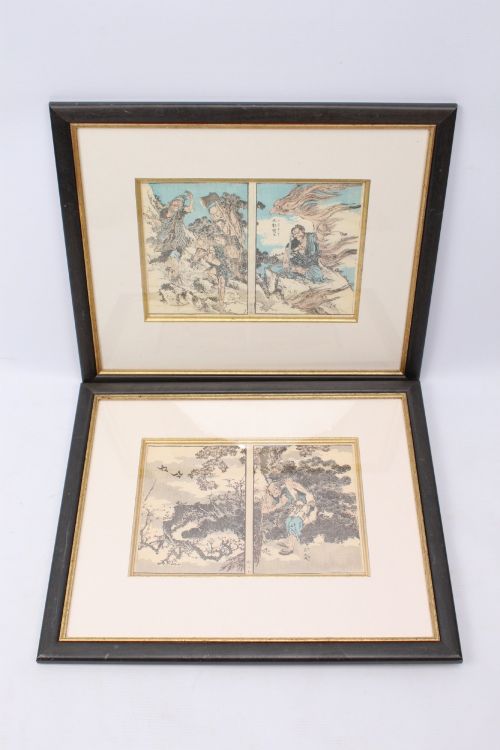
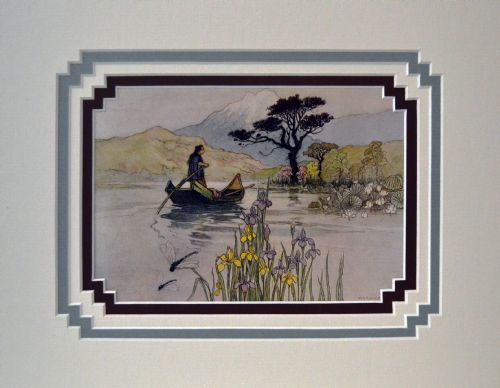
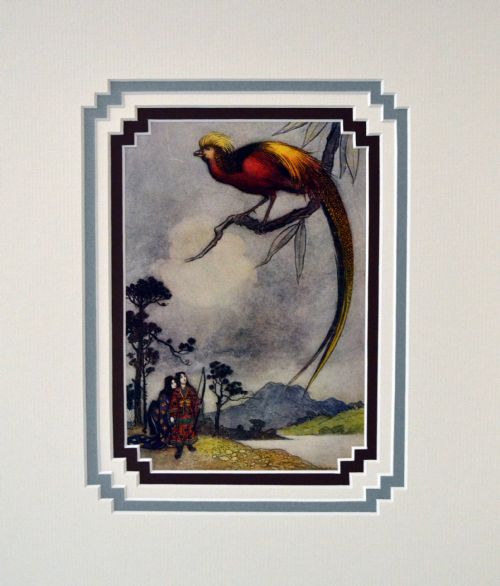
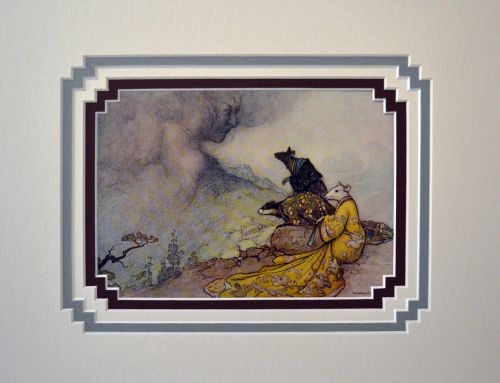
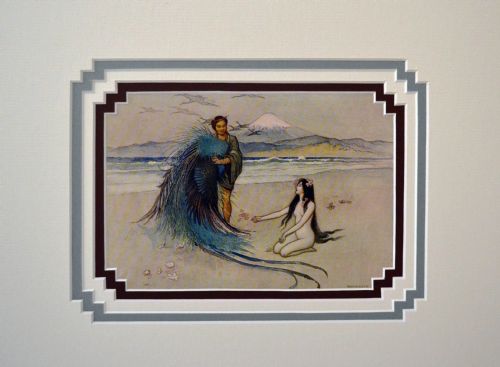
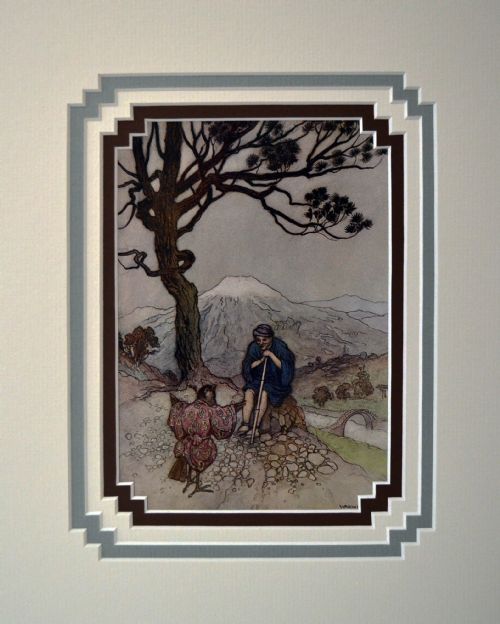
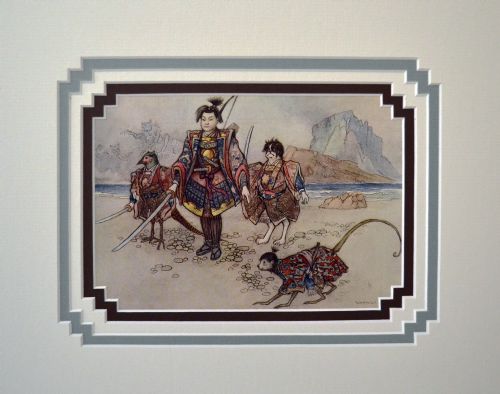
These Japanese art illustration pieces bring historic woodblocks and Edwardian fairy tale prints to your walls.
Japanese Art Illustration
When you search for japanese art illustration, you encounter a selection of antique prints, framed art prints, and wall art spanning the nineteenth century up to nineteen ten. These works capture both traditional Eastern block printing and Western Golden Age illustration inspired by Japanese aesthetics.
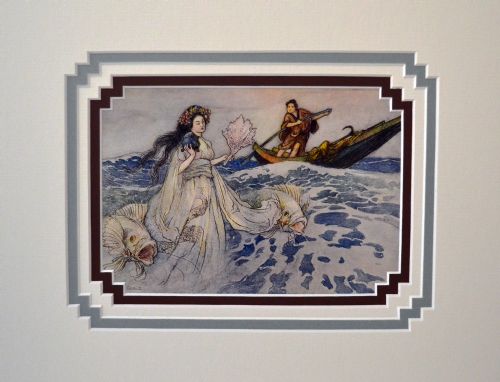
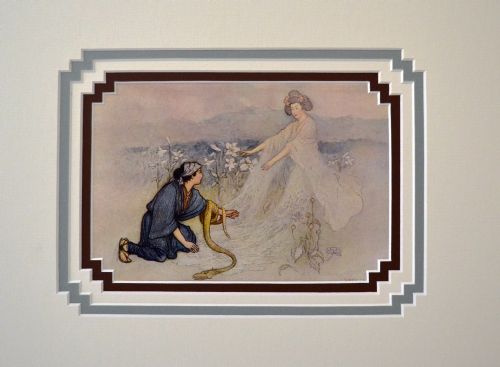
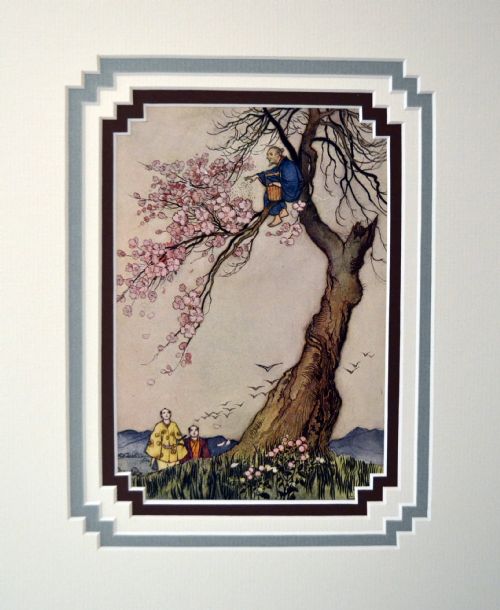
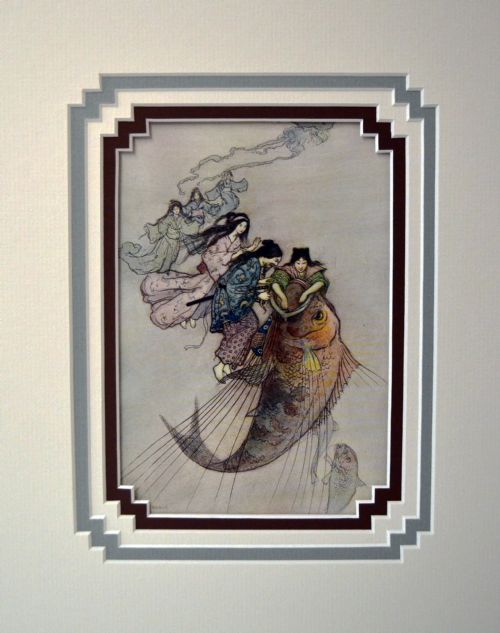
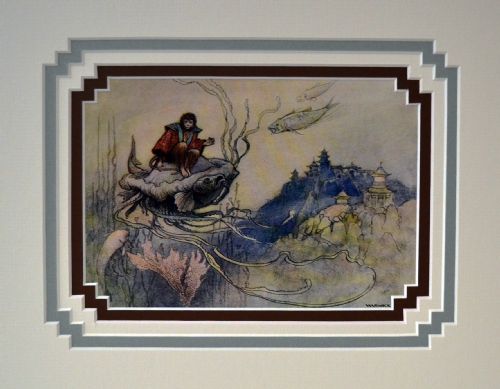
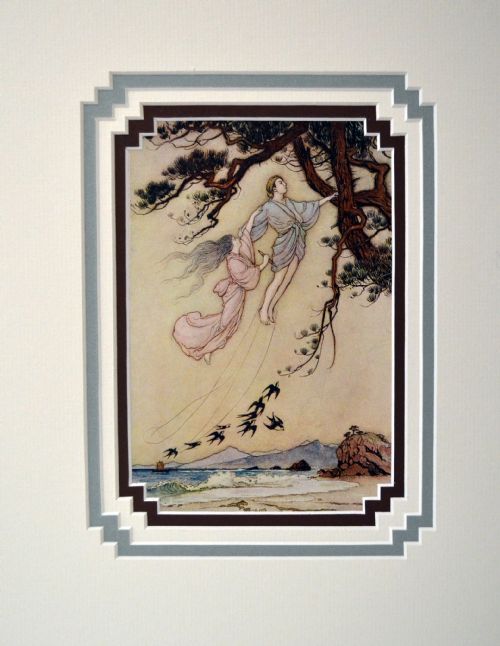
The versions you are most likely to meet on this page include nineteenth century woodblock prints and Edwardian book illustrations. Creators such as Tani Buncho, Katsushika Hokusai, and Warwick Goble represent the core of these offerings.
Forms range from individual antique print sheets to framed pieces set behind glass with card mountboard. Each object brings a distinct period technique into a modern domestic setting.
Materials and Methods
The foundation of these works rests on paper, card, and cardboard sheets that receive traditional ink applications. Woodblock printing utilises carved timber matrices to transfer pigment onto delicate paper sheets.
Edwardian illustrations employ period printing plates to reproduce fairy tale imagery on paper surfaces. Finished prints frequently utilise mount board and protective glass within framing.
Listings feature Edwardian, Edo period, and Ukiyo-e styles executed on paper, card, and mountboard.
Evaluating Quality
Quality in these prints depends upon the crispness of the ink impression and the preservation of the paper substrate. Early woodblock prints show varying degrees of block wear, where sharper lines indicate an earlier pull from the matrix.
Edwardian book illustrations rely on the clarity of the colour registration and the absence of heavy fading across the card and paper. Original first edition status separates standard plate pulls from ordinary later impressions.
Tani Buncho·Warwick Goble
The Japanese Art Illustration Glossary
- Woodblock print
- A piece produced by carving an image into a wooden block, applying ink, and pressing it onto paper. This technique forms the backbone of traditional Japanese visual culture.
- Ukiyo-e
- A genre of Japanese art translating to pictures of the floating world. These works depict scenes of urban life, folklore, and landscapes from the Edo period onward.
- Mountboard
- A heavy paperboard used to frame and support artworks. It separates the print surface from the protective glass.
- Golden Age Illustration
- A period of unparalleled excellence in book illustration lasting from the late nineteenth century until the start of the First World War. Works from this era prioritise detailed narrative storytelling through print.
Japanese Art Illustration: Frequently Asked Questions
What is a Japanese woodblock print?
A Japanese woodblock print is an image created by carving designs into timber blocks and transferring the ink onto paper. These works capture historical scenes and traditional subjects from the nineteenth century.
Craftsmen applied multiple blocks for different colours, resulting in detailed prints that later inspired European artistic movements.
Who was Warwick Goble?
Warwick Goble was an illustrator known for his work on Edwardian fairy tales. His illustrations reflect a strong influence from Japanese artistic styles popular during the early twentieth century.
First edition prints featuring his fairy tale artwork appear frequently in Edwardian book formats.
How should I frame these prints?
These prints require careful framing behind glass using acid-free mountboard to protect the delicate paper and card substrates. Proper framing prevents environmental moisture and light damage from degrading the ink.
Keeping the original mount board intact helps preserve the historical context of antique plates.
Are these prints originals?
The selection includes nineteenth century woodblock originals and first edition book illustrations from nineteen ten. Each piece originates from the period stated in its description rather than being a modern reproduction.
Checking the paper texture and ink application helps confirm the period origin of individual prints.