


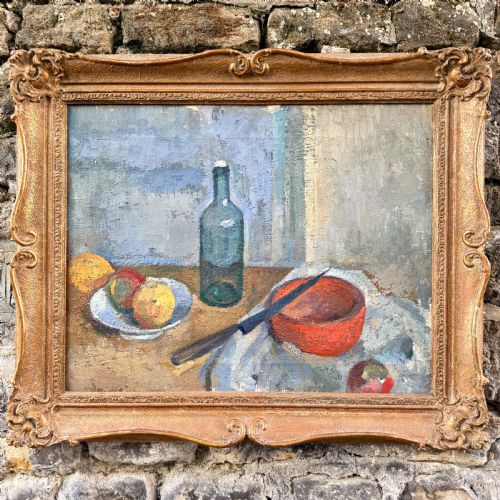
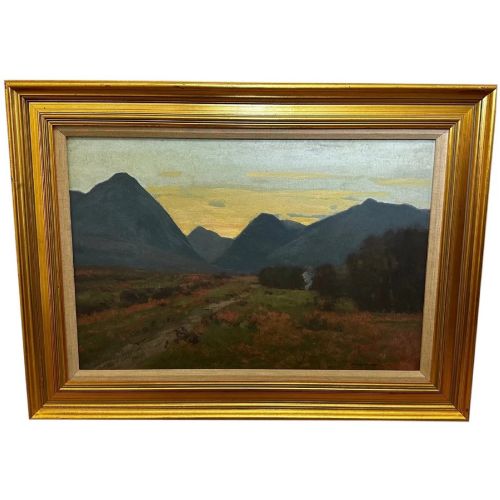
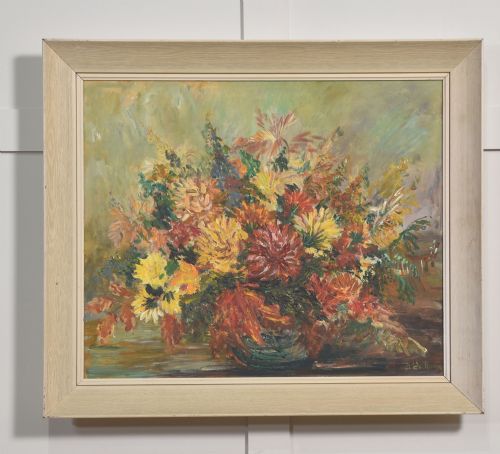
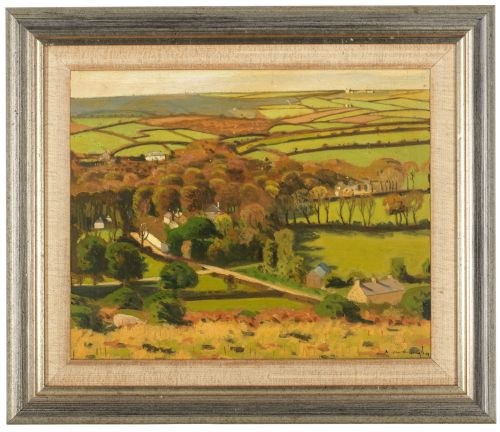
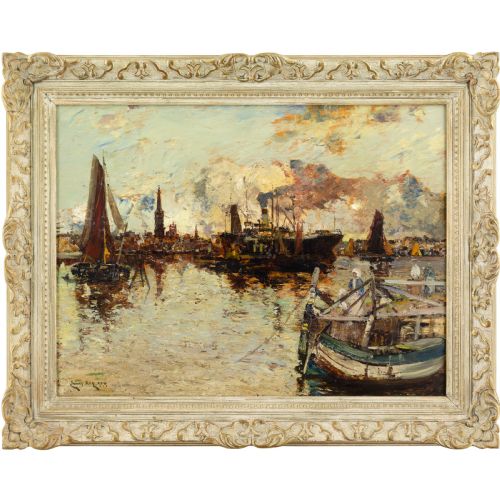
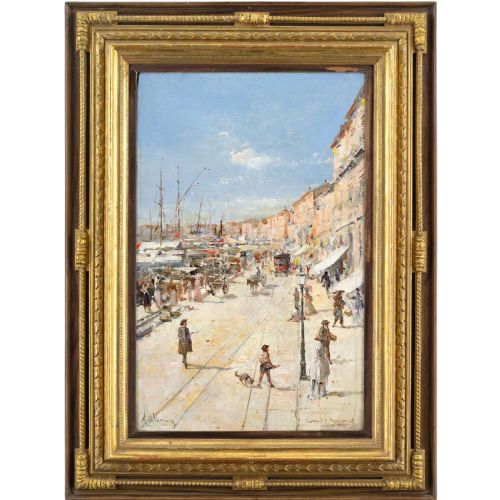
Framed Impressionist Oil Canvas
A framed impressionist oil canvas brings light, brushwork and colour into a room through works spanning the early twentieth century to later decades.
Framed Impressionist Oil Canvas
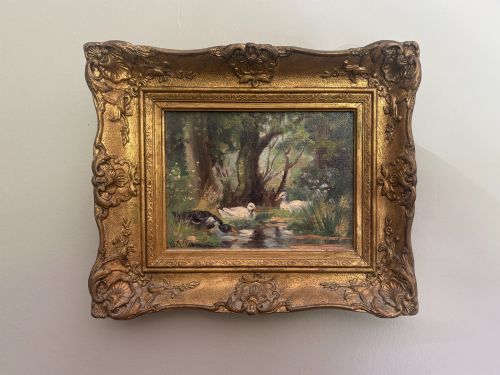
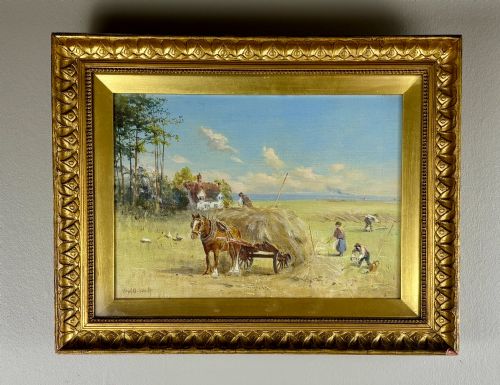
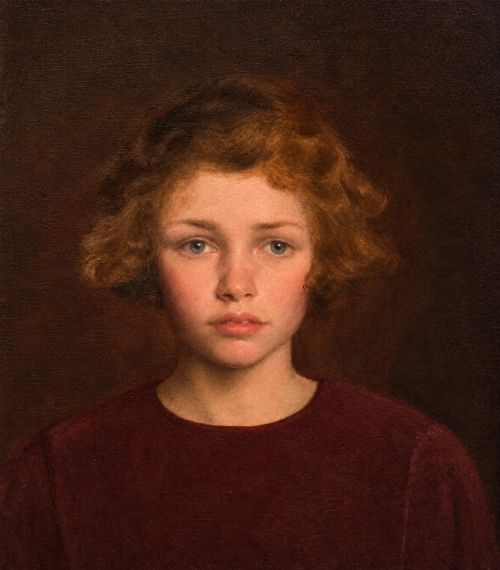
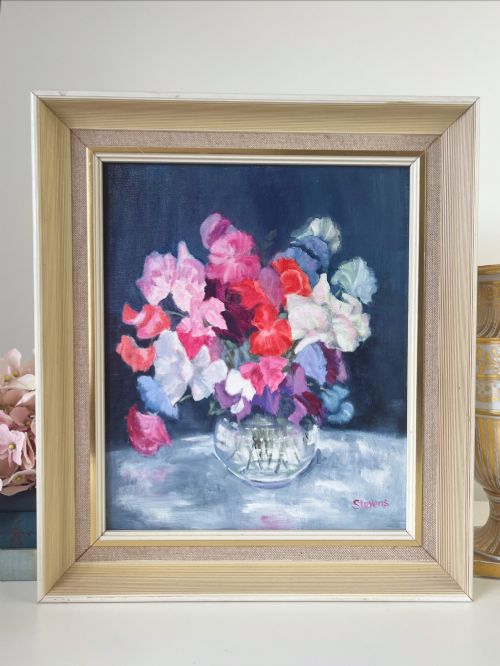
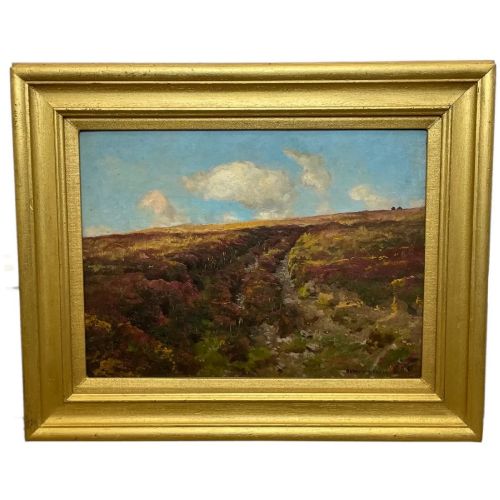
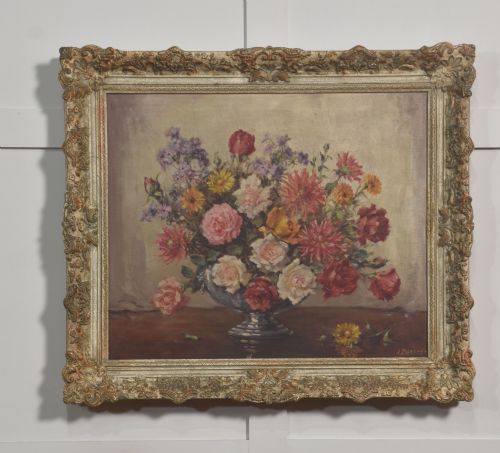
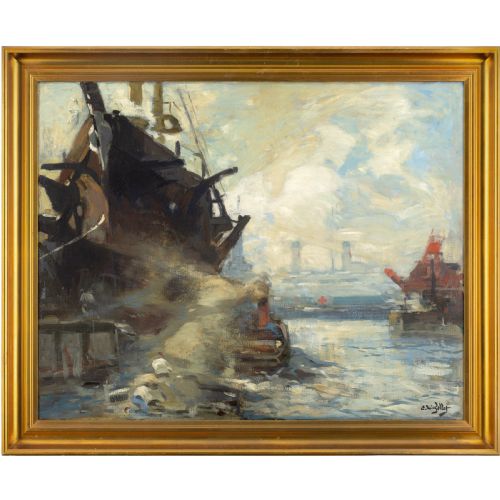
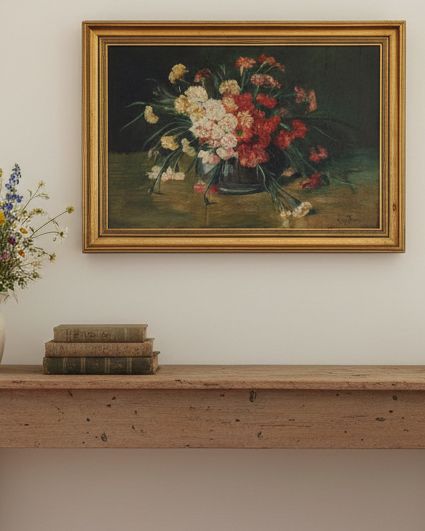
A framed impressionist oil canvas captures fleeting moments of light and atmosphere across landscapes, seascapes and still lifes. These works emerge from movements such as British Impressionism, Post-Impressionism and Modern British traditions spanning the early twentieth century onwards.
You will encounter pieces originating from English, French, Scottish and other European schools. Subjects range from tranquil rural scenes and coastal harbours to floral still lifes and quiet interiors.
Most examples are paired with wood and gesso frames that complement the painting style of their period. These frames complete the presentation of the canvas for wall mounting.
Materials and construction
Artists painted primarily with oil paint applied to stretched canvas surfaces using visible, textured brushstrokes. Gesso and wood frames enclose the works, often finished with gilt details.
The combination of oil pigments on canvas allows for rich colour layering and depth. Wooden framing provides structural support and aesthetic finish to each piece.
Several canvases capture sheep wandering through wild garlic and boats gathered in Sicilian harbours.
Judging quality in paintings
Quality rests upon the confidence of the brushwork and the clarity of the composition. Stronger pieces demonstrate a assured handling of light and space.
The harmony between the painting and its original or period frame influences the overall integrity of the piece.
George Graham·Clifford Hanney·Arthur Wardle·George Houston·Robert Morson Hughes·James Kay·Augusto Alberici·Gabriel Mathieu·Arthur Gue·John Lubschitz·Lucy Pratt·Antonio DeVity·Clive Browne·Paul Bret·Konstantin Stoitzner·Emma Fordyce MacRae·Charles Stuart Forbes·Eric Brown·Gladys Marguerite Baker·Willem Bos·Henri Ottmann
The Framed Impressionist Oil Canvas Glossary
- Impressionism
- A style of painting focusing on light, loose brushwork and everyday subjects. It originated in France before influencing artists across Britain and Europe.
- Post-Impressionism
- A development following impressionism that explored emotional depth and structural form. Artists pushed colour and line beyond strict naturalism.
- Gesso
- A plaster mixture applied to wooden frames as a smooth base for gilding or paint. It provides the foundation for decorative frame mouldings.
- Oil paint
- A slow-drying medium made from pigments suspended in oil. It allows artists to build rich textures and blend colours on the canvas.
- Still life
- An artwork depicting inanimate subject matter, typically everyday objects or floral arrangements. These compositions emphasise light, shadow and colour relationships.
Framed Impressionist Oil Canvas: Frequently Asked Questions
How do I hang a framed oil canvas?
Ensure your wall fixings match the weight of the wood and gesso frame. Hang the piece at eye level away from direct sunlight to protect the pigments.
Check that picture wire or brackets on the reverse are secure before mounting.
How do I clean an oil painting?
Dust the canvas and frame gently with a dry, soft brush. Avoid using water, cloths or cleaning solutions on the paint surface.
Consult a professional conservator if the canvas requires deeper cleaning or restoration.
How do I date a framed painting?
Examine the style of the brushwork, the stretcher bars on the reverse, and the framing materials. Signatures, exhibition labels and artist dates provide the clearest timeline.
Compare the aesthetic to known movements like Early 20th Century or Mid-Century Impressionism.
Are these paintings original works?
The selection consists of original oil paintings created by individual artists rather than mass-produced prints. Each canvas bears unique brush marks and artist signatures where noted.
Documentation in titles often records the specific hand of the painter.