



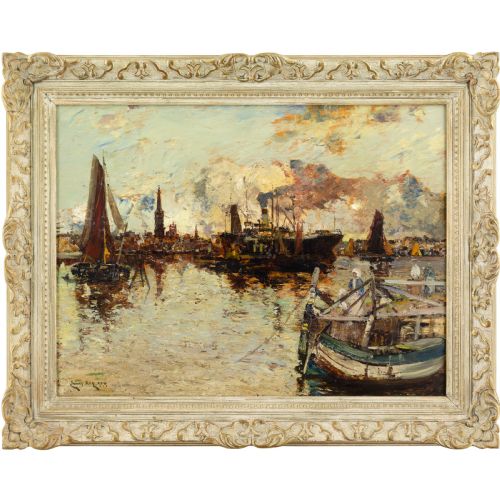
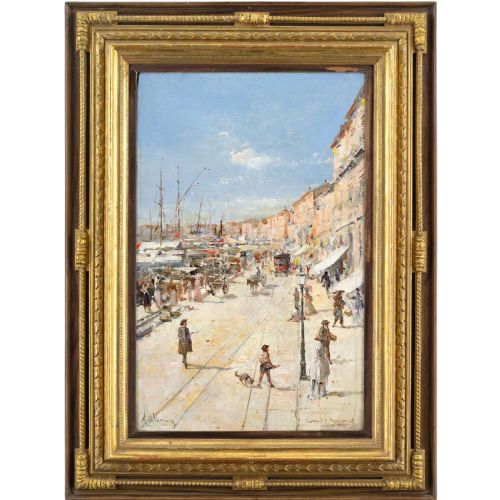
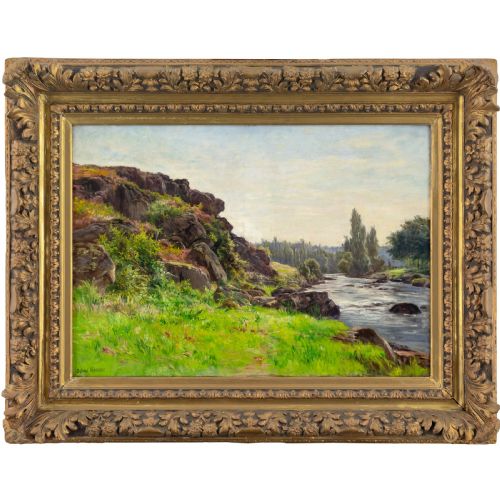
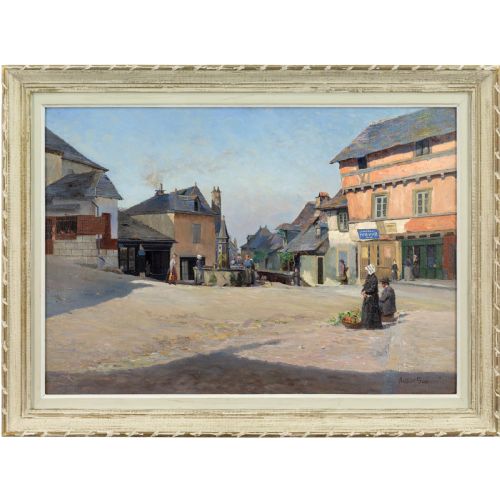
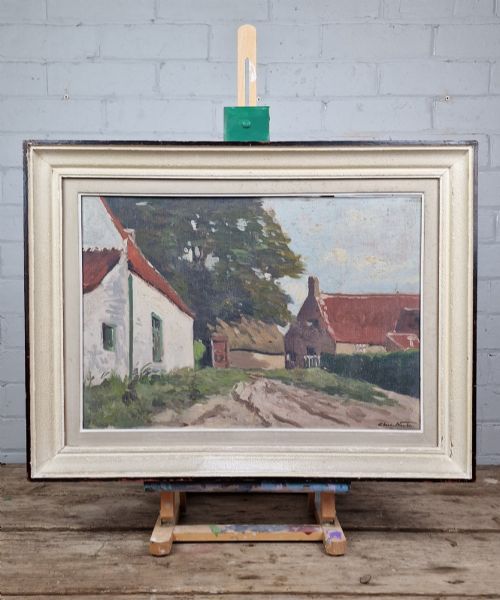
Framed Impressionist Landscape Artwork
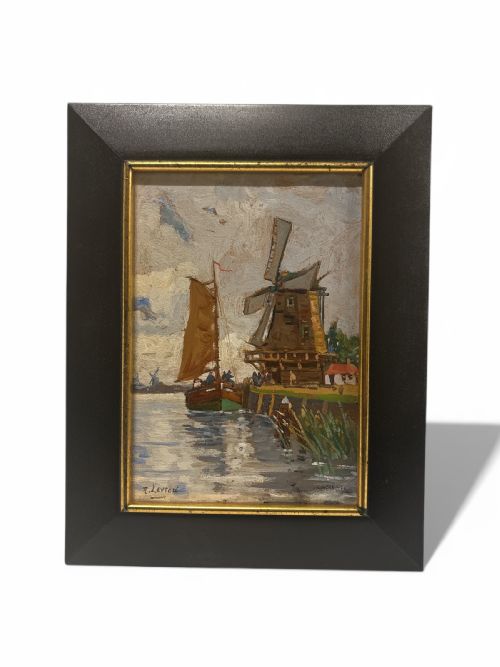
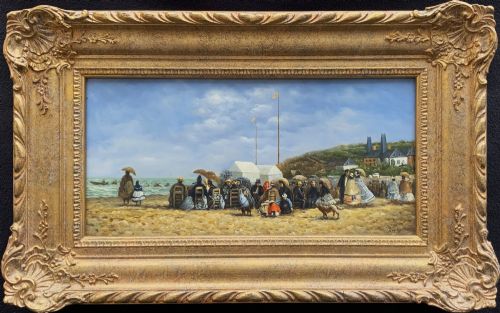
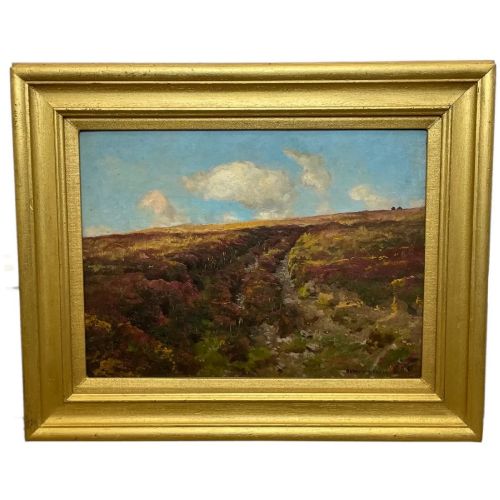
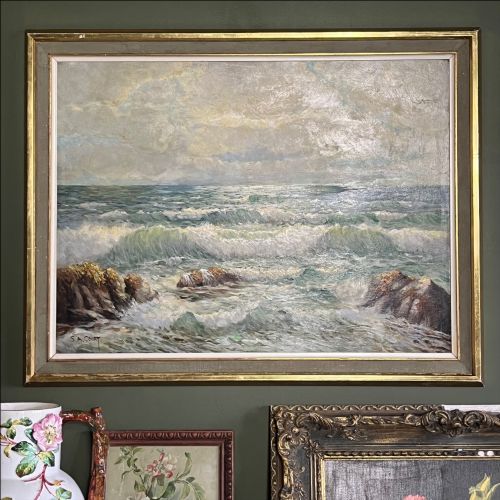
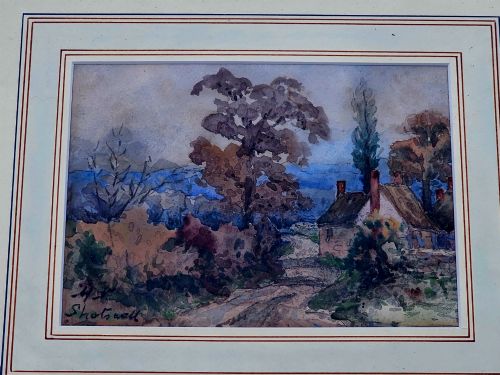
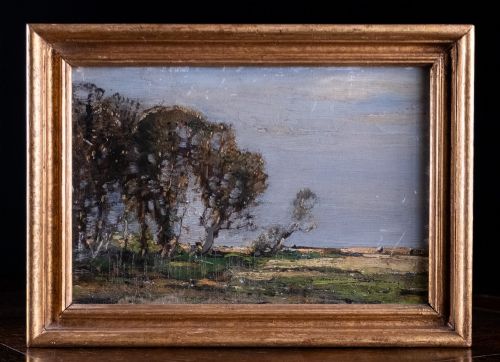
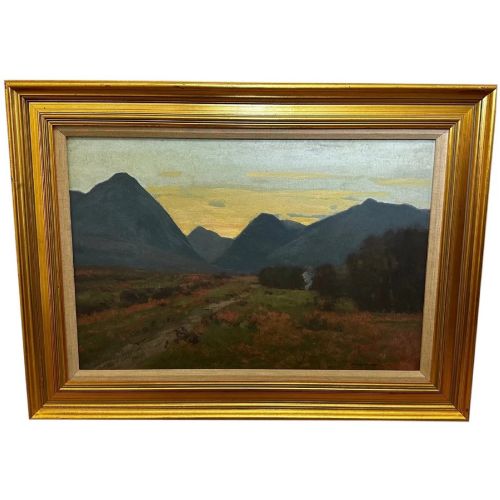
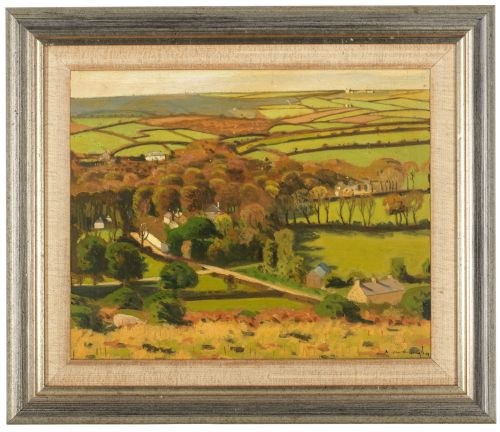
These framed impressionist landscape artwork pieces bring home the light and movement of the natural world through brisk brushwork and historical framing.
Framed Impressionist Landscape Artwork
A framed impressionist landscape artwork captures outdoor scenes, harbours, and rural views using the looser brush techniques developed in the late nineteenth and early twentieth centuries. You will frequently encounter oils on canvas or board, alongside occasional watercolours, housed in period wood and gilt frames.
The selection ranges from early twentieth-century British coastal studies to continental street scenes and pastoral views dated across the decades up to the mid-century. Many works record specific locations such as Cornwall, St Ives, or European waterways, framed to complement the painterly surface.
How They Were Made
Artists painted en plein air using oil paint applied to canvas, board, or paper, building texture through direct brush application and visible strokes. This wet-on-wet method captured transient effects of light and weather quickly before the paint dried.
Surviving works are typically set within wood frames finished with gesso and gilt, adding weight and a traditional decorative boundary to the loose handling of the painted surface.
Several artists spent their lives dodging Cornish sea spray just to catch the exact grey of a harbour wall before tea time.
What Varies in Quality
The strength of a framed impressionist landscape artwork rests upon the confidence of the brushwork and the artist's command of light and atmosphere. Stronger examples convey space and movement decisively, whereas weaker pieces rely on formulaic repetition without personal observation.
The accompanying frame also influences the overall character, as period gilt wood mouldings that match the age and scale of the canvas elevate the presentation significantly.
Clifford Hanney·Arthur Wardle·Sidney A Court·Kershaw Schofield·George Houston·William Banks Fortescue·Robert Morson Hughes·James Kay·Augusto Alberici·Gabriel Mathieu·Arthur Gue·Charles Houben·Antonio DeVity·Clive Browne·Paul Bret·Lucy Pratt·Willem Bos·Henri Ottmann·Ernest Higgins Rigg·John Hodgson Lobley·Harry Kluge·Sir Alfred East·Donald McIntyre
The Framed Impressionist Landscape Artwork Glossary
- En plein air
- Painting outdoors on location to capture natural light and atmospheric conditions directly. This practice defined the impressionist method.
- Gesso
- A plaster-like mixture applied to wood frames as a base for gilding or painting. It provides a smooth surface for decorative mouldings.
- Post-Impressionism
- An art movement extending impressionist techniques while exploring emotional depth and bolder structural forms. It developed towards the end of the nineteenth century.
- Gilt wood
- Wood coated with a thin layer of gold leaf or metallic paint. It frames many historical paintings to reflect light and focus attention.
Framed Impressionist Landscape Artwork: Frequently Asked Questions
What is an impressionist landscape?
An impressionist landscape focuses on light, weather, and atmosphere rather than minute topographical detail. Painters used visible brush strokes to record transient moments in nature.
These works often depict coastal scenes, rivers, fields, and harbours painted directly outdoors during the late nineteenth and twentieth centuries.
How should I hang these paintings?
Hang your artwork at eye level on a wall with stable ambient conditions, away from direct sunlight and strong heat sources. Ensure the wall fixings can support the weight of the wood and gilt frame.
Allow enough breathing space around the frame so the composition and brushwork remain the visual focus of the room.
Are these frames original?
Many paintings retain their period wood and gesso frames, which show age-appropriate wear that matches the history of the canvas. Dealers often note whether a frame is original to the artwork.
Replacement frames from a similar period are also common if the original suffered damage over the decades.
How do I care for oil paintings?
Dust the surface and frame gently with a soft, dry brush without applying pressure to the painted canvas. Avoid using liquid cleaners or household chemicals near the paint or gilt surfaces.
Keep the room at a steady temperature to prevent the canvas and wooden stretcher from expanding or contracting.