




Framed Historical Textile
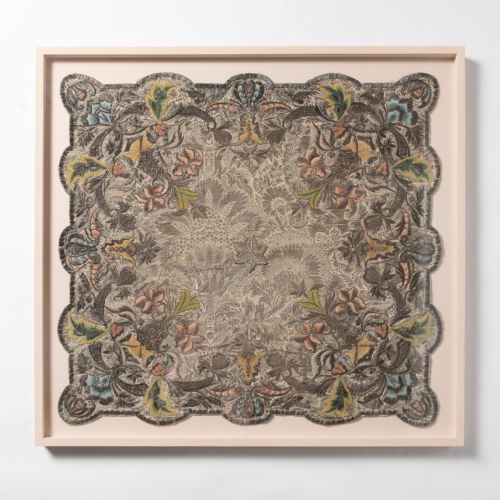
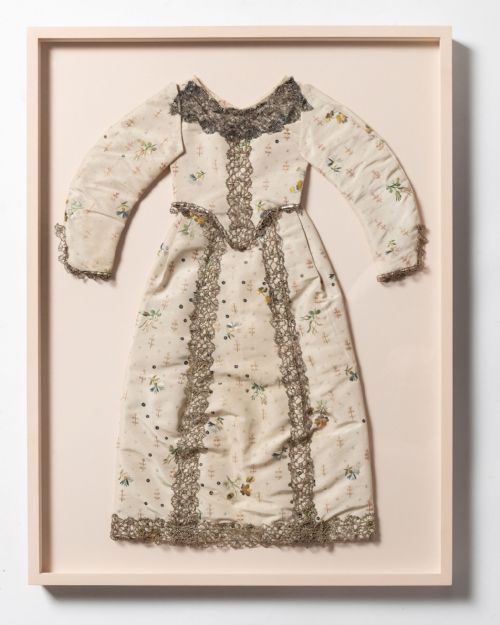
These framed historical textile pieces span centuries of needlework, tapestry, and embroidery, offering a tangible link to domestic artistry and historical commemoration.
Framed Historical Textile
A framed historical textile is a preserved piece of fabric art, ranging from schoolgirl samplers to grand tapestries and printed cotton fragments. When you search for framed historical textile, you encounter works executed in silk, wool, linen, and cotton, often secured behind glass within period wood or gilded wood frames.
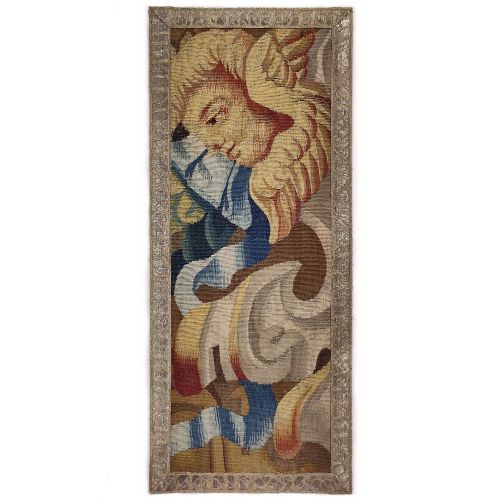
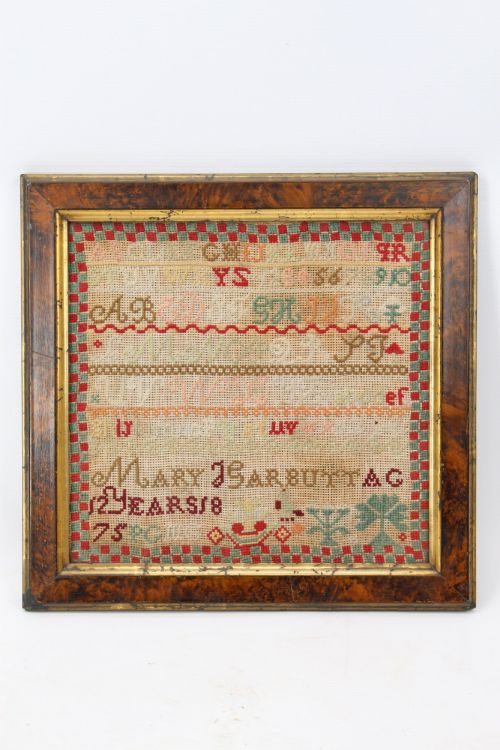
The selections span the seventeenth, eighteenth, and nineteenth centuries, alongside later nineteenth and early twentieth century interpretations. You are most likely to meet Victorian needlework samplers recording names and dates, alongside eighteenth century Dutch silk embroideries and French tapestries.
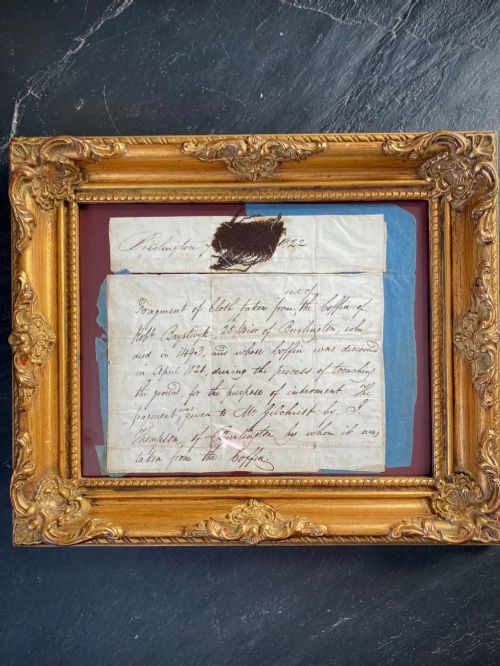
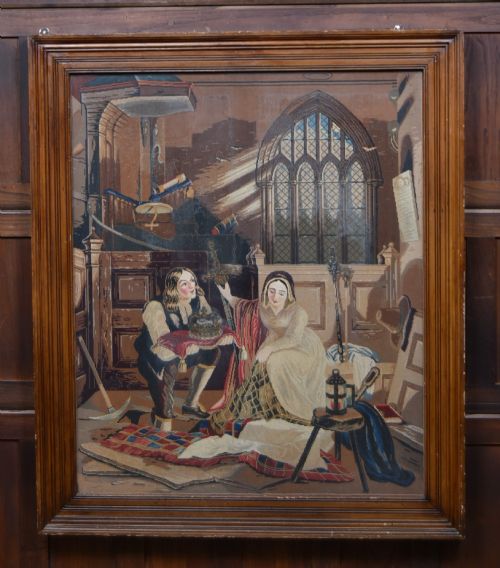
Forms include needlework pictures, textile art panels, tapestry cushion covers mounted for display, and printed fragments such as Toile de Jouy. Each piece preserves historical needlecraft, capturing domestic diligence, political events like Napoleonic history, and leisure pursuits such as horse racing.
Materials and construction
Makers constructed these works using natural fibres including silk, wool, linen, and cotton threads worked upon supportive fabric grounds. Metal thread embroidery also appears in eighteenth century Dutch pieces, adding reflective detail to silk grounds.
Needlework pieces utilise various stitches, from cross-stitch on samplers to intricate pictorial embroidery depicting figures and landscapes. Tapestries involve woven designs using wool and silk, while printed textiles like Toile de Jouy feature monochrome scenes on cotton or linen.
Framing preserves these delicate fabrics, employing wood and gilded wood mouldings combined with glass to protect the textile fibres from environmental dust and handling.
Framed Historical Textile Retail Price Guide 2026
Typical asking prices for framed historical textile among the pieces listed under this phrase on Sellingantiques today, from the lower quarter to the upper quarter. They describe what is for sale here now, not the wider market.
Styles represented include Victorian, Georgian, Gothic Revival, French Empire, French Rococo, and 18th Century Dutch.
Understanding quality
Quality rests upon the execution of the needlework and the survival of the original materials. Finer examples display intricate stitch control, balanced compositions, and well-preserved thread colour without excessive fading.
The context and documentation elevate certain pieces, such as samplers bearing clear names, ages, and dates, or panels depicting identifiable subjects like Epsom Park or historical figures. The integrity of the original framing and the stability of the textile ground further distinguish superior examples.
The Framed Historical Textile Glossary
- Sampler
- A piece of needlework produced to demonstrate skill in various stitches and patterns, frequently including alphabets, numbers, names, and dates. They served as proof of domestic proficiency for young makers.
- Tapestry
- A form of textile art woven on a loom rather than embroidered with a needle, depicting pictorial scenes or decorative motifs. Historical examples often utilised wool and silk yarns.
- Toile de Jouy
- A type of cotton or linen fabric featuring repeated complex printed pastoral or historical scenes in a single colour. Fragments are frequently framed as decorative art.
- Needlework picture
- A pictorial composition created with thread on a fabric ground, designed specifically for visual display rather than practical utility. These works frequently record historical events or domestic scenes.
- Gilded wood
- Wood that has been coated with a thin layer of gold leaf or metallic paint, commonly utilised for decorative picture frames during the eighteenth and nineteenth centuries.
Framed Historical Textile: Frequently Asked Questions
How should I display a framed historical textile?
Hang these pieces away from direct sunlight to prevent the silk, wool, and cotton threads from fading over time. Maintaining stable indoor humidity levels also protects the delicate organic fibres within the frame.
Ensure the piece is positioned securely on the wall using appropriate fixings for the weight of the wood and glass frame. Avoid damp walls or locations subject to rapid temperature fluctuations.
What is the difference between a sampler and a needlework picture?
A sampler primarily focuses on demonstrating technical proficiency through alphabets, numerals, and various stitch rows, often accompanied by the maker's name and date. They function as a record of education and skill.
A needlework picture is designed from the outset as a complete pictorial scene, depicting landscapes, historical events, or portraits without the instructional alphabet rows found on samplers.
How do I date a historical textile?
Many samplers and pictorial works include embroidered dates and the names or ages of their makers, providing a precise point of origin. Stylistic markers, such as Victorian pictorial conventions or Georgian framing styles, also help establish the period.
The materials themselves, including specific types of linen grounds and hand-spun threads, offer further clues when assessed alongside the construction of the accompanying wood frame.
Were these textiles originally framed?
Many domestic needleworks and samplers were framed later by families who wished to preserve and display the work as decorative art. Finer pictorial panels and tapestries were frequently mounted and framed closer to their creation date to protect the fabric.
The presence of period frames often reflects the changing status of needlework from utilitarian practice to treasured wall art.