





Framed Fabric Panel
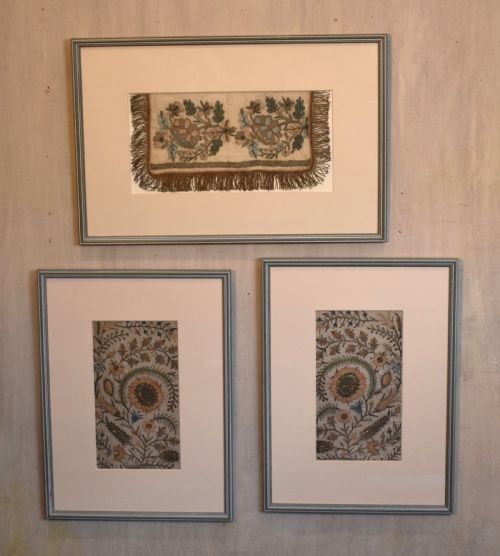
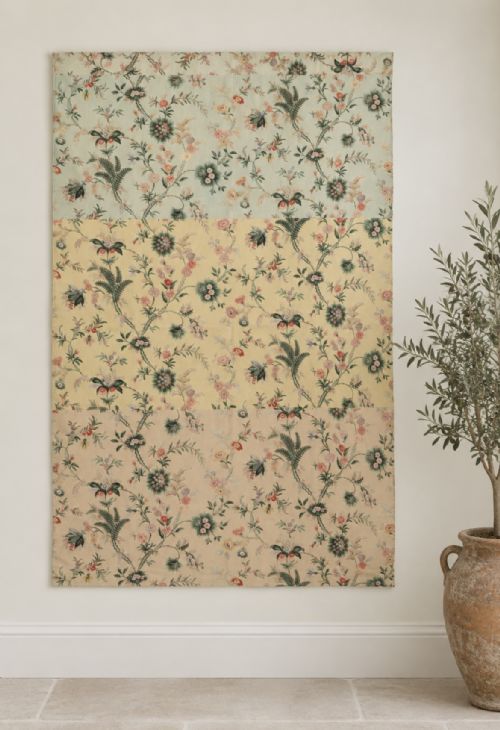
These framed fabric panel examples bring historic textiles and needlework straight to the wall, offering texture and colour that flat prints simply cannot match.
Framed Fabric Panel
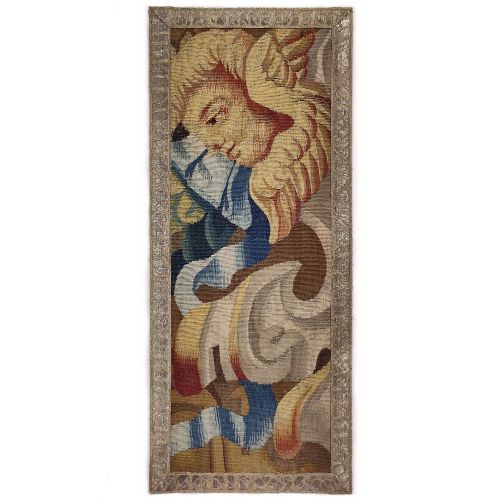
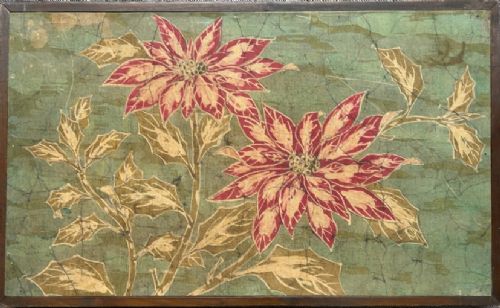
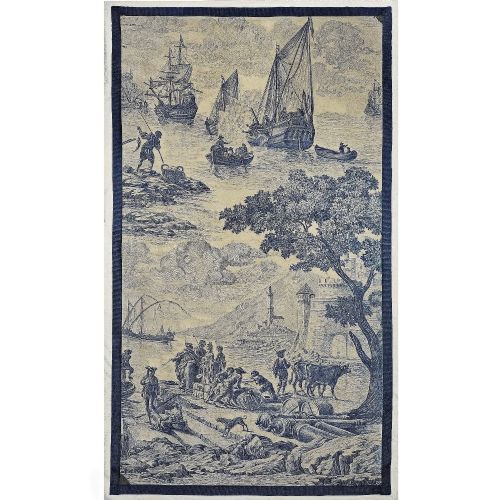
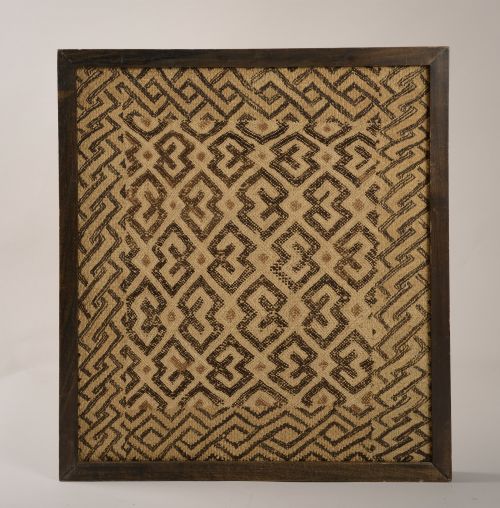
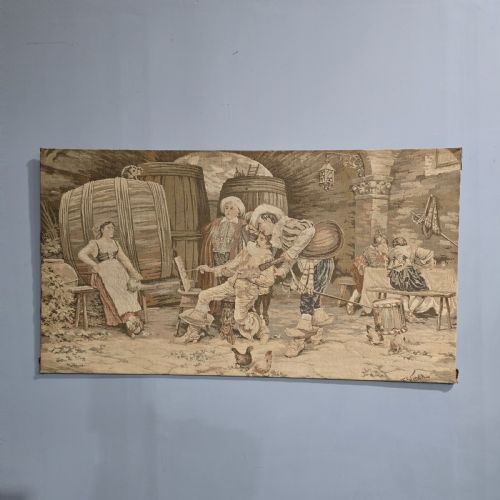
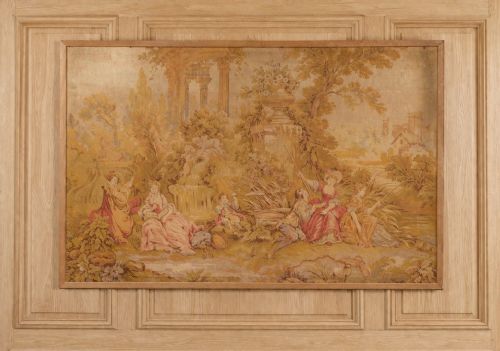
A framed fabric panel brings together textiles and wall art, spanning centuries of handwork from European tapestries and toile to Central Asian embroideries and African Kuba cloth. You will encounter everything from large eighteenth century woven pieces to delicate nineteenth century needleworks and mid twentieth century batik designs.
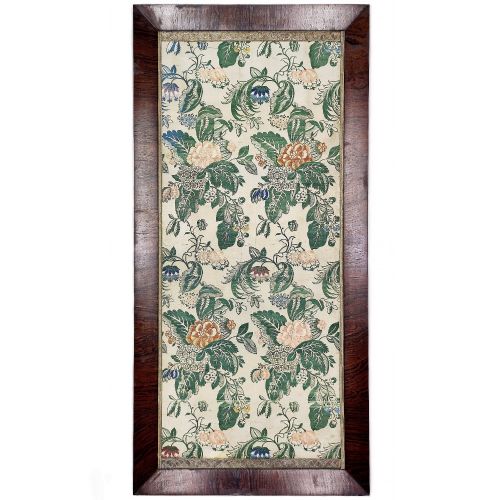
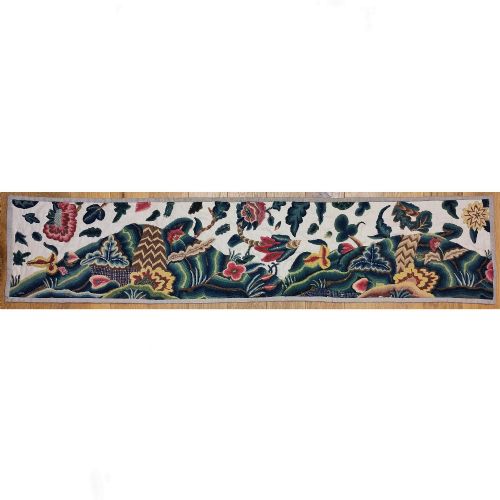
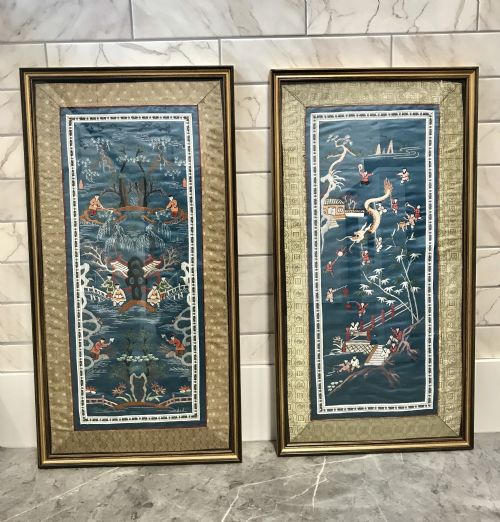
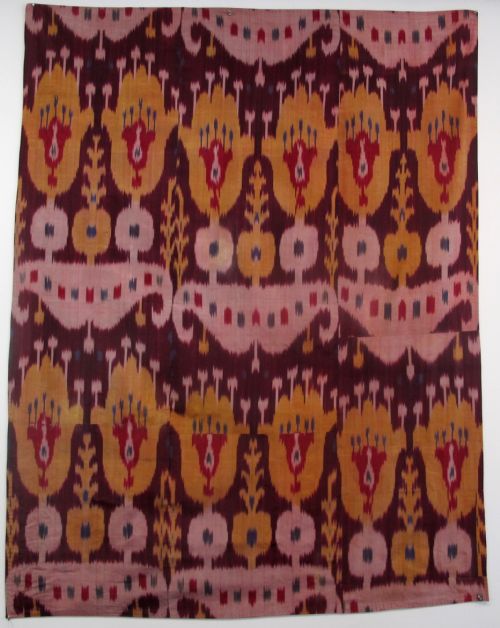
These pieces function primarily as wall art and wall hangings, preserved behind glass or mounted directly onto board and frames. The selection on this page ranges from English crewelwork and French lace samplers to Chinese silk embroidery and ikat panels.
Dating across multiple centuries, these textiles reflect distinct regional styles including Georgian, Jacobean, Qing Dynasty style, and Mid-Century Modern. Buyers select them to anchor a room with historic textile craft and tactile depth.
Materials and construction methods
Makers utilised natural fibres including silk, cotton, linen, and wool, often hand sewing or weaving complex pictorial scenes and geometric patterns. Gold leaf frequently appears on framing, while glass protects delicate surfaces such as lace and silk embroidery.
The supporting structures rely heavily on wood for frames and mounting boards, securing heavy woven tapestries and delicate textile fragments alike. Raffia and specialised plant fibres also form distinct regional pieces such as Kuba cloth.
Framed Fabric Panel Retail Price Guide 2026
Typical asking prices for framed fabric panel among the pieces listed under this phrase on Sellingantiques today, from the lower quarter to the upper quarter. They describe what is for sale here now, not the wider market.
One piece preserves the fabric straight from the coronation of King George V and Queen Mary.
Assessing quality in textile panels
Quality rests upon the intricacy of the needlework or weave, evident in fine hand-stitched figures, dense crewelwork, and complex silk embroidery rather than simple machine production. The condition of the textile itself, alongside the preservation provided by the glass and wooden frame, dictates the standard of the piece.
Provenance and age further distinguish the range, with eighteenth century woven tapestries and documented royal coronation pieces standing apart from later decorative works. Superior examples show careful mounting that respects the original fabric fragment without causing structural stress.
The Framed Fabric Panel Glossary
- Crewelwork
- A traditional form of surface embroidery using wool on a twill ground, seen in early English decorative panels.
- Toile de Jouy
- A eighteenth century cotton or linen fabric printed with repetitive pastoral or historic scenes, often mounted as wall art.
- Suzani
- A type of embroidered tribal textile originating from Central Asia, typically featuring bold floral motifs on cotton or silk.
- Ikat
- A dyeing technique where yarns are pattern-dyed before weaving, creating characteristic blurred edges on the finished fabric panel.
- Sampler
- A piece of needlework produced to demonstrate skill in various stitches, frequently framed as a historical textile record.
Framed Fabric Panel: Frequently Asked Questions
How do I hang a heavy tapestry panel?
Heavy woven tapestries and large framed pieces require robust wall fixings secured directly into wall studs or heavy-duty masonry anchors. The wooden frame or mounting board must support the full vertical tension of the textile without sagging.
Ensure the hanging wire or brackets match the weight distribution of the piece, particularly for eighteenth century wool panels. Professional framing support helps protect older textiles from strain at the anchor points.
Can I hang fabric panels in direct sunlight?
Direct sunlight causes natural fibres like silk, cotton, and wool to fade rapidly over time. Natural dyes used in antique panels are particularly sensitive to ultraviolet exposure.
Position these textiles on interior walls away from direct windows, or utilise museum-grade UV-filtering glass if placement near light is unavoidable. Regular rotation away from bright spots preserves the original colouration.
How do I clean an antique fabric panel?
Historic textiles under glass rarely require cleaning beyond dusting the exterior frame with a dry cloth. Opening sealed frames can introduce humidity and dust that damage fragile historic fibres.
Consult a professional textile conservator for any deep cleaning or restoration needs. Attempting to wash or vacuum delicate silk embroidery or crewelwork at home risks permanent damage.
What is the difference between toile and crewelwork?
Toile involves printed scenes on cotton or linen, whereas crewelwork consists entirely of raised wool embroidery stitched onto a fabric ground. Both styles appear frequently in framed historic wall panels.
Crewelwork displays distinct thread texture and hand-stitched relief, while toile presents a flat graphic surface created through printing techniques. Each offers a different tactile quality for interior display.
How do I date an old fabric panel?
Dating relies on identifying the textile material, stitching technique, and stylistic markers such as Georgian motifs or mid-century abstract patterns. Examining the backing materials, frame construction, and any accompanying provenance records also helps narrow the period.
Comparing the weave structure and dye types with known historic examples provides further chronological context. Specialist dealers and textile historians can confirm specific eras based on regional manufacturing traits.