
Framed Historical Oil Painting
A framed historical oil painting brings centuries of recorded human identity and dramatic narrative directly onto a wall.
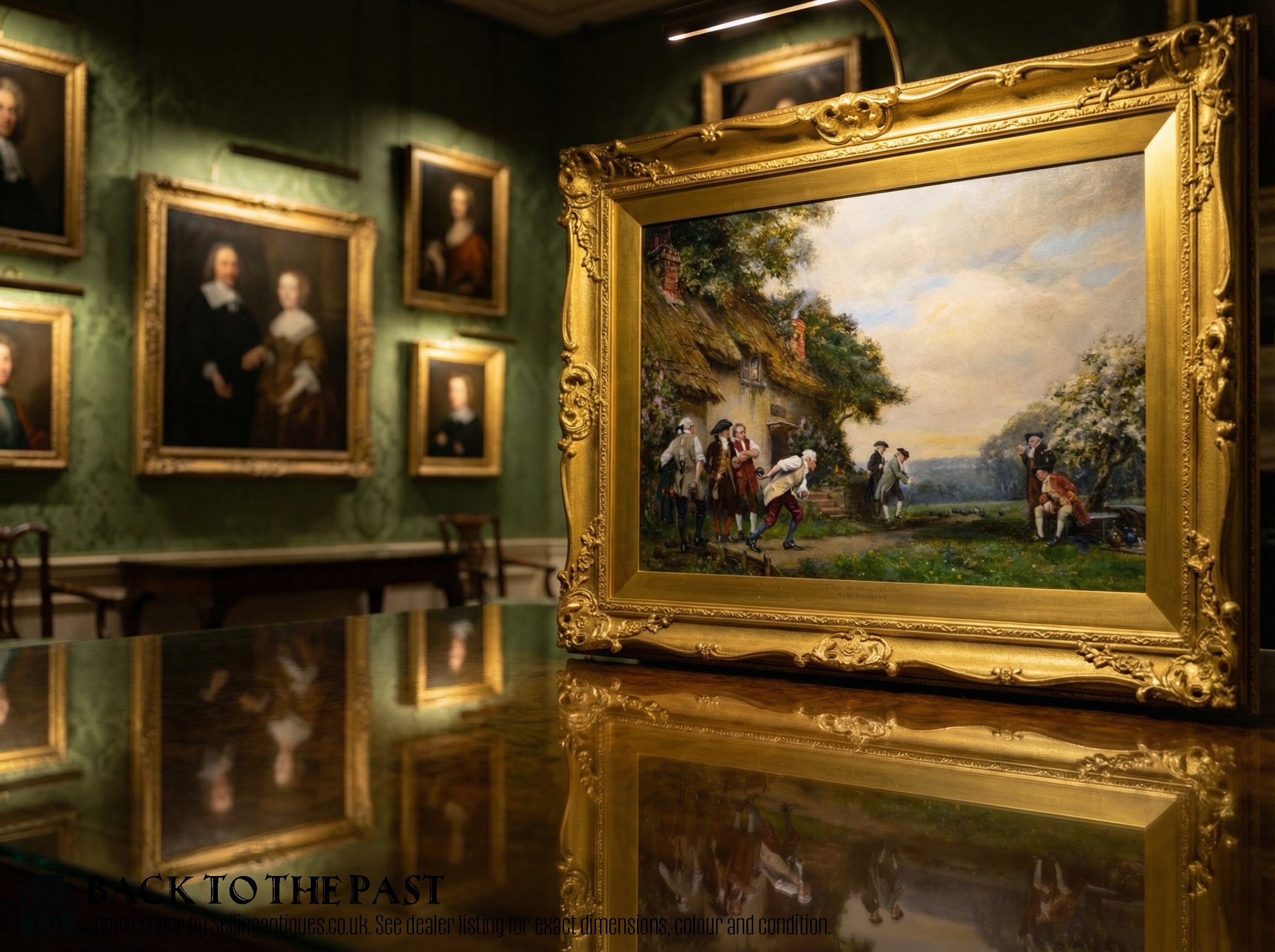
Framed Historical Oil Painting
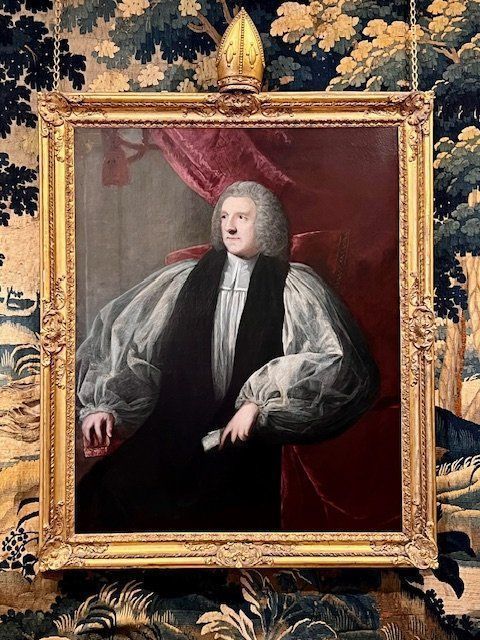
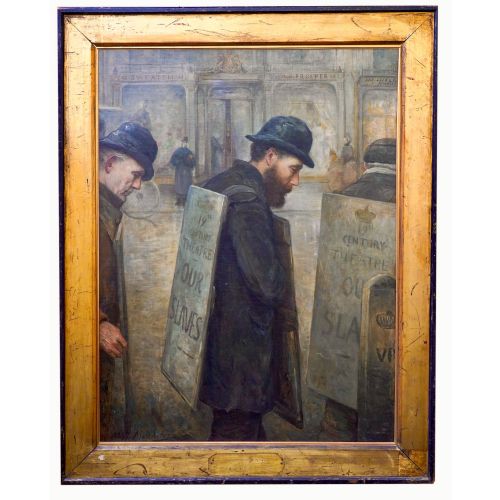
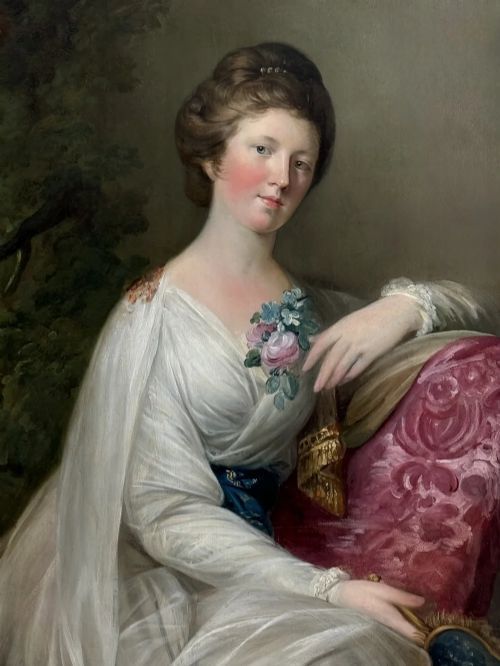
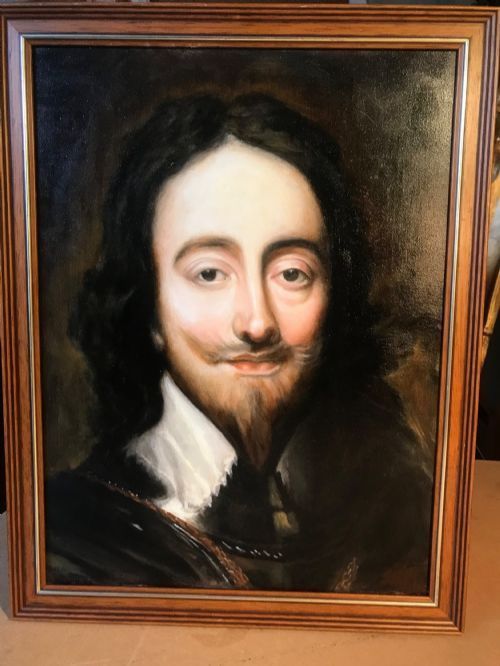
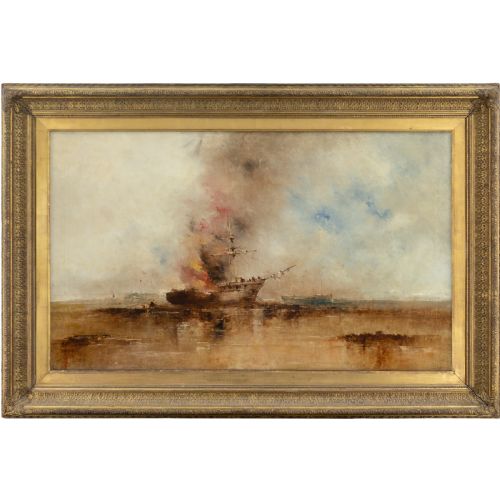
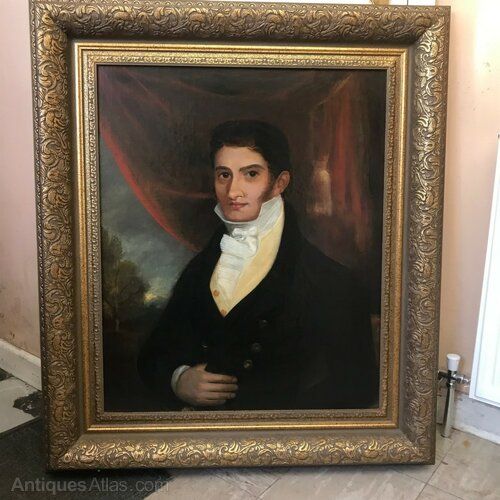
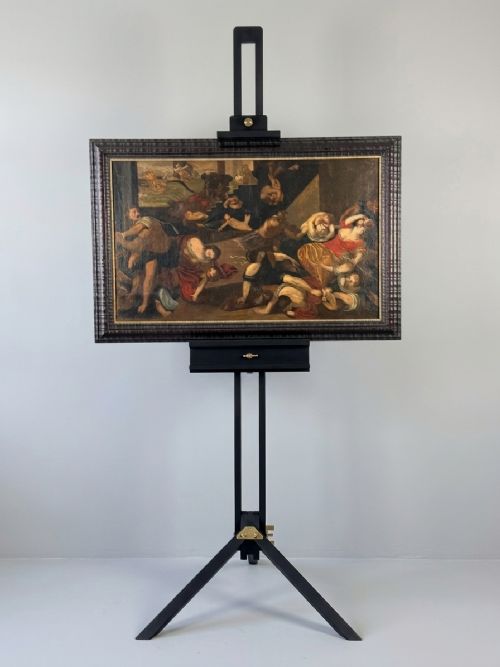
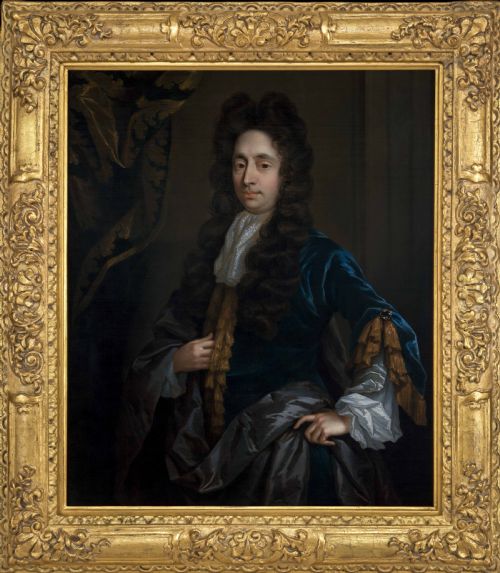
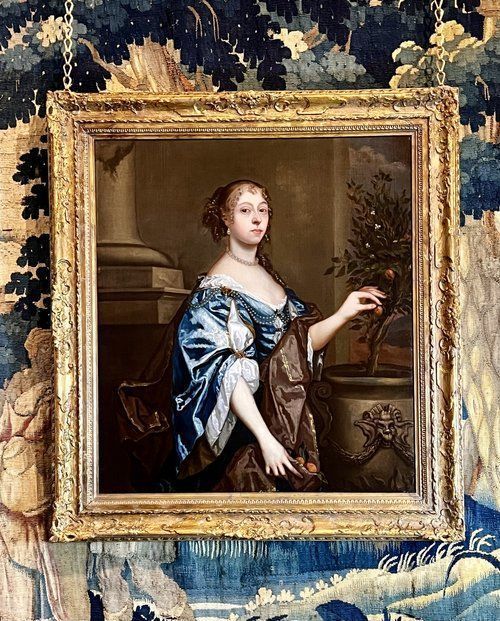
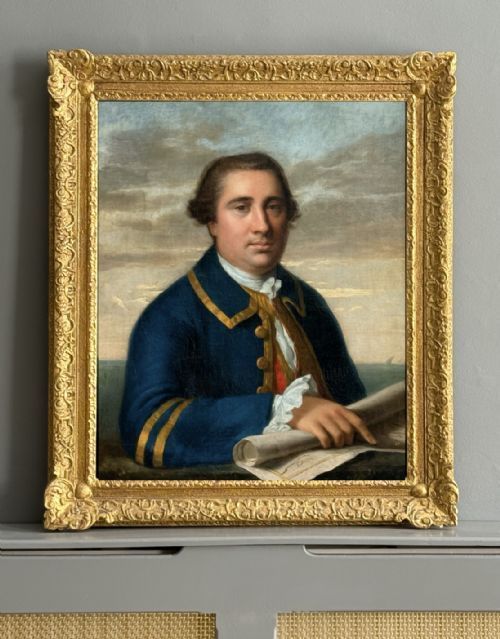
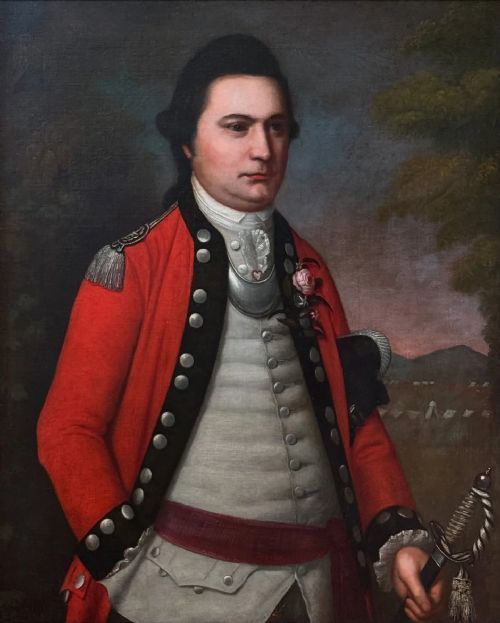
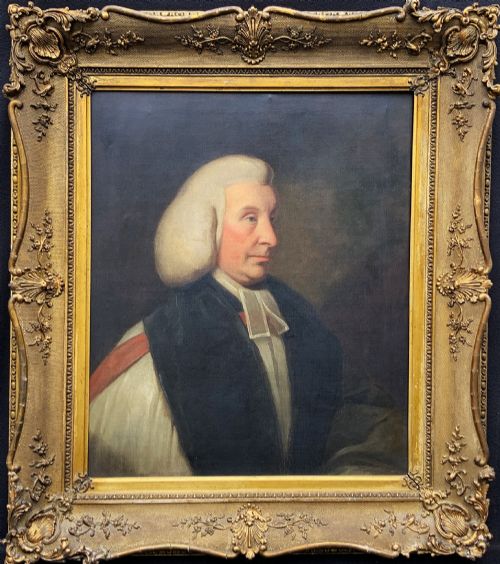
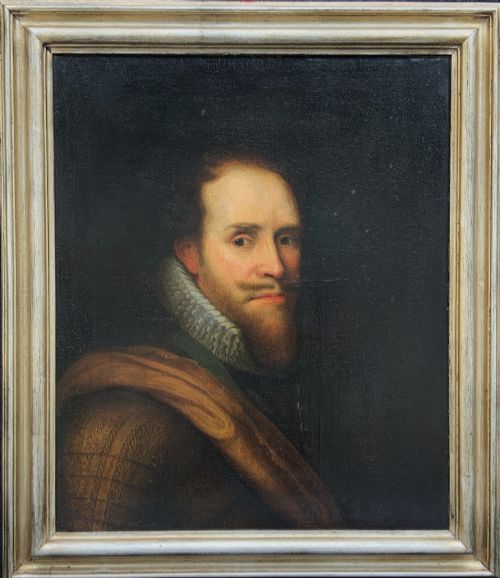
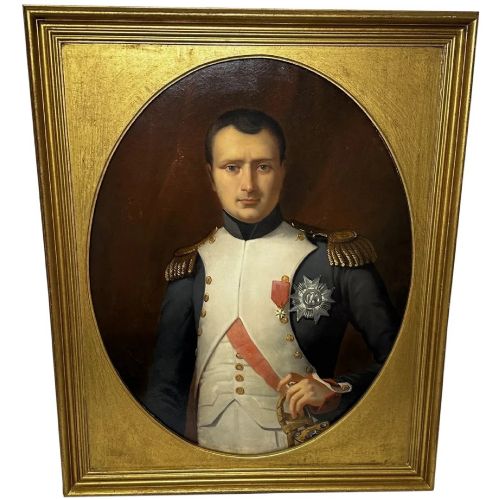
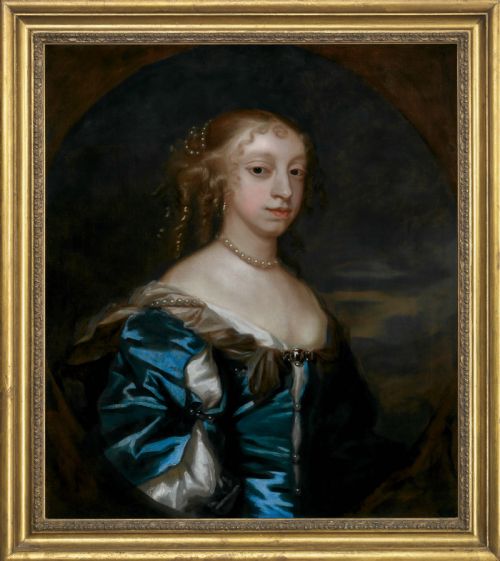
A framed historical oil painting captures documented personalities, monarchs, military officers, and significant past events across canvas and wood panels. When searching for a framed historical oil painting, collectors encounter centuries of portraiture and narrative works ranging from seventeenth-century Dutch styles to nineteenth-century maritime and social realism.
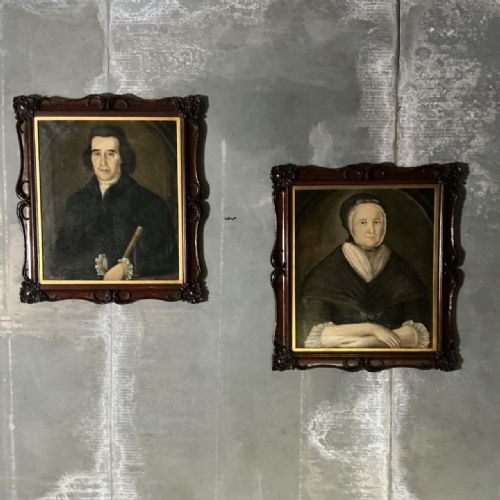
The subjects span from nobility and clergy to everyday citizens recorded during the Georgian, Regency, and Victorian eras. Many pieces record specific historical figures, while others depict dramatic scenes such as naval battles or railway transport.
Materials and Techniques
Pigments ground in oil are applied to stretched canvas or wooden panels, allowing for rich colour depth and gradual blending. Works are housed within wooden and giltwood frames that provide structural support and aesthetic contrast.
Artists utilise traditional layering techniques, building compositions from initial underpaintings to detailed surface glazes that preserve the pigment across centuries.
Several gentlemen in the collection maintain an intense gaze directed permanently toward the viewer, regardless of where the observer stands in the room.
Quality Variations
The distinction between standard works and exceptional pieces lies in the precision of brushwork, anatomical accuracy, and the psychological depth captured in facial expressions. Master painters convey texture in fabrics and luminosity in skin tones with a subtlety that lesser hands miss.
Preservation of the original paint surface and the historical integrity of the matching frame significantly influence the standing of an artwork.
Sir Joshua Reynolds·Anthony Van Dyck·George Willison·Pieter Borsseler·Lemuel Francis Abbott·Stickland Lowry·Jean Baptiste Van Loo·John Michael Wright
The Framed Historical Oil Painting Glossary
- Oil on Canvas
- Pigment mixed with drying oils applied to a woven fabric support. This combination provides flexibility and durability.
- Giltwood
- Wood carved and coated with a thin layer of gold leaf or gold paint. Frames utilising this finish add reflective warmth to the artwork.
- Baroque
- An artistic style prevalent during the seventeenth century characterised by dramatic movement and deep shadow. It emphasises grand scale and intense emotion.
- Social Realism
- An artistic movement depicting contemporary everyday life and social conditions with a truthful perspective. It emerged strongly during the nineteenth century to document working conditions and historical events.
Framed Historical Oil Painting: Frequently Asked Questions
How do I hang a heavy oil painting safely?
Ensure fixings anchor directly into wall studs or use heavy-duty wall anchors rated for the combined weight of canvas and wood.
Position the centre of the artwork at average eye level to maintain proper visual balance in the room.
What lighting damages historic oil paintings?
Direct sunlight and high-intensity halogen spots introduce ultraviolet radiation and excessive heat that degrade pigments over time.
Utilise indirect LED lighting with low heat output to illuminate the canvas safely.
How do I identify a seventeenth-century canvas?
Examine the weave tightness, stretcher construction, and hand-beveled edges typical of early workshops.
Craquelure patterns across the paint surface also indicate natural ageing over centuries.
Can I clean an antique oil painting myself?
Surface dust can be removed gently with a very soft, dry brush, avoiding any moisture or pressure on the paint.
Professional conservators should handle deeper cleaning to prevent removing original glazes.