


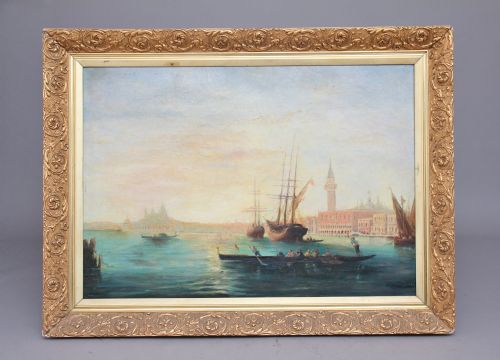
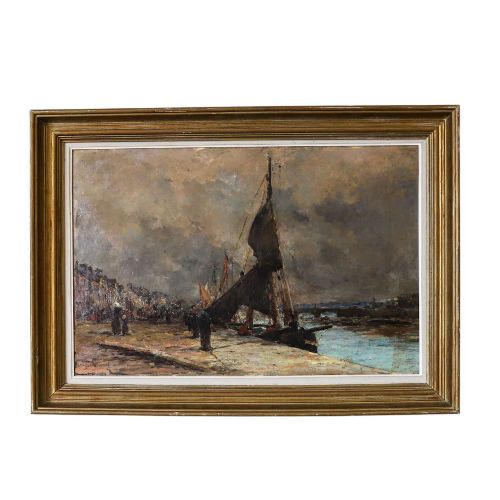
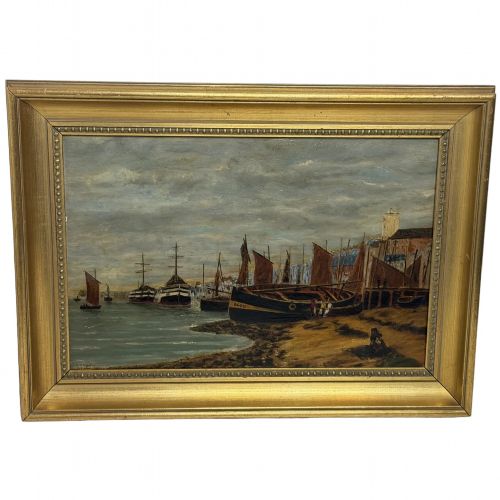
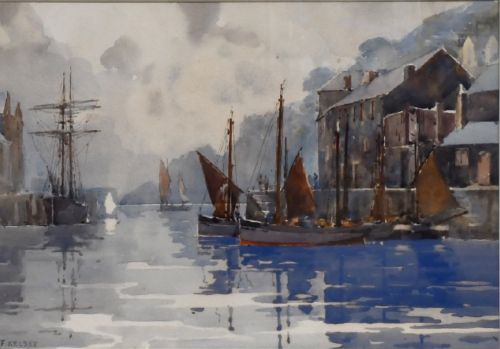
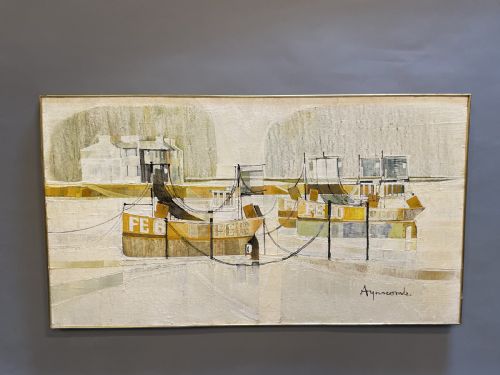

Framed Harbour Scene Art
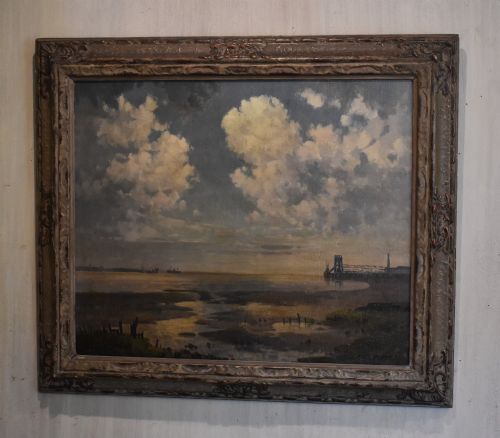
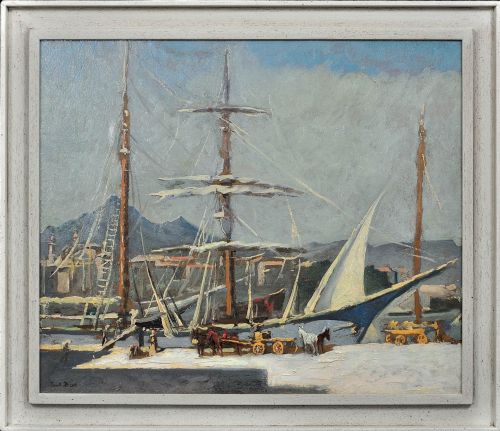
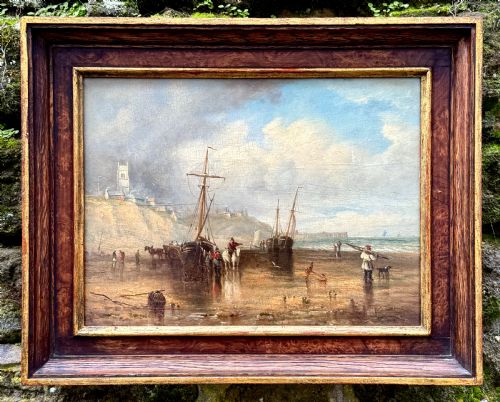
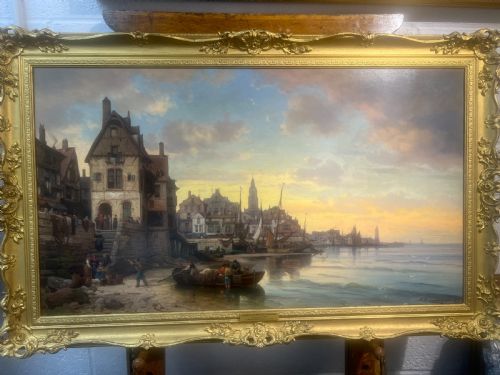
Framed harbour scene art brings the weathered charm of coastal ports and sailing vessels directly into a room through historic paintings and watercolours.
Framed Harbour Scene Art
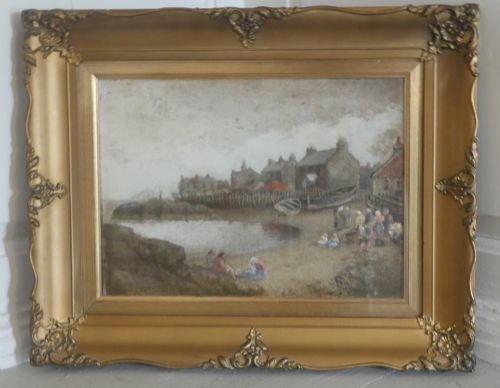
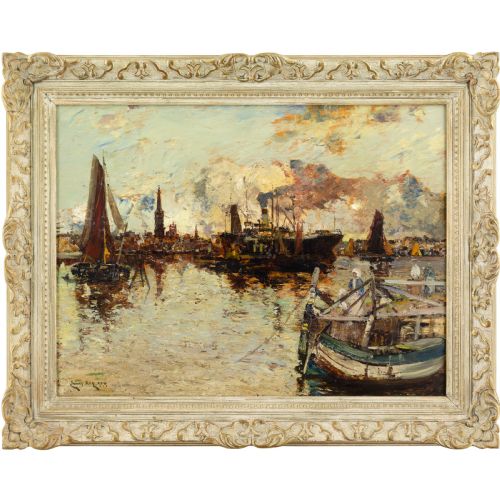
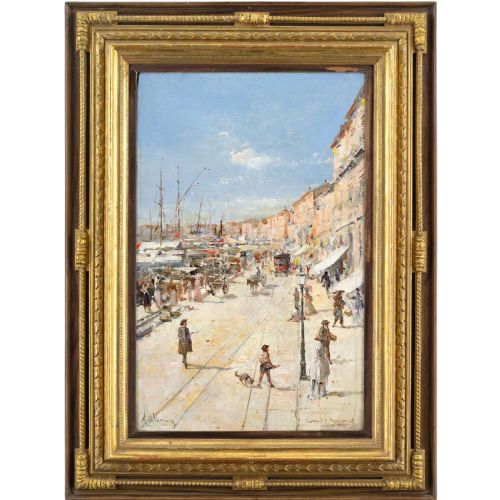
When you search for framed harbour scene art, you encounter maritime views spanning from the eighteenth century through the mid-twentieth century. The selection leans heavily toward nineteenth-century works and early twentieth-century pieces capturing busy fishing ports, quiet estuaries, and coastal shipping.
Geographic origins stretch across British and European coasts, from Cornish fishing villages like St Ives and Looe to Mediterranean harbours in Italy and France. You will find named artists alongside traditional maritime works from established regional schools.
Materials and techniques
Artists captured these coastal vistas primarily using oil paint on canvas or board, or by applying watercolour pigments onto paper. Oil mediums allowed for rich textures in rendering choppy seas and skies, while watercolours offered luminous transparency for light over the water.
Original framing played a crucial role in presentation, utilising moulded wood finished with heavy gilding to protect and enhance the artwork. Glazing typically accompanies works on paper to guard against moisture and handling damage.
Support structures range from stretched linen canvases to wooden panels and heavy art paper, reflecting the standard studio practices of the Victorian and Edwardian eras.
Salt air may have long since cleared from these old harbours, but the painted tides remain steadfastly anchored to their canvas.
Indicators of quality
Quality in these coastal works rests on the artist's command of light, atmosphere, and maritime architecture. Superior pieces demonstrate precise observation of rigging, water movement, and coastal topography rather than formulaic repetition.
The physical preservation of both the paint surface and the surrounding frame dictates the standard of the piece. Well-maintained surfaces retain their original varnish depth and pigment vibrancy without heavy retouching.
Provenance and attribution elevate certain works, particularly when a painting bears a signature from a recognised regional school or documented nineteenth-century marine artist.
Edward Mills·John E Aitken·William Banks Fortescue·James Kay·Augusto Alberici·Lucy Pratt·Clive Browne·Paul Bret·Thomas Creswick·Charles Euphraisie Kuasseg·Frank Kelsey·Paul Delvaux·William Edward Webb·Richard Harry Carter·Gyrth Russell·Raymond Picque·William Lee Hankey·George Turland Goosey·Fred Lawson·James Kyd·Adrian Van Porten·Claude Lorrain·William Tuck·Donald McIntyre·T S Wallis
The Framed Harbour Scene Art Glossary
- Gilt Wood
- Wood carved or moulded and coated with a thin layer of gold leaf or metallic gilt paint. This traditional framing technique adds warmth and reflection around the perimeter of the artwork.
- Watercolour
- A paint consisting of pigment suspended in a water-soluble vehicle, typically applied to paper. It yields translucent washes of colour well suited to atmospheric marine conditions.
- Seascape
- A painting, photograph, or other work of art which depicts the sea. These scenes frequently incorporate shipping vessels, harbours, and coastal cliffs.
- Impressionism
- A nineteenth-century movement characterised by relatively small, thin, yet visible brush strokes and open composition. This style focuses on accurate depiction of light in its changing qualities.
Framed Harbour Scene Art: Frequently Asked Questions
How do I care for antique watercolours?
Keep works on paper away from direct sunlight to prevent the pigments and paper from fading over time. Maintaining a stable room temperature helps protect the delicate watercolour medium from moisture damage.
Ensure the protective glass remains sealed and clean without using liquid cleaners that might seep behind the mount. Professional framing checks help preserve the structural integrity of the paper over the decades.
What defines a traditional maritime painting?
These works focus on ships, coastal architecture, and tidal waters under various weather conditions. Artists during the nineteenth century paid close attention to the accurate rigging of vessels and the specific light of coastal regions.
Many pieces document working ports and fishing fleets rather than purely decorative scenes. This historical record gives maritime art a dual appeal for both art collectors and local historians.
Are original gilt frames important?
Period frames contribute significantly to the overall character and historical context of an antique painting. The finish and moulding style often correspond directly to the decade in which the canvas was painted.
Matching a nineteenth-century oil painting with a contemporary gilt wood frame enhances the visual presentation. Preserving the original frame helps maintain the aesthetic unity intended by the artist or early gallery.
How can I identify the painting period?
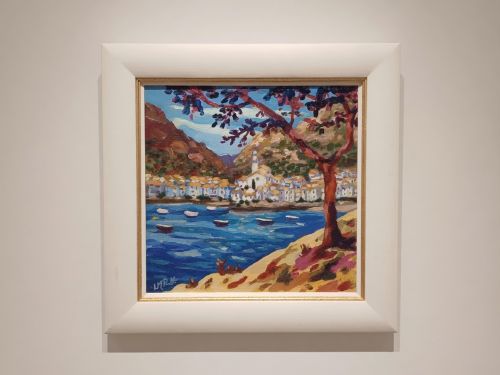
Stylistic clues such as brushwork technique, subject clothing, and framing materials offer strong indicators of a work's age. Victorian marine paintings often feature dramatic skies and detailed shipping traffic, while later twentieth-century pieces embrace broader impressionistic strokes.
Signatures, stretcher construction, and old gallery labels on the reverse provide additional chronological markers. Comparing these details against known artist dates helps narrow down the decade of creation.