


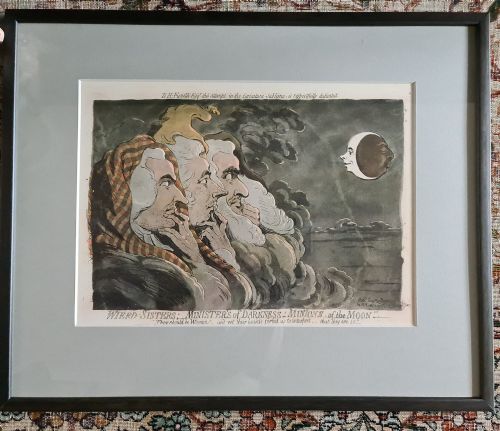


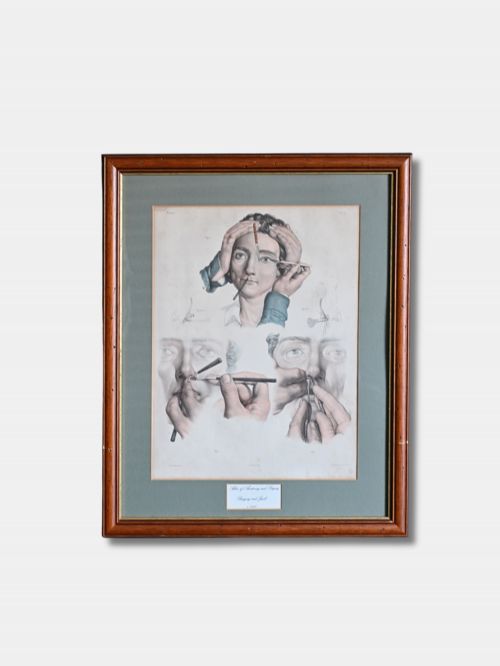
Framed Hand Coloured Engraving
A framed hand coloured engraving brings centuries of detailed imagery, botanical study and cartography straight to the wall.
Framed Hand Coloured Engraving
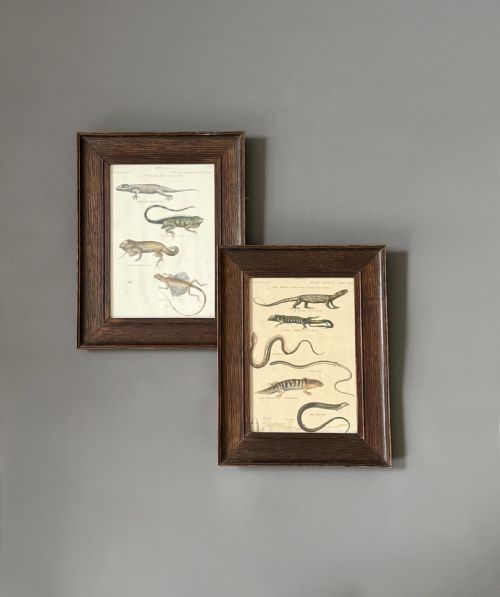
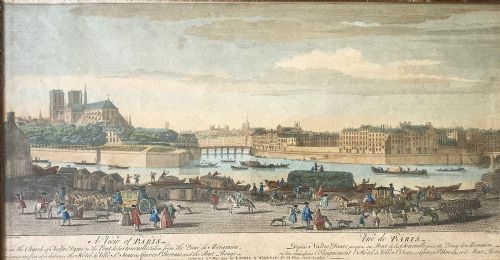
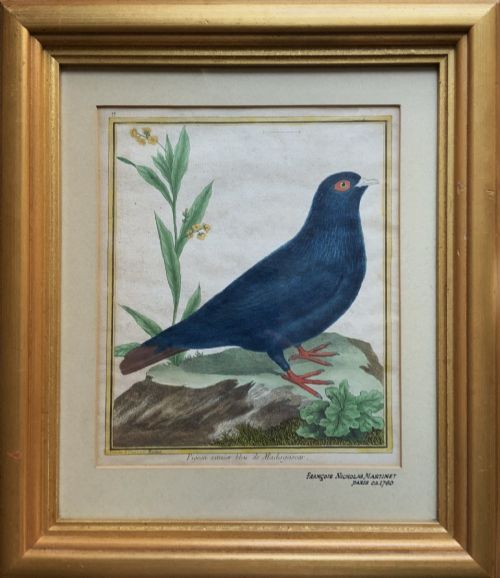
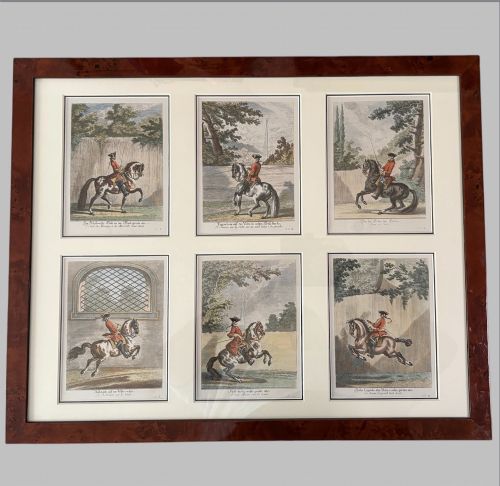
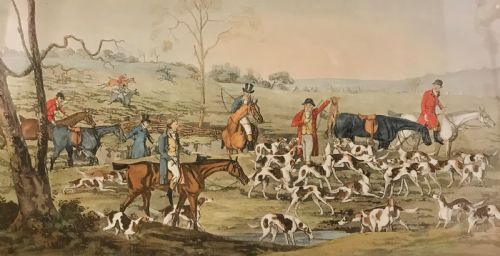
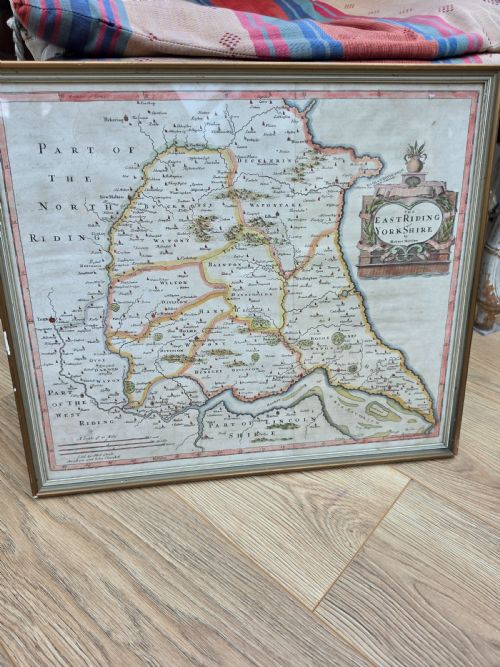
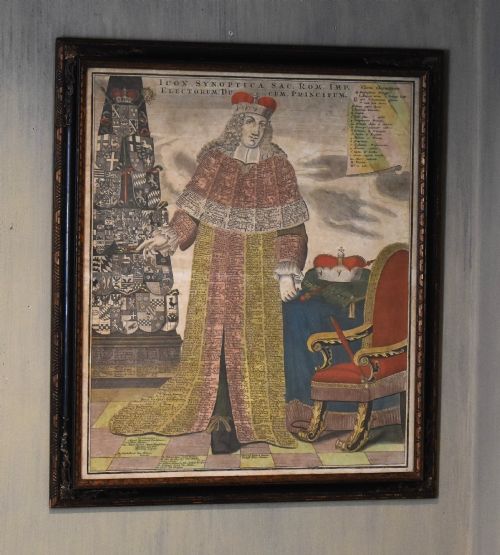
A framed hand coloured engraving represents a traditional intersection of printmaking and delicate watercolour application, spanning several centuries of visual culture. Buyers exploring this category will encounter works ranging from 17th-century county cartography and 18th-century natural history plates to 19th-century portraits and architectural scenes.
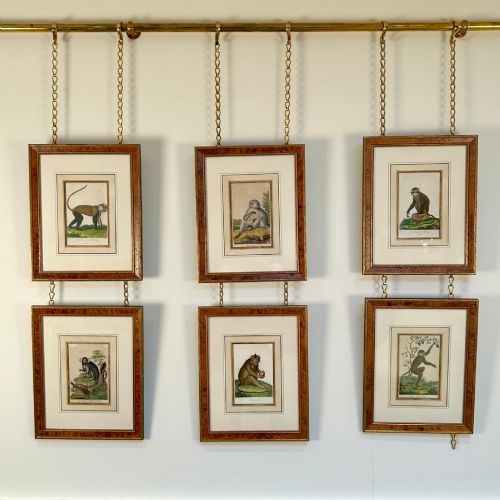
The pieces on this page frequently appear framed in wood, gilt wood, or Hogarth mouldings, often protected behind glass alongside paper supports. These works include single sheet prints, pairs, and larger sets depicting subjects such as birds, reptiles, maps, and equestrian scenes.
Originating across English, Dutch, French, and Scottish presses, these framed works capture historical events, regional geography, and scientific illustration. The selection unites diverse publishing traditions under the shared presentation of ink, paper, and hand-applied pigment.
Materials and Technique
Makers produced these works by carving lines into copper or other metal plates, applying ink, and pressing the design onto paper using a printing press. Artisans then applied watercolour by hand to specific areas of the printed image, adding selective tone and colour to the monochrome lines.
Finished plates found mounting within wooden or gilt wood frames, often secured behind glass sheets to protect the delicate paper surface from environmental damage. Backings and mounts occasionally incorporated brass elements or gold leaf highlights to complement the framed artwork.
Cartography forms a strong component of the available selection, featuring county maps by makers such as John Speed and Joan Blaeu.
Assessing Quality and Execution
Quality in these works rests upon the crispness of the original impression pulled from the plate and the skill involved in the subsequent watercolour application. Stronger examples exhibit sharp lines without blurring, alongside pigment that respects the boundaries of the engraved design rather than obscuring the underlying work.
The choice of framing contributes significantly to the presentation, with period mouldings such as Hogarth frames or gilt wood enhancing the visual weight of the print. The condition of the paper itself, alongside the preservation of the original hand colouring, distinguishes superior examples from more faded or heavily restored pieces.
William Bird·François Nicolas Martinet·John Speed·Oliver Goldsmith·Robert Sayer·Braun and Hogenberg·George Romney·Jonathan Couch·George Edwards·Joan Blaeu·Robert Morden·Johannes Janssonius·E Jackson Stodart·William Tombleson·Curtis
The Framed Hand Coloured Engraving Glossary
- Engraving
- A printmaking technique where an artist cuts lines directly into a metal plate with a sharp tool called a burin. The resulting grooves hold the ink for transfer onto paper during the printing process.
- Cartography
- The study and practice of making maps, frequently represented in early material by engraved county maps and regional plans. These historical charts often include decorative borders and hand-coloured cartouches.
- Lithograph
- A planographic printing method based on the chemical repulsion of oil and water, utilised extensively for 19th-century illustrative plates. Artists drew directly onto a limestone block or metal plate to create the master image.
- Mezzotint
- A printmaking process of the tonal category that allows half-tones to be produced without line work, achieved by roughening the metal plate systematically. This technique creates soft gradients of light and shadow.
- Stipple engraving
- A method of producing prints by means of dots rather than continuous lines, allowing for delicate tonal gradations. Artisans often combined this technique with hand colouring for botanical and portrait subjects.
Framed Hand Coloured Engraving: Frequently Asked Questions
How should I hang my framed engraving?
Position the framed piece away from direct sunlight to prevent the watercolour pigments and paper support from fading over time. Maintain stable indoor humidity levels to protect the wooden frame and the paper behind the glass.
Use secure wall anchors appropriate for the weight of the timber and glass assembly. Hang the artwork at eye level to best appreciate the fine detail of the ink lines and hand colouring.
What subjects do these engravings cover?
The subjects range widely across scientific, geographical, and decorative themes produced over several centuries. Common categories include natural history studies of birds, fish, and reptiles, alongside detailed cartography like county maps and regional views.
Other frequent subjects encompass architectural scenes, equestrian studies, portraits, and literary illustrations. Each genre reflects the specific scientific or artistic interests of its period of publication.
How can I tell the age of an engraving?
Dating relies on examining the paper type, printing style, typography, and any associated publication text or watermarks. Earlier works from the seventeenth and eighteenth centuries often feature handmade laid paper with distinct chain lines.
Stylistic cues within the cartography, costume, or scientific nomenclature provide further chronological context. Comparing the plate characteristics to known publishing dates helps narrow down the period of production.
Are these prints original or reproductions?
The pieces listed are period engravings and lithographs printed from their original plates or stones during the centuries indicated. Close inspection reveals the physical indentation of the plate mark on the paper, characteristic of authentic historic printing methods.
Hand-applied watercolour exhibits individual brushwork variations rather than the uniform dot pattern of modern digital reproduction. These physical indicators confirm the historic origin of each piece.