
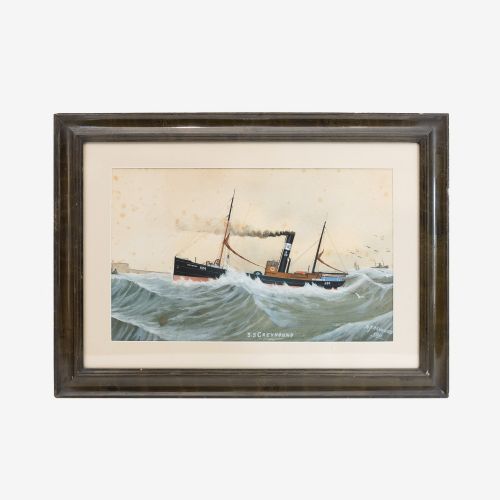
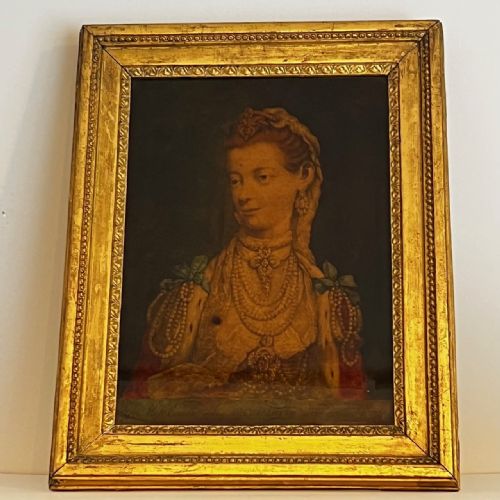
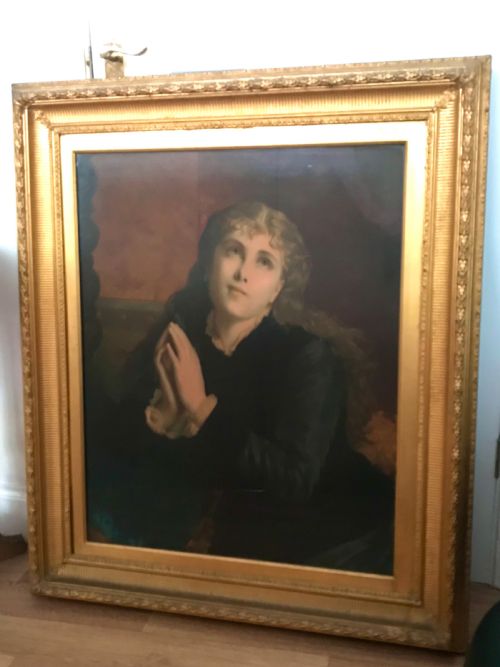
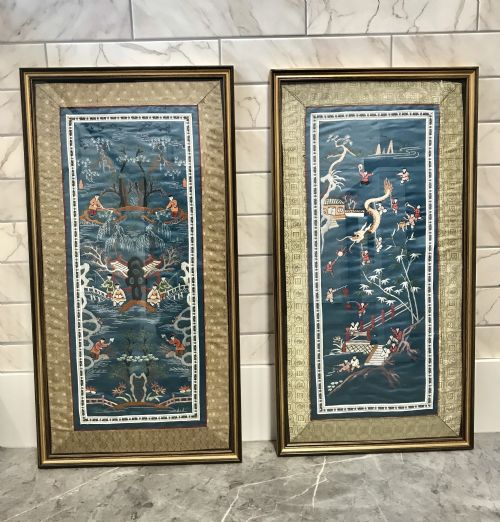
Framed Glass Artwork
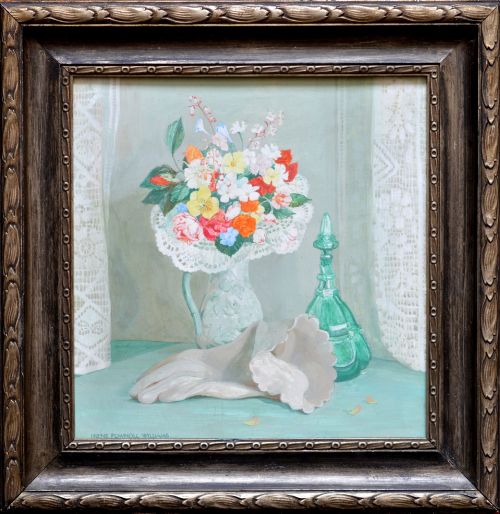
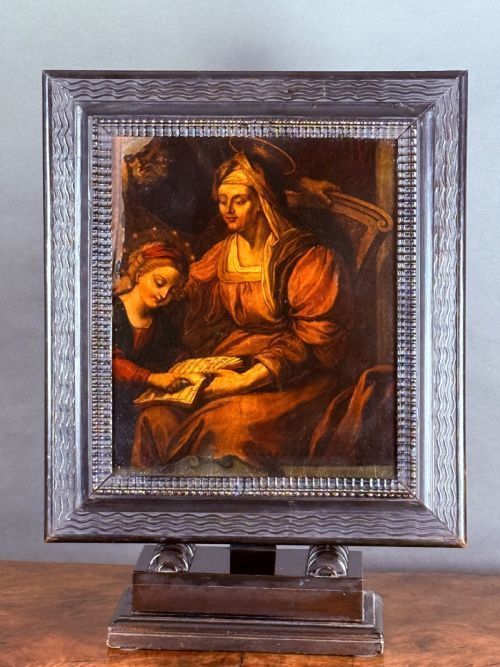
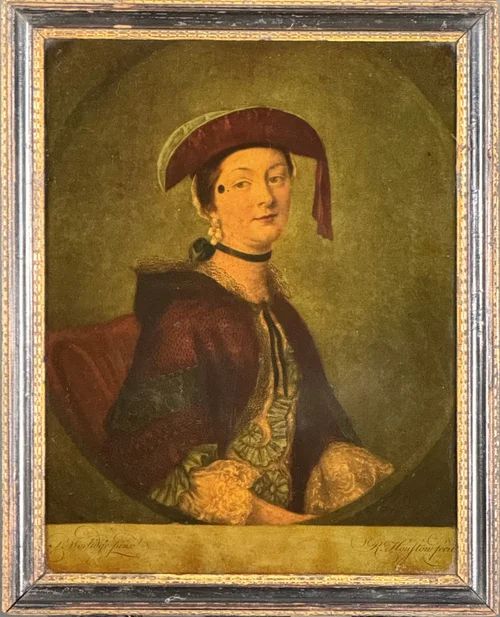
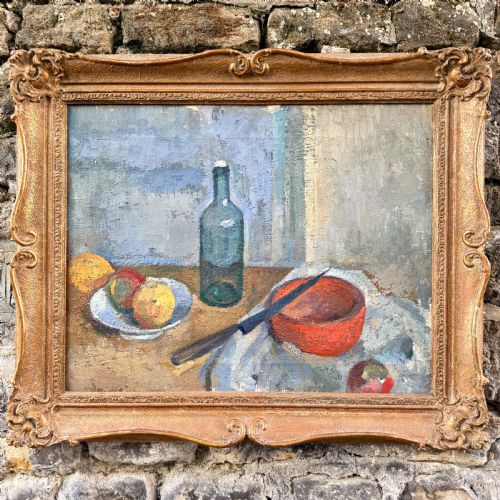
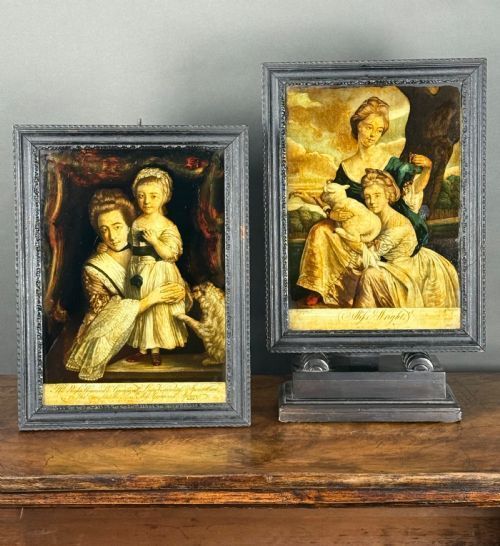
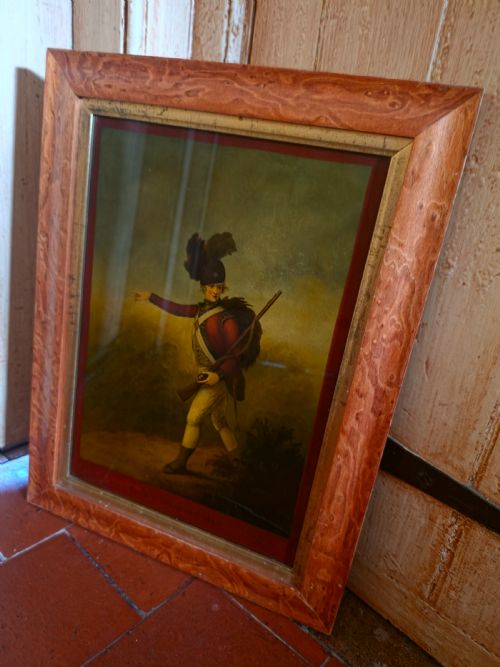
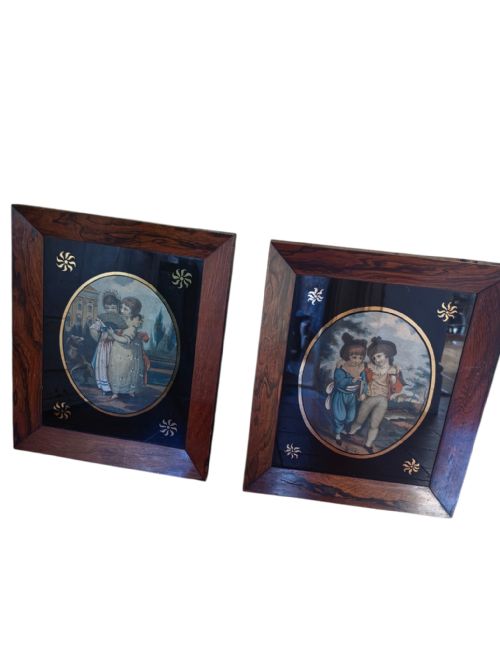
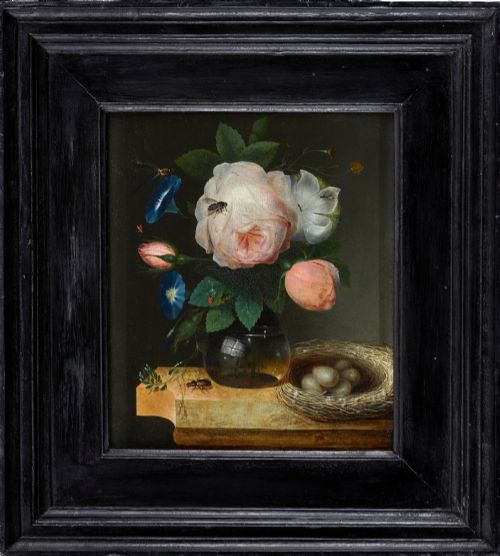
These framed glass artwork examples bring together centuries of delicate reverse glass painting, mezzotint, and print beneath protective glazing.
Framed Glass Artwork
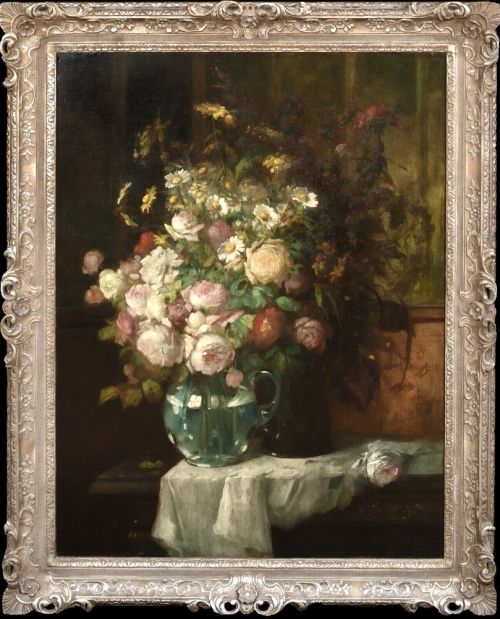
When you search for framed glass artwork, you encounter objects where the visual surface sits directly beneath or upon glass panels, spanning the eighteenth, nineteenth, and early twentieth centuries. The selection on this page relies heavily on reverse glass prints, mezzotints, and painted panels housed in wood or giltwood frames.
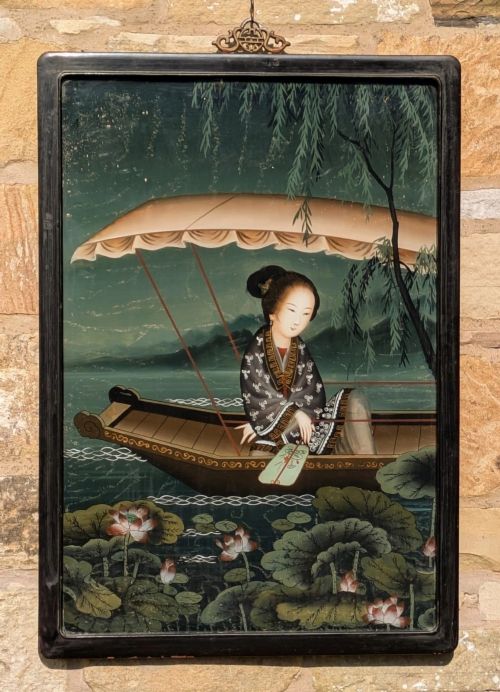
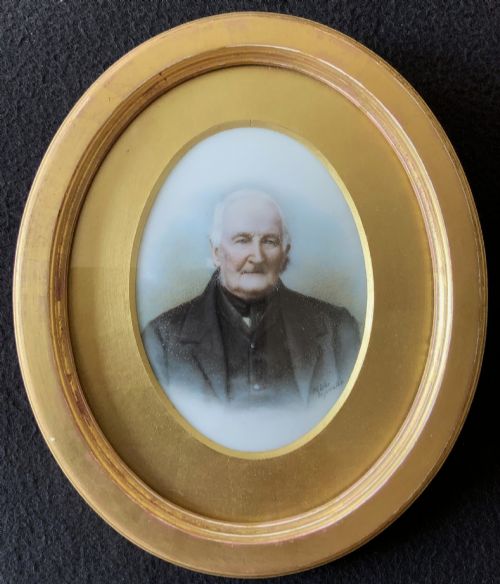
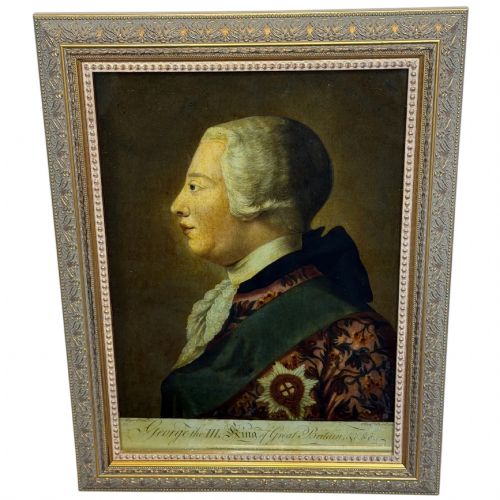
You meet Georgian and Regency reverse painted mezzotints alongside Chinese export trade pieces and nineteenth-century portraits. The assortment also incorporates watercolours, pastels, and embroideries preserved behind protective glazing.
The physical format ranges from small individual portrait silhouettes to large decorative still life scenes and naval engagements. Each piece relies on the clear separation provided by the frame and the glass sheet to maintain its delicate medium.
How they were made
Reverse glass painting involves applying pigment directly onto the rear surface of a glass plate so the finished image is viewed correctly through the front. Artists working on reverse glass mezzotints transferred printed outlines onto the glass before building up tones with oil paint, ink, and gouache.
Frames play an integral structural role, utilising woods such as rosewood, maple, ebonised timber, and giltwood to secure the glass panel safely in place. Paper, silk embroidery, canvas, and panel components provide the backing support behind the glazed front.
Listings feature eighteenth-century pieces alongside nineteenth-century examples, utilising materials such as glass, gilt wood, canvas, and paper.
What varies in quality
The standard of execution in reverse glass painting depends entirely on the precision of the brushwork and the clarity of the underlying mezzotint transfer. Finer examples display meticulous detail in facial expressions and drapery, whereas lesser pieces rely on heavy, flat coloration.
Condition of the glass and the original framing materials dictate much of the desirability within this category. Intact pigments free from extensive flaking and original period frames containing their historic glass elevate individual examples.
Irene Christobelle Pownoll Williams·Charles Spooner·Konstantin Stoitzner·Gaspar Peeter Verbruggen·Alexander Harwood·Robert Sayer·William Edward Fox·Takabatake Kasho·Edward Ladell·Richard Phillips
The Framed Glass Artwork Glossary
- Reverse glass painting
- A technique where the artist paints directly onto the back of a glass sheet, viewing the final composition from the front. This method requires painting fine details first before adding background layers.
- Mezzotint
- A printmaking process of the intaglio family where tones are developed from dark to light by roughening the copper plate. When adapted for glass, the printed image is transferred to the reverse surface for hand-colouring.
- Chinese export
- Goods manufactured in China specifically for Western markets, frequently encompassing reverse painted mirror-glass pictures and silk embroideries. These items combine traditional Asian craftsmanship with European subject matter.
- Giltwood
- Timber carved and coated with a thin layer of gold leaf or gold paint. This material forms the ornate framing often found surrounding Georgian and nineteenth-century glass artworks.
Framed Glass Artwork: Frequently Asked Questions
Where should I hang these pieces?
These works require interior walls shielded from direct sunlight and excessive humidity to prevent paint degradation and paper fading. Stable room temperatures protect both the delicate pigments on glass and the historic wooden frames.
Placement should also account for the reflective nature of glass, ensuring proper lighting angles reveal the artwork without excessive glare. Secure wall fixings are essential due to the combined weight of glass, backing, and heavy frames.
How do I identify a reverse glass painting?
Inspection at an angle reveals that the glossy sheen of the glass sits physically above the pigment layer. The subject matter appears with a distinct smoothness because the brushstrokes reside behind the transparent plane.
Signatures or inscriptions on these pieces are frequently painted in reverse to read correctly from the front view. This technique gives the imagery a unique depth that differs from standard canvas or paper works.
What framing materials are typical?
Period pieces frequently utilise rosewood, maple, ebonised wood, or carved giltwood to house the glass panels securely. These materials reflect the prevailing tastes of the Georgian, Regency, and Victorian eras.
Original frames often feature decorative mouldings or inner gilded slips that complement the visual weight of the glass artwork. Surviving historic frames significantly contribute to the integrity of the piece.