



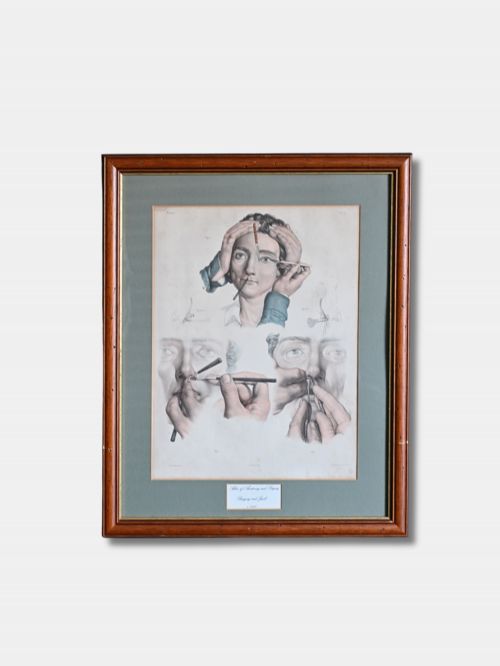

Framed French Engravings
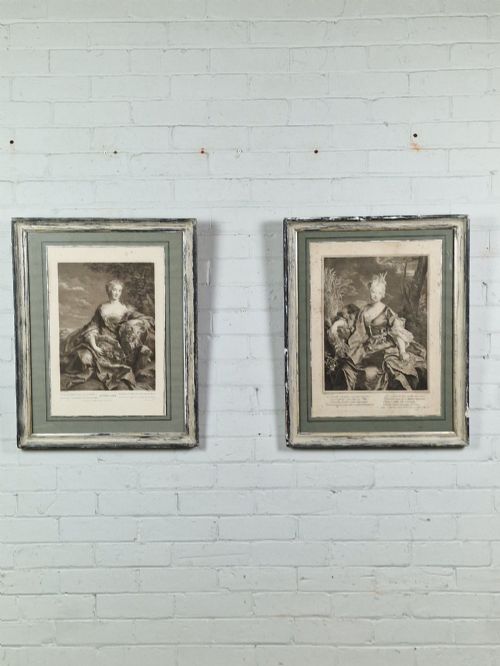
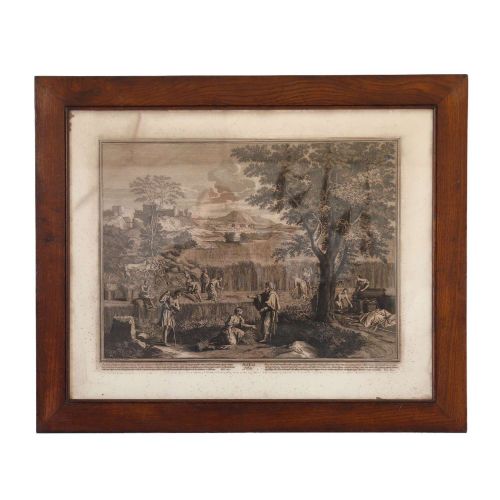
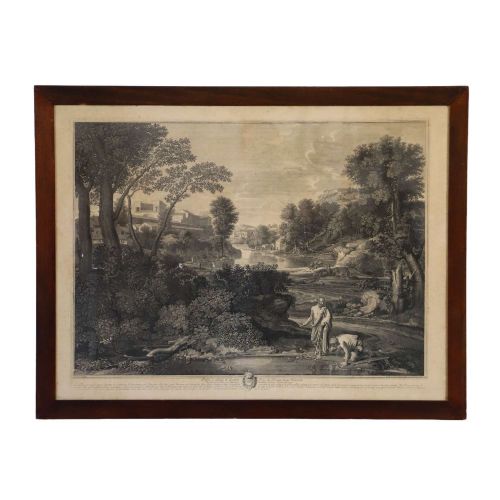
Framed french engravings span centuries of printmaking, bringing classical subjects and delicate hand-tinted details directly to the wall.
Framed French Engravings
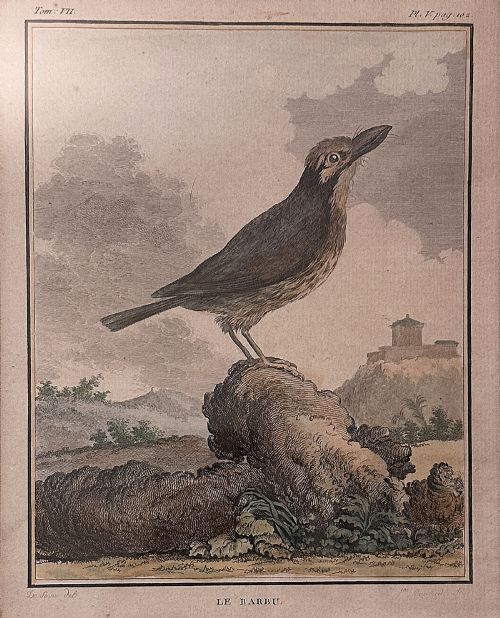
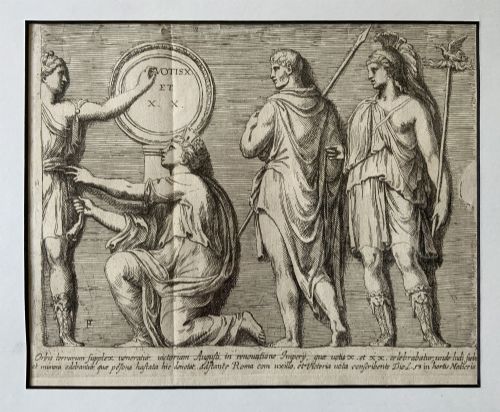
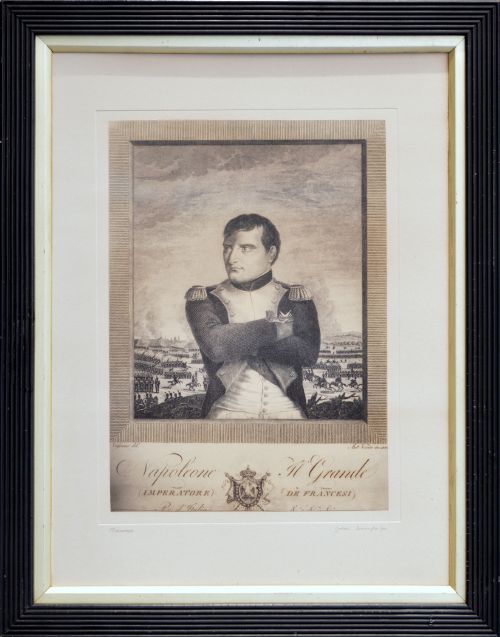
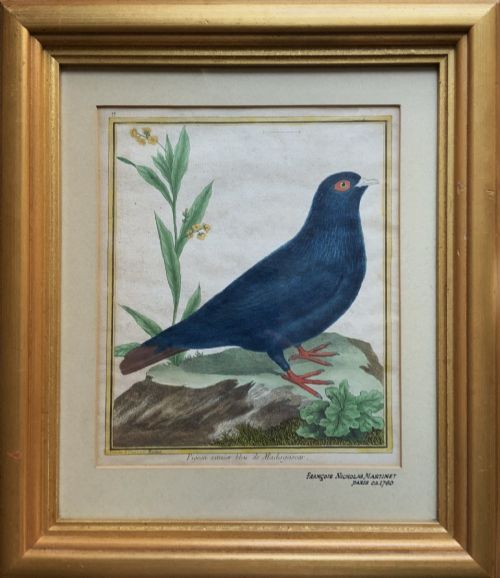
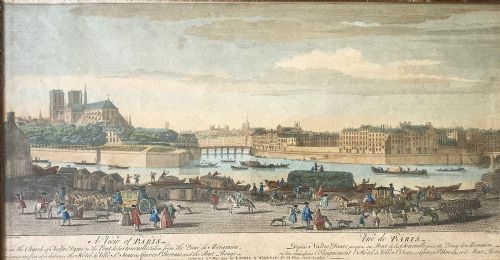
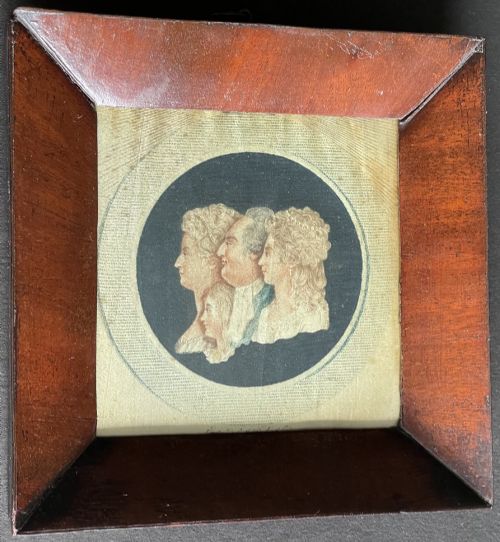
When you search for framed french engravings, you encounter works spanning from the seventeenth century through to the art deco period. These pieces encompass architectural plans, maps, portraits of figures like Napoleon, natural history studies of birds and animals, and classical mythological scenes.
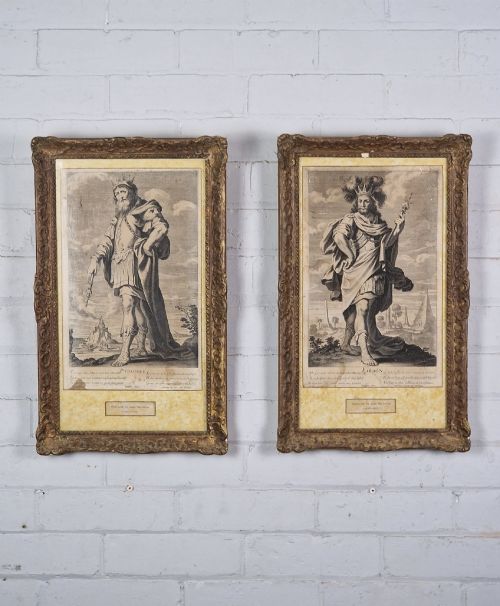
The selections on this page are most frequently encountered in eighteenth-century and nineteenth-century formats, often housed in period wooden or gilt frames. Subjects range from detailed topographical views of Paris to intricate botanical and anatomical plates.
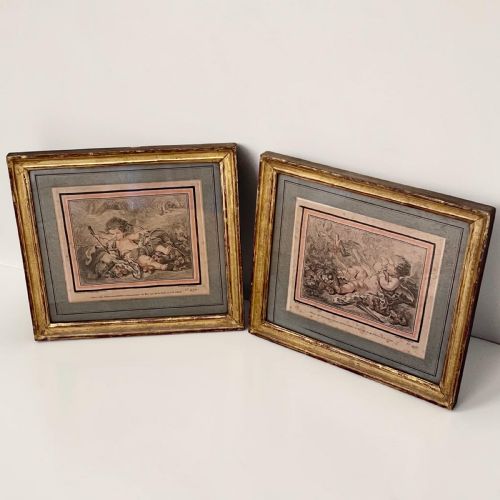
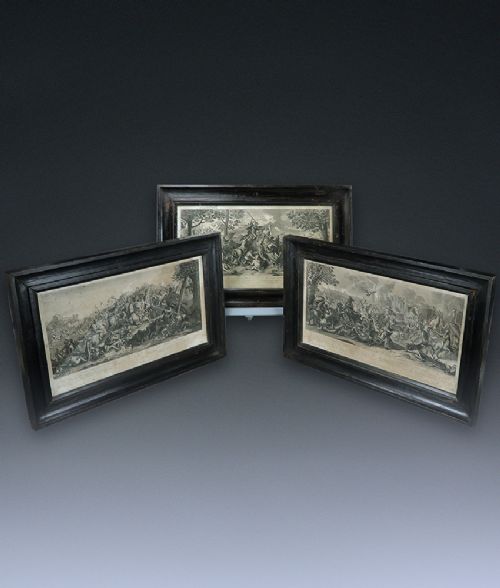
Works appear singly, in pairs, or in larger matching sets such as botanical series or architectural plates. Collectors find them used traditionally as library decoration, hallway accents, or focal points in studies.
Materials and Techniques
The primary mediums rely on paper sheets printed using engraved metal plates, woodblocks, or lithographic stones. Skilled artisans frequently applied watercolour washes by hand directly onto the printed ink lines to add colour to birds, maps, and botanical subjects.
Frames utilise traditional timbers, sometimes accented with gold leaf or gilt wood finishes to complement the artwork. Glass covers the paper sheets to protect the delicate ink and pigment layers from environmental moisture and dust.
Framed French Engravings Retail Price Guide 2026
Typical asking prices for framed french engravings among the pieces listed under this phrase on Sellingantiques today, from the lower quarter to the upper quarter. They describe what is for sale here now, not the wider market.
Several plates depict exotic animals like hippos and monkeys, proving historical printmakers enjoyed illustrating unusual wildlife just as much as portraits.
Evaluating Quality
The excellence of a piece rests heavily on the clarity of the printed impression and the precision of the original plate. Finer examples retain crisp lines without blurring or fading, indicating that the printing plate was struck early in its usable lifespan.
The presence and skill of original hand colouring elevate certain plates significantly. Furthermore, the retention of a period frame matching the era of the print contributes to the integrity and desirability of the object.
François Perrier·Jean Mariette·François-Nicolas Martinet·Étienne Baudet·Demarteau·Le Brun·Gustave Doré·Adolphe Pannemaker·Buffon·Pancrace Bessa·Pierre Buillon·Henri Chatillon·Victor Adam·Charles Paillasson·Louis Icart·Albert Terry·F. Petitjean·Audebert
The Framed French Engravings Glossary
- Engraving
- A printmaking technique where an artist carves an image directly into a metal plate using a sharp tool called a burin. The resulting grooves hold the ink for transfer onto paper under pressure.
- Lithography
- A planographic printing process based on the chemical repulsion of oil and water, utilising a flat limestone or metal plate. Artists draw directly onto the surface to create multi-toned illustrative plates.
- Etching
- A method where acid bites lines into a metal plate that has been covered with a protective ground. This technique allows for flowing, expressive lines compared to direct mechanical engraving.
- Hand colouring
- The deliberate application of watercolours or tints to a monochrome printed sheet by hand. This enhances specific details like plumage in bird studies or borders on maps.
- Gilt wood
- Wood that has been treated with a thin layer of gold leaf or metallic gilt powder. It provides a reflective, ornamental border suited to formal historical frames.
Framed French Engravings: Frequently Asked Questions
How do I care for antique paper art?
Keep framed paper works away from direct sunlight to prevent the ink and any hand applied watercolours from fading over time. Maintain a stable room temperature to avoid humidity damage to the paper and wooden frames.
Ensure that the backing boards inside the frame are made of acid-free materials to protect the historic paper from yellowing or degrading during long term display.
Are these prints original to their stated period?
The pieces listed originate from the specific centuries noted in their descriptions, utilising historical printing techniques appropriate to those eras. Makers and publishers produced these works using contemporary presses rather than modern reproduction methods.
Examination of the paper texture, plate marks, and ink penetration helps confirm the historical authenticity of each individual printed sheet.
Can I hang these in bright rooms?
Direct sunlight causes significant fading on antique ink and delicate watercolours on paper. Placing them on walls that receive indirect ambient light preserves the colours.
Consider utilising specialised conservation glass with UV filtering properties if the desired room experiences high natural light exposure.
How are sets usually displayed together?
Matching botanical or architectural series work effectively when hung in a symmetrical grid or a balanced linear row along a hallway or study wall. Keeping uniform frames ties the grouping together visually.
Spacing the frames evenly allows each individual plate to be appreciated for its distinct detail without crowding the wall space.