


Framed Figural Artwork
Framed figural artwork brings together centuries of human portrayal, spanning oil paintings, watercolours and tapestries.
Framed Figural Artwork
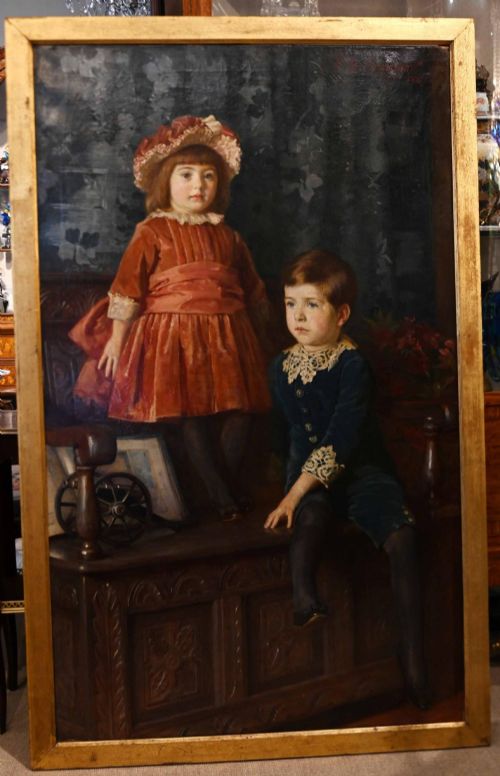
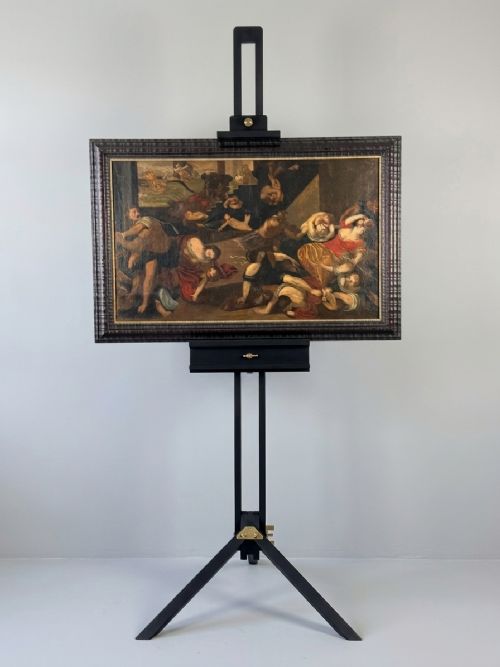
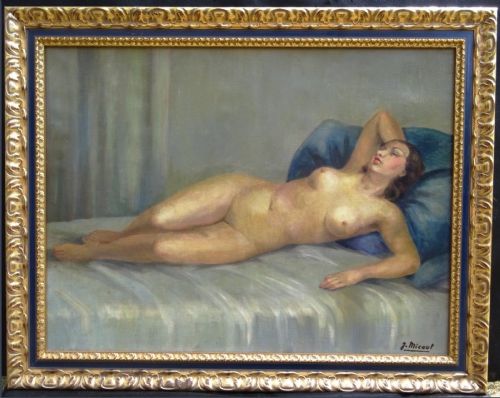
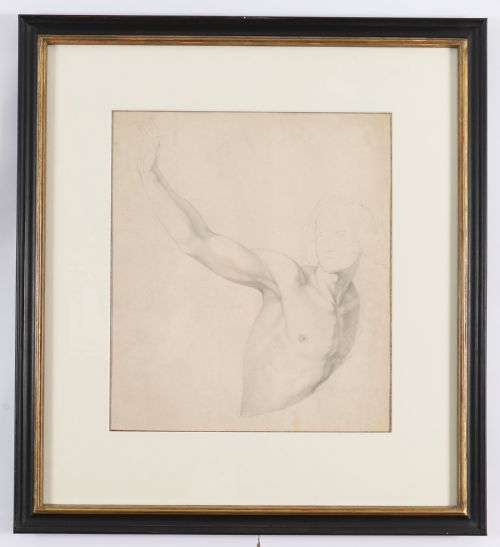
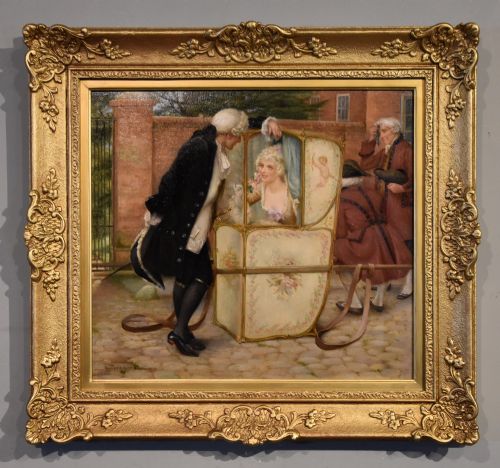
Framed figural artwork encompasses representations of people, ranging from narrative historical scenes and intimate portraits to domestic genre studies and delicate watercolours. When you browse this selection, you encounter pieces originating from the seventeenth century through to the mid-twentieth century.
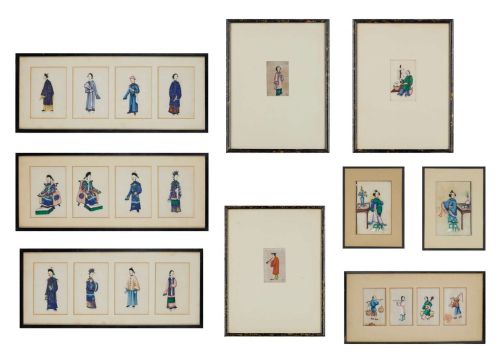
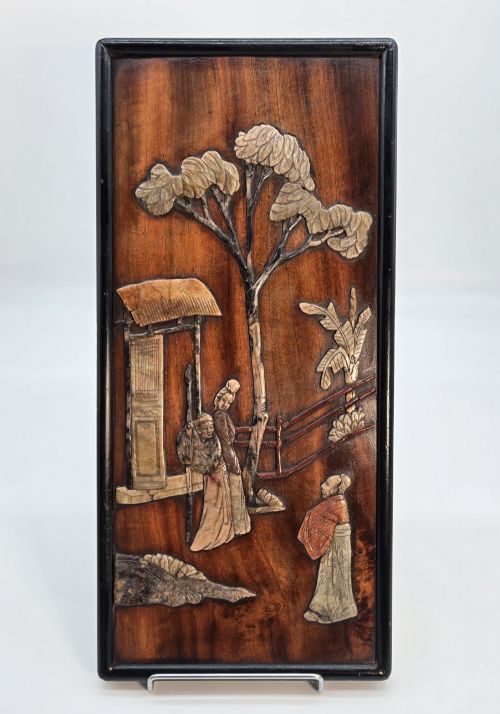
The most common examples on this page are nineteenth-century watercolours and oil paintings, often depicting rural workers, portraits of women, or classical subjects. Alongside these European works, Chinese pith paintings and reverse paintings on glass offer alternative interpretations of the human form.
The objects themselves vary widely in scale and format, moving from grand oil on canvas compositions to framed drawings on paper and textile cushion covers. Each piece retains its period frame, which frames the human subject for wall display.
Materials and Techniques
Artists relied upon oil paint on canvas or panel, watercolour on paper, and specialised mediums such as pith paper and reverse glass painting. Canvases and panels provided a durable ground for rich oil glazes, whereas watercolours on paper demanded a swift, transparent touch.
Support materials include wood, glass, and canvas, frequently housed within period wooden frames, some featuring giltwood finishes. Textile works incorporate needlepoint and tapestry techniques, utilising dyed threads to construct detailed figural imagery.
The inventory includes paintings, drawings, tapestries, and needlepoint textiles originating from British, French, German, Italian, and Asian makers.
Assessing Quality
Quality in these pieces rests upon the surety of the draughtsmanship and the expressive handling of the medium, whether in the delicate rendering of a face in watercolour or the confident brushwork of an oil portrait. Superior works demonstrate a keen understanding of anatomy, light, and composition.
The integrity of the physical components also defines the standard, from the preservation of the original canvas and paper surface to the craftsmanship of the period frame. Works that retain their original materials without heavy restoration hold greater artistic coherence.
Philip Richard Morris·John Robert Dicksee·Vincenzo Irolli·Phyllis Morgans·Noel Quintavalle·Madeline Hughes·John R. Houston·Charles Edward Wilson·Walter Dendy Sadler·Joseph Emmanuel Weiser
The Framed Figural Artwork Glossary
- Pith painting
- A delicate artwork created on a porous material derived from the pith of the Tetrapanax papyrifer plant. These delicate works were often produced in nineteenth-century China for export.
- Genre painting
- A pictorial representation of scenes from everyday life involving ordinary people. These works typically depict domestic interiors, street scenes, or rural labour rather than grand historical narratives.
- Reverse painting on glass
- An artistic technique where the image is painted directly onto the back of a glass panel and viewed from the front. This method requires the artist to paint background details before foreground elements.
- Needlepoint
- A form of counted thread embroidery stitched onto a stiff canvas mesh. It is frequently seen in historical decorative panels and tapestry cushion covers.
- Pre-Raphaelite
- An artistic movement characterised by a return to detailed observation, bright colours, and complex literary or moral themes. Practitioners rejected the generalized academic conventions of their day.
Framed Figural Artwork: Frequently Asked Questions
What periods do these artworks cover?
The selection spans several centuries, starting from seventeenth-century oil canvases and tapestry cushion covers up through Victorian and Edwardian pieces, ending around the mid-twentieth century.
Most items date from the nineteenth century, reflecting the periods when portraiture and genre watercolours flourished across Europe and beyond.
Are these pieces supplied with frames?
Yes, the works are presented in frames appropriate to their type, including period wood and giltwood mouldings.
These surrounds are chosen to complement the paintings, drawings, or needlepoints they enclose.
What is a pith painting?
Pith paintings are fragile works executed on a plant-based material that resembles paper, commonly produced in China during the nineteenth century.
They are valued for their vibrant pigments and fine botanical substrate.
How do I care for antique watercolours?
Works on paper require protection from direct sunlight to prevent the fading of delicate watercolours and pigments.
Keeping them in stable environmental conditions away from excessive moisture preserves both the paper and the surrounding frame.