



Framed Farmyard Oil Painting
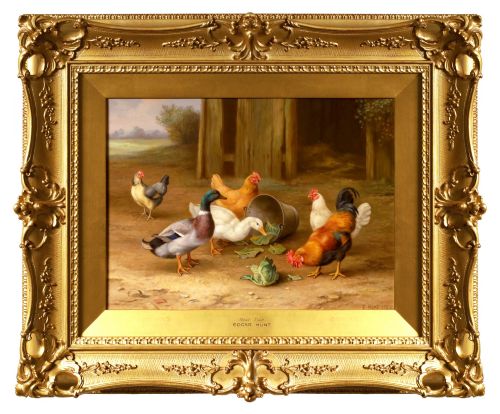
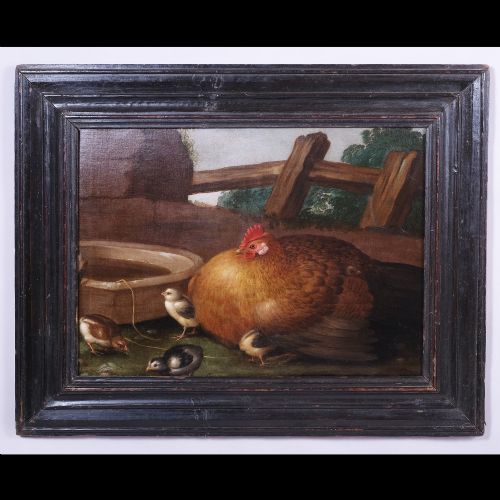
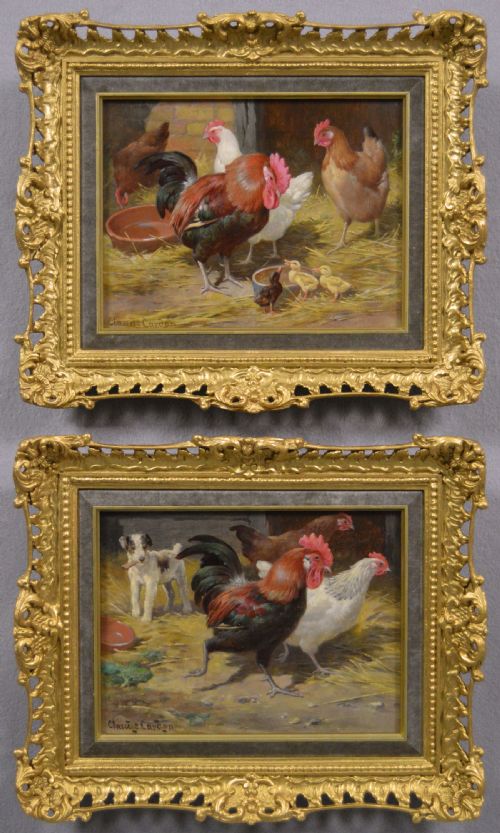
A framed farmyard oil painting brings pastoral nineteenth-century domestic life into a room through textured brushwork and rural portraiture.
Framed Farmyard Oil Painting
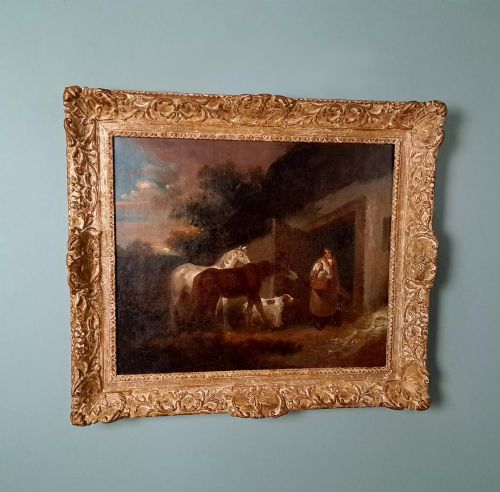
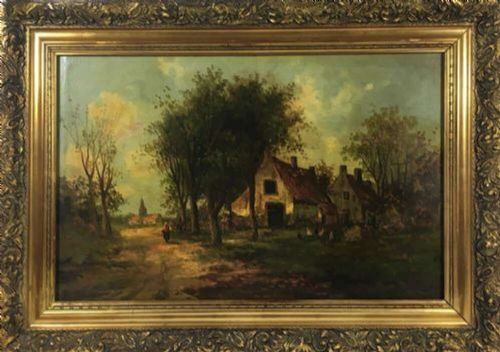
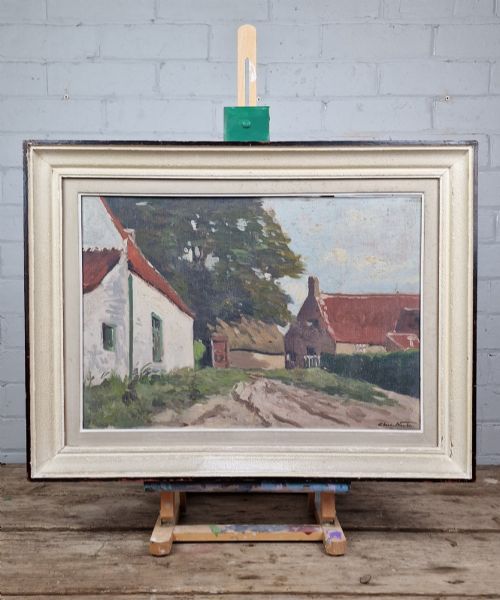
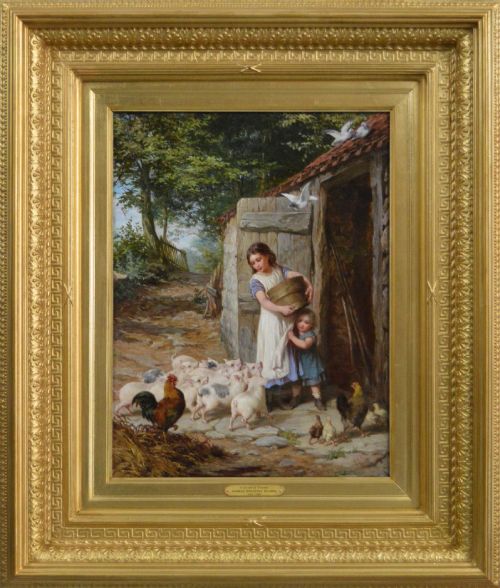
A framed farmyard oil painting captures agricultural scenes populated by horses, poultry, pigs, and figures working in rural landscapes. These works emerge predominantly from the eighteenth, nineteenth, and early twentieth centuries, spanning Victorian realism, British pastoral, and continental European schools. Buyers encounter canvases depicting quiet morning feeds, bustling stable yards, and livestock gathered near rustic barns.
The most common pieces on this page date from the nineteenth century and the Victorian era, executed by named artists and regional British or European painters. Canvas and board serve as the primary supports, encased in period giltwood or wood frames that anchor the rural narrative. These paintings document traditional agrarian existence before mechanisation altered the countryside.
Materials and construction methods
Painters applied rich oil paint across stretched canvas and wooden board, building texture through layered brushstrokes and pigment density. Oil medium allowed artists to achieve deep shadows within barns and glowing light across straw and feathers.
Surviving works are preserved in wood and giltwood frames, sometimes enhanced with gold leaf moulding. These frames provide structural rigidity to the canvas while complementing the warm, earthy tones of the pastoral scenes.
Listings feature works spanning the eighteenth, nineteenth, and early twentieth centuries, executed in oil on canvas and board.
Distinctions in execution and depth
Quality rests in the anatomical accuracy of the animals, the handling of natural light, and the compositional balance between livestock and landscape. Master hands render feathers, horse muscle, and rustic textures with convincing weight and individual character.
The handling of the background separates standard decorative works from accomplished academic or impressionist canvases. Subtle atmospheric perspective and confident brushwork elevate a simple farmyard scene into a compelling historical record.
William Joseph Shayer Senior·Edgar Hunt·John Frederick Herring Jnr·Claude Cardon·Arthur Charles Dodd
The Framed Farmyard Oil Painting Glossary
- Oil on Canvas
- Pigment mixed with drying oil applied to a woven fabric support stretched across a wooden frame. This combination allows for flexible application and enduring colour richness.
- Giltwood
- Wood carved and coated with a thin layer of gold leaf or metallic paint. It frames historical paintings with traditional reflective brilliance.
- Barbizon School
- A nineteenth-century French movement focused on realist landscape painting from nature. Artists associated with this group worked directly in rural settings.
- Genre Painting
- Art depicting scenes from everyday life, typically involving ordinary people engaged in common activities. Farmyard scenes frequently combine landscape with genre elements through figures feeding animals.
Framed Farmyard Oil Painting: Frequently Asked Questions
How do I date a farmyard oil painting?
Dating relies on stylistic clues, clothing styles of figures, and the preparation of the canvas or board. Nineteenth-century works often exhibit specific Victorian framing and signature characteristics typical of the period.
Examining the stretcher bars, nails, and any inscriptions on the reverse provides further chronological context for when the piece was executed.
What subjects appear in these paintings?
Common subjects include chickens, cockerels, pigs, horses, and cattle gathered near rustic barns and farmhouses. Human figures occasionally appear feeding livestock or tending to daily agricultural tasks.
These compositions reflect nineteenth-century romanticised views of rural life and domestic animal husbandry.
Are these paintings on canvas or board?
Artists utilised both stretched canvas and rigid wooden board as supports for oil paint throughout the eighteenth and nineteenth centuries. Canvas predominated for larger exhibition pieces, while board often suited smaller pastoral studies.
Both supports require stable environmental conditions to preserve the integrity of the paint layer.
How should I display an antique oil painting?
Display the painting away from direct sunlight and fluctuating heat sources to protect the oil pigments and wooden frame. Hanging the piece on an internal wall ensures stable temperature and humidity.
Allow the original giltwood or wood frame to support the work without applying modern chemical cleaners to the aged surfaces.