

Framed Etching Art
Framed etching art captures centuries of printmaking skill, bringing hand-pulled impressions and historical plates directly to your walls.
Framed Etching Art
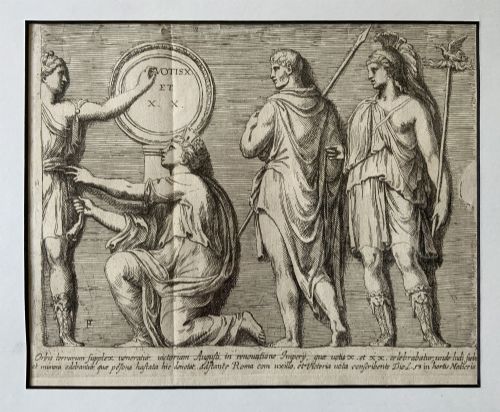
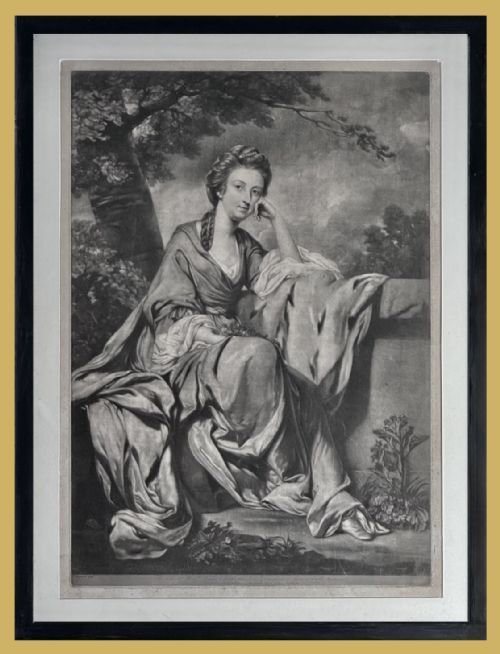
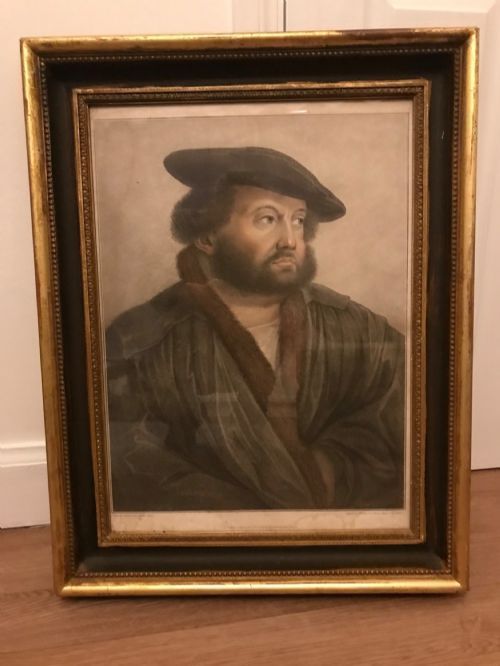
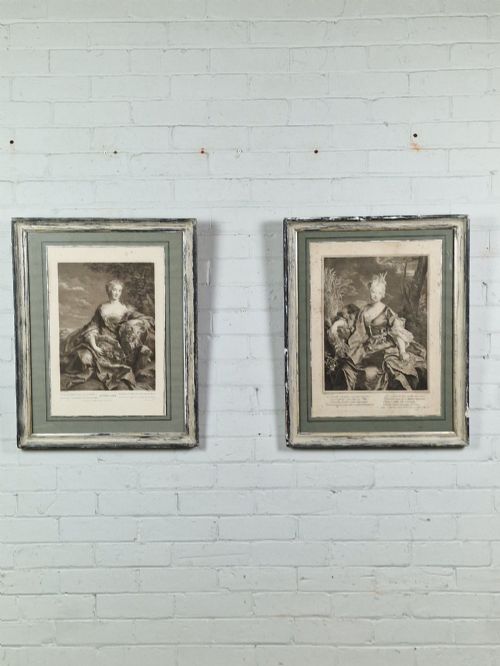
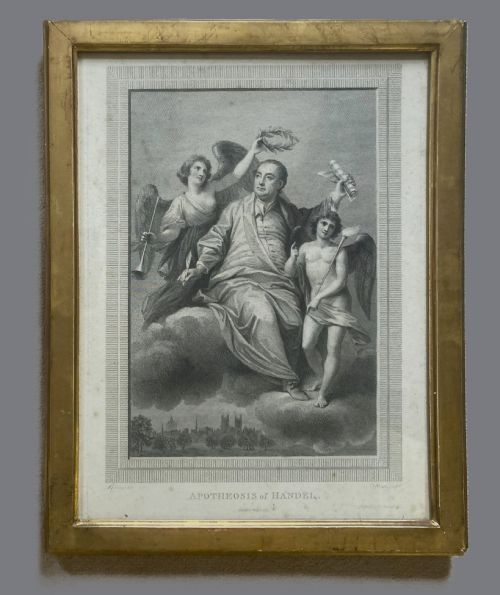
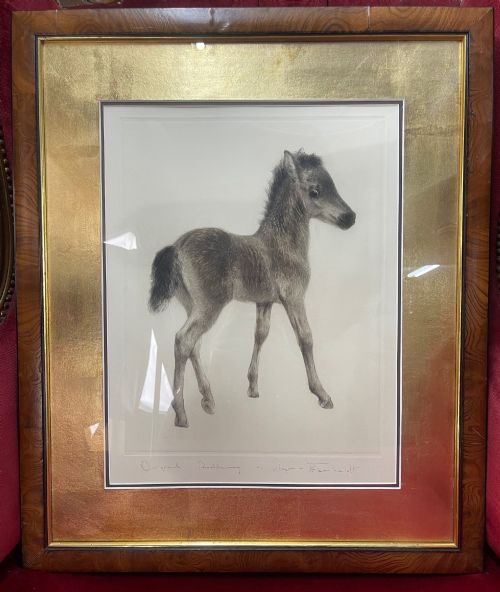
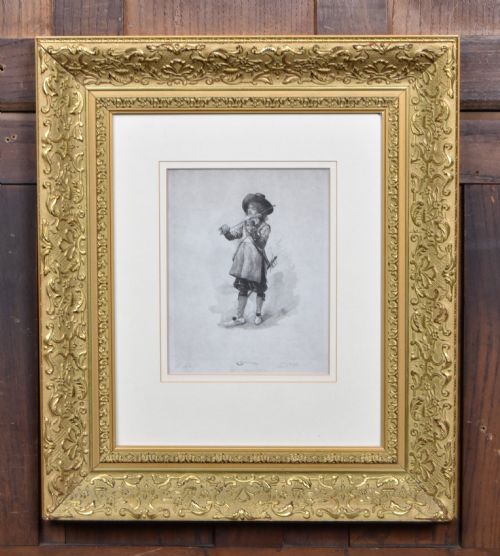
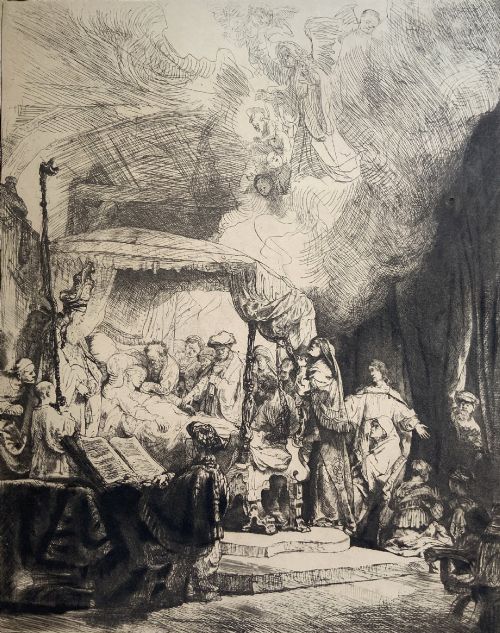
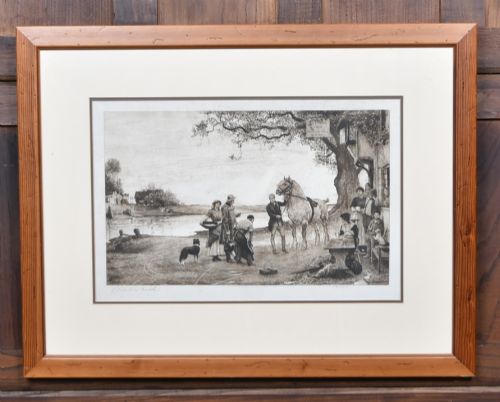
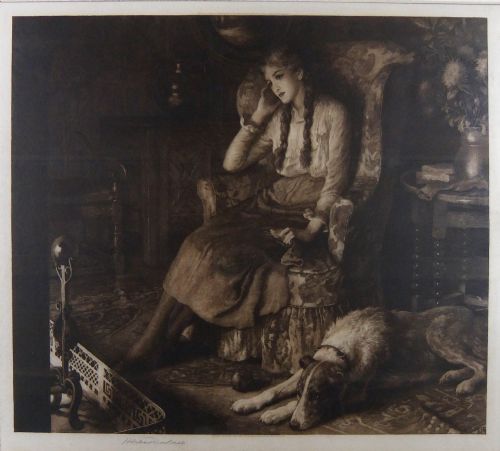
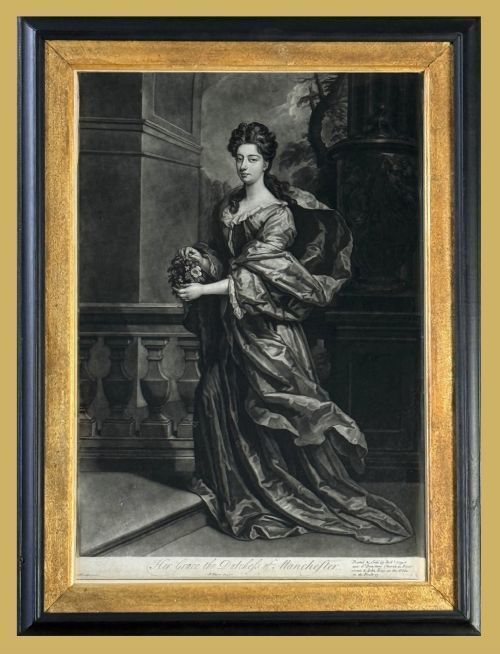
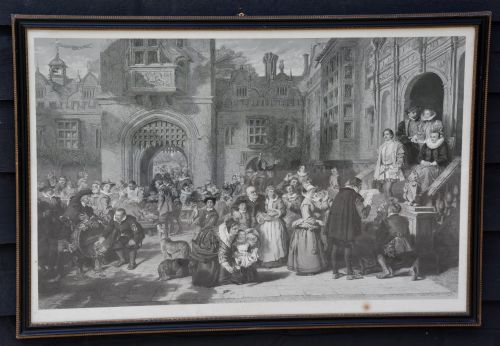
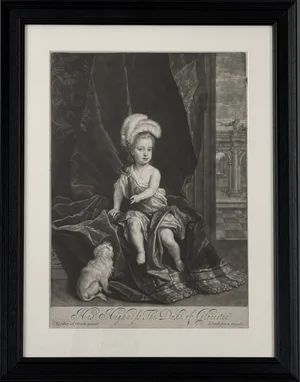
Framed etching art encompasses original intaglio prints, engravings, and mezzotints produced from the seventeenth century through the early twentieth century. These works capture everything from classical portraits and animal studies to literary scenes, preserving intricate line work created by master printmakers.
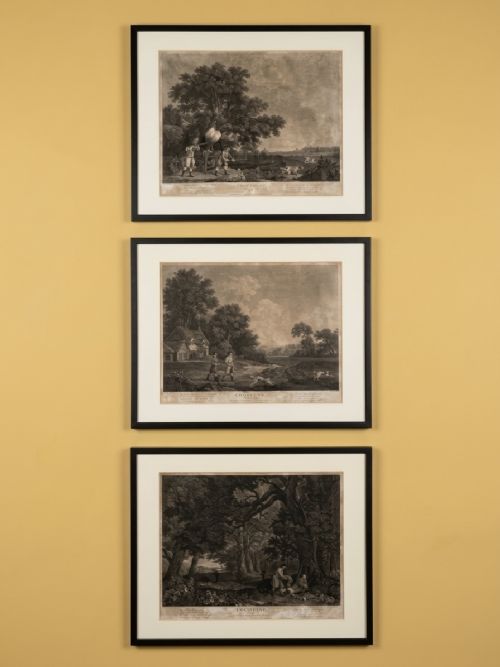
You will regularly encounter works bearing the signatures of notable animaliers and portraitists alongside anonymous French and British plates. These prints arrive in period frames, often utilising original timber mouldings that complement the monochromatic or hand-coloured ink on paper.
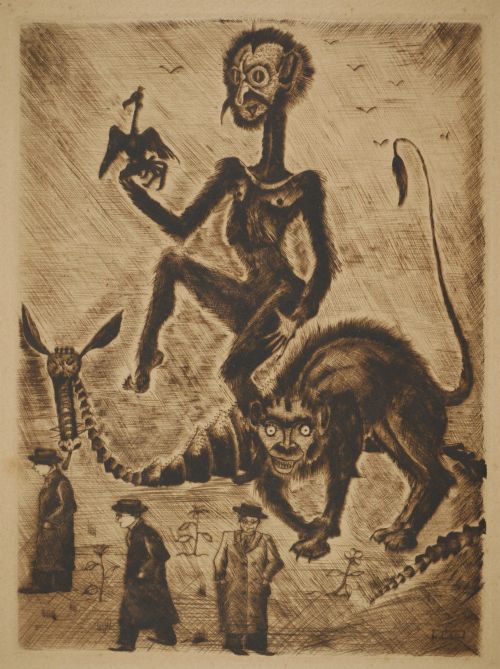
The selection ranges from seventeenth-century Dutch subjects to Art Deco plates by twentieth-century printmakers. Each piece maintains the textural qualities of the original press run, secured behind protective glass within traditional mounts.
How They Were Made
Makers prepared copper or metal plates by incising lines directly with a burin for engravings, or by biting lines with acid for etchings. Artists then inked these recessed grooves, wiping the surface clean before running the dampened paper through a heavy roller press.
Listings feature works spanning the seventeenth century through the 1930s, utilising paper, ink, oak, gilt wood, and glass.
What Varies in Quality
The sharpness and clarity of the plate impression dictate the visual depth of the image, as worn plates yield softer, shallower lines during later print runs. Early impressions pulled directly by the artist or master printer preserve finer textural nuances across the paper.
The survival of original framing materials and authentic period mounts significantly influences the integrity of the piece. Clean margins, stable paper without heavy foxing, and crisp artist signatures on proof editions separate standard decorative prints from collector-grade works.
Kurt Lorein Victor Peiser·Edward Fisher·Francesco Bartolozzi·James Heath·Kurt Meyer Eberhardt·Herbert Dicksee·Amand Durand·Robert W Macbeth·John Faber Jr·John Smith·Étienne Baudet·Louis Icart
The Framed Etching Art Glossary
- Etching
- A printmaking technique where lines are bitten into a metal plate with acid before being inked and pressed onto paper. This process allows for fluid, expressive lines resembling freehand drawing.
- Mezzotint
- A tonal printmaking method where the copper plate is roughened uniformly to produce rich, velvety dark areas and subtle gradients of light. It was widely used for reproducing oil paintings during the eighteenth century.
- Drypoint
- An intaglio printmaking process where an artist scratches directly into the metal plate with a sharp needle, raising a delicate metal burr that holds extra ink. This creates soft, velvety lines unique to early impressions.
- Stipple Engraving
- A technique utilising dots of varying density punched into the plate to render gentle tonal gradations and flesh tones. This method gained popularity during the eighteenth century for classical portraiture.
- Artists Proof
- A trial impression pulled before the main edition is printed, typically marked and signed by the artist. These are prized for their exceptional crispness and direct association with the creator.
Framed Etching Art: Frequently Asked Questions
What is an original etching?
An original etching is a print pulled from a metal plate that the artist or printmaker personally worked on and etched. Unlike mechanical reproductions, each impression carries physical evidence of the press.
The ink rests in recessed grooves created by acid biting into the metal, leaving a characteristic plate mark indented into the paper.
How do I date an antique print?
Dating relies on the paper type, watermark evidence, printing technique, and stylistic markers associated with specific periods. Signatures, publisher stamps, and plate style offer reliable clues.
Original frames and historical inscriptions on the reverse also help narrow down the decade of production.
Are these prints hand coloured?
Certain historical plates feature delicate watercolour applied by hand over the printed ink lines. This practice was common during the Georgian and Regency periods to enhance botanical and equestrian subjects.
Close inspection under magnification reveals brushwork separate from the primary intaglio ink lines.
How should I care for framed paper art?
Protect antique prints by hanging them away from direct sunlight and maintaining stable indoor humidity levels. UV-filtering glass prevents the ink and paper from fading over time.
Avoid placing them near heat sources to prevent the timber frames and paper substrates from drying out.