



Framed Equine Art
Framed equine art brings together historic portraits of horses, racing scenes, and rural working animals captured in oil, pastel, and watercolour.
Framed Equine Art
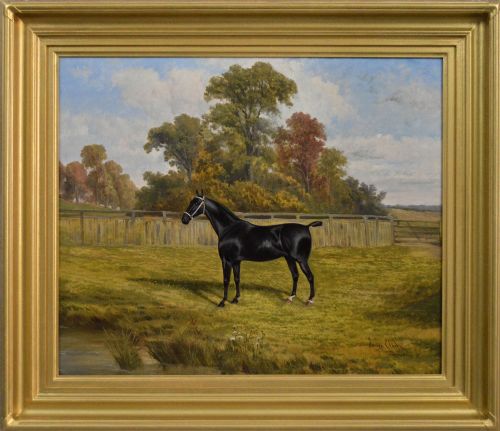
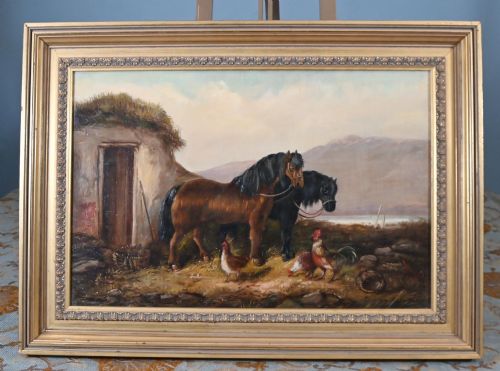
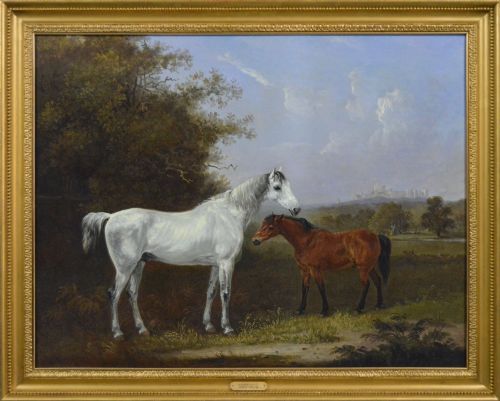
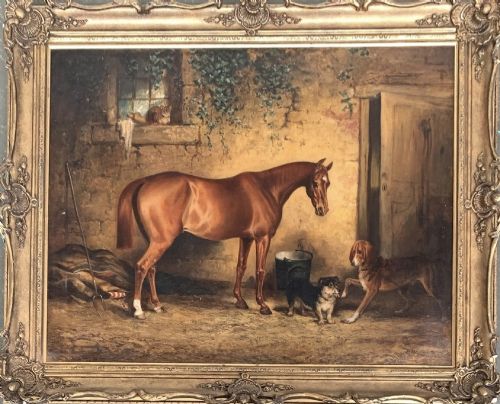
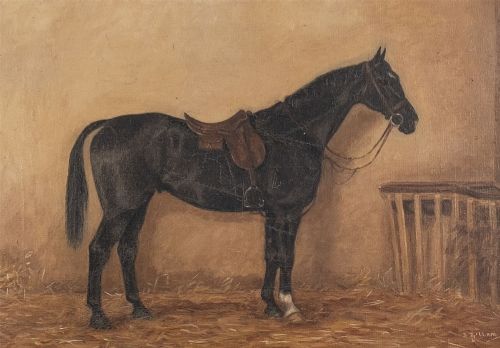
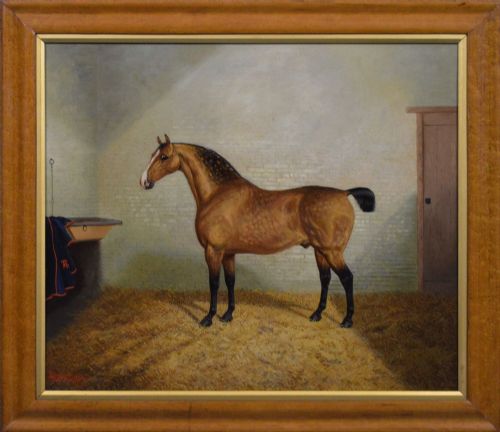
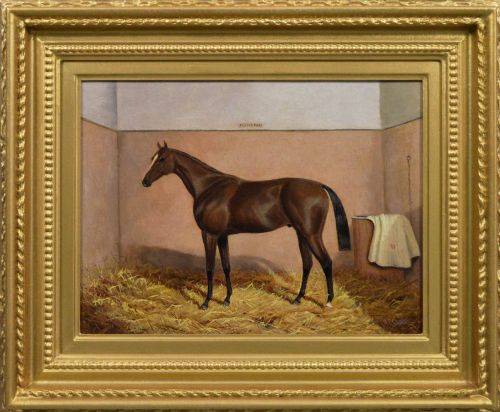
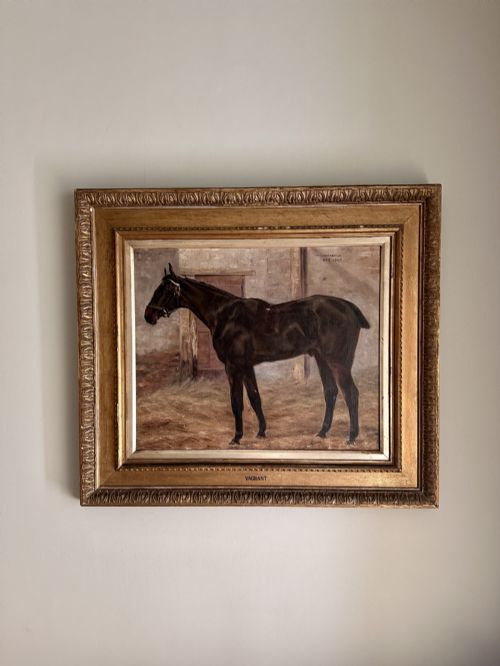
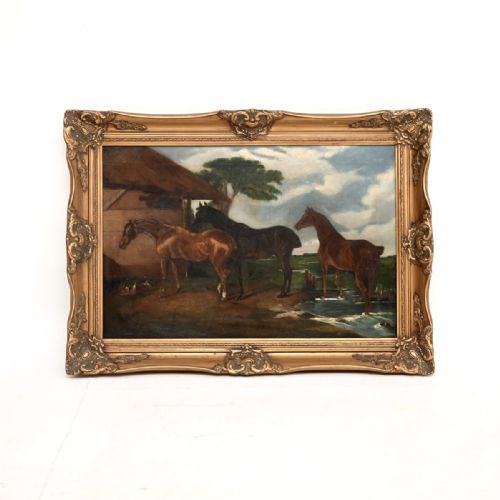
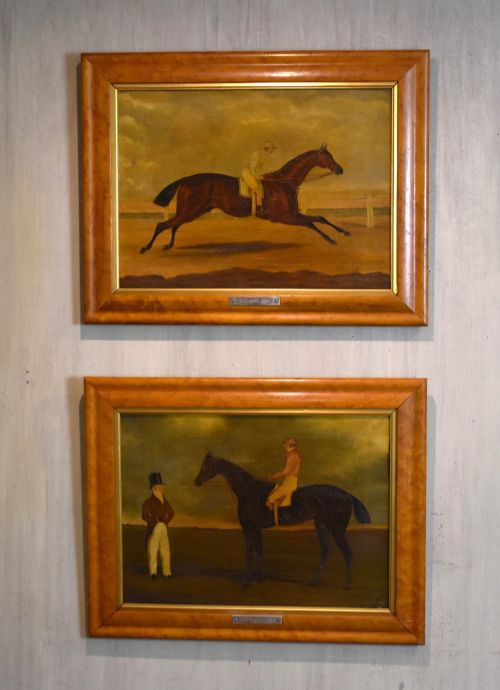
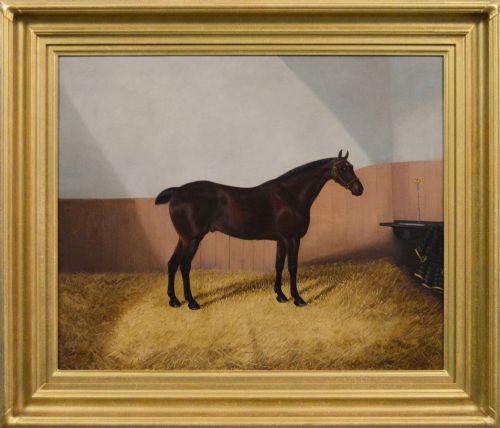
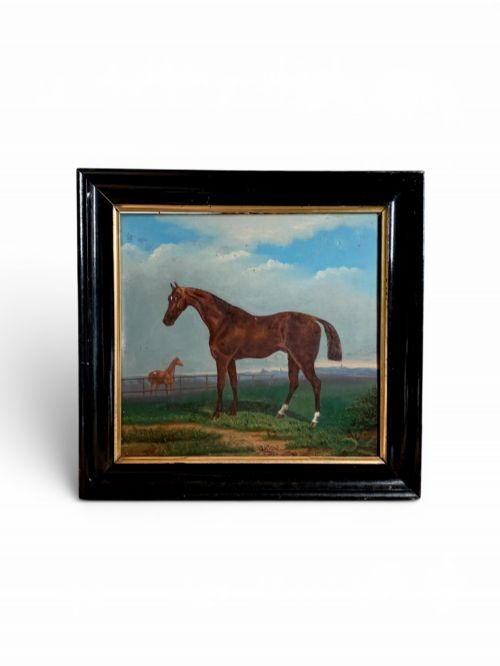
Framed equine art comprises painted, drawn, and printed representations of horses set within period frames, spanning centuries of animal portraiture. Buyers examine individual portraits of named racehorses and hunters alongside broader rural scenes featuring ploughing teams, carriage horses, and stable yards.
Nineteenth-century oil paintings on canvas dominate the selection, often signed by recognised sporting artists or attributed to regional schools. Alongside these formal oils, buyers encounter pastels, watercolours, gouache, and photographic prints dating from the Georgian period through the mid-twentieth century.
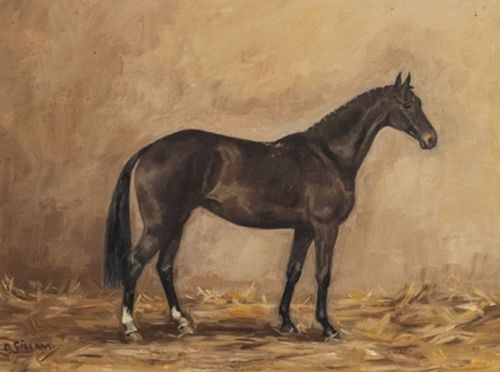
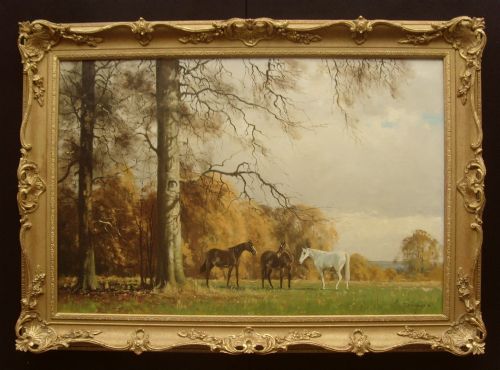
The subjects range from prized thoroughbreds depicted in lush landscapes or stable interiors to lively racing moments and quiet country pastimes. Each piece reflects the enduring cultural significance of the horse in British and European history.
How they were made
Artists primarily utilised oil paint on stretched canvas or wooden panels, building rich textures and deep tones to capture the sheen of a horse coat and the natural light of a landscape. Watercolour and pastel on paper offer a lighter touch, recording fine anatomical details and softer atmospheric effects.
Framing forms an integral part of these works, with many pieces retaining period mouldings in wood, giltwood, and gold leaf that complement the depth of the composition. Glass protection frequently covers works on paper and delicate watercolours to preserve the pigment against environmental wear.
Framed Equine Art Retail Price Guide 2026
Typical asking prices for framed equine art among the pieces listed under this phrase on Sellingantiques today, from the lower quarter to the upper quarter. They describe what is for sale here now, not the wider market.
Listings feature works spanning the eighteenth to the twentieth centuries, utilising oil on canvas, pastel, watercolour, and photographic prints.
What varies in quality
Anatomical precision and the convincing rendering of movement distinguish superior works from standard decorative pieces, reflecting the artist's firsthand observation of horses. The handling of background landscapes and stable architecture further elevates a composition beyond a simple animal likeness.
The integrity of the original surface, including stable repairs to canvas or paper and the preservation of period framing, contributes significantly to the standing of an individual artwork. Provenance linking a depicted animal to a specific estate, race, or historical owner adds documented context to the piece.
Henry Barraud·Albert Clark·Fred Fitzpatrick·John Alfred Wheeler·Dame Laura Knight·Thomas Walker Bretland·John Frederick Herring Snr·John Ferneley Senior·William Williams·George E Sharpe·John Frederick Herring·Benjamin Cam Norton·Clifton Tomson·Alfred Moginie Bryant·Abraham Cooper RA·William F. Perrin
The Framed Equine Art Glossary
- Sporting art
- A genre of painting focused on rural sports, hunting, shooting, and equine portraits. This category forms the core of traditional animal depiction.
- Canvas
- A heavy woven fabric stretched across a wooden frame to serve as a support for oil paintings. It provides the primary surface for most historical horse portraits.
- Provenance
- The documented history of ownership of an object from its creation to the present day. This trail often includes exhibition labels, estate records, and sales catalogues.
- Gouache
- An opaque water-based paint that dries to a matte finish. Artists combine it with watercolour to achieve sharp highlights and dense colour blocks.
Framed Equine Art: Frequently Asked Questions
How do I identify the age of an equine painting?
Examiners look closely at the canvas preparation, stretcher construction, and framing techniques alongside stylistic clues in the clothing and landscape background. Handwritten inscriptions on the reverse of the canvas or frame often record the date, the horse's name, or the artist's signature.
Period pigments and paper types further help narrow down the decade of creation. Comparing the handling of anatomy with known dated works by the same artist provides a reliable benchmark.
Were these paintings always framed?
Paintings on canvas and panel were traditionally housed in custom frames designed to protect the edges and complement the composition. Many nineteenth-century works retain their original giltwood frames, which show appropriate signs of age and wear.
Works on paper, such as watercolours and pastels, required glazing from the outset to protect the fragile surface from dust and moisture. Replacement frames occur frequently when older mouldings suffered damage over the generations.
What is the difference between a portrait and a sporting scene?
An equine portrait focuses primarily on a single named animal, often standing in a stable or posed against a neutral landscape to highlight its conformation and breeding. These commissions recorded valuable bloodstock for owners and breeders.
Sporting scenes place horses within an active narrative context, such as a race, a hunt, or agricultural work in a wider countryside setting. These compositions emphasise action, atmosphere, and the partnership between animal and rider or handler.
How should I care for antique horse paintings?
Preservation requires keeping oil and watercolour works away from direct sunlight, high humidity, and rapid temperature fluctuations that cause paint cracking or paper degradation. Gentle dusting with a soft, dry brush maintains the surface without introducing moisture.
Professional cleaning should be left to conservators if darkened varnish or embedded grime obscures the original colours. Ensuring secure hanging hardware protects both the artwork and the historical frame from accidental falls.