


Framed Equestrian Picture Print
These framed equestrian picture print works capture horses, hounds and riders across centuries of sporting life behind glass and wood.
Framed Equestrian Picture Print
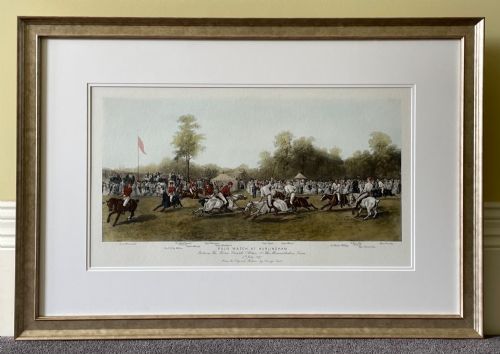
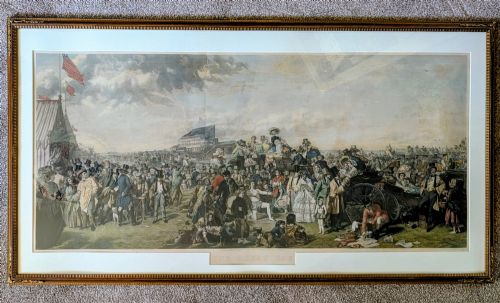
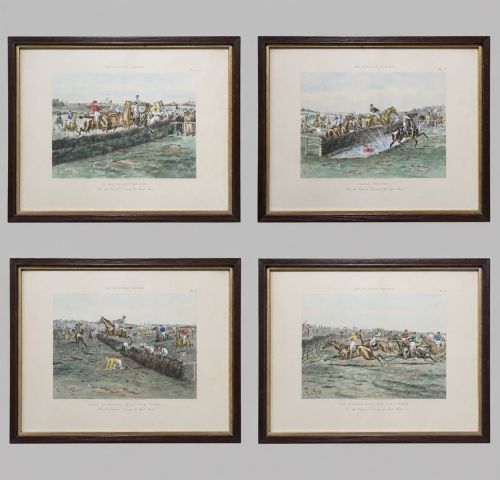
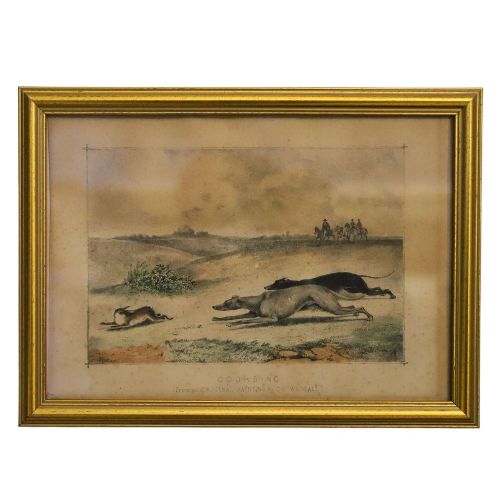
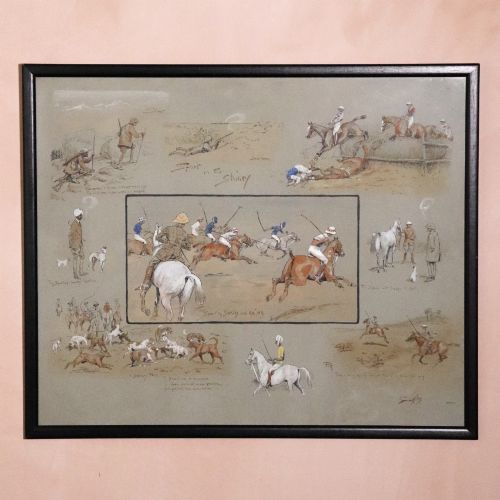
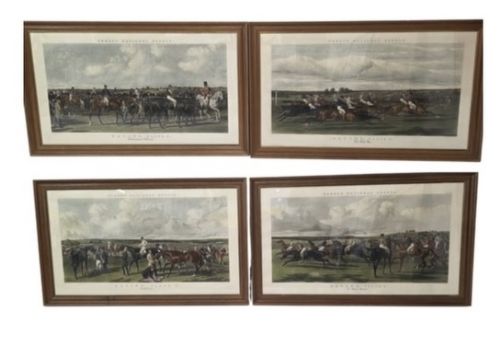
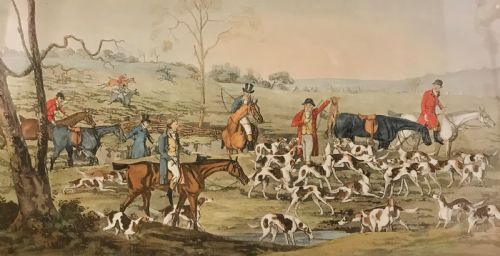
A framed equestrian picture print brings together centuries of sporting subjects, from nineteenth-century lithographs and aquatints to twentieth-century works by artists such as Snaffles. Buyers seek these pieces to display traditional scenes of horse racing, fox hunting, polo and coaching on the wall.
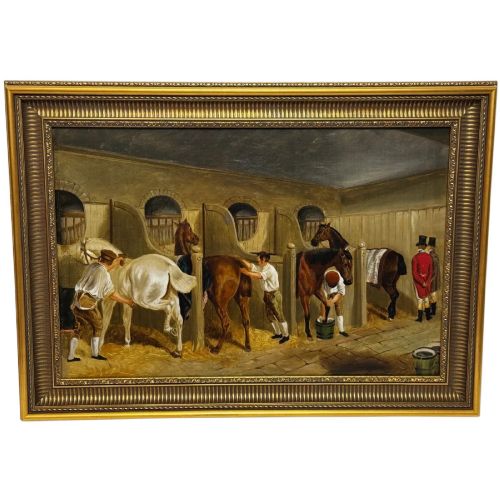
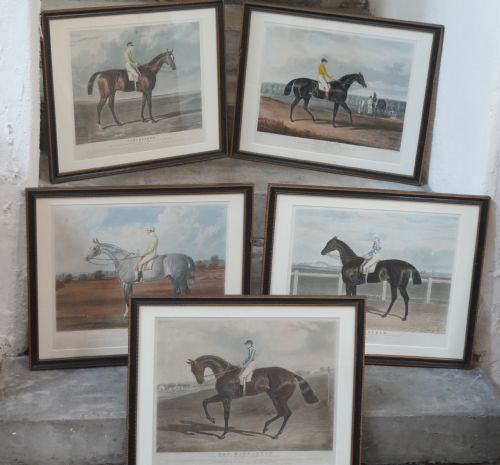
The selection ranges widely across periods, including Georgian engravings, Victorian oils, and later prints from the nineteen-tens and twenties. Common formats involve single framed plates as well as matched sets depicting hunting sequences or racing days.
Originating predominantly from British sporting art traditions, these works document famous racehorses, hunt meets and field sports. The common thread is the horse, rendered through various printmaking methods and paintings housed in period frames.
How they were made
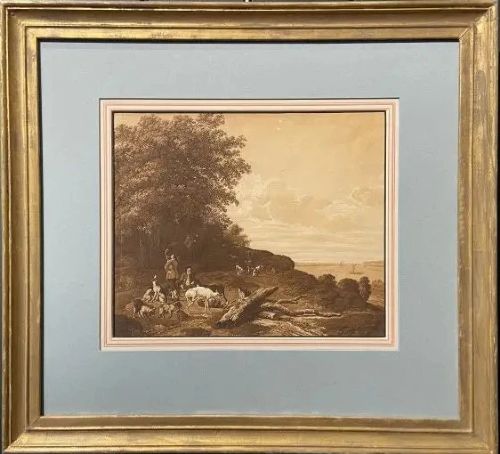
Makers utilised traditional graphic techniques including lithography, aquatint and engraving on paper, frequently applying hand colouring to enhance the details of the horses and riders. Many works incorporate ink, watercolour or oil paint.
Framing relies on wood, often finished with gilt or constructed as giltwood surrounds to house the paper prints, watercolours and oil paintings safely behind glass.
Listings feature works spanning from the Georgian era through the Victorian period and into the mid-twentieth century.
What varies in quality
Quality rests on the execution of the artist and the clarity of the medium, distinguishing finely detailed original watercolours and early impressions from later reproductions. The nuance in the rendering of the horse's anatomy and the movement of the rider dictate the artistic standing of the piece.
The framing contributes significantly to the overall integrity, with period wooden and gilt frames providing context that matches the era of the artwork itself.
William Powell Frith·George Finch Mason·C. H. Weigall·Edwin Henry Landseer·John Frederick Herring Snr·John Rattenbury Skeaping·Abraham Cooper·Charles Faulkner·Alfred Wheeler·John Atkinson·Isaac Cullin·Charles Johnson Payne Snaffles
The Framed Equestrian Picture Print Glossary
- Aquatint
- A printmaking technique that produces tonal areas resembling watercolour washes. It was frequently employed for eighteenth and nineteenth-century sporting prints.
- Lithograph
- A planographic printing process using a stone or metal plate. Many nineteenth-century hunting and racing scenes utilised this method for reproduction.
- Engraving
- A printmaking process where an image is incised into a metal plate with a burin. Early racehorse portraits and hunting plates commonly relied on this method.
- Giltwood
- Wood carved and covered with thin gold leaf or gilt powder. This material forms the traditional borders of many antique picture frames.
- Eglomise
- A technique where gilding and painting are applied to the reverse side of glass. This process creates a reflective, decorative panel surrounding the central image.
Framed Equestrian Picture Print: Frequently Asked Questions
What subjects appear in these framed prints?
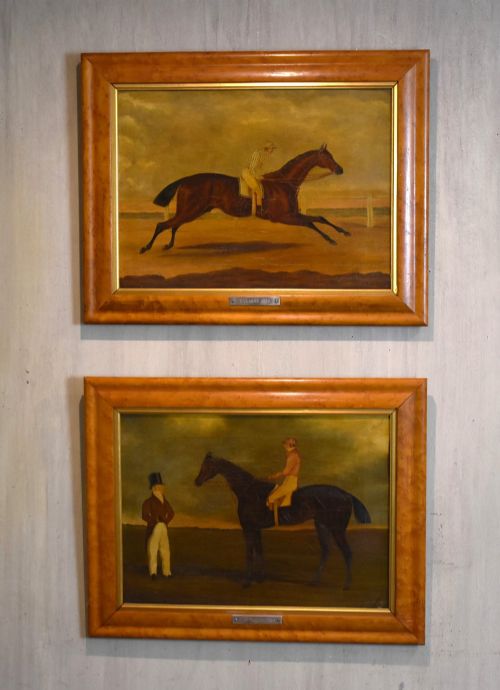
The subjects focus primarily on British field sports, horse racing, hunting meets, polo matches and individual portraits of famous racehorses with jockeys.
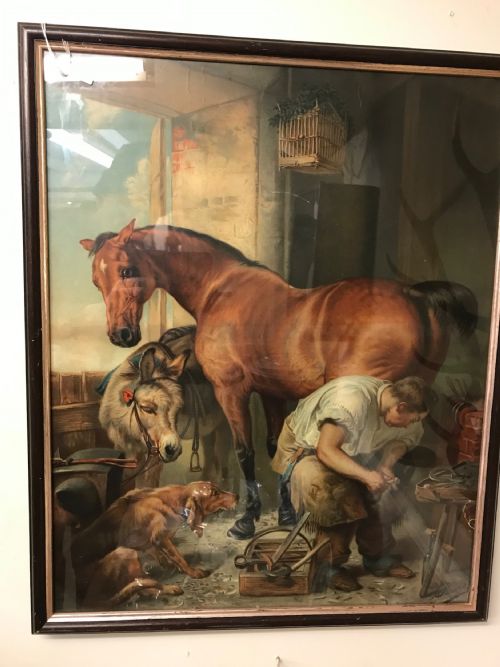
Scenes range from spirited group gallops across the countryside to detailed studies of hounds and horses in stable or field settings.
How do I identify the period of a piece?
Periods are identified through the printing technique, the paper type, and the style of the clothing and horse tack depicted. Engravings and early lithographs typically point to the nineteenth century.
Signatures, publisher imprints and dates written on the margin or within the plate mark also help establish the exact era of production.
Are these works original prints or reproductions?
Many listings feature original period prints, lithographs and hand-coloured engravings published in the eighteenth, nineteenth and early twentieth centuries. Some pieces are noted as original watercolours or oil paintings.
Buyers should examine the listing details to distinguish between period-published prints and later decorative reproductions.
How should I hang and care for them?
These framed works require hanging away from direct sunlight to protect the paper, ink and watercolour pigments from fading over time. Maintaining a stable indoor climate prevents moisture damage to the paper and the wooden frame.
Glass fronts help shield the delicate artwork from dust and atmospheric pollution in domestic settings.