


Framed Dutch Artwork
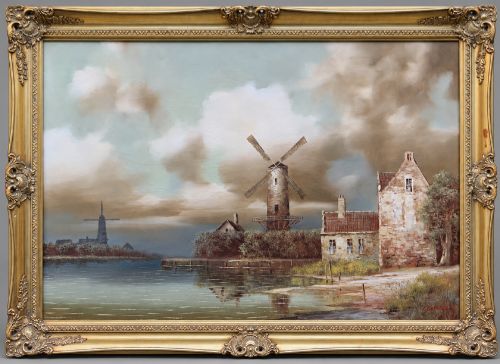
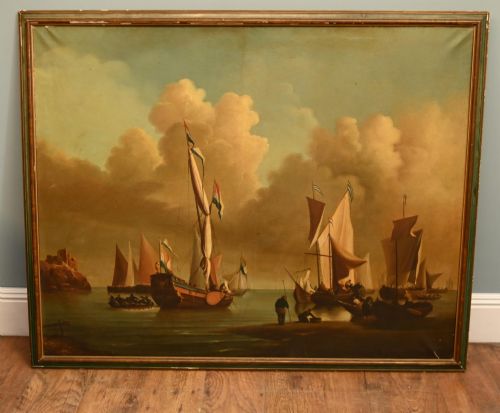
When you seek framed dutch artwork, you encounter centuries of portraiture, maritime scenes, and floral still lifes housed in period timber.
Framed Dutch Artwork
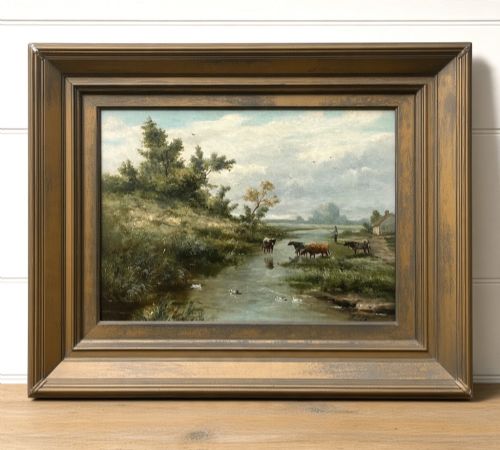
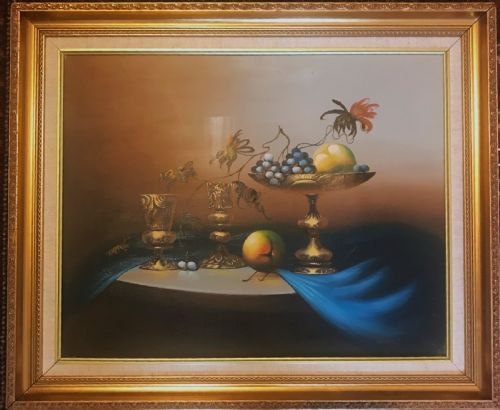
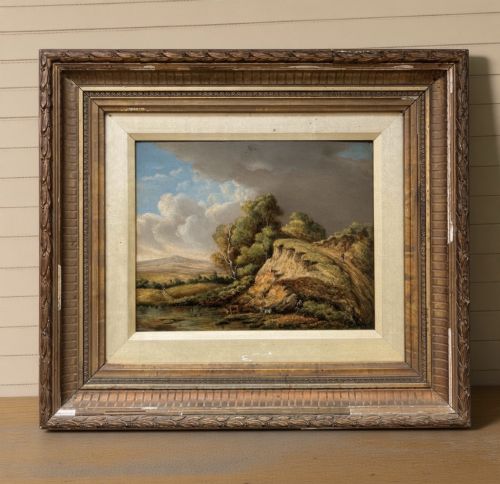
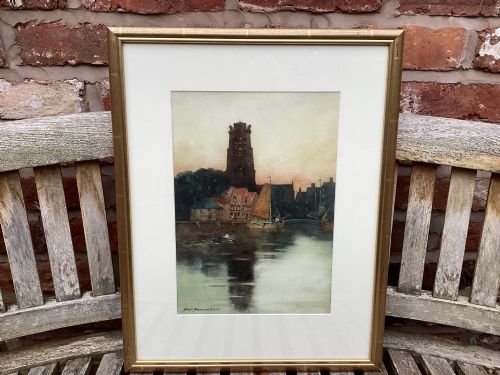
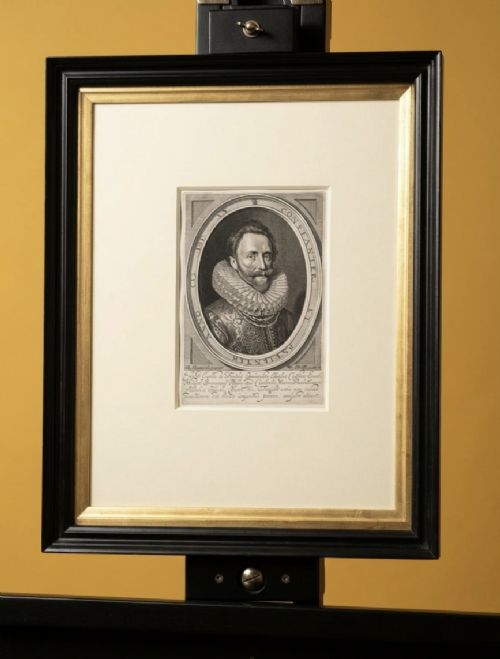
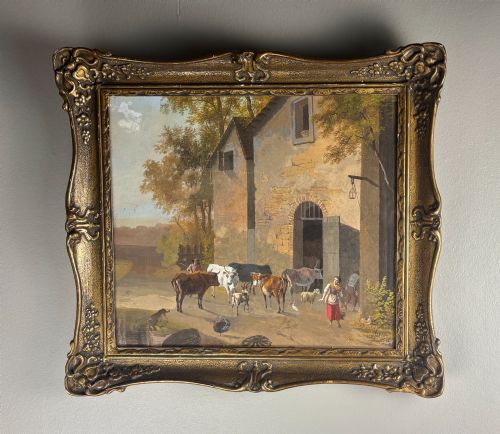
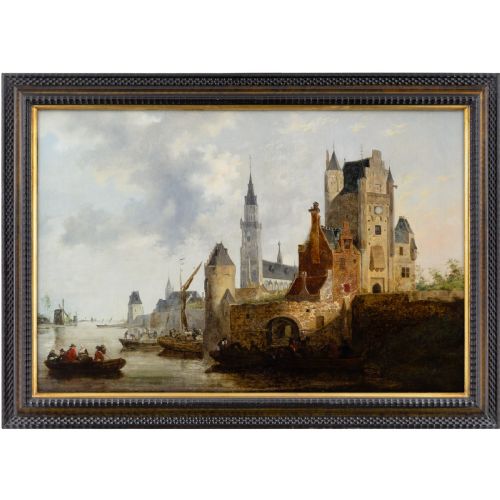
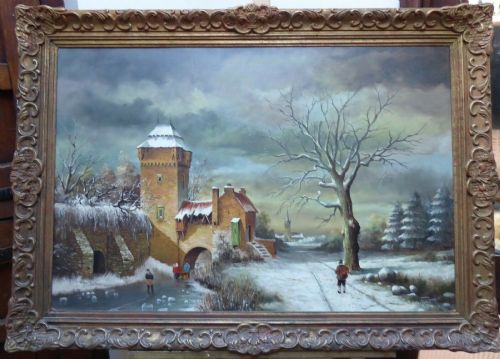
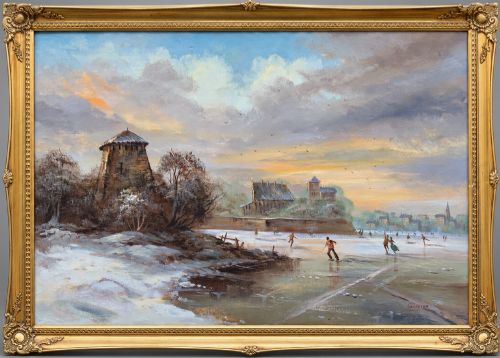
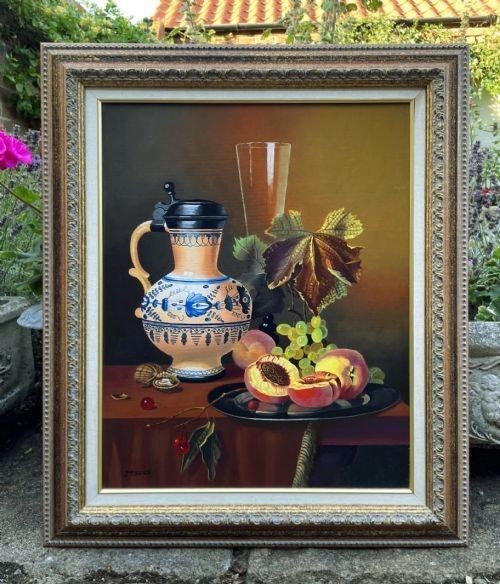
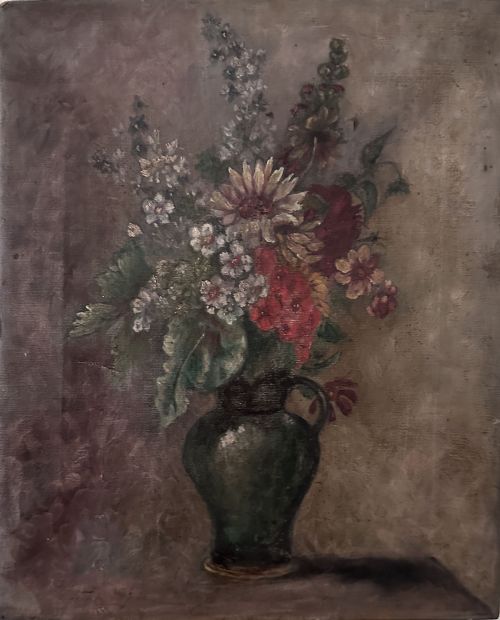
Framed dutch artwork encompasses oil paintings, watercolours, etchings, and engravings originating from the seventeenth century onward. Subjects span formal portraiture, turbulent seascapes, winter landscapes with ice skaters, and detailed still lifes of fruit and flowers.
The pieces you encounter range from seventeenth-century portraits attributed to the Dutch School and Baroque masters to later twentieth-century interpretations and vintage windmill landscapes.
Many works arrive ready to hang in traditional wood frames, giltwood, or gilt gesso moulds that complement the period of the canvas or panel within.
Materials and Technique
Makers applied oil paint to stretched canvas or solid wood panels, capturing fine details in subjects like ruff collars and floral arrangements. Works on paper utilise gouache, watercolour, or printmaking techniques including etching and line engraving.
Frames consist of wood finished with gold leaf, giltwood, or moulded gesso, often built specifically to house the proportions of the artwork.
Framed Dutch Artwork Retail Price Guide 2026
Typical asking prices for framed dutch artwork among the pieces listed under this phrase on Sellingantiques today, from the lower quarter to the upper quarter. They describe what is for sale here now, not the wider market.
Listings feature oil paintings, watercolours, etchings, and line engravings spanning from the seventeenth century through to the Edwardian era and twentieth century.
Distinctions in Quality
Quality resides in the precision of the brushwork and the depth of the composition, distinguishing masterworks of the Dutch Golden Age from later decorative copies. Finer portraits render facial expressions and textiles with intricate realism.
The integrity of the physical support alters the standing of a piece. Original wood panels and period canvas stretchers retain more historical value than modern replacements, while authentic period frames enhance the character of the piece.
Pieter Cornelis Steenhouwer·Michiel van Musscher·Gaastra·Willem J Palman·Karel Dujardin·Barent Gael·Nicolaas Martinus Wijdoogen·R Leyton·W Klombeck·Pieter Borsseler·Anton Weiss·Jacobus Howbraken·Johannes Lingelbach·Gaspar Peeter Verbruggen·Willem Bos·Jan van Staveren·Hendrik Valkenberg·Jacobus Houbraken
The Framed Dutch Artwork Glossary
- Dutch Golden Age
- A period in Dutch history spanning the seventeenth century noted for exceptional achievements in painting. Artists of this era produced celebrated works in portraiture, landscape, and still life.
- Giltwood
- Wood carved and coated with a thin layer of gold leaf or metallic powder. This finish appears frequently on antique frames.
- Still life
- An artwork depicting inanimate subject matter, such as fruit, flowers, and banquet items. Dutch examples often display meticulous attention to light and texture.
- Etching
- A printmaking process where acid cuts into unprotected parts of a metal plate to hold the ink. Impressions are then transferred to paper.
- Gesso
- A paint mixture consisting of a binder mixed with chalk, gypsum, or pigment. Makers apply this substance to wood frames to prepare the surface for gilding.
Framed Dutch Artwork: Frequently Asked Questions
What subjects appear in framed dutch artwork?
These pieces depict a broad range of subjects including seventeenth-century military officers, nobility, and children. You also find winter landscapes with ice skaters, maritime shipping scenes, and abundant floral still lifes.
Compositions vary from intimate portraits to expansive seven-foot-tall canvas panels designed for grand interiors.
How do I identify a seventeenth-century piece?
Seventeenth-century items often reflect the styles of the Dutch Golden Age or Baroque periods, featuring oil on canvas or wood panel materials. Subject matter typically includes historical portraits, maritime views, and traditional still lifes.
Examining the canvas preparation, panel construction, and framing style provides further context regarding the age of the work.
Were these works always framed?
Paintings on canvas and wood panels traditionally received protective surrounds made of wood, giltwood, or gilt gesso. Frames served to protect the edges of the canvas and complete the visual presentation.
Many listings retain their original or period-appropriate frames, contributing to the historical integrity of the artwork.
How should I care for an antique oil painting?
Display oil paintings away from direct sunlight and extreme fluctuations in temperature or humidity to protect the canvas and paint layers. Dust gently with a soft, dry brush without applying pressure to the surface.
Avoid using liquid cleaners on the paint or the gilt frame to preserve the original materials.