





Framed Cream Wood Painting
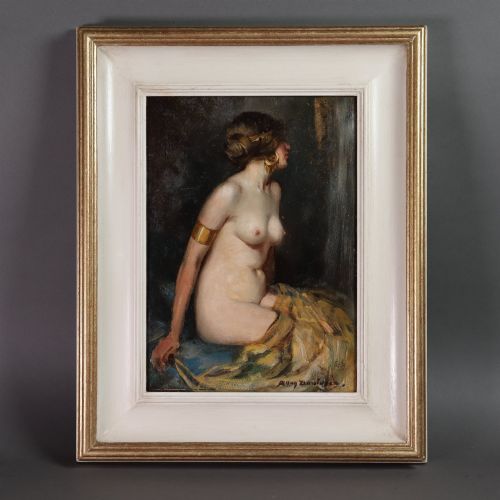
These pieces of framed cream wood painting combine painted wooden frames with oil and canvas works from the nineteenth and twentieth centuries.
Framed Cream Wood Painting
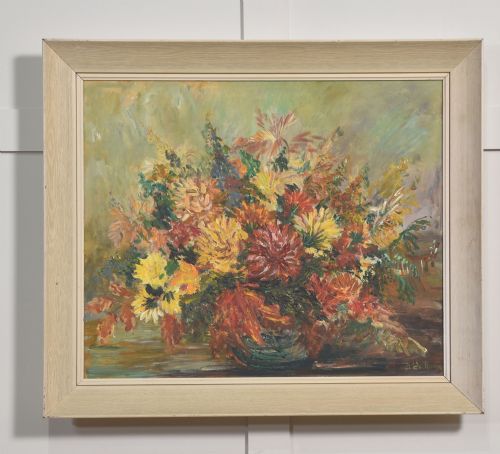
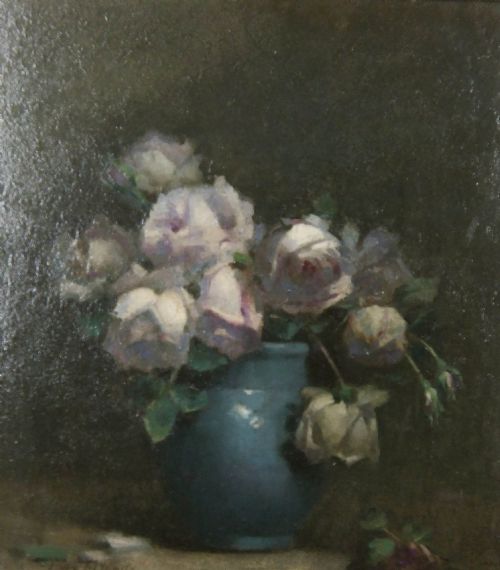
A framed cream wood painting brings together visual art and architectural mirrors set within pale wooden housings. When searching for a framed cream wood painting, buyers encounter works spanning the nineteenth and twentieth centuries, including floral still lifes, pastoral scenes, and portraiture.
The selections on this page bridge traditional English works and continental French pieces, notably trumeau mirrors and overmantels. These objects serve as focal points in interiors, uniting painted woodwork with canvas and panel art.
How they were made
Makers shaped structural timber using carved wood and gesso to build substantial frames, applying layered paint finishes in cream and gilt tones. Canvases and wooden panels received oil paint, watercolour, or gouache applications by hand.
Decorative elements incorporate carved details, distressed paint treatments, and integrated mirrors. Artisans built architectural overmantels and furniture frames designed to house integrated artistic panels.
Listings feature oil paintings, watercolours, and wall mirrors created across the nineteenth and twentieth centuries in England, France, and Italy.
What varies in quality
Quality rests in the precision of the hand-carved wooden frame and the integrity of the original gesso application. Superior pieces display crisp architectural moulding and harmonious proportions between the painted frame and the artwork.
The refinement of the brushwork on canvas or panel distinguishes finer art pieces. Original undisturbed paint surfaces on the wood hold greater aesthetic integrity than later repainting.
Paul-Élie Gernez·William Thomas Wood·Allan Douglas Davidson·Charles F. Tunnicliffe·James Clark
The Framed Cream Wood Painting Glossary
- Trumeau
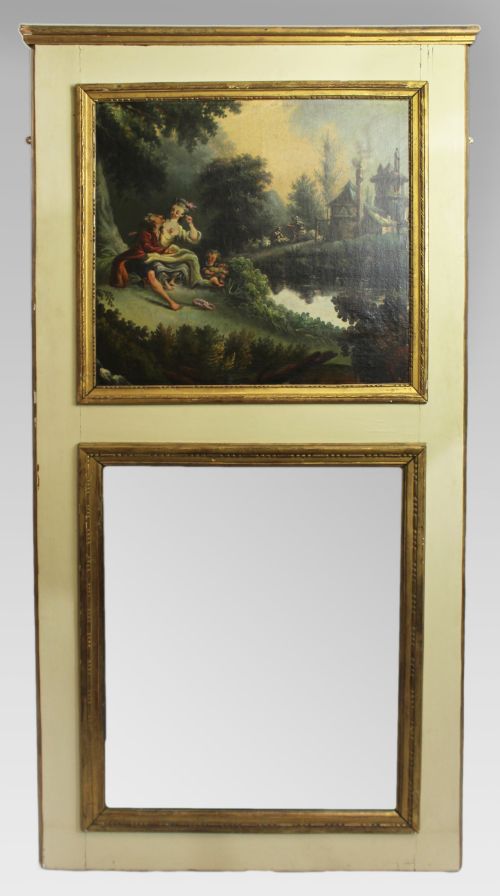
- A decorative wall mirror featuring an oil painting or panel set into the upper section of the wooden frame. These pieces originated in eighteenth-century France and remained popular through the nineteenth century.
- Overmantel
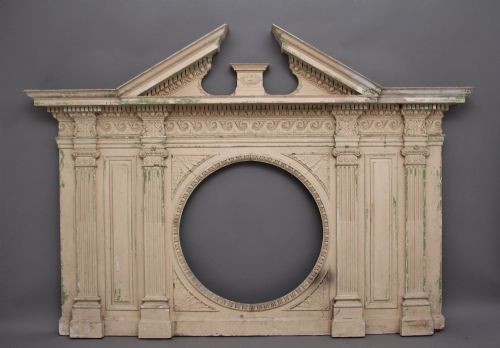
- A large mirror or painting designed to be hung specifically above a fireplace mantelpiece. They often feature elaborate carved wood and gesso frames.
- Gesso
- A plaster-like mixture applied to wood frames to create a smooth surface for gilding or painting. It allows artisans to carve intricate relief decorations.
- Gilt
- A thin layer of gold leaf or gold paint applied to the surface of wood or gesso frames. This finish catches the light and adds decorative contrast to cream painted woodwork.
- Louis XVI Style
- A neoclassical design aesthetic characterised by straight lines, symmetry, and classical carved motifs. Furniture and frames from this tradition utilise restrained ornamentation.
Framed Cream Wood Painting: Frequently Asked Questions
What is a trumeau mirror?
A trumeau is an architectural wall mirror that incorporates an oil painting or decorative panel directly into its wooden frame. They were designed to hang on wall piers between windows or above mantelpieces in grand rooms.
The integrated artwork typically depicts pastoral scenes or floral arrangements, matching the painted and gilded cream woodwork of the surrounding frame.
Where should I hang an overmantel?
Overmantels are built to be positioned directly above a fireplace mantelpiece to reflect light and anchor the room. Their large scale makes them effective focal points in living rooms and reception spaces.
Ensure the wall fixings are secure enough to support the substantial weight of carved wood and glass.
How do I care for painted wood frames?
Dust the carved wooden surfaces gently with a dry, soft cloth to prevent the accumulation of dirt in the gesso crevices. Avoid chemical cleaners that can damage vintage paint and gilt layers.
Keep these pieces away from direct sunlight and excessive moisture to protect both the wooden structure and the artwork within.
Are these paintings original?
The artworks listed include original oil paintings on canvas and panel, alongside watercolours and gouache pieces created by named artists. Each piece dates from specific periods spanning the nineteenth and twentieth centuries.
The combination of original art within period painted wood frames forms an integrated decorative object.