

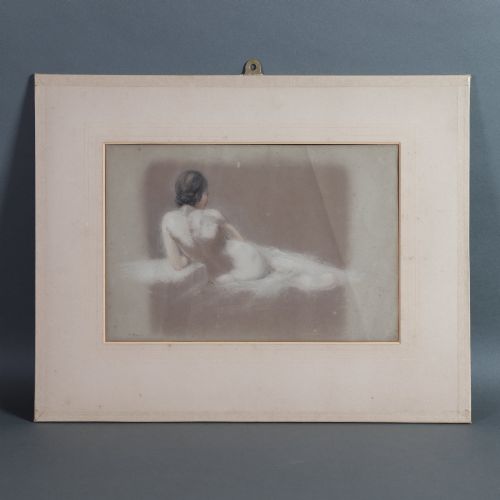


Framed Cream Paper Drawing
A framed cream paper drawing brings direct hand-worked intimacy to a wall, offering delicate portraits, studies, and engineering records preserved beneath glass.
Framed Cream Paper Drawing
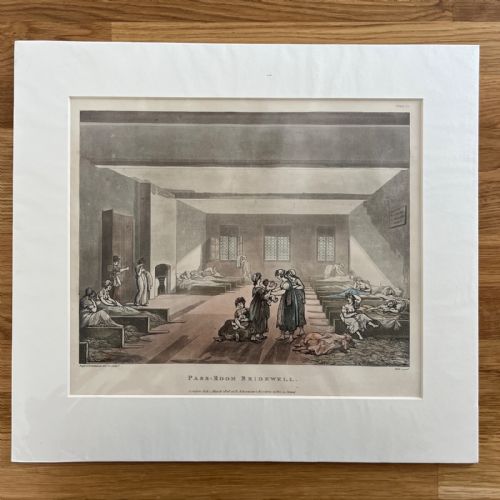
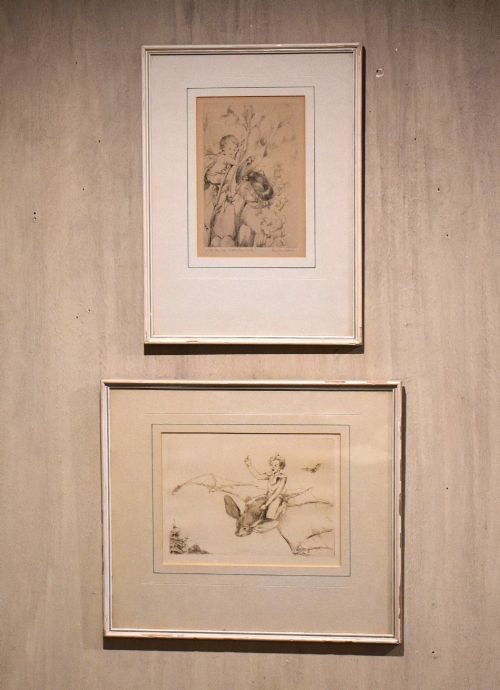
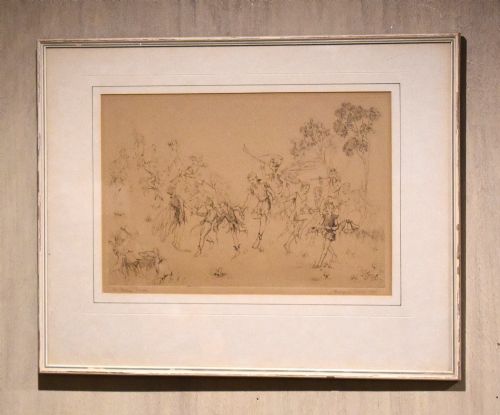
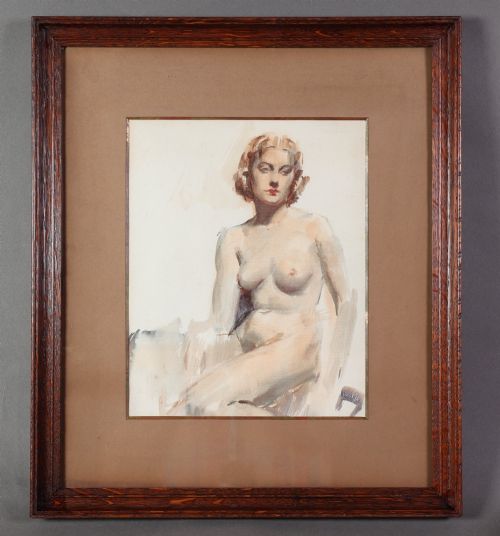
A framed cream paper drawing is a work on paper presented under glass within a wooden frame, spanning periods from the eighteenth century to the mid-twentieth century. These pieces encompass diverse forms including portraiture, landscape, figure studies, and technical railway drawings.
The selection ranges from Regency naive watercolours and Victorian maritime sketches to architectural engravings and mid-century studies. Most examples found here combine traditional hand-drawn marks with a muted cream paper ground.
Buyers encounter works executed by named artists and anonymous hands alike, reflecting both academic training and domestic folk traditions. Each piece provides a window into the graphic arts of its specific era.
Materials and Technique
These works rely primarily on paper supports combined with drawing media such as ink, graphite, charcoal, chalk, and watercolour. Artists applied these materials directly to cream paper sheets, sometimes building up mixed media compositions.
Protection and presentation are achieved through wooden framing and glass glazing, which shield fragile paper surfaces from atmospheric degradation. Architectural engravings and technical drawings employ precise ink line work on paper substrates.
The physical handling of pigment and pencil ranges from rapid preparatory sketches to highly finished portrait miniatures. Every piece depends on the interaction between the porous paper surface and the chosen drawing medium.
Framed Cream Paper Drawing Retail Price Guide 2026
Typical asking prices for framed cream paper drawing among the pieces listed under this phrase on Sellingantiques today, from the lower quarter to the upper quarter. They describe what is for sale here now, not the wider market.
Listings feature works across eight distinct periods, from eighteenth-century architectural engravings to mid-twentieth-century British studies.
Evaluating Quality
Quality rests upon the sureness of the draughtsmanship and the expressive strength of the line, whether in a detailed portrait or a locomotive study. Masterly handling of proportions and gesture distinguishes accomplished academic execution from stiff amateur production.
The preservation of the paper support and the clarity of the underlying medium determine the visual impact of the piece. Strong contrast, stable paper tone, and harmonious integration with the surrounding frame elevate the overall standard.
Signatures, documentation, and attribution to known historical hands add significant depth to a drawing. The intellectual engagement of the subject matter, from classical architecture to naturalistic portraiture, shapes the distinction of the work.
William Etty·William Frederick Settle·Dame Laura Knight·John Duncan Fergusson·Theobald Chartran·Henry Edridge·Alexander Melville·Fred Lawson
The Framed Cream Paper Drawing Glossary
- Watercolour
- A paint consisting of a pigment suspended in a water-soluble vehicle, used on paper to create transparent washes of colour. It often appears combined with ink or pencil in these works.
- Regency
- The period in British history from 1811 to 1820, characterised by distinct neoclassical tastes in art and architecture. Works from this era often show refined linear control or charming naive qualities.
- Mixed media
- An artwork in which more than one medium or material has been employed. Artists combine ink, watercolour, and chalk on the same sheet to achieve varied textural effects.
- Engraving
- A printmaking technique where an artist carves an image into a metal plate to hold ink. Architectural subjects frequently utilise this precise method for replication.
- Provenance
- The chronology of the ownership and custody of a historical item. Documented letters or headed paper often accompany these drawings to confirm their origins.
Framed Cream Paper Drawing: Frequently Asked Questions
How do I hang a paper drawing safely?
Keep framed paper drawings away from direct sunlight and damp environments to prevent fading and paper degradation. Use sturdy picture hooks suited to the weight of the wooden frame.
Ensure the piece hangs at eye level on an interior wall with stable temperature conditions. Professional framing with acid-free backing protects the cream paper over decades.
What periods are represented here?
The selection spans from the eighteenth century through the Regency and Victorian eras into the Edwardian period and mid-twentieth century. Each era brings distinct stylistic preferences to the paper support.
Earlier pieces often reflect neoclassical or naive Georgian sensibilities, while later works embrace Impressionist or industrial documentation styles.
Are these drawings original works?
Most items listed are unique hand-drawn or hand-painted pieces created directly by the artist using pencil, ink, chalk, or watercolour. Architectural engravings represent period printed editions.
Every unique sheet bears the individual touch and corrections of the maker, distinguishing them from modern reproductions.
How should I clean the glass?
Apply a mild glass cleaner to a soft cloth rather than spraying the liquid directly onto the frame. This prevents moisture from seeping behind the glazing into the paper drawing.
Wipe the glass gently and dry it with a lint-free cloth to maintain clarity without risking damage to the antique frame or backing.