


Framed Countryside Picture
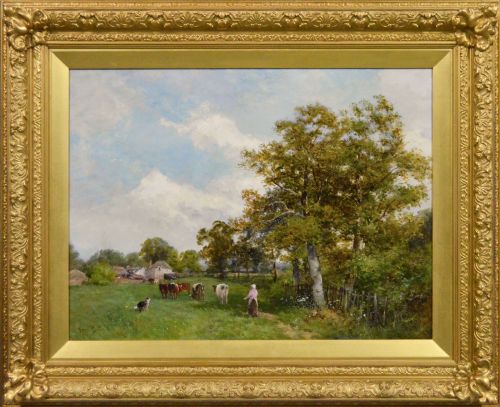
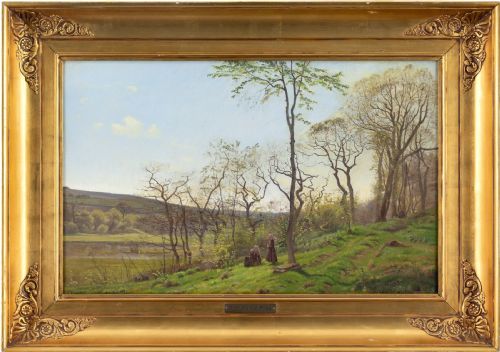
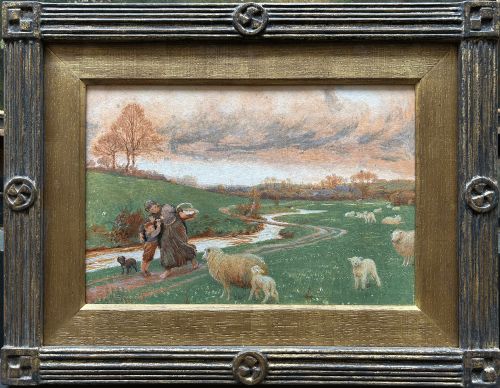
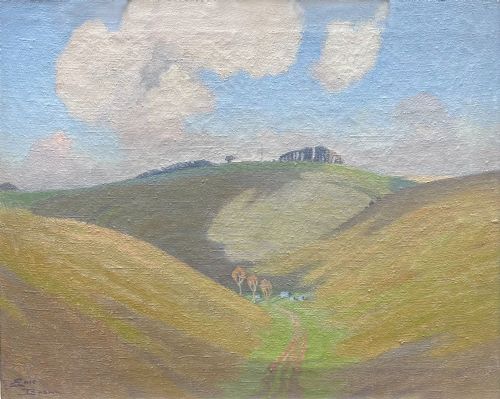
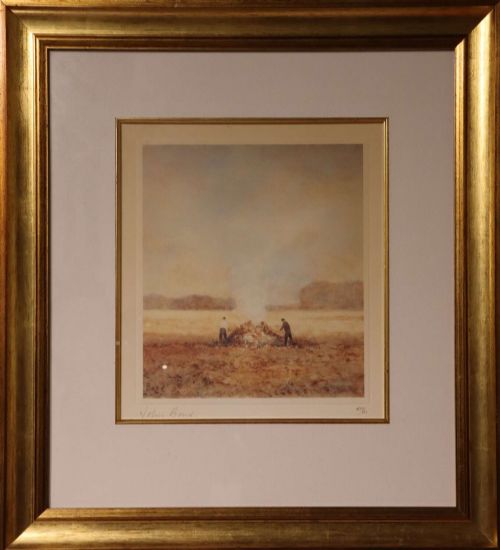
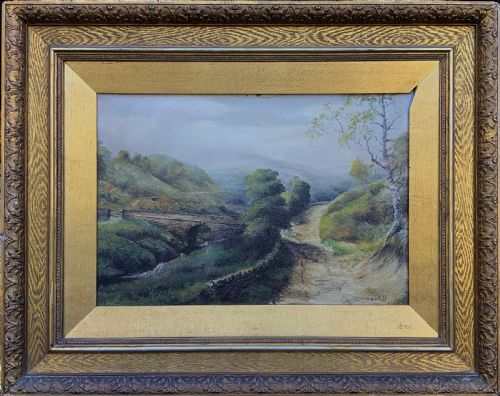
When you search for a framed countryside picture, you encounter pastoral scenes rendered in oil and watercolour that bring rural life onto your wall.
Framed Countryside Picture
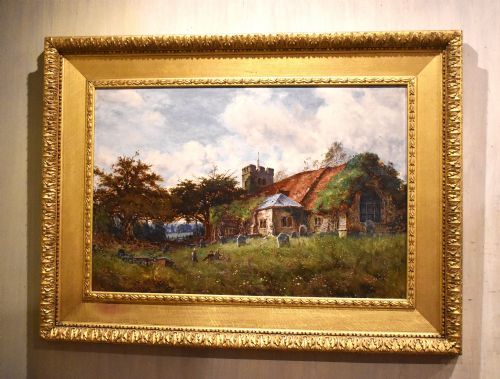
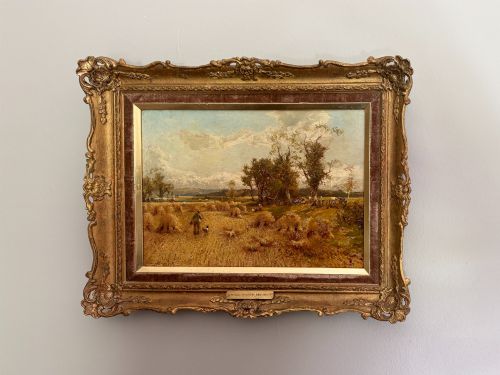
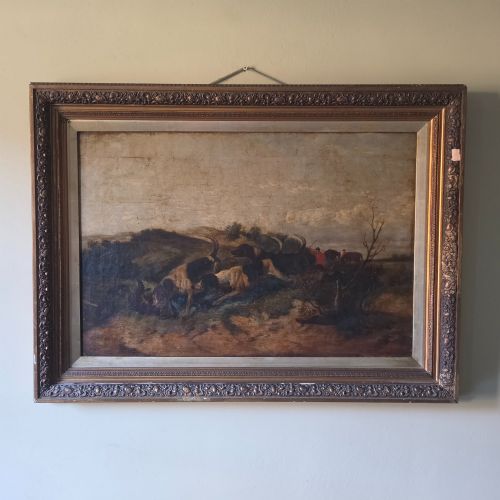
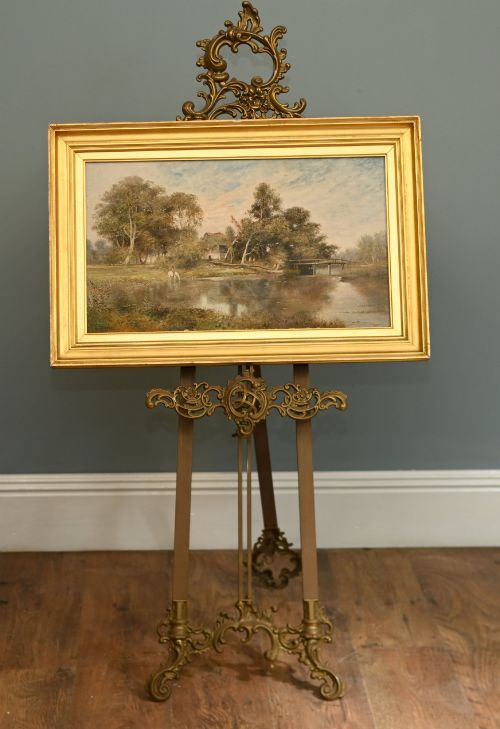
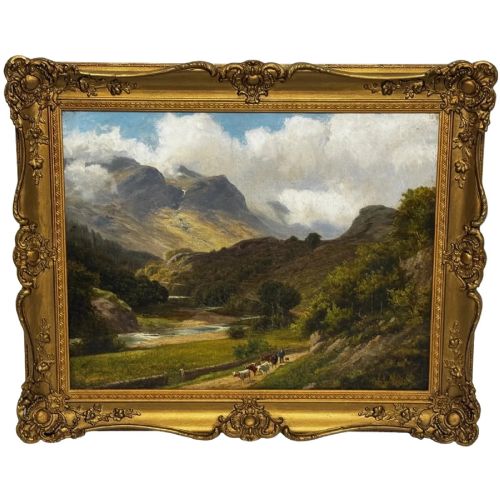
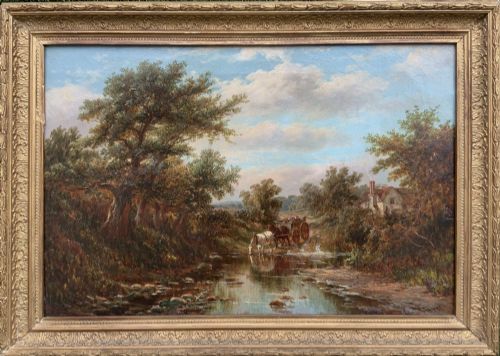
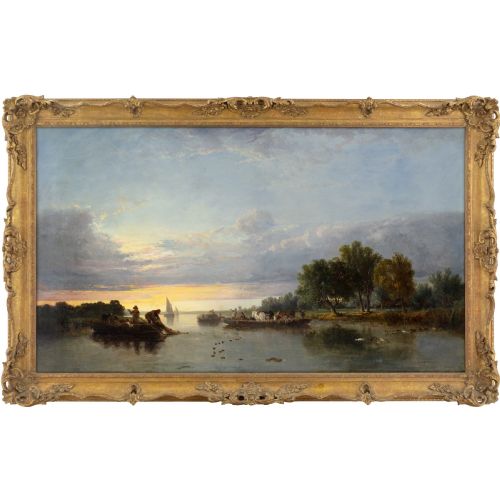
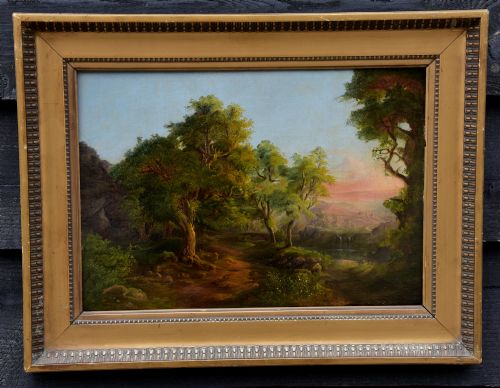
A framed countryside picture captures rural vistas, agricultural labour, and pastoral retreats across Britain and Europe. These works present quiet rivers, woodland paths, and agricultural fields under changing skies.
You meet Victorian and Edwardian examples most often on this page, alongside pieces from the early twentieth century. The selections range from detailed watercolours of Welsh valleys to sweeping oil paintings of river estates.
The subjects focus on everyday agrarian life, featuring horses ploughing fields, shepherds driving flocks, and thatched cottages nestled in remote villages. Each artwork preserves a specific locality, from Yorkshire harbours to Welsh riverbanks.
Materials and Techniques
Artists painted these rural scenes primarily with oil on canvas or board, and with watercolour on paper. Oil paint allowed for rich textures in depicting woodland foliage and heavy skies, whilst watercolour captured the soft light of river valleys.
Makers housed these paintings behind glass in wooden frames, frequently incorporating giltwood mouldings to catch the ambient light. The backing materials range from original wood panels to stretched canvas secured within period surrounds.
The listings include pieces spanning from the early nineteenth century through the Victorian era up to nineteen sixty.
Assessing Quality
Quality rests upon the artist's command of light, shadow, and spatial depth within the rural composition. Finer works display confident brushwork that defines the texture of foliage and the movement of water.
The harmony between the artwork and its original frame dictates the integrity of the piece. Superior examples retain period surrounds that complement the palette and scale of the painting without overwhelming the rural subject.
William H Myers·William Joseph Boyes·David Bates·Harald Foss·Hubert Wellington·Charles Clair·Alfred George Morgan·Charles Walter Simpson·Charles Gregory·Samuel Timmins·Henry Charles Fox·Cuthbert Crossley·Arthur Tucker·Frederick Septimus Lewis·James Orrock·Robert John Hammond·Johannes Philippus Galjaard·Giulio Cecchini·Robert Thorne Waite·Walter J Watson·Charles Faulkner·Robert Winchester Fraser
The Framed Countryside Picture Glossary
- Watercolour
- A painting method where fine pigment is suspended in water-based solution on paper. It creates luminous washes often employed for atmospheric skies and distant hills.
- Pastoral
- A style of art celebrating rural life and idealized agricultural scenes. These compositions typically include shepherds, cattle, and tranquil river vistas.
- Oil on Canvas
- Pigment mixed with drying oils applied to woven fabric stretched over a wooden frame. This medium permits rich colour saturation and heavy impasto textures.
Framed Countryside Picture: Frequently Asked Questions
What periods do these countryside pictures come from?
The listings span from the early nineteenth century through the Victorian and Edwardian eras into the mid-twentieth century. You will find works dated across the decades, reflecting changing artistic approaches to rural scenery.
Most pieces date from the late nineteenth and early twentieth centuries, representing British and European pastoral traditions.
How do I identify a watercolour from an oil painting?
Watercolours are executed on paper and generally displayed beneath glass to protect the delicate pigments from moisture and handling. They exhibit a translucent quality where the white of the paper illuminates the washes.
Oil paintings utilise thicker pigments applied to canvas, board, or wood panels. They present textured surfaces that do not require glass for protection.
Where were these rural scenes usually painted?
Artists travelled to specific regional locations across Britain and Europe to capture authentic rural views. The evidence points to Welsh valleys, Yorkshire harbours, Devon landscapes, and Sussex downland.
Many works document identifiable local landmarks, such as rivers, mills, cottages, and agricultural fields.
Are the frames original to the paintings?
Many pieces retain their original period frames, which can include giltwood or moulded timber surrounds appropriate to the date of execution. These frames often show age-appropriate wear that matches the history of the artwork.
Inspect the joinery and backing to understand how the painting has been housed over the decades.