




Framed Classical Reliefs
Framed classical reliefs offer a tangible piece of antiquity, bringing sculptural depth and mythological subjects directly to the wall.
Framed Classical Reliefs
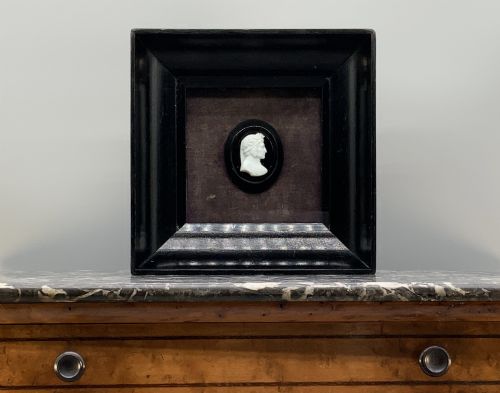
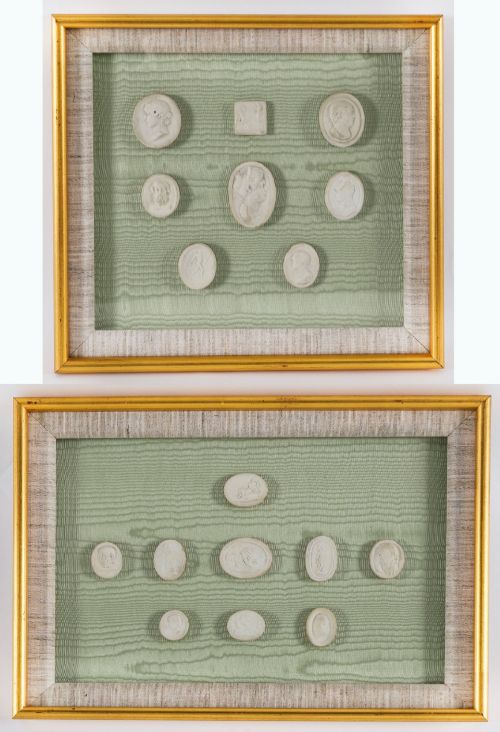
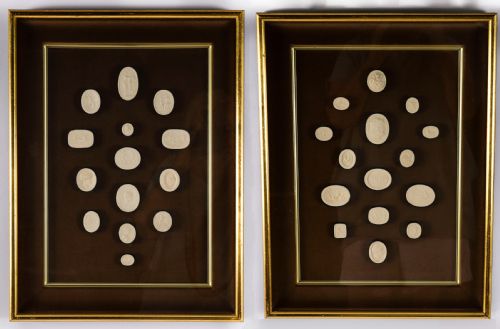
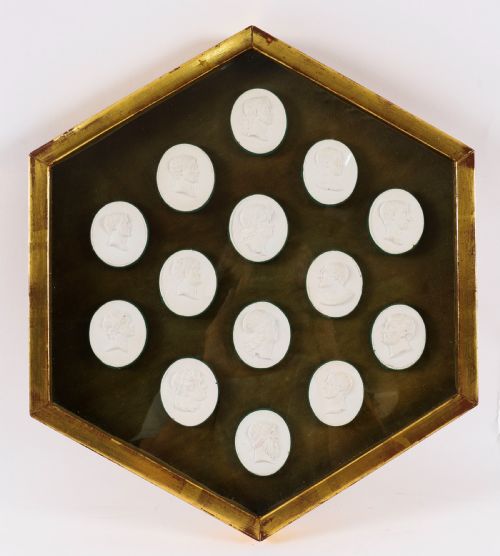
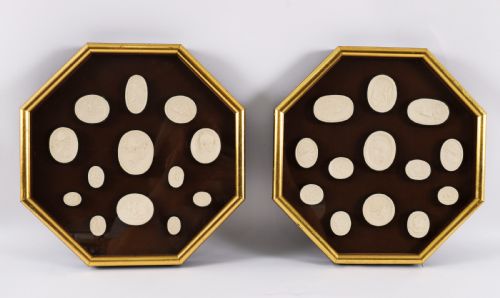
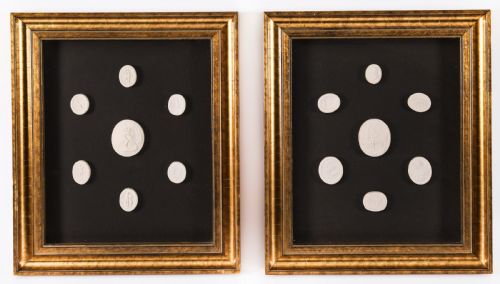
Framed classical reliefs encompass wall plaques, intaglios, cameos, and roundels that draw heavily on antique motifs and mythological scenes. Buyers searching for framed classical reliefs frequently encounter pieces originating from the Grand Tour tradition, where travellers collected miniature plaster casts, carved ivories, and marble bas-relief profiles.
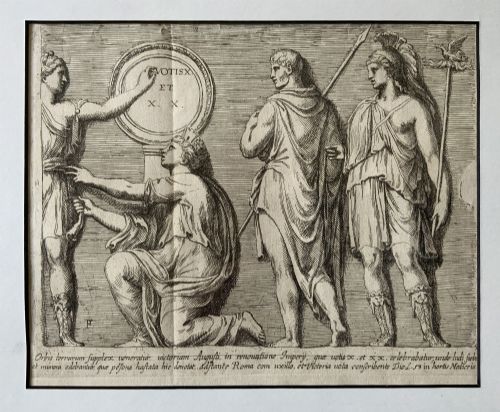
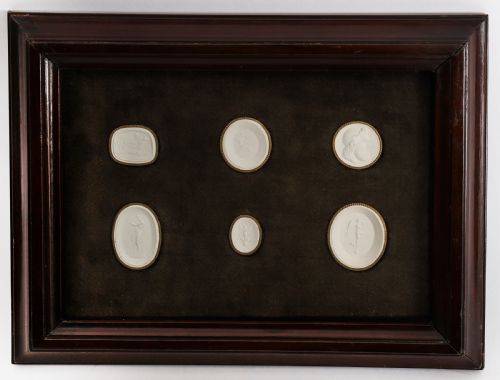
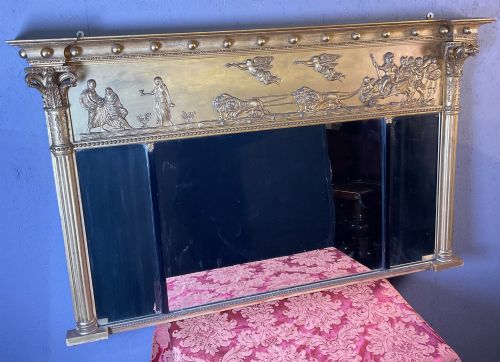
The selections span centuries, featuring seventeenth-century etchings alongside nineteenth-century plaster intaglios arranged in custom wooden or gilt frames. Overmantel mirrors and architectural engravings also incorporate sculptural relief panels, anchoring these classical subjects within domestic interiors.
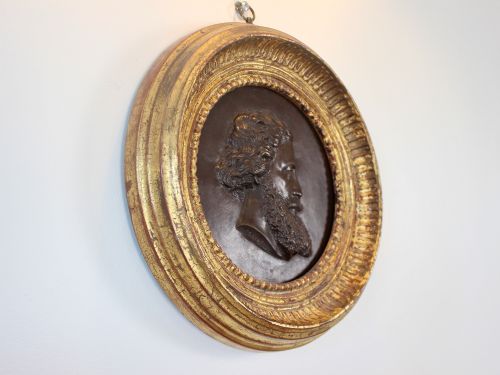
Makers and workshops across Europe produced these works in media ranging from bronze and terracotta to Wedgwood jasperware. The enduring appeal lies in the miniature detail and the direct connection to classical sculpture and architectural ornament.
Materials and Technique
Plaster, marble, and shell serve as the primary mediums for capturing fine sculptural detail, often set against dark velvet or paper backdrops inside wood or giltwood frames. Artisans cast plaster into intaglios or carved marble and ivory by hand to replicate ancient Roman and Greek prototypes.
Framed Classical Reliefs Retail Price Guide 2026
Typical asking prices for framed classical reliefs among the pieces listed under this phrase on Sellingantiques today, from the lower quarter to the upper quarter. They describe what is for sale here now, not the wider market.
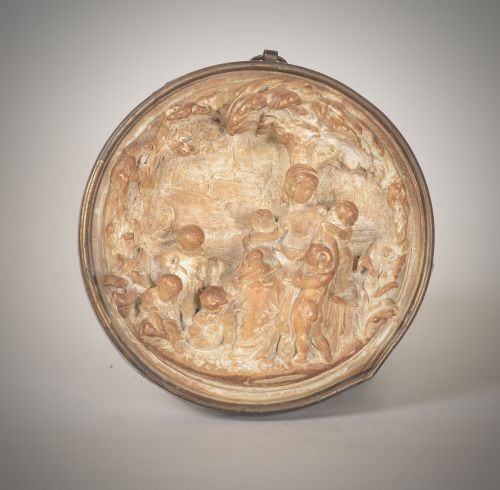
Cherubs appear with surprising frequency across centuries of classical relief work, seemingly unable to resist meddling in mythology.
Assessing Quality
The harmony between the relief and its housing dictates the overall success of the piece, as bespoke framing with clean velvet mounts enhances the visual weight of the miniature sculpture. Age-appropriate patination on bronzes and marbles indicates proper handling and material stability over centuries.
François Perrier·Giovanni Liberotti·Donatello·James Basire·Gian Federigo Bonzagna
The Framed Classical Reliefs Glossary
- Intaglio
- An engraved gem or plaster cast where the design sinks below the surface, contrasting with a cameo. These pieces were frequently collected in sets during the Grand Tour.
- Bas-relief
- A sculptural technique where the figures project only slightly from the background plane. This method was widely used for marble and bronze wall plaques.
- Jasperware
- A type of fine stoneware developed by Josiah Wedgwood, characterised by white neoclassical reliefs applied against a coloured ground. It remains a staple of Victorian decorative arts.
- Pate-sur-pate
- A ceramic decorating method where liquid white clay is painted in successive layers onto a coloured body to create a low relief effect. This technique produces a translucent cameo appearance.
- Roundel
- A circular panel or plaque used for architectural decoration or framed wall art. They often depict imperial portraits or mythological scenes in profile.
Framed Classical Reliefs: Frequently Asked Questions
What is a Grand Tour relief?
Grand Tour reliefs are miniature sculptures, plaster casts, or intaglios collected by wealthy travellers in Europe during the eighteenth and nineteenth centuries. These pieces typically reproduced famous ancient statues and architectural fragments for display at home.
Housed in custom frames or specialised cabinetry, they allowed collectors to curate personal museums of classical art and mythology.
How should I hang these pieces?
Due to the weight of plaster, marble, and giltwood frames, secure wall fixings suited to the specific wall type are essential. Grouping smaller intaglios or cameos together creates a strong visual impact on a study or hallway wall.
Keep them away from direct sunlight and damp environments to protect delicate paper backings, velvet mounts, and plaster surfaces from deterioration.
What subjects do these reliefs depict?
Common subjects include Roman emperors, Greek gods, mythological scenes, and classical profile portraits. Figures such as Diana the huntress, Bacchus, and cherubs frequently appear across bronze plaques and carved panels.
These motifs reflect an enduring fascination with classical antiquity that influenced European art and interior design across multiple centuries.
Are these pieces original antiques?
The listings span distinct historical periods, primarily featuring seventeenth, eighteenth, and nineteenth-century works alongside Victorian and Edwardian interpretations. Material analysis, framing techniques, and historical documentation help distinguish period production from later reproductions.
Examining the backboards, fixings, and wear patterns on the frames provides clear indicators of age and authenticity.