

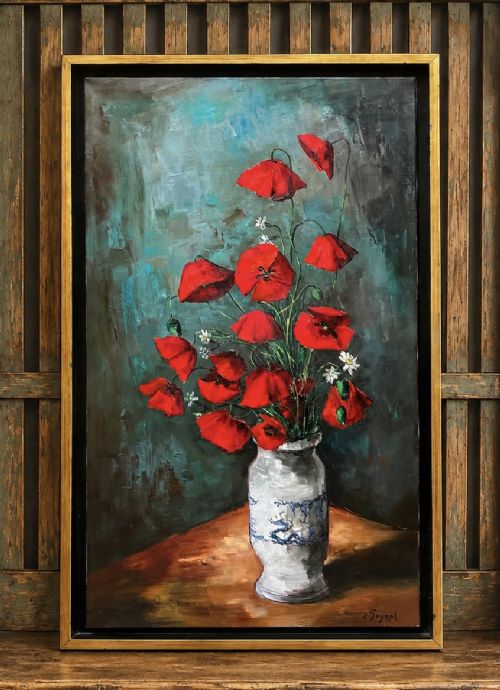
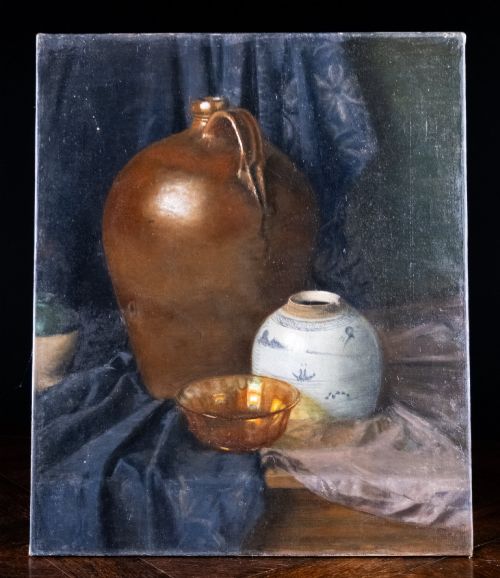
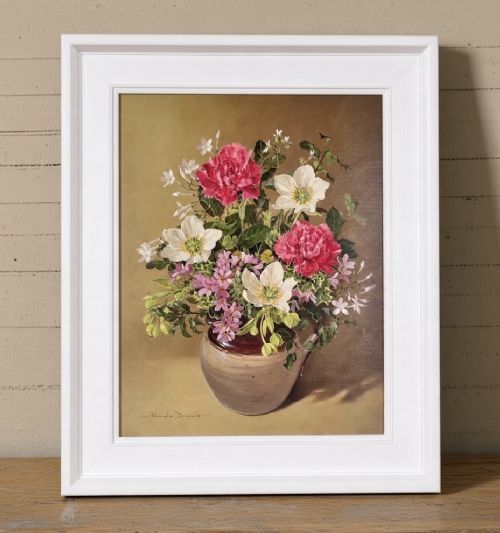
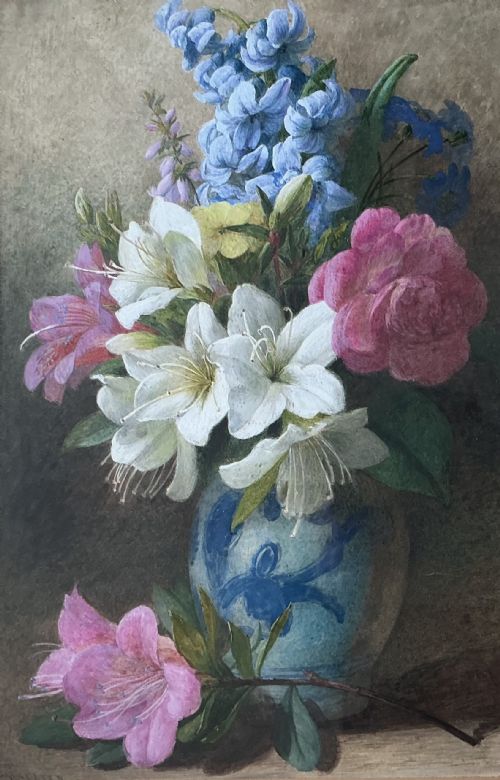
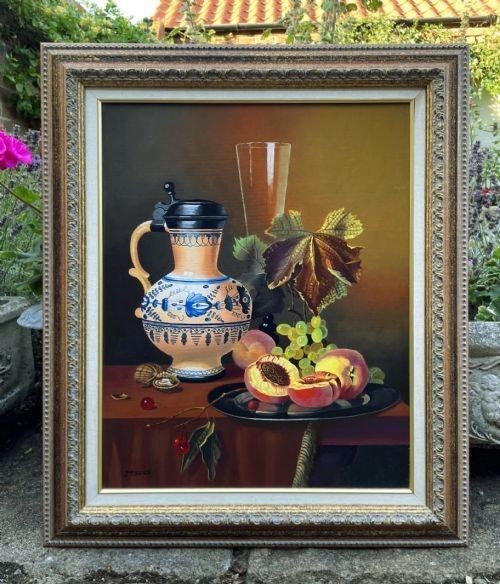
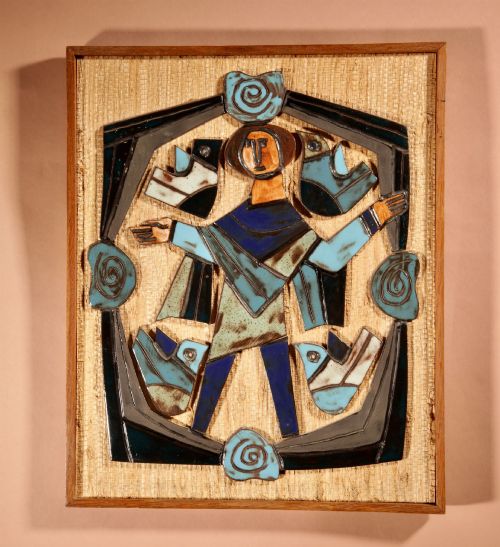
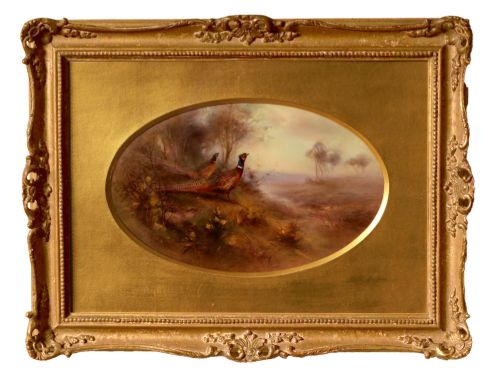
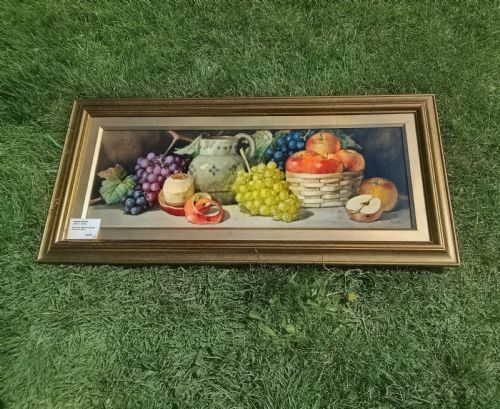

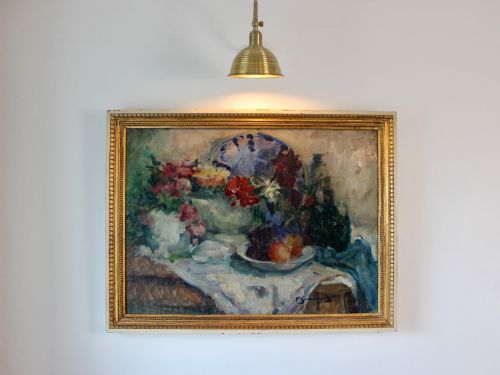


Framed Ceramic Artwork
Framed ceramic artwork brings the tactile permanence of painted porcelain and glazed tiles directly to your wall.
Framed Ceramic Artwork
When you search for framed ceramic artwork, you encounter delicate painted plaques, individual tiles, and decorative panels set behind glass within timber frames. These pieces merge the meticulous brushwork of miniature painting with the lasting substance of fired clay and porcelain.
The selection on this page draws heavily from nineteenth-century porcelain plaques and early twentieth-century wall plaques, alongside mid-century European studies and earlier pottery tiles. Subjects range from botanical still lifes and floral arrangements to figural scenes and historical miniatures.
Originating across Britain and continental centres such as Berlin, Limoges, and various European workshops, these items span periods from the seventeenth-century Kubachi pottery tiles up to later mid-century creations. Each piece presents a finished pictorial composition executed directly onto a ceramic or porcelain support before being secured in a protective frame.
How they were made
Makers utilised fired porcelain panels, earthenware tiles, and metal or pottery bases as the primary surface for detailed pigments and enamels. These ceramic grounds required precise kiln firing to bond the mineral colours and glazes permanently before mounting.
Wood and glass form the secondary structure, enclosing the fragile ceramic works to protect the painted surfaces from dust and damage. Frames often use traditional joinery and glazing methods suited to the weight and depth of the individual plaque or tile.
Framed Ceramic Artwork Retail Price Guide 2026
Typical asking prices for framed ceramic artwork among the pieces listed under this phrase on Sellingantiques today, from the lower quarter to the upper quarter. They describe what is for sale here now, not the wider market.
Listings feature porcelain plaques, pottery tiles, and oil paintings spanning from the seventeenth century through to the mid-twentieth century.
What varies in quality
The skill of the painting distinguishes standard commercial factory work from master-painted porcelain panels. Fine brushwork, depth of colour through multiple firings, and delicate control of expression or botanical detail elevate specific pieces above routine production.
The integration of the frame and the preservation of the original ceramic glaze matter greatly. Pieces that retain their historic wooden framing and display unblemished fired surfaces hold a stronger visual integrity.
James Stinton·Royal Worcester·Vladimir Aldoshin·Victor Simonin·Agnes Augusta Talboys·Owen Bowen·Freda Marston·Margaret Laing·Jabez Bligh·Elizabeth T Sutcliffe·KPM·Marion Broom·Edith Alice Andrews·William Rayworth·Birks·Katherine Bourne·Louisa Mary Bancroft·Amy Reeve Fowkes·Helen Cordelia Angell·Wiliam Stephen Coleman
The Framed Ceramic Artwork Glossary
- Porcelain plaque
- A flat sheet of fired ceramic material used as a stable support for detailed hand-painted scenes. These panels allowed artists to achieve enamel gloss finishes similar to canvas oil paintings.
- Limoges enamel
- A specialised technique originating in France where vitreous enamel is fused onto a metal base to create intricate pictorial designs. This method produces rich, jewel-toned colour depths.
- Pate sur pate
- A porcelain manufacturing method where raised designs are built up using successive layers of liquid clay slip before firing. The resulting relief creates subtle tonal contrasts against a contrasting background colour.
- Kubachi pottery
- Earthenware tiles originating from Dagestan featuring characteristic decorative pigments under a clear glaze. These historical tiles often display geometric or figurative motifs.
Framed Ceramic Artwork: Frequently Asked Questions
How do I hang a ceramic plaque safely?
These works require secure wall fixings matched to the weight of the timber frame and the dense ceramic panel inside. Ensure the hanging wire and wall hook support the full load without strain.
Position the artwork away from areas prone to moisture or temperature fluctuations to protect both the wooden frame and the fired surface.
Are these pieces hand painted?
Many examples feature meticulous hand-painted details executed directly onto the porcelain or tile surface by skilled artists. Specialised decorators applied mineral pigments that were subsequently fired in a kiln to achieve permanence.
Close inspection under good light reveals the individual brushstrokes and tonal gradations characteristic of bespoke studio work.
How should I clean the glass and frame?
Wipe the exterior glass gently using a soft cloth and a minimal amount of window cleaner applied to the cloth rather than directly to the frame. Avoid letting moisture seep behind the glass where it could contact the ceramic surface.
Dust the wooden frame periodically with a dry, soft brush to preserve the finish without introducing harsh chemicals.
Can I date a piece by the frame?
Frames are frequently replaced over time, meaning the timber enclosure may not date from the exact period of the ceramic plaque within. Examine the construction joints, backing materials, and mounting style of the frame to determine its age relative to the artwork.
Signatures, backstamps, and the style of the painting on the ceramic itself offer more reliable chronological markers than the frame alone.