
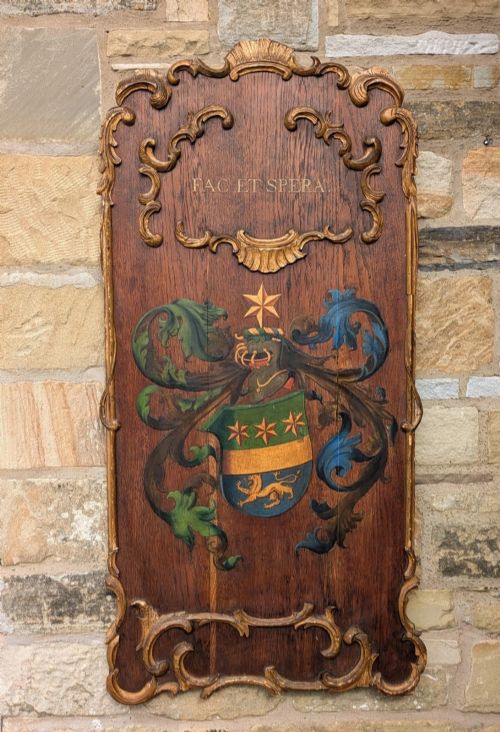

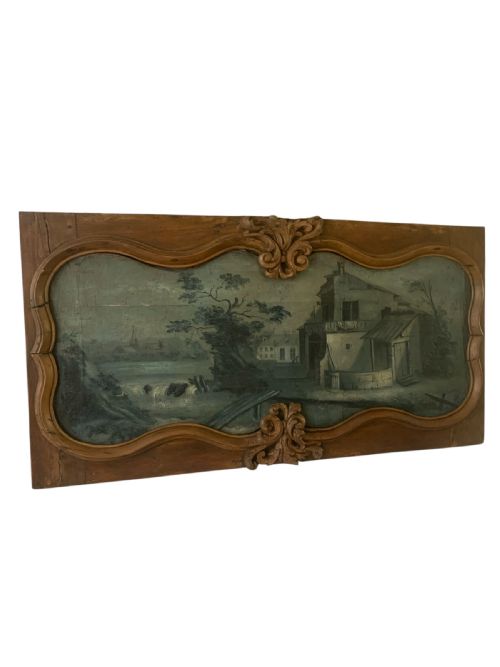


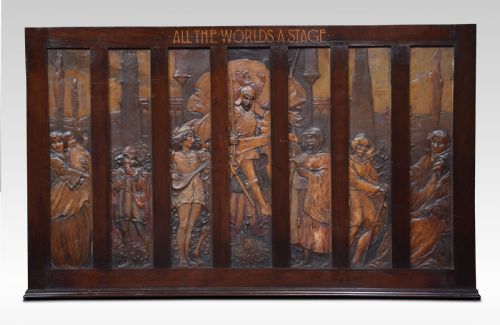

Framed Carved Timber Panel
These framed carved timber panel pieces bring depth and texture to a room, ranging from architectural salvage to religious icons.
Framed Carved Timber Panel
A framed carved timber panel is a section of wood, often worked in relief or paint, held within a structural surround for display as wall art or incorporated into larger furniture pieces.
The examples on this page span several centuries, including pieces from the seventeen-hundreds up through the Victorian era and the nineteen-twenties.
You will encounter various formats here, from traditional Indian wall panels and religious icons to architectural overdoor paintings and decorative bed panels.
How they were made
Maker's workshops shaped these items from woods such as walnut, ash, and hardwood, often employing deep relief carving to build texture.
Many surfaces feature oil paint, traditional pigments, or parquetry veneer, sometimes complemented by iron or brass hardware.
The periods represented span from the seventeen-hundreds through the Victorian era to the early twentieth century.
What varies in quality
Quality rests on the crispness of the hand-carving and the preservation of original paint or surface finishes over the centuries.
Stronger pieces demonstrate confident joinery within the frame and harmonious integration between the timber panel and its surround.
The Framed Carved Timber Panel Glossary
- Relief carving
- A sculptural technique where figures or patterns project from a flat background. This method gives timber panels a strong sense of depth and shadow.
- Parquetry veneer
- Thin geometric slices of wood laid down in a patterned mosaic onto a base structure. It creates decorative surfaces on furniture and architectural elements.
- Overdoor
- A painted or carved panel fitted directly above a doorway. These pieces often serve as decorative architectural focal points in period interiors.
- Icon
- A devotional painting on wood, typically depicting sacred figures in Orthodox traditions. These works use traditional layering techniques and gold leaf.
Framed Carved Timber Panel: Frequently Asked Questions
How do I hang a heavy timber panel safely?
Heavy carved panels require secure fixings anchored directly into wall studs or masonry rather than plaster alone. Use rated hardware that can support the substantial weight of dense hardwoods.
Distribute the load evenly across the frame structure to prevent twisting or strain on the antique timber over time.
How do I clean an antique painted panel?
Dust the surface gently with a dry, soft-bristled brush to remove surface particles without disturbing delicate paint layers. Avoid using water, modern detergents, or chemical solvents on aged oil paint or bare wood.
Consult a professional restorer if the paint shows signs of flaking or instability to prevent further loss of the original finish.
Can these panels be used in modern interiors?
These pieces provide a striking focal point when hung against neutral walls or integrated into contemporary spaces as architectural art. Their rich textures contrast well with clean, minimalist surroundings.
Ensure placement avoids direct sunlight and excessive humidity fluctuations to protect the aged timber and decorative paint.
How do I date a carved timber panel?
Examine the tool marks left on the reverse and edges of the wood, as hand-working methods changed significantly between the seventeen-hundreds and the twentieth century. The style of the carving and the composition of the paint layers also offer clues to the period of origin.
Compare the timber species and framing construction methods with documented examples from similar regional traditions.