

Framed Canvas Wall Painting
A framed canvas wall painting brings historical depth and narrative richness to a room, ranging from 17th-century portraits to 20th-century landscapes.
Framed Canvas Wall Painting
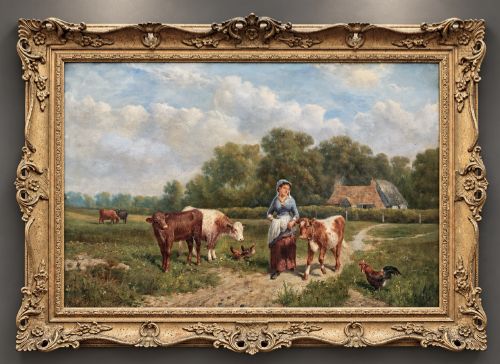
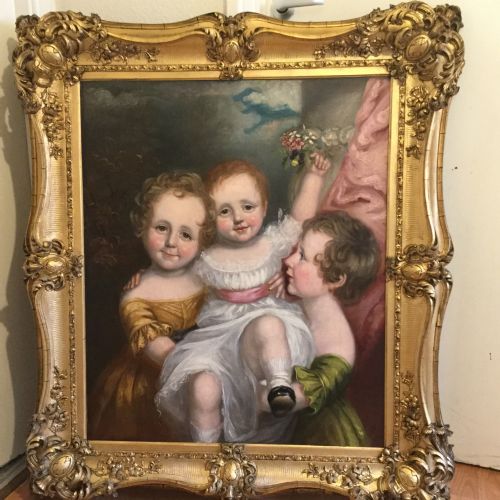
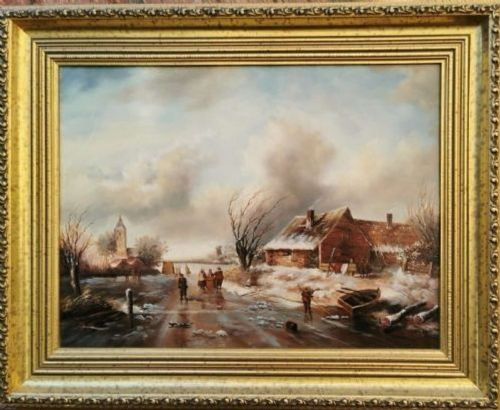
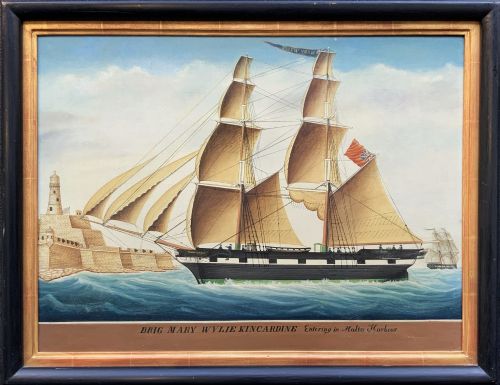
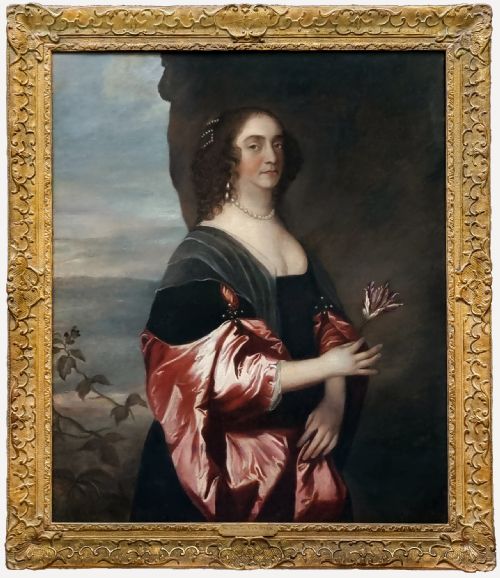
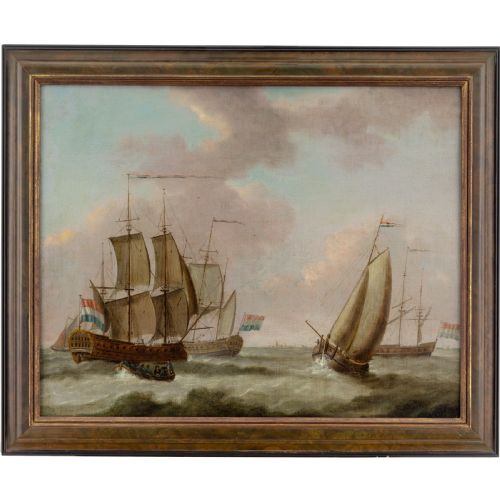
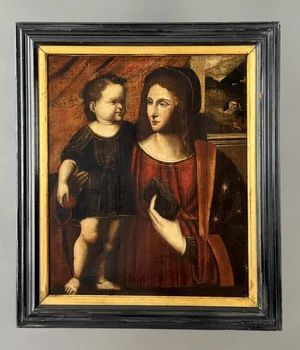
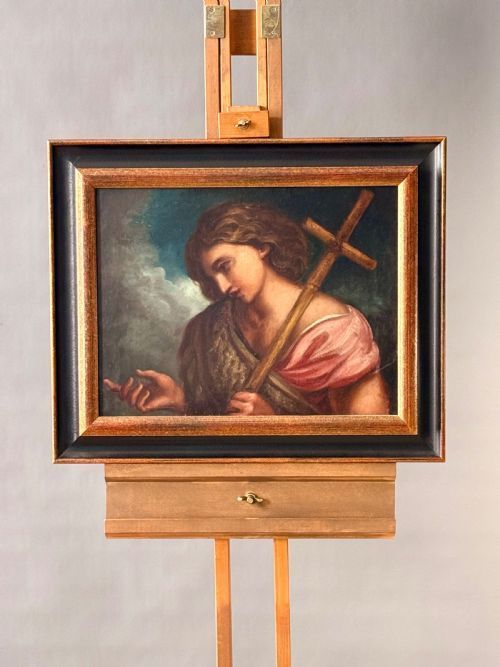
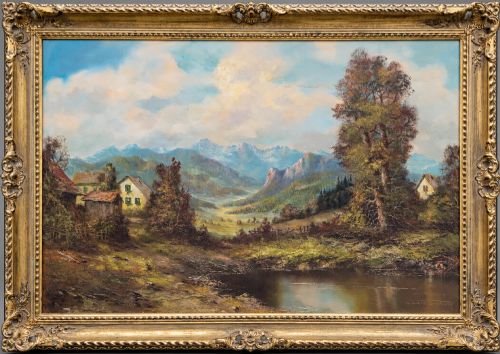
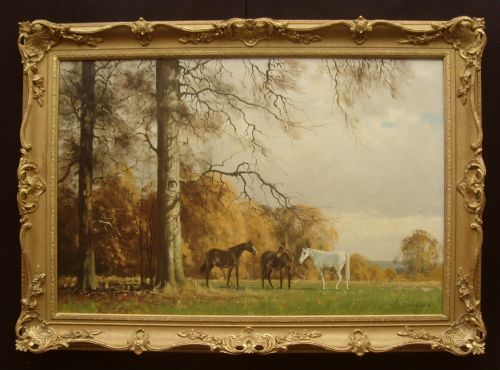
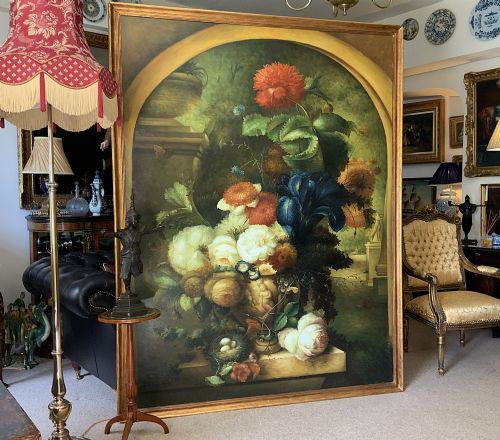
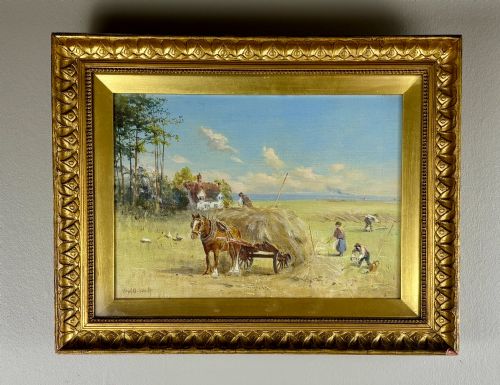
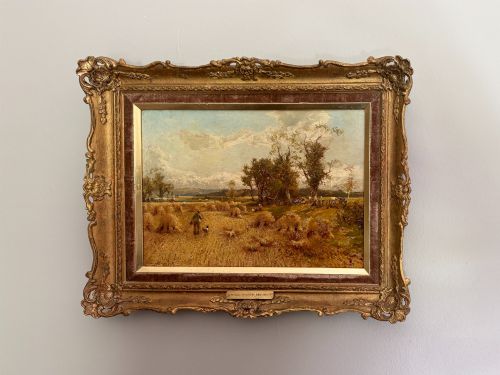
When searching for a framed canvas wall painting, buyers encounter works executed in oil paint on woven supports, often housed within period timber surrounds. The selection spans centuries of artistic output, encompassing formal portraiture, pastoral landscapes, and classical mythological scenes.
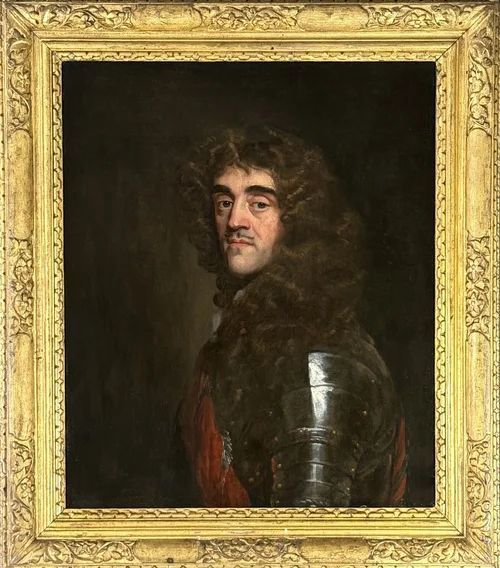
The pieces most frequently met on this page originate from the nineteenth and seventeenth centuries, reflecting British, Flemish, and broader European schools of painting. These works take forms ranging from intimate head-and-shoulder studies of nobility to expansive rural vistas and still lifes featuring fruit and flora.
Beyond traditional oil on canvas, the inventory includes variations such as works on textile and vinyl canvas supports. Each piece carries the distinct stylistic markers of its era, moving from the dramatic shadows of the Baroque period through Georgian refinement to Victorian realism.
How they were made
Artists built these works by stretching canvas tightly across wooden support frames before applying priming layers and oil paint. Pigments were manipulated with brushes to create depth, texture, and tonal variation across the surface.
The surrounding frames utilise timber, frequently enhanced with giltwood, gold leaf, or simple gilt finishes to complement the artwork. These mounts were constructed to protect the edges of the canvas and provide a structured boundary for display.
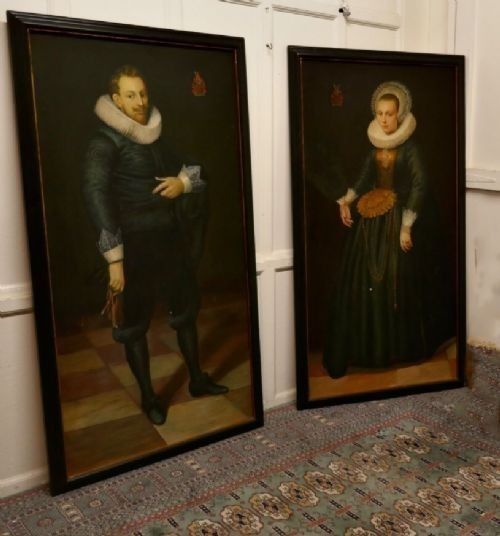
Several centuries of canvas portraits still peer out across rooms, accompanied occasionally by attentive horses and inquisitive sheep.
What varies in quality
Quality in these works rests upon the precision of the draughtsmanship, the handling of light and shadow, and the expressive depth of the subject matter. Masterful anatomy and subtle tonal transitions distinguish superior portraiture from more formulaic workshop output.
The integrity and preservation of both the painted surface and the original or period-appropriate frame influence the overall standing of a piece. Finer examples retain their original canvas tension and retain the crispness of their carved or gilded wooden mounts without extensive modern intervention.
Henry Barraud·Charles Antoine Coypel·Sir Joshua Reynolds·Richard Sebastian Bond·Sir Peter Lely·Anthony Van Dyck
The Framed Canvas Wall Painting Glossary
- Giltwood
- Wood that has been coated with a thin layer of gold leaf or gold powder. This finish was widely utilised on frames during the Baroque and Georgian periods to reflect candlelight and add splendour.
- Oil on Canvas
- A painting technique using pigments bound with a drying oil, applied to a woven fabric support. This combination allowed artists to work with richer colours and blend tones more smoothly than previous tempera methods.
- Baroque
- An artistic style spanning the seventeenth and early eighteenth centuries, characterised by drama, deep shadow, and rich ornamentation. Works from this period often display intense emotional expression and theatrical lighting.
- Provenance
- The documented history of ownership of a work of art. A clear lineage helps verify the authenticity and historical context of older paintings.
Framed Canvas Wall Painting: Frequently Asked Questions
How do I care for an old oil painting?
Keep the artwork away from direct sunlight and drastic fluctuations in temperature or humidity, which can cause the canvas to slacken and the paint to crack.
Dust the surface very gently with a soft, dry brush, and avoid using any water, chemical cleaners, or moisture on either the canvas or the frame.
Are these paintings supplied with their frames?
Most listings include the period frame specified in the description, such as giltwood or carved timber surrounds.
These enclosures are often contemporary to the artwork or from a closely matched historical period, serving both a decorative and protective function.
How can I tell a 17th-century painting from a 19th-century one?
Seventeenth-century works typically employ the dramatic lighting and rich, dark palettes associated with the Baroque period, often depicting nobility in ruffs or elaborate doublets.
Nineteenth-century pieces frequently lean towards greater realism in landscapes and portraiture, reflecting the evolving techniques and aesthetic priorities of the Victorian era.
What is the difference between an artist and a school?
An artwork attributed to a specific named painter was produced directly by that individual's hand. Works designated as a particular school indicate pieces created by followers, pupils, or circle members working in that master's distinct style during or shortly after their lifetime.