
Framed Brown Horse Painting
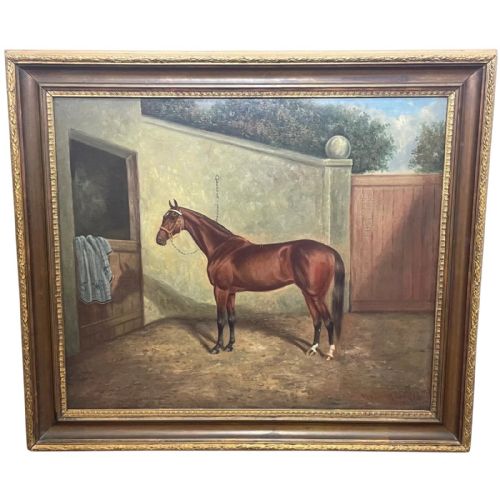
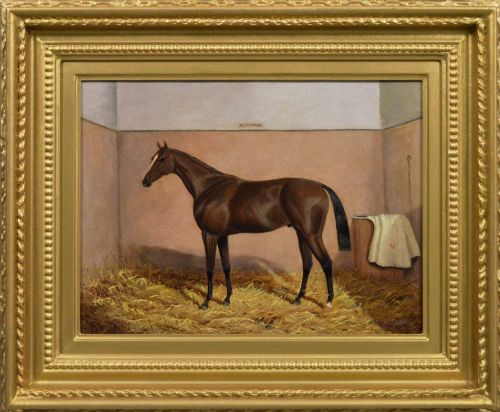
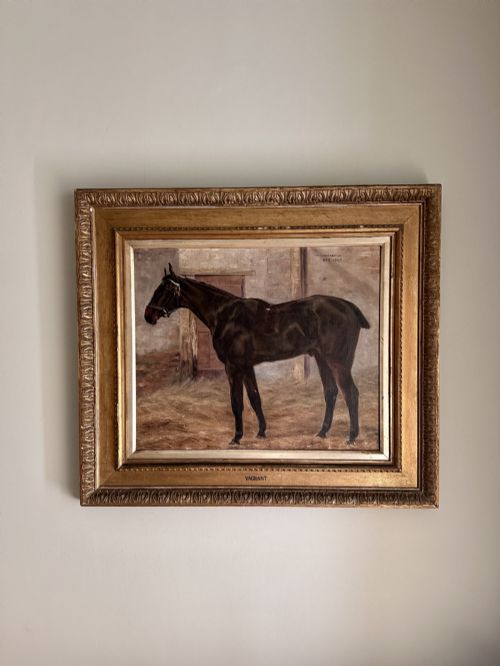
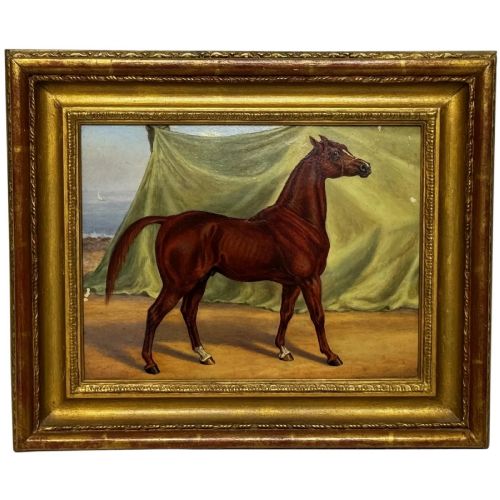
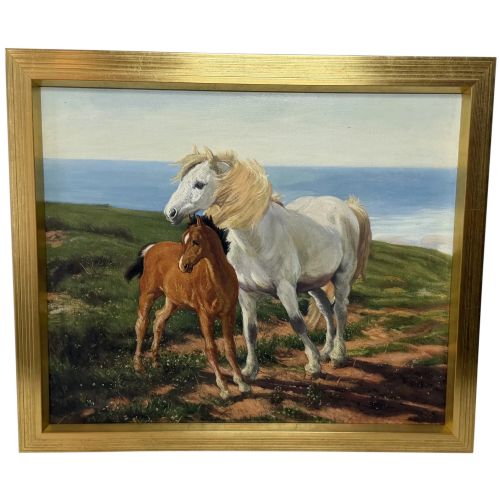
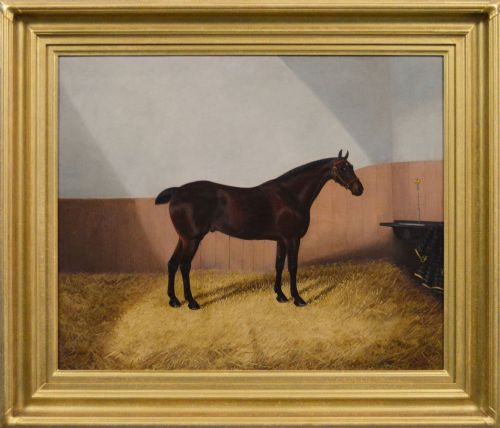
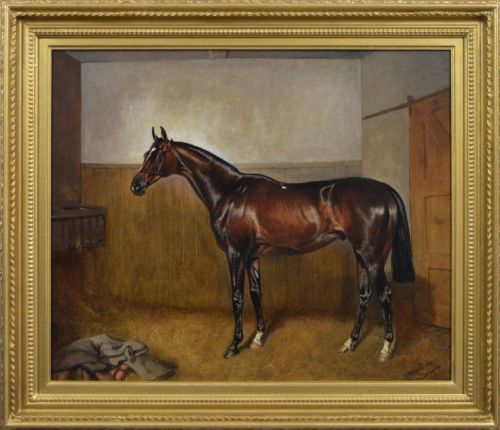
A framed brown horse painting captures the enduring bond between human and animal through skilled brushwork and historical equine portraiture.
Framed Brown Horse Painting
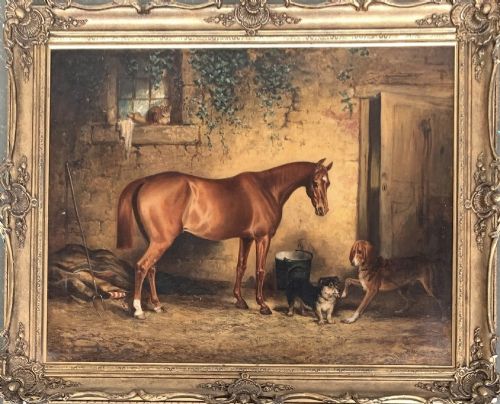
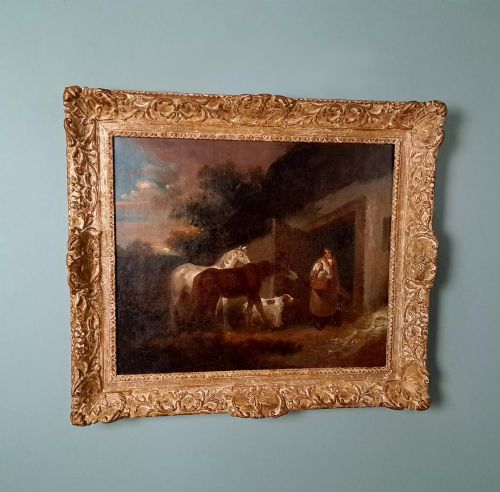
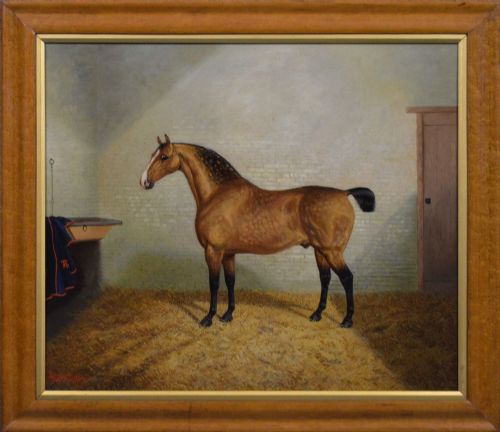
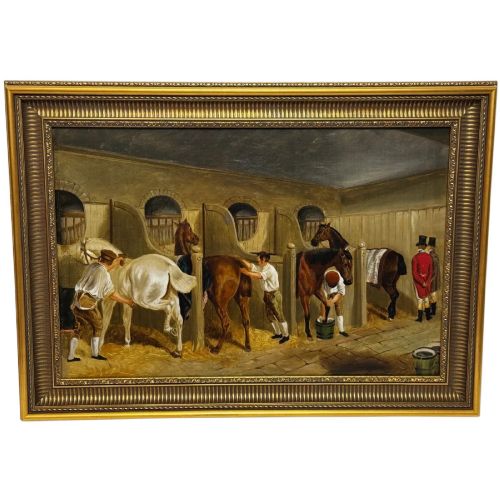
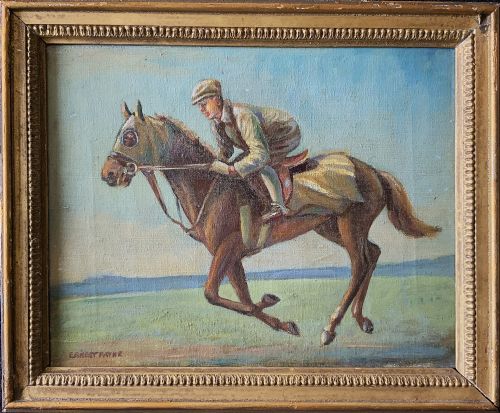
A framed brown horse painting represents a distinct branch of equestrian art, focusing on specific animals, racehorses, and working subjects set within landscapes or stables. These works span from the eighteenth century through the Victorian and Edwardian periods into the mid-twentieth century, capturing the changing styles of British and European art.
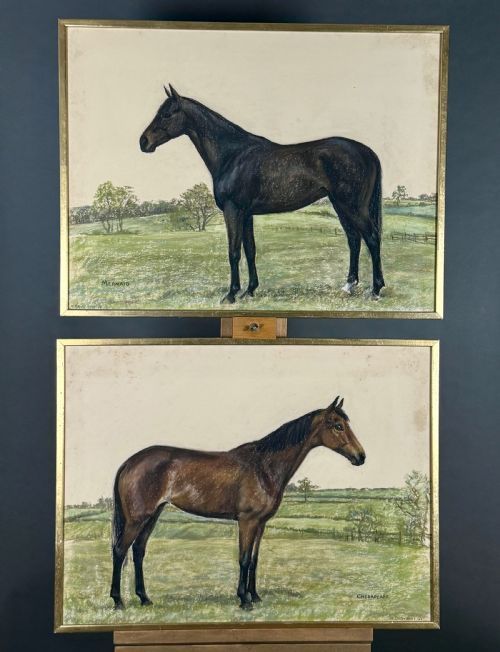
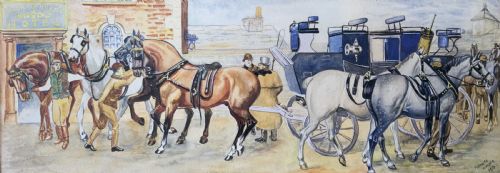
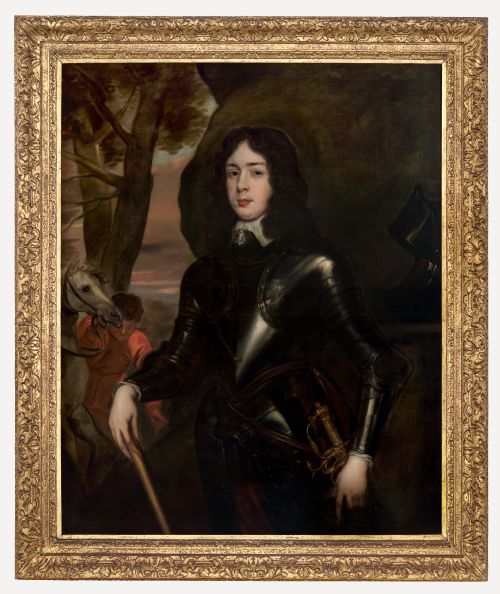
Buyers will encounter various formats on this page, predominantly oil paintings on canvas or panel alongside watercolours and pastels on paper. The subjects range from named racehorse winners and stable portraits to working horses and hunting scenes, usually housed within period wood or gilt frames.
Materials and Technique
Artists typically applied oil paint to stretched canvas or wooden panels, building up rich coats of pigment to capture the musculature, coat sheen, and colouring of the animal. Watercolours and pastels on paper offer a lighter touch, utilised for rapid studies and detailed character portraits.
Frames form an integral part of these pieces, utilising carved wood, gesso, and gilt finishes that reflect the aesthetic tastes of Georgian, Victorian, and Edwardian periods. Signatures, dates, and inscriptions often appear directly on the canvas or within the margin of the work, recording the hand of the painter.
Listings feature works executed in oil paint, watercolour, and pastel on canvas, wood panel, and paper supports.
Assessing Quality and Execution
The anatomical accuracy and proportion in rendering the horse distinguish superior works from standard decorative pieces. Master painters capture weight, movement, and the intelligent expression of the animal with confident, fluid brushwork rather than rigid outlines.
The harmony between the painting and its original or period-appropriate frame influences the overall integrity of the piece. Provenance, artist attribution, and documented histories linking the subject to notable studs or historical races further elevate the standing of an individual artwork.
Henry Barraud·William Joseph Shayer Senior·Albert Clark·Frederick Albert Clark·Fred Fitzpatrick·Thomas Walker Bretland·John Ferneley Senior·John Rattenbury Skeaping·Edward Lloyd of Ellesmere
The Framed Brown Horse Painting Glossary
- Canvas
- A heavy woven fabric stretched across a wooden stretcher bar to serve as a sturdy surface for oil painting.
- Giltwood
- Wood carved and coated with a thin layer of gold leaf or metallic powder, commonly seen on nineteenth-century frames.
- Equestrian
- Pertaining to horses, horse riding, and the artistic depiction of equine subjects in sporting art.
- Provenance
- The documented history of ownership of an artwork, establishing its authenticity and past locations.
- Pastel
- A medium consisting of powdered pigment mixed with a binder, applied as a dry stick to tinted or textured paper.
Framed Brown Horse Painting: Frequently Asked Questions
What periods do these horse paintings come from?
The selections span multiple eras, starting from the late eighteenth century through the Victorian and Edwardian periods up to the mid-twentieth century.
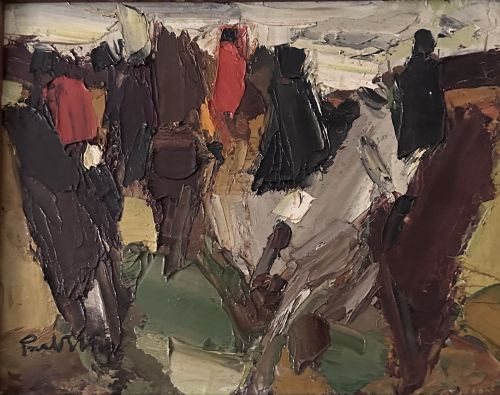
Each period brings distinct stylistic approaches, moving from formal eighteenth-century portraiture to nineteenth-century sporting art and twentieth-century impressionistic studies.
How do I identify the horse in the painting?
Many works include inscriptions on the canvas, stretcher bars, or frame detailing the name of the horse, owner, or race.
Historical racehorses such as Derby winners or royal thoroughbreds often match records from racing archives and stud books.
Are these paintings supplied with their original frames?
Several pieces retain their period frames, such as giltwood or oak mouldings appropriate to the date of creation.
Framing styles vary from ornate Victorian gilt designs to simpler wooden borders selected to complement the artwork.
Where were these equine artworks created?
The pieces originate predominantly from British and European schools, reflecting regional traditions in sporting and animal painting.
Works range from British country house commissions to French provincial studies and depictions of stable yards abroad.